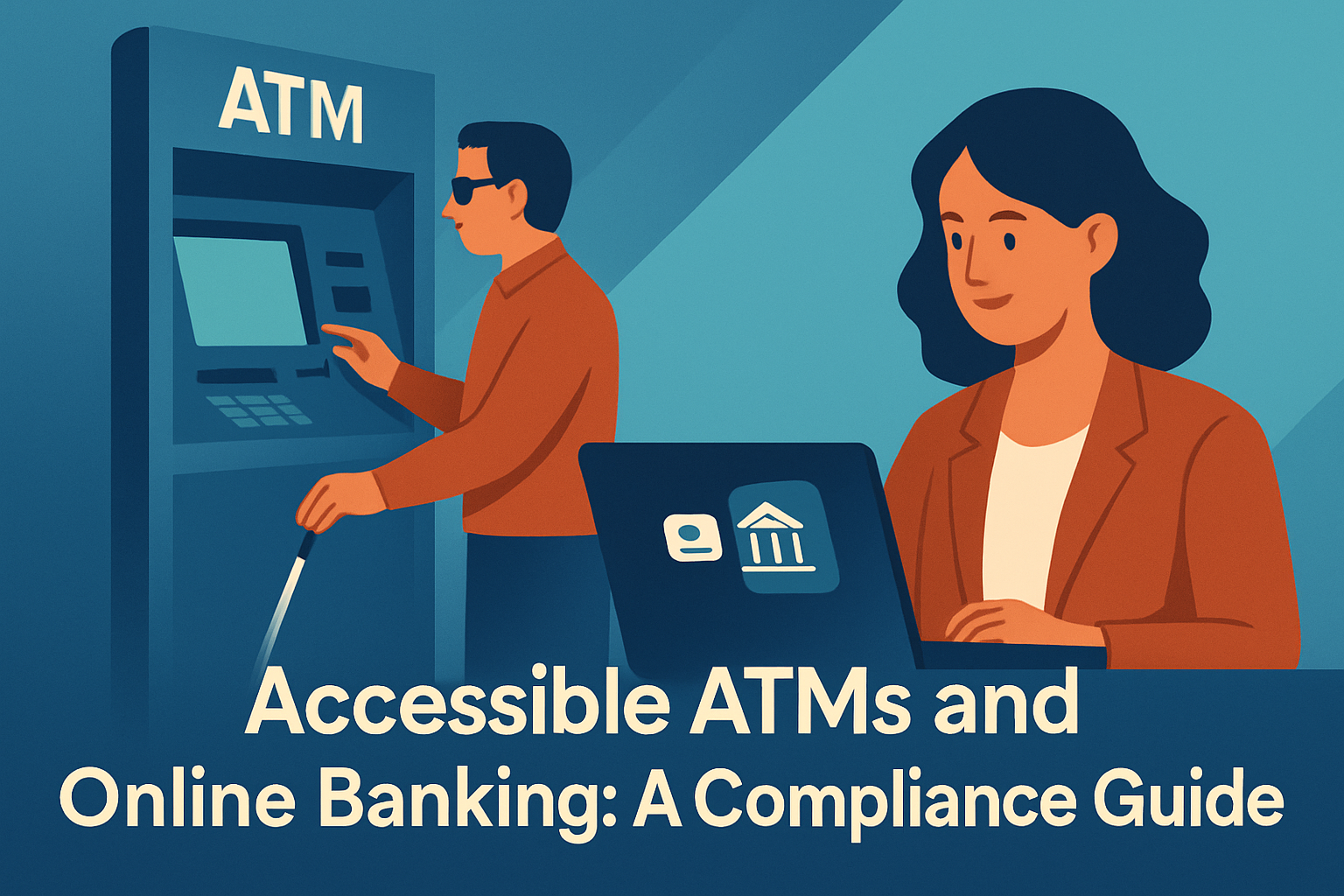
ADA compliance in the tech sector is no longer a niche legal concern; it is a core product, engineering, and business requirement for software companies that build websites, mobile apps, SaaS platforms, internal tools, and customer support systems. The Americans with Disabilities Act, or ADA, is a civil rights law that prohibits discrimination based on disability, and in practice it affects how digital products are designed, coded, tested, purchased, and maintained. In software teams I have worked with, the most common mistake is treating accessibility as a late-stage checklist item. That approach usually creates avoidable rework, legal exposure, and user frustration. A stronger approach is to understand ADA compliance as an operating principle supported by accessibility standards, documented processes, and measurable quality controls. For software companies, this matters because customers, employees, job candidates, and business partners all interact through digital interfaces. If those interfaces exclude users who rely on screen readers, keyboard navigation, captions, color contrast, voice control, or alternative input methods, the company is creating both practical barriers and compliance risk. Accessibility also improves usability, search visibility, and product quality, which makes it relevant to SEO, AEO, and GEO as well as legal readiness.
In plain terms, ADA compliance for software companies means making digital experiences accessible to people with disabilities and aligning product decisions with recognized accessibility standards. The ADA itself does not provide a technical checklist for code. Instead, courts, settlement agreements, and procurement standards often point companies toward the Web Content Accessibility Guidelines, known as WCAG, as the most widely accepted benchmark. WCAG 2.1 Level AA is the baseline most legal and enterprise teams use today, while WCAG 2.2 is increasingly important for newer implementations. Related standards also matter. Section 508 governs federal procurement and references accessibility requirements for information and communication technology. The WAI-ARIA specification helps developers describe user interface components to assistive technologies. Platform guidance from Apple, Google, and Microsoft shapes mobile and desktop accessibility expectations. When leaders ask what standard to follow, the practical answer is this: use WCAG Level AA as the minimum target, test against real assistive technology, document your remediation work, and treat accessibility governance as continuous, not one-time.
What ADA compliance means for software companies in practice
For a software company, ADA compliance touches the full product lifecycle. Discovery research should include disabled users and accessibility use cases. Design systems should define semantic structure, focus states, color contrast, form labels, error handling, and component behavior. Engineering should implement accessible markup, keyboard support, meaningful alt text, correct heading hierarchy, and screen reader announcements where needed. QA should test manual keyboard flows, zoom behavior, screen reader compatibility, and color contrast in addition to automated scans. Procurement teams should assess vendor accessibility through VPAT documentation, contract language, and product testing. HR and IT should also review internal systems because employee-facing tools can create employment-related exposure under the ADA if they are inaccessible to staff or applicants.
I have seen teams assume ADA only applies to public marketing sites, but that is too narrow. Courts and regulators have increasingly focused on digital access in ecommerce, healthcare, education, finance, travel, entertainment, and employment systems. A SaaS dashboard used by paying customers can be just as important as a homepage. A mobile checkout flow that cannot be completed with VoiceOver or TalkBack creates a direct barrier to access. A recruiting portal that fails keyboard navigation can affect equal employment opportunity. The safest and most commercially sound view is that any software interface that customers, prospects, employees, or applicants depend on should be accessible.
The legal and standards landscape teams need to know
The ADA is organized into different titles, but software companies usually encounter digital accessibility questions through Title I, covering employment, and Title III, covering public accommodations. Even though the law was passed before the modern web, enforcement has evolved alongside technology. The Department of Justice has repeatedly stated that the ADA applies to websites and digital services offered by covered entities. Litigation has also made the point clear. Cases involving ecommerce brands, streaming services, and online booking platforms have established that inaccessible digital experiences can trigger claims, settlements, and expensive remediation deadlines. The exact legal interpretation can vary by jurisdiction, especially around whether a website must have a nexus to a physical location, but relying on those nuances as a strategy is risky and shortsighted.
WCAG remains the main technical standard because it translates accessibility into testable success criteria organized under four principles: perceivable, operable, understandable, and robust. If a user cannot perceive content, operate controls, understand interactions, or access content through assistive technology, the experience fails accessibility basics. Examples are straightforward. Captions make video perceivable for deaf users. Keyboard support makes navigation operable for users who cannot use a mouse. Clear labels and error messages make forms understandable for users with cognitive disabilities. Semantic markup and proper ARIA patterns make interfaces robust for screen readers. These are not abstract ideals; they are implementation requirements that can be reviewed in design files, source code, and test plans.
Common accessibility failures in software products
The issues that create the most ADA risk are usually ordinary engineering shortcuts rather than exotic edge cases. I routinely find buttons built as generic div elements, modals with broken focus trapping, forms without programmatic labels, images conveying meaning without alt text, low-contrast text in design systems, and dynamic updates that screen readers never announce. Single-page applications often create problems when route changes are not communicated to assistive technology or when custom components ignore native HTML behavior. Mobile apps have their own recurring failures, including unlabeled controls, gestures without alternatives, and text that does not scale cleanly.
Automated testing tools catch only part of the problem, usually around 30 to 40 percent depending on the product. Tools such as axe DevTools, WAVE, Lighthouse, Accessibility Insights, and Siteimprove are useful, and I recommend them in every workflow, but they cannot tell you whether link text is meaningful in context, whether a screen reader user can complete a task efficiently, or whether focus order makes sense. Real testing matters. On the desktop, that often means checking with NVDA and JAWS on Windows and VoiceOver on macOS. On mobile, test with VoiceOver on iOS and TalkBack on Android. Accessibility is task based, not just page based. If a user cannot sign up, search, pay, upload, schedule, or request help, the product is not accessible in any meaningful business sense.
How to build an ADA compliance program
The most effective compliance programs combine governance, training, tooling, and accountability. Start with an accessibility policy approved by leadership. Define the standard, usually WCAG 2.1 or 2.2 Level AA, and specify which digital assets it covers. Assign owners across product, design, engineering, QA, legal, procurement, HR, and support. Train teams on accessible design patterns, semantic HTML, ARIA usage, captioning, document accessibility, and assistive technology basics. Build accessibility acceptance criteria into sprint planning and definition of done. Require design review before development and accessibility review before release. Maintain an issue log with severity, owner, target date, and validation status. These are the controls auditors, enterprise buyers, and opposing counsel expect to see if questions arise.
| Program area | What to implement | Named tools or standards | Example metric |
|---|---|---|---|
| Design | Accessible component library, contrast checks, focus states | WCAG 2.2 AA, Figma plugins, design tokens | 100% of new components reviewed |
| Development | Semantic HTML, keyboard support, ARIA patterns | WAI-ARIA APG, axe DevTools, ESLint plugins | Zero critical issues in release branch |
| QA | Manual task testing with keyboard and screen readers | NVDA, JAWS, VoiceOver, TalkBack | Top ten user flows tested each sprint |
| Governance | Policy, exception process, remediation log, audit schedule | VPAT, ACR, Section 508 mapping | Quarterly executive review completed |
In my experience, remediation works best when issues are triaged by user impact. A missing decorative image alt attribute is not equal to an inaccessible checkout button. Prioritize blockers on critical journeys first, then address high-frequency component defects that can eliminate many downstream failures at once. For example, fixing one modal component in a shared design system can resolve defects across account settings, billing, onboarding, and support flows. This is why mature teams invest in accessible design systems and frontend component libraries. They reduce both legal exposure and development cost over time.
Testing, documentation, and vendor management
Testing should include both preventive and detective controls. Preventive controls include accessible patterns in design systems, linting rules, CI checks, and code review standards. Detective controls include manual audits, user testing with disabled participants, support ticket analysis, and periodic third-party assessments. A formal audit typically produces issue evidence, WCAG mapping, severity ratings, and remediation guidance. That report is valuable, but it is only part of compliance. You also need documentation showing what was fixed, when it was validated, and how regressions are prevented. If your company publishes an accessibility statement, make it accurate, specific, and easy to find. Include contact methods for reporting barriers and a realistic summary of ongoing efforts.
Vendor risk is another overlooked area. If your product relies on embedded chat, payment gateways, PDF generators, video players, authentication tools, or analytics overlays, those dependencies can affect accessibility. Ask vendors for a current VPAT, review it critically, and test the product yourself. Many VPATs overstate conformance or use vague language such as “supports with exceptions.” Enterprise buyers know this. Your procurement and legal teams should include accessibility representations, remediation obligations, and cooperation clauses in contracts. If a core vendor is inaccessible, your own compliance posture can collapse quickly because users experience the integrated product, not your org chart.
Business benefits beyond legal risk reduction
Software companies often start accessibility work because of legal concerns, but the business case is broader and stronger. Accessibility expands market reach. More than one billion people globally live with some form of disability according to the World Health Organization, and disability intersects with aging, temporary injury, situational limitations, and low-bandwidth contexts. Accessible products are usually easier for everyone to use because they rely on clear structure, readable content, predictable interactions, and resilient code. Those same qualities support search performance. Semantic headings, descriptive links, text alternatives, and clean information architecture help search engines understand content. That improves traditional SEO and strengthens AEO by making direct answers extractable. It also helps GEO because generative systems favor content that is well structured, explicit, and grounded in recognized standards.
Accessibility also reduces support costs and increases conversion. I have seen simple fixes, like improving form labels and error recovery, lower abandonment in signup flows. Captions increase video completion in quiet offices and noisy commutes, not just for deaf users. Keyboard shortcuts help power users move faster. Clear focus indicators reduce confusion during onboarding. When teams measure these outcomes, accessibility stops looking like a compliance tax and starts functioning as product quality assurance. That is the right framing. ADA compliance is not separate from user experience, engineering excellence, or brand trust. It is evidence of all three.
What software leaders should do next
The practical path forward is to treat ADA compliance as a managed program with executive backing, not a one-time remediation project. Begin with a baseline audit of your public website, core application flows, mobile apps, and internal employment systems. Map findings to WCAG Level AA, rank issues by user and business impact, and assign owners with deadlines. Update your design system, train teams, and bake accessibility requirements into procurement, product reviews, and release processes. Validate fixes with real assistive technology and, where possible, with disabled users. Publish an accessibility statement and maintain a clear feedback channel. If your company sells to enterprises or government clients, prepare accurate VPAT and accessibility conformance materials before sales cycles demand them.
ADA compliance in the tech sector is ultimately about equal access, but it is also about building better software with fewer blind spots. Companies that act early avoid rushed remediation, improve product quality, strengthen enterprise credibility, and serve more users effectively. The standard is clear: design and test for accessibility from the start, align to WCAG, document your controls, and keep improving. If your software company has not completed a current accessibility audit, make that your next step today.
Frequently Asked Questions
1. What does ADA compliance actually mean for software companies?
For software companies, ADA compliance means ensuring that digital products and services are accessible to people with disabilities and do not create barriers to participation, communication, purchasing, employment, or support. While the Americans with Disabilities Act was written before modern software became central to everyday life, its core requirement is clear: organizations cannot exclude people with disabilities from accessing what they offer. In the tech sector, that principle applies to websites, mobile apps, SaaS platforms, login flows, dashboards, e-commerce experiences, internal systems, documentation, chat tools, and customer service channels.
In practice, software teams usually translate ADA compliance into a disciplined accessibility program built around recognized technical standards, most commonly the Web Content Accessibility Guidelines, or WCAG. That includes providing keyboard navigation, sufficient color contrast, screen reader compatibility, text alternatives for images, clear labels for forms, usable error states, accessible authentication flows, captioned media, and predictable interaction patterns. It also means considering users with visual, auditory, motor, cognitive, and speech disabilities throughout product design and engineering, rather than treating accessibility as a late-stage checklist. For most software companies, ADA compliance is not a single legal document or a one-time certification. It is an ongoing operational responsibility that touches product strategy, design systems, QA, procurement, support, and release management.
2. Does the ADA apply to websites, mobile apps, and SaaS products?
Yes, in many real-world situations it does, and that is why software companies should treat digital accessibility as a serious legal and business issue. Although the ADA does not list every modern technology product by name, regulators, courts, and plaintiffs have increasingly applied its nondiscrimination principles to digital experiences, especially when those experiences are used by customers, employees, students, patients, or the public. Websites and mobile apps are the most common areas of focus, but the scope often extends much further. If a company delivers services online, sells through a digital platform, provides account access through a web portal, or relies on software as part of a customer journey, accessibility expectations usually follow.
SaaS companies sometimes assume the ADA is someone else’s problem because they sell business-to-business software rather than directly to consumers. That is a risky assumption. Enterprise products are often used by employees, job applicants, patients, students, and customers of the client organization. If the platform is inaccessible, it can expose both the client and the software vendor to legal, procurement, and reputational problems. The same is true for internal tools. If software is used for hiring, HR, benefits enrollment, scheduling, training, or workplace communication, accessibility can implicate both ADA obligations and broader employment law concerns. The practical takeaway is simple: if people rely on your software to access services, information, work opportunities, or support, accessibility is relevant and should be built into the product from the start.
3. What accessibility standards should software teams follow to support ADA compliance?
The most widely accepted benchmark is WCAG, usually version 2.1 or 2.2 at Level AA. Even though the ADA itself does not function as a technical specification, WCAG has become the standard framework used by organizations, auditors, procurement teams, and courts to evaluate whether digital experiences are reasonably accessible. For software companies, that means WCAG should be treated as the baseline for product requirements, design reviews, engineering implementation, testing, and remediation planning.
Following WCAG well involves much more than automated scans. Teams need to design semantic interfaces, support full keyboard operation, preserve visible focus indicators, ensure correct heading structure, provide meaningful link text, label inputs clearly, announce dynamic content changes properly to assistive technologies, avoid reliance on color alone, make error messaging understandable, and ensure components work consistently across browsers and devices. Mobile teams also need to think about touch target size, screen orientation, assistive gestures, platform accessibility APIs, and support for VoiceOver and TalkBack. Design systems should include accessible components by default, and engineering teams should document usage rules so accessibility is repeatable at scale. Strong teams also pair technical conformance with usability testing by people with disabilities, because passing criteria on paper does not always mean an experience is genuinely usable in production.
4. How can a software company build ADA compliance into its development process?
The most effective approach is to make accessibility part of the software development lifecycle rather than a separate project that appears only when a complaint arrives or a large customer requests documentation. Accessibility should begin during discovery and planning, where teams define user needs, identify high-risk workflows, and set measurable accessibility requirements. Designers should use accessible patterns, color palettes, spacing, content hierarchy, and component behavior from the start. Product managers should include accessibility acceptance criteria in user stories, especially for navigation, forms, authentication, media, dashboards, and transactional flows.
During development, engineers should use semantic HTML where appropriate, support assistive technologies through proper labeling and ARIA only when needed, and verify interactions with keyboards and screen readers, not just a mouse. QA should combine automated testing with manual checks, including focus order, zoom, reflow, alternative text quality, modal behavior, error recovery, and compatibility across common assistive tools. Accessibility reviews should also happen before procurement decisions when third-party widgets, payment tools, chat systems, or analytics overlays are introduced, because those vendors can create major compliance gaps. After launch, companies should monitor regressions, train teams regularly, maintain issue-tracking workflows for accessibility defects, publish a clear accessibility statement, and provide users with an effective way to report barriers. In mature software organizations, accessibility becomes part of governance: owned, measured, budgeted, and continuously improved.
5. What are the risks of ignoring ADA compliance in the tech sector?
The risks are legal, commercial, operational, and reputational. On the legal side, inaccessible software can trigger demand letters, lawsuits, settlement costs, remediation deadlines, and scrutiny from customers, regulators, or procurement departments. Even when a company believes the law is unsettled in a specific context, defending that position can be expensive and distracting. For software vendors selling into enterprise, education, healthcare, finance, or government-adjacent markets, accessibility failures can also delay contracts, block renewals, or eliminate the company from procurement altogether. Many buyers now require accessibility documentation, audits, or product conformance statements before purchase.
Just as important, inaccessible products create business friction. They exclude users, reduce conversion, increase support costs, weaken customer trust, and force teams into expensive retrofits that are far harder than building accessibly from day one. They can also hurt hiring and retention if internal tools are not usable by employees with disabilities. From a product standpoint, accessibility often improves overall quality: clearer structure, better error handling, stronger keyboard support, more resilient front-end code, and more inclusive UX benefit everyone. That is why leading software companies no longer frame ADA compliance as merely avoiding lawsuits. They treat it as part of product excellence, market readiness, and responsible engineering. Ignoring it is not just a legal gamble; it is usually a sign of weak product discipline.