The hospitality industry stands as a cornerstone of society, providing enjoyable experiences for tourists, business travelers, and local patrons alike. However, accessibility remains a critical aspect that cannot be overlooked. The Americans with Disabilities Act (ADA), enacted in 1990, requires businesses, including those in the hospitality industry, to ensure their facilities and services are accessible to individuals with disabilities. Yet, compliance with ADA can often be complex and nuanced, leaving many businesses uncertain about the specific changes required.
ADA compliance in hospitality is not just a legal obligation but a moral one. It embodies the principles of inclusivity and equal access, ensuring that individuals with disabilities have the same opportunities to enjoy services and experiences as everyone else. For hotels, restaurants, and other hospitality venues, achieving compliance not only avoids legal penalties but also enhances their reputation, opens up new markets, and increases overall customer satisfaction. It’s essential for the industry to integrate these requirements into their operations proactively.
In this article, we will delve into practical tips for achieving ADA compliance within the hospitality industry. We aim to provide a clear understanding of the law’s requirements and demonstrate how these can be implemented effectively and efficiently. By breaking down the key areas of ADA compliance—such as physical accessibility, communication accessibility, and service accessibility—we provide hospitality professionals actionable insights to foster a more inclusive environment.
Each element of ADA compliance will be explored comprehensively, shedding light on common challenges and effective solutions. The guidance provided herein will empower hospitality businesses to take the necessary steps towards compliance, ensuring an inclusive and welcoming atmosphere for all guests. By failing to address ADA requirements, hospitality venues not only face legal risks but also potentially miss out on a vital market segment. It’s about understanding different customer needs and exceeding their expectations, offering them seamless access to the experiences they seek. Embracing these standards can set businesses apart in a competitive market.
Physical Accessibility
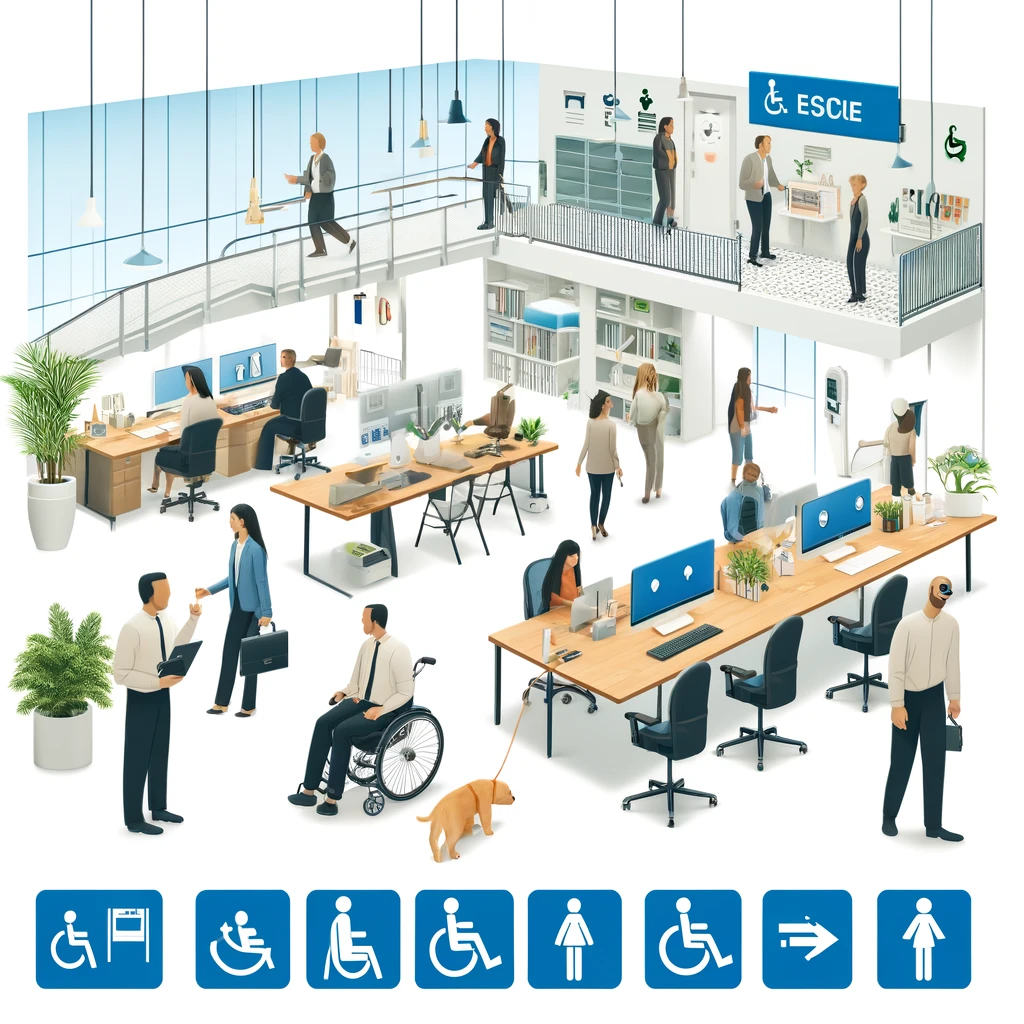
One of the core requirements of ADA compliance involves physical accessibility. This ensures that all patrons, regardless of mobility impairments, can access and enjoy all aspects of a venue. Hotels and restaurants, in particular, must be diligent in implementing the correct modifications. For instance, entryways should accommodate wheelchair users with ramps or lifts available wherever steps are present. Automatic doors are another significant consideration, providing ease of entry for individuals with various disabilities.
Once inside, space is a critical factor. Corridors and pathways need to be wide enough to comfortably accommodate wheelchairs and mobility aids. Ideally, there should be sufficient space for turning and maneuvering, preventing any obstruction by furniture or decor. In dining areas, tables must be accessible, ensuring space below for wheelchairs to fit comfortably. In hotels, rooms should be designed or modified with accessibility in mind, featuring amenities such as grab bars in bathrooms, roll-in showers, and adjustable bed heights.
Parking facilities are another area where ADA compliance is essential. Designated handicapped parking spaces must be present, clearly marked, and conveniently located close to entrance points. These spaces should adhere to standards about width and slope, ensuring safe access. Furthermore, understanding the required ratio of accessible spaces to total parking spaces is critical, ensuring adequate provision for guests.
For establishments with multiple floors, elevators must be installed if space does not usefully integrate alternatives like ramps. Elevators should have auditory signals for floors and braille on control panels to assist visually impaired guests. Compliance checks should regularly assess the functionality and safety of these installations, ensuring continuous adherence to standards.
Communication Accessibility
Beyond physical structures, communication plays a vital role in accessibility. Hospitality businesses must ensure their communication methods are inclusive, allowing individuals with hearing or visual impairments to receive information as effectively as possible. This entails offering alternative communication formats like written menus, braille menus, or even digital screens that provide text in large fonts.
For hotels, modifications may include the provision of TTY (Text Telephone) devices, enabling guests who are deaf or hard of hearing to make phone calls. Instances requiring auditory signals, like alarms, should incorporate visual signaling devices such as flashing lights. Staff should be trained to communicate effectively with guests with disabilities, ensuring understanding and clarity in both one-on-one interactions and broader service advising.
Moreover, the growing reliance on digital interfaces within hospitality necessitates inclusive website and app accessibility. Websites should follow the Web Content Accessibility Guidelines (WCAG), ensuring text can be resized, alternative text is provided for images, and navigation is possible via keyboard commands alone. Such measures ensure that patrons can independently access information, book services, and interact with the business’s digital presence.
Service Accessibility
Service accessibility is another critical component of ADA compliance. This involves training staff to be aware of different disabilities and ensuring they understand how to assist guests respectfully and appropriately. Employees should be encouraged to ask guests how they can assist them rather than making assumptions. Such proactive guest relations management can help avoid potential misunderstandings and enhance the service experience.
It’s essential for hospitality venues to handle service animals properly. Under the ADA, service animals are allowed in all areas accessible to other guests. Staff should be educated on the rights of individuals with service animals, understanding the limited questions that can be asked regarding the animal, and ensuring they do not impose discrimination or barriers.
In restaurants, adjusting service approaches to meet different needs can significantly enhance the experience for guests with disabilities. This might include offering menus with larger print, being flexible with seating arrangements, or providing additional assistance when needed. Staff should be aware of the etiquette involved in offering such services politely and unobtrusively.
Furthermore, fostering an inclusive environment goes beyond minimum legal compliance; it requires creating a welcoming atmosphere for all. This might include organizing disability awareness training sessions or drills, creating communication strategies within the team that ensure uniform understanding of ADA compliance requirements, and evaluating service feedback from guests with disabilities to continue enhancing accessibility practices.
Managing Challenges and Solutions
Compliance with ADA does turn out to be challenging at times. The accommodations necessary often seem cumbersome or costly, particularly for smaller businesses. However, these improvements are not only crucial for legal reasons but are also investments towards a more inclusive, engaging, and customer-friendly environment. Implementing changes incrementally can be a more feasible approach for businesses facing financial constraints.
When tackling more complicated renovations or modifications, businesses might benefit from consulting with ADA specialists or advisors. These professionals can assess a venue’s current compliance level, propose necessary changes, and suggest cost-effective solutions to address any shortcomings. Additionally, numerous grants and tax incentives are available to businesses investing in ADA compliance, easing financial burdens.
Furthermore, using feedback systems such as surveys or direct communication can help gather insights from guests with disabilities, ultimately guiding improvements in service and facility. Establishments that actively demonstrate commitment to equality and accessibility foster a sense of goodwill and loyalty among their patrons, which can lead to increased advocacy and word-of-mouth promotion.
Conclusion
ADA compliance within the hospitality industry may initially appear daunting. However, understanding its significance and implementing appropriate changes brings myriad benefits. Not only does it fulfill legal and ethical responsibilities, but it also opens up new markets and enhances customer satisfaction and business reputation. Through thorough evaluation and methodical execution, hospitality businesses can meet compliance requirements, broadening their appeal and fostering inclusion.
This proactive approach translates directly into a better service experience for guests with disabilities, ultimately enriching every aspect of the industry’s offerings. From physical adjustments in infrastructure to adapting communication methods and upgrading service delivery, hospitality providers can significantly impact their capacity to attract and retain a diverse clientele.
In achieving compliance, the emphasis should always be on respect, dignity, and the genuine desire to provide equal access for everyone. By adopting inclusive practices, hotels, restaurants, and other hospitality venues can distinguish themselves as leaders. They embody values of diversity and inclusion, substantially contributing to a more equitable society.
By following these practical guidelines and ensuring adherence to ADA regulations, the hospitality industry not only opens its doors wider but also moves towards a future where inclusivity is standard, benefiting both the businesses and the communities they serve. In doing so, the hospitality sector can lead the way in establishing new norms of accessibility and service excellence.