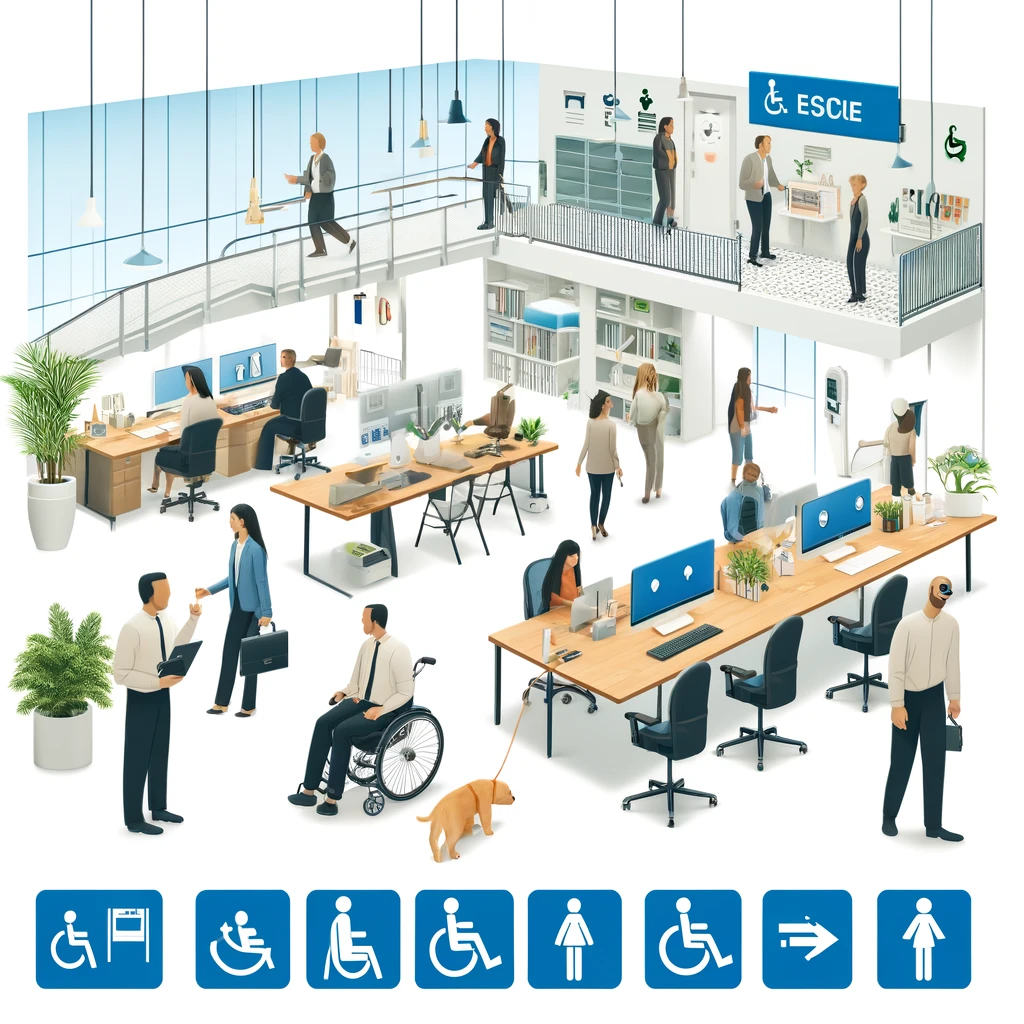
The Americans with Disabilities Act (ADA), enacted in 1990, is a pivotal piece of legislation designed to ensure that individuals with disabilities have the same rights and opportunities as everyone else. ADA compliance is critical for event planners and conference organizers seeking to create inclusive environments. Inclusivity in event planning is about more than just meeting legal requirements; it’s about recognizing diversity and ensuring that all participants can access and enjoy events equally. From understanding ADA laws to implementing practical strategies, this article provides a comprehensive guide to ensure compliance, thus fostering an inclusive atmosphere that accommodates people with varying needs. Event planners and conference organizers must be well-versed in the ADA’s stipulations to avoid potential pitfalls and provide accessible experiences for all. As we delve into the specifics of ADA compliance, it is essential to highlight the various aspects of event planning where these rules apply and the benefits of creating ADA-compliant events.
Understanding ADA Compliance
ADA compliance revolves around adhering to the regulations set forth in the Act, primarily focused on eliminating discrimination against people with disabilities. Event planners must ensure that venues, services, and experiences are accessible to people with a range of physical and cognitive disabilities. This not only applies to physical infrastructure but also to the informational and digital aspects of an event. The ADA encompasses various areas such as employment, public accommodations, transportation, and telecommunications. For event planners, the emphasis falls primarily on public accommodations and communications. Event spaces must fulfill specific criteria established under Title III of the ADA, focusing on the accessibility of facilities and services provided to the public. The intent behind these regulations is to eradicate barriers preventing people with disabilities from fully participating in public life, ensuring equal opportunity and access to events.
Choosing an Accessible Venue
The choice of venue is a fundamental step in the event planning process where ADA compliance needs vigilant attention. Planners must first evaluate whether potential venues already comply with ADA requirements. Accessibility concerns range from the availability of ramps and elevators for wheelchair access to the width of doorways and pathways. Restrooms must be equipped with facilities for individuals with disabilities, including grab bars and lowered sinks. Event spaces should include signage in Braille and audio descriptions for people with visual impairments. Furthermore, parking facilities must provide accessible spaces closer to entranceways, featuring clear signage. Prioritizing venues that have obtained ADA certifications ensures that accessibility won’t become an afterthought, carving a more seamless path towards inclusivity. Should any shortcomings in accessibility be identified, it falls upon the organizer to coordinate necessary adjustments or accommodations to ensure that the environment is compliant and welcoming to all attendees.
Designing Accessible Events
Designing an accessible event goes beyond selecting venues. It extends to the overall configuration and execution of the event. Seating arrangements must allow for accessible pathways and areas for individuals using mobility devices. Stages and speaking platforms should include accessible access and avoid potential barriers that may restrict participation by individuals with disabilities. During the design phase, consulting with a certified ADA coordinator can provide valuable insights to enhance accessibility strategies. Thoughtful consideration is necessary for events involving complex logistics or temporary setups, such as conferences with multiple sessions, to ensure people can navigate the space freely. Incorporating assistive technology such as hearing loops and sign language interpreters is essential for guests with auditory impairments. Providing captions for videos and presentations, and ensuring that digital materials are available in screen-reader-friendly formats, is critical in accommodating a diverse audience. Providing clear communication about accessibility options available at the event encourages attendees to reach out with special requests, offering the opportunity to tailor solutions to meet specific needs.
Communication and Information
Communication is a central component of ADA compliance for events. Ensuring accessibility through effective communication strategies determines whether people with disabilities can successfully engage with event content. Event organizers should make use of various communication modes, including digital platforms and accessible printed materials. Event invitations and announcements should highlight available accessibility features, encouraging potential participants to raise additional needs they may have. Beyond verbal communication, other forms such as visual information displays must be accessible—which can include large print formats and auditory tools for those with visual impairments. Additionally, digital platforms and websites associated with the event must comply with the Web Content Accessibility Guidelines (WCAG), ensuring content is perceivable, operable, understandable, and robust for everyone, including attendees with disabilities. The use of plain language in promotional materials and guides can further enhance understanding and participation across varied audiences. These strategies combine to form an inclusive communication approach that accommodates everyone, reflecting a deep commitment to equality and accessibility.
Training Staff and Volunteers
A well-informed team is essential for successfully executing an ADA-compliant event. Staff and volunteers should receive comprehensive training to prepare them for assisting attendees with disabilities. Training should encompass an understanding of disability etiquette, practical application of ADA standards, and familiarity with accessible technologies and accommodations available at the event. Having a trained team that confidently interacts with diverse attendees ensures that individuals feel welcomed and respected. It’s crucial for event staff to be prepared to troubleshoot any accessibility challenges that may arise, acting as immediate points of contact for those requiring assistance. A proactive approach in educating on accessibility measures reduces the likelihood of oversights and reinforces respect and dignity for all participants. Event planners bear the responsibility of providing this training, which can also include the distribution of educational resources and organizing workshops with ADA experts to ensure comprehensive preparedness.
Benefits of ADA Compliance
Embracing ADA compliance brings numerous benefits beyond the legal obligations. Creating accessible events fosters a culture of inclusivity, ensuring that people with disabilities can participate fully in all aspects of society. Compliance enhances the reputation of organizers and venues, portraying them as responsible and considerate entities that prioritize equality. Through meeting ADA standards, events can attract a broader audience, tapping into a wider demographic including individuals with disabilities, as well as families and caretakers who appreciate accommodating environments. Inclusivity fosters community and social engagement, opening dialogue and partnership opportunities that enrich the event experience. Additionally, minimizing accessibility barriers can prevent potential legal disputes, safeguarding organizers against the risks of non-compliance. Ensuring accessibility not only aligns with societal values of diversity and inclusion but also reinforces messaging related to corporate social responsibility and ethical practices. Financially, compliance can result in increased ticket sales, greater participant satisfaction, and a stronger brand image.
Evaluating and Improving Accessibility
Continuous evaluation and improvement of accessibility measures must remain a priority for event planners and conference organizers. Post-event evaluations provide valuable feedback from participants regarding their experiences and potential accessibility issues encountered. Attendees should be encouraged to share their insights, which can inform adjustments and enhancements for future events. Organizers should establish a protocol for reviewing accessibility strategies, considering any newly available technologies or updated compliance guidelines. Keeping ADA compliance at the forefront during the planning process necessitates considering it as an evolving initiative rather than a one-time checklist. Investing in ADA compliance creates tangible benefits for both event organizers and attendees by creating equitable and enjoyable experiences for all. Seeking the counsel of accessibility consultants and engaging with disability advocacy groups can further bolster efforts to create events that meet or exceed ADA standards. In doing so, event planners play a pivotal role in facilitating inclusive, barrier-free experiences that embrace diversity.
Conclusion
The commitment to ADA compliance is an essential responsibility that every event planner and conference organizer must embrace. Beyond the statutory requirement, ADA compliance is about creating a society where equal access and participation are afforded to all individuals, irrespective of disability. By understanding the intricacies involved in ADA requirements and actively applying them during the event planning process, organizers can foster an inclusive environment that benefits everyone. Through careful venue selection, considerate event design, effective communication, staff training, and ongoing evaluation, ADA compliance becomes a natural aspect of event planning. In doing so, event planners not only adhere to the law but also champion the values of diversity and inclusion in their endeavors. As the event industry continues to evolve, prioritizing accessibility will play a critical role in shaping events that inspire a sense of belonging among participants. Striving towards accessibility reflects a broader commitment to equity, ensuring that events are welcoming, engaging, and enjoyable for all attendees regardless of their abilities.