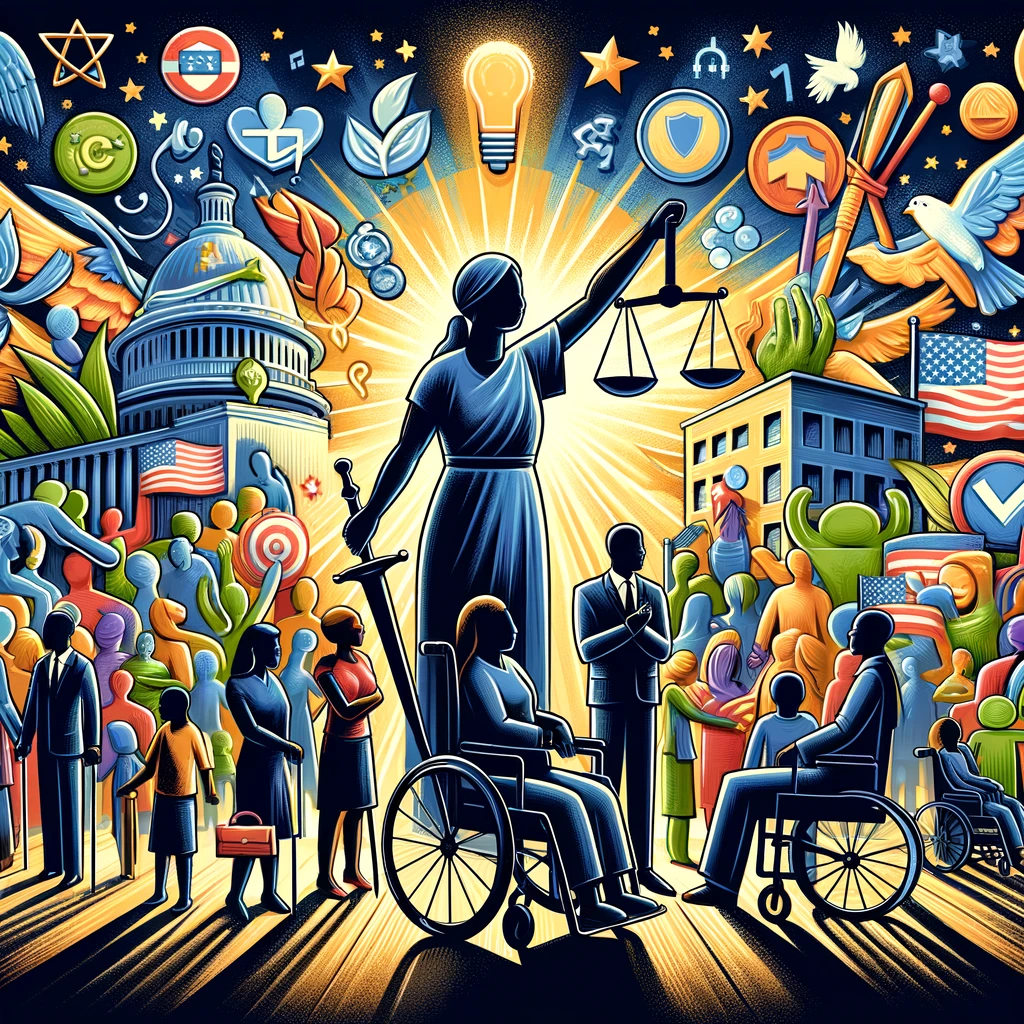
The Americans with Disabilities Act (ADA), established in 1990, was a groundbreaking piece of legislation that ensured equitable rights and accessibility for individuals with disabilities across various sectors. As societal norms and technological landscapes evolve, so do the arenas where ADA compliance becomes crucial. With the emergence of new service industries—such as online platforms, gig economy workspaces, and digital content services—the need to revisit the ADA’s application is more pressing than ever. These innovative fields present unique challenges and opportunities for ensuring equal access, and understanding how to apply ADA guidelines in these contexts is vital.
The advent of technology and the subsequent rise of new services have significantly altered the way businesses operate. These changes bring forth questions about inclusivity and the responsibility of new service providers to adhere to ADA standards. With digital platforms becoming predominant, the definition of accessibility is continually expanding, requiring an updated approach to compliance. This article will explore ADA compliance in newly emerging service industries, emphasizing the importance of proactive measures and continuous adaptability to foster environments that are truly inclusive for all individuals.
Understanding ADA Compliance in Emerging Industries
ADA compliance refers to the adherence to standards that ensure individuals with disabilities have equal access and opportunities in public and private sectors. In traditional settings, this often involves physical accommodations, such as ramps, elevators, and accessible restrooms. However, with many industries now operating predominantly online or through digital interfaces, the scope of ADA compliance has significantly broadened. Understanding how this legislation applies within these novel environments is essential for both service providers and users to navigate this dynamic landscape effectively.
One of the biggest challenges in these new industries is defining what constitutes a “public accommodation” and determining how traditional ADA standards apply to virtual spaces. In the realm of digital services, this could include websites, online marketplaces, and digital content providers. The question often arises as to whether these digital domains fall under the same legal obligations as physical spaces. Recent court cases have begun to address these ambiguities, setting precedents for how ADA compliance will evolve in the context of digital transformation.
Key Areas in New Service Industries
Several core areas within newly emerging industries require particular focus concerning ADA compliance. Firstly, the gig economy, characterized by freelance and short-term jobs facilitated by digital platforms, draws increasing attention around ADA adherence. Companies like Uber, Lyft, and Airbnb must account for accessibility, notably in providing accessible vehicles or lodging options suitable for individuals with disabilities.
Moreover, this sector needs to consider how digital accessibility aids gig workers with disabilities. For example, crafting accessible interfaces and inclusive job opportunities can empower these individuals, ensuring they are not excluded from the economic incentives these platforms offer. Fostering inclusivity in the gig economy could set a precedent for other sectors, reinforcing accessibility as a mainstay of operational best practices rather than an afterthought.
In digital content and media services, including streaming and online publishing, accessibility remains a critical topic. Providing closed captions, screen reader support, and describing visual content are all essential components that ensure digital media is accessible to all audiences. These measures promote inclusivity, enabling persons with disabilities to enjoy the same level of engagement as their non-disabled counterparts. Content creators who prioritize these features reflect a commitment to diversity and inclusivity, aligning themselves with evolving societal values.
The Role of Technology in Ensuring Accessibility
Technology plays a pivotal role in enhancing accessibility across various service industries, offering innovative solutions that cater to individuals with disabilities. Artificial intelligence and machine learning are increasingly leveraged to bolster accessibility features, such as voice-activated assistants or automated transcription services. These technological advancements not only improve accessibility but also enrich the user experience, facilitating more seamless and inclusive interactions.
However, despite the potential of technology to break down accessibility barriers, it’s crucial to adopt these tools thoughtfully. Over-reliance on technology without proper testing and input from people with disabilities could inadvertently create new challenges. Industry leaders must involve these communities actively in the development process, ensuring the solutions created truly meet their needs and preferences. Regular assessments, updates, and feedback loops are necessary to maintain high accessibility standards, particularly as technology rapidly evolves.
Legal and Ethical Implications
As ADA compliance becomes more integrated with digital and emerging service industries, understanding the legal and ethical implications is critical. Service providers must stay informed about legal decisions related to online accessibility to avoid detrimental lawsuits, which can not only harm business reputation but also result in significant financial penalties. The evolving legal landscape serves as a reminder of the importance of maintaining up-to-date compliance practices.
Beyond legal obligations, ethical considerations should guide businesses in cultivating inclusive environments. Embracing accessibility as a core value reflects a commitment to social responsibility, demonstrating respect and understanding towards individuals with disabilities. This approach not only enhances brand image but also fosters a culture of diversity and inclusivity, appealing to a broader consumer base and building longstanding customer loyalty.
Advocacy and Education in Promoting Compliance
Advocacy and education are essential components in promoting ADA compliance across new service industries. Organizations and advocacy groups play a vital role in raising awareness about accessibility issues, offering resources, and providing training to help businesses understand their legal and ethical obligations. Through workshops, seminars, and online resources, advocacy initiatives can empower service providers with the knowledge and tools needed to enhance accessibility effectively.
Education initiatives should be tailored to address specific challenges within each industry, ensuring relevance and immediate applicability. By fostering a better understanding of ADA compliance and its significance, businesses can make informed decisions that prioritize accessibility, paving the way for more inclusive service offerings and enhancing the overall accessibility landscape.
Challenges and Future Directions
Despite the progress made, several challenges persist in achieving full ADA compliance in emerging industries. The rapid pace of technological advancements often outstrips regulatory frameworks, leading to gaps in guidance and enforcement. This disconnect can create uncertainty among service providers trying to balance innovation with compliance, underscoring the need for more adaptive regulatory mechanisms.
Looking ahead, future directions in ADA compliance must focus on collaborative efforts between policymakers, industry leaders, and disability advocacy groups. Establishing comprehensive guidelines that address emerging technologies and industry practices could streamline compliance efforts, mitigating legal risks and promoting best practices. Additionally, harnessing the power of data analytics could offer insights into accessibility trends and identify areas of improvement, driving continuous enhancements in accessibility features across diverse service platforms.
Conclusion
ADA compliance remains a fundamental aspect of ensuring equality and inclusivity within our society, particularly as service industries continue to evolve digitally and beyond. Understanding the implications of ADA guidelines within newly emerging fields is crucial for fostering environments where individuals with disabilities can fully participate and benefit. Embracing accessibility as a key component of business operations not only aligns with legal and ethical standards but also reflects a commitment to building inclusive communities.
As industries strive to navigate the complexities of this evolving landscape, continuous education, advocacy, and collaboration will play pivotal roles in driving progress. By valuing accessibility as an integral part of innovation, service providers can lead the charge in promoting equal opportunities for all, contributing to a more accessible world that benefits everyone.