Creating accessible transportation networks is not just a legal obligation but a moral imperative. The Americans with Disabilities Act (ADA), passed in 1990, was a landmark in promoting equality for individuals with disabilities. With a specific focus on transportation, the ADA mandates that public and private transportation networks must be accessible to all. Although the basic tenets of compliance under the ADA are widely recognized, such as the installation of ramps and ensuring elevator access, transportation providers often overlook or underestimate the broader implications required for full accessibility. This expanding narrative places a crucial emphasis on moving beyond basic compliance to develop truly inclusive systems. This includes not only physical modifications but also technological, communication, and operational initiatives that remove barriers and ensure accessibility for every user. Accessibility in transportation isn’t merely about structural adjustments but involves fostering an ecosystem that integrates various facets of the disabled community’s needs.
As the conversation evolves, it is clear that transportation networks must strive to go beyond simple, checkbox-style compliance. It is essential to implement comprehensive approaches that integrate and support the quality of life for individuals with disabilities. This means considering diverse impairments such as cognitive, sensory, and physical, and addressing these diversely through innovative solutions and collaborative efforts. Furthermore, the rapid advancement in technology, which presents both new challenges and opportunities, means that today, perhaps more than ever, thoughtful planning and execution is required to guarantee equitable access across all spectrums. This article delves into the complexities and overlooked aspects of ADA compliance and explores effective strategies that transportation networks can employ to ensure inclusivity and equality. We will illuminate methods employed by leading networks to move past mere compliance and find out how going above and beyond the minimum requirements can benefit both service providers and the communities they serve.
Moving Beyond Physical Accessibility
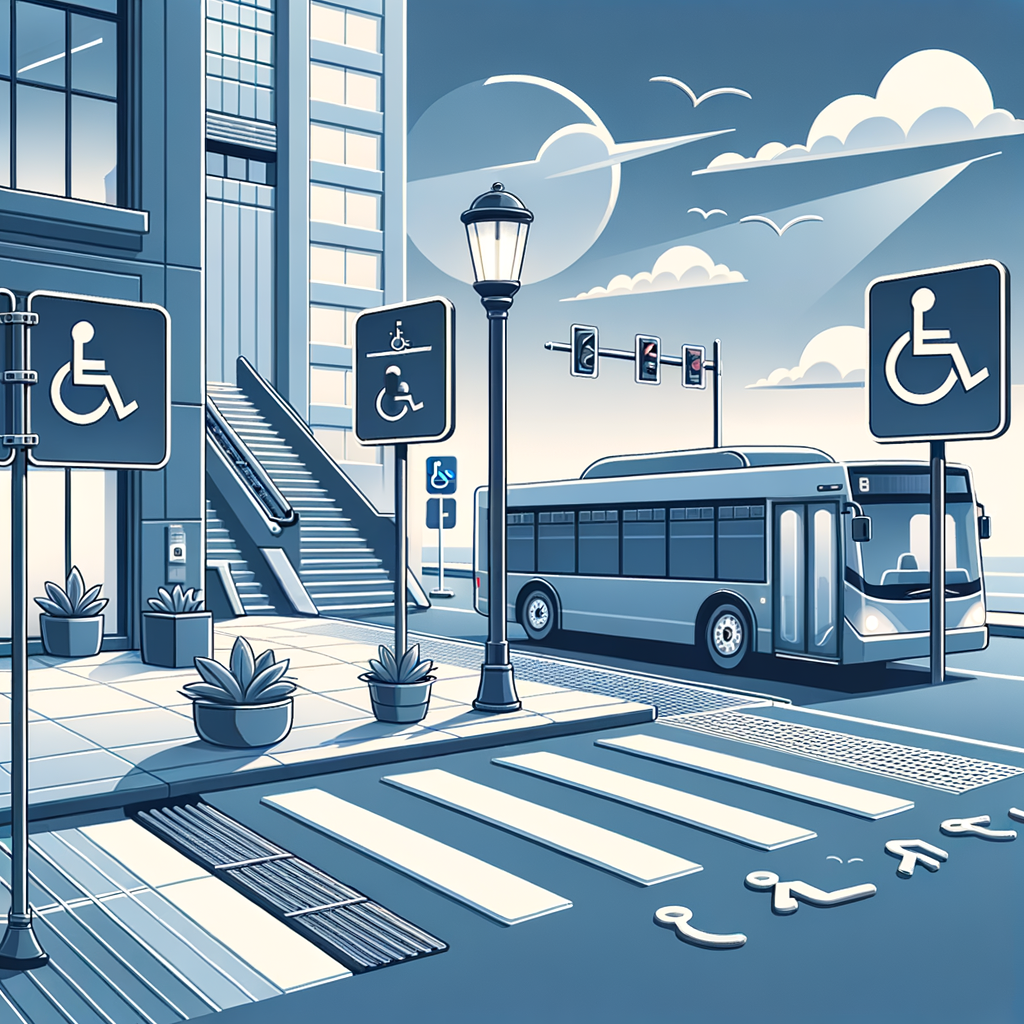
Physical accessibility, while foundational, is just one part of truly inclusive transportation. Many networks already accommodate wheelchairs with designated spaces, ramps, and elevators. However, simply meeting these basic requirements often does not meet the needs of the diverse population that relies on public transportation. For instance, individuals with disabilities such as visual or hearing impairments face different challenges that require targeted solutions. For the visually impaired, transportation networks can incorporate enhanced tactile pathway strips and audible signals that provide both direction and information about navigational hazards.
Multimodal transportation systems, including buses, subways, and trains, benefit from robust infrastructure that promotes comprehensive physical accessibility. This often involves continuous platforms aligned with vehicle doors to facilitate smooth boarding for wheelchairs and other mobility aids. Beyond platforms, transportation hubs need clear signage, both visual and, wherever possible, in braille, obvious paths, sufficient lighting, and open spaces that allow for easy navigation. It is equally important that platforms have markings indicating safe distance from train edges, so that those with limited visibility are aware of safe positioning.
Capitalizing on Technological Advancements
The advent of cutting-edge technology promises immense potential to push ADA compliance to new heights. Smartphone applications, real-time alerts, and personalized GPS systems now provide access to critical travel information. These innovations allow people with disabilities to plan their journeys more effectively, alerting them to obstacles or disruptions that could affect their ability to travel safely and independently.
On-demand services like ridesharing have also emerged as critical resources for those with disabilities. Many technology companies are actively developing features to cater to the needs of passengers with limited mobility, such as apps that proactively include information about vehicles equipped for wheelchairs or specific driver training. Enhanced mapping systems can guide travelers to barrier-free entry and exit points, while updated operation buttons and voice-enabled services assist those with visual impairments.
Moreover, comprehensive internet connectivity facilitates communication between riders and transportation staff, ensuring timely assistance is readily available. Voice-activated services and interactive kiosks at stations can guide users through navigating their environment, while video relay services (VRS) cater specifically to individuals who are deaf or hard of hearing, allowing them to communicate effectively with service providers.
Education and Training for Staff
A critical aspect of moving beyond basic ADA compliance in transportation systems entails equipping staff with the knowledge and sensitivity required to serve disabled passengers effectively. Training programs must educate staff about the vast range of disabilities and foster empathy through immersive experiences that build a robust understanding of passengers’ challenges.
In-depth training sessions can focus on communication methods, the importance of patience, and techniques to anticipate and understand the needs of individuals with varying abilities. They need to be taught to manage situations calmly and respectfully when things go wrong. Equipping customer service representatives with these tools not only enhances the travel experience for those with disabilities but also contributes significantly to positive change in societal attitudes toward disability.
Moreover, ongoing education ensures that staff remain up-to-date with the latest ADA regulations and understand new technologies implemented within transit systems. Collaborations with disability advocacy groups in developing training resources and guiding the training process can offer fresh perspectives and insights. Training rooted in real-world scenarios and interactive participation is invaluable for cultivating a genuinely inclusive mindset throughout a transportation network’s workforce.
Improving Information Accessibility
Consistent and accessible information dissemination is crucial for ensuring transportation networks meet diverse needs. Websites and mobile applications must comply with established Web Content Accessibility Guidelines (WCAG) to make travel information readily accessible to everyone. Websites should feature adaptive designs that function properly with screen readers and other assistive technologies, enabling users with visual impairments to access schedules, route maps, and announcements seamlessly.
Similarly, informative displays within stations and onboard transportation vehicles should relay updates in multiple formats. Announcements must incorporate audio, visual, and even written formats when appropriate. Furthermore, tactile elements, such as maps or signs with braille, enhance understanding for passengers who are blind or have reduced vision. Real-time service updates provided through multiple channels—such as text messages, email notifications, or app alerts—ensure that everyone has access to the same critical information, allowing individuals to plan accordingly.
Community Involvement and Feedback Mechanisms
Inclusivity in transportation extension is an iterative process—one that thrives on continuous dialogue and refinement. Transportation networks benefit substantially from proactive engagement with their communities, ensuring that the services provided adequately meet the needs of all individuals, including those with disabilities. Establishing regular feedback loops that incorporate the opinions of disability advocates, users, and regional inclusion experts is vital.
Public forums, surveys, and advisory committees create the foundation for collaborative engagement and provide direct insights into what works and what doesn’t, influencing long-term improvements. These platforms allow users to voice their suggestions, share their experiences, and identify challenges that may not be immediately apparent to transportation authorities. Empowering these stakeholders aids transportation officials in addressing concerns more transparently and fosters an environment of trust and partnership within communities.
Successful Case Studies
Several transit systems across the globe have successfully moved beyond basic ADA compliance, effectively demonstrating how supplementary inclusivity measures impact service users. One prominent example is the Transport for All initiative in London, which strives toward creating ‘full-station accessibility’ across its extensive rail network to offer an easy travel experience. By installing lifts, ramps, and tactile interventions, alongside driver assistance functions and clear audio-visual aid for journey guidance, the city of London serves as a beacon for extensive accessibility integration.
In the United States, in cities like New York, recent accessibility initiatives have shown that deliberate investments in developing wheelchair-friendly entrances, accessible service lines, and strategic placement of information kiosks greatly benefit riders. Collaborative efforts with advocacy groups comprise regular part of the planning and expansion processes, ensuring that adaptive measures meet the actual needs of diverse communities.
Future Considerations and Challenges
As transportation networks continue to evolve, ADA compliance requires staying abreast of emerging challenges and opportunities. Urban growth and population density increases necessitate ongoing revisiting of accessibility initiatives, to ensure that services remain efficient and accommodating for everyone. Furthermore, technological developments in autonomous vehicles and smart city infrastructures are likely to play a central role in setting future ADA standards.
An important consideration in this future landscape is preemptively identifying potential gaps and building adaptive strategies that address these potential roadblocks ahead of time. Financial constraints, public resistance to changes in traditional infrastructure, and varying regional priorities stand as potential challenges in promoting widespread adherence to above-the-minimum compliance.
Conclusion
In conclusion, ADA compliance for transportation networks demands proactive engagement and thoughtful implementation. Physical alterations and baseline accessibility modifications are essential, but they represent just the starting point in creating inclusive environments. Transportation networks must embrace a holistic approach, integrating technological advancements, equipping and educating staff, ensuring effective dissemination of information, and maintaining open communication channels with those they aim to serve.
As society progresses, so should our commitment to inclusivity. Ensuring accessible transportation is not just about meeting legal requirements—it is about valuing the dignity, independence, and freedom of every individual. By prioritizing innovation and empathy, transportation systems around the world can enhance access, improve service delivery, and contribute to a more equitable society.
The journey toward complete ADA compliance is continuous and requires collaboration, investment, and dedication for it to be successful. By striving beyond the basics, we prepare for a future where transportation genuinely knows no barriers, offering seamless travel experiences for everyone, regardless of abilities.
Ultimately, an upgraded, inclusive transportation network will not only empower disabled individuals but also create ripple effects that positively influence every traveler’s experience, crafting cohesive and supportive communities that form the backbone of our evolving society.