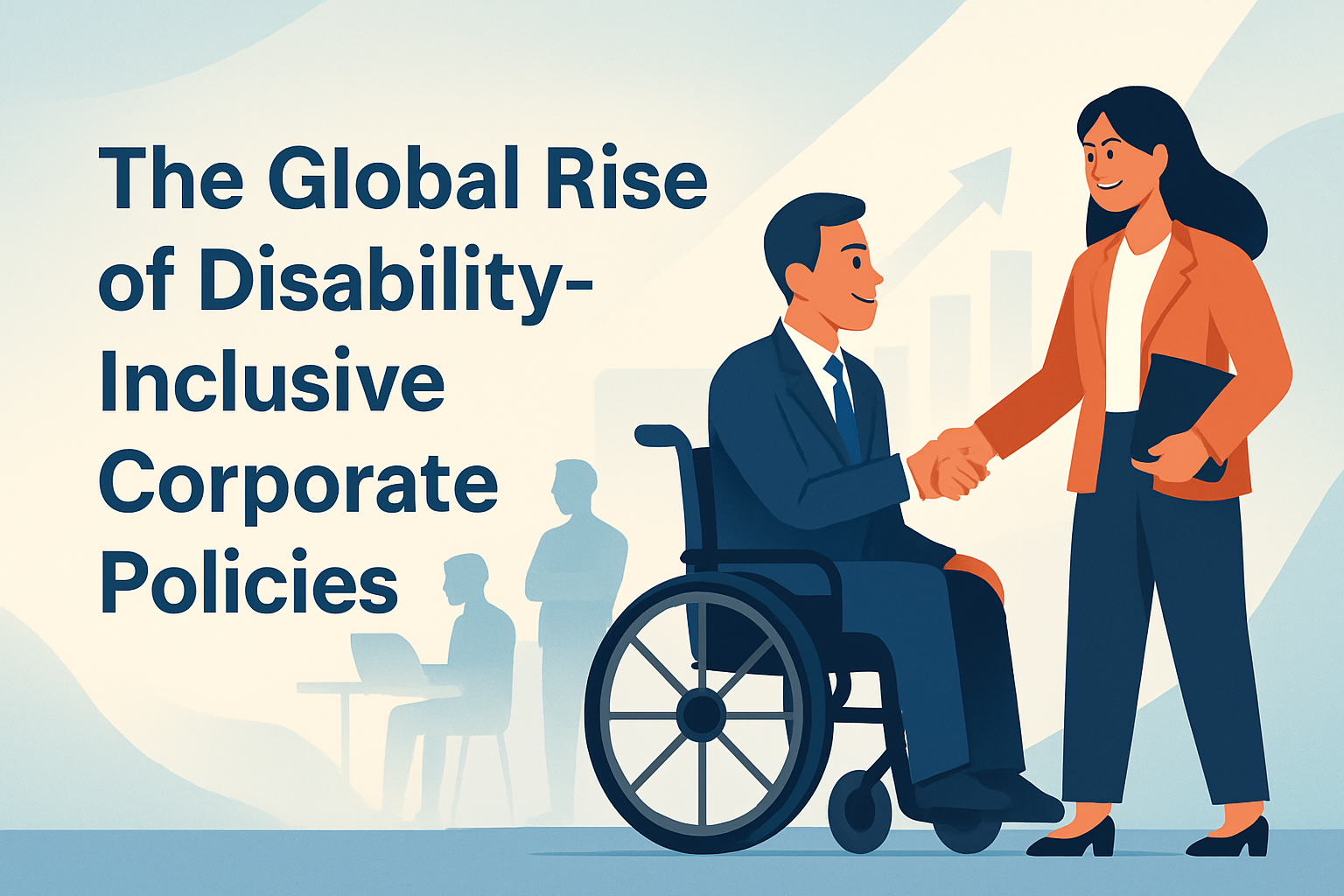
Understanding Disability-Inclusive Policies: What They Are and Why They Matter
Disability-inclusive corporate policies are frameworks and guidelines that organizations adopt to support employees with disabilities. These policies are designed to ensure that the workplace is accessible, equitable, and inclusive for all, regardless of physical or mental abilities. The importance of these policies cannot be overstated in today’s globalized world. With over one billion people, or roughly 15% of the world’s population, experiencing some form of disability, companies that implement disability-inclusive policies not only enhance their workforce diversity but also encompass a wider range of perspectives and talent.
The economic impact of disabilities is significant. According to the World Bank, excluding people with disabilities from the labor force results in a GDP loss of up to 7% in some countries. Disability inclusion can therefore play a pivotal role in driving business growth while promoting social equality. Furthermore, as consumer awareness and expectations for corporate responsibility grow, disability-inclusive policies are becoming integral to companies’ corporate social responsibility frameworks and brand reputation. By investing in accessibility and inclusion, businesses can improve employee retention, boost morale, and foster innovation, making them more competitive in the global market.
Implementation of Disability-Inclusive Policies: A Step-by-Step Guide
Creating disability-inclusive policies isn’t just about compliance with legal standards; it involves developing a comprehensive strategy with input from all stakeholders. One key aspect is the physical infrastructure of the workplace. This means ensuring that buildings are accessible, with features like ramps, elevators, and accessible restrooms. It also requires providing accommodations such as adaptive technology or flexible work arrangements for employees.
For example, Microsoft Corporation has been a leader in this area. The company provides tools like screen readers for visually impaired employees and has developed the Disability Answer Desk to offer support and solutions tailored for employees and customers with disabilities. Microsoft’s approach demonstrates how accommodating diverse needs can enhance employee performance and satisfaction.
Besides infrastructure, organizations must cultivate an inclusive culture. This involves training employees and management on disability awareness, fostering an environment where discussions on accessibility are encouraged, and ensuring that recruitment processes are free from bias. This comprehensive approach helps in integrating people with disabilities into all levels of the corporate hierarchy.
Technological Advances Supporting Disability Access in Corporates
Technology plays a crucial role in enhancing workplace accessibility and inclusion for people with disabilities. The development of assistive technologies has revolutionized the way employees with disabilities contribute in the workplace. Examples of such technologies include speech-to-text software, ergonomic keyboards, and real-time captioning services.
Google, for instance, exemplifies technological commitment to accessibility. Through initiatives like AI-powered accessibility features on Android devices, Google is helping to break down barriers that people with disabilities face in the workplace. Moreover, Google’s internal culture encourages continued innovation in creating solutions for accessibility challenges, setting a standard for other tech companies to follow.
| Technology | Description | Impact |
|---|---|---|
| Speech-to-Text Software | Converts spoken language into written text | Assists hearing-impaired employees in communication |
| Ergonomic Keyboards | Designed to reduce strain for users with physical disabilities | Enhances comfort and productivity |
| Real-time Captioning | Provide captions for live meetings and events | Improves accessibility for hearing-impaired employees |
Global Corporate Leaders in Disability Inclusion
Numerous companies across the globe have made substantial strides in their disability-inclusive policies, setting examples for others. Accenture, a leading global professional services company, has made disability inclusion a key part of its diversity strategy. Accenture’s Disability Inclusion Advantage showcases their commitment to creating an inclusive workplace that empowers employees by providing tailored support and opportunities for growth.
Another notable example is SAP, a multinational software corporation. They launched the Autism at Work program, aimed at harnessing the talents of individuals with autism. This initiative not only helps in recruiting neurodiverse individuals but also brings diverse perspectives and innovative solutions to the company.
By taking these initiatives, companies like Accenture and SAP not only comply with legal mandates but also benefit from diverse talents, thus demonstrating enhanced productive outcomes and fostering an inclusive community atmosphere.
The Benefits of Disability Inclusion for Businesses and Society
Disability-inclusive policies are not simply ethical imperatives; they represent sound business practice. Companies committed to these policies witness robust benefits, including enhanced organizational performance and a stronger bottom line. When organizations embrace diversity in all its forms, they gain a competitive advantage by widening the pool of talent and perspectives. Moreover, inclusive workplaces have higher rates of employee satisfaction and retention.
- Innovation: Diverse teams produce richer ideas and solutions, driving creativity.
- Employee Engagement: Inclusive policies lead to improved morale and lower turnover.
- Brand Reputation: Companies perceived as socially responsible attract more customers.
For society, disability inclusion fosters equity and reduces poverty among people with disabilities by opening up employment opportunities. It also raises awareness about disability rights, challenging societal stigmas and misconceptions. This leads to increased social cohesion and a more socially just world. By adopting these policies, businesses and society work hand in hand towards a more inclusive future.
Challenges and Barriers to Effective Implementation
Despite the benefits and necessity of disability-inclusive policies, various challenges hinder their implementation. One of the significant barriers is the misconception and stereotypes surrounding disabilities, which can result in biases and discrimination in the workplace. Employers may underestimate the capabilities of people with disabilities or overlook the potential costs of creating accessible environments.
The financial constraints of implementing systemic changes can also be daunting for smaller enterprises. Furthermore, the lack of awareness and understanding about disabilities among employees and management needs continued education and advocacy to facilitate effective inclusion strategies.
To overcome these barriers, concerted efforts by policy-makers, corporate leaders, and advocacy groups are necessary. Supporting watchdog organizations, facilitating open dialogues, and sharing best practices can help demystify assumptions about disability and promote a better understanding, leading to more successful and sustainable policy implementation.
Conclusion: Embracing a More Inclusive Future
Disability-inclusive corporate policies represent a significant step toward a more equitable society where all individuals, regardless of their physical or cognitive abilities, can thrive. These policies, when effectively implemented, provide substantial benefits both to organizations and the society at large. From increased productivity and innovation within companies to societal benefits of reduced discrimination and poverty, the advantages are far-reaching and impactful.
By recognizing the strengths and capabilities of people with disabilities, businesses not only fulfill their ethical duties but also gain substantial business advantages. Companies that are proactive in fostering an inclusive culture demonstrate leadership and commitment to corporate social responsibility in its truest form. Encouraging more organizations to take the leap towards inclusive policies is essential.
As a reader, consider advocating for or supporting disability inclusion initiatives in your workplace. By staying informed and pushing for change, you actively contribute to creating a more inclusive and accommodating environment. The onus is on every stakeholder—employers, employees, and society alike—to work collectively towards a future where diversity and inclusion are celebrated and embedded in corporate ethos worldwide.
Frequently Asked Questions
What are disability-inclusive corporate policies?
Disability-inclusive corporate policies are crucial frameworks used by companies to support and accommodate employees with disabilities. These policies ensure that the workplace caters to the needs of individuals with varying physical and mental abilities, fostering an environment that is not only welcoming but also equitable and inclusive. The key aspect of these policies is that they are comprehensive, addressing everything from accessibility features in the physical workplace to flexible working arrangements and anti-discrimination training. They’re not just about compliance with legal standards, but also about integrating diversity as a core value of the company, ensuring everyone has the opportunity to thrive and contribute meaningfully to the organization.
Why are disability-inclusive policies important for businesses today?
In today’s interconnected and globalized world, the importance of disability-inclusive policies extends beyond ethical considerations to significant business benefits. First and foremost, they allow businesses to tap into a vast pool of talent that might otherwise be overlooked. With over one billion people worldwide living with some form of disability, these individuals represent a significant segment of the workforce that bring a unique perspective and diverse skills to the table. Furthermore, disability-inclusive policies enhance a company’s reputation, making it more attractive to investors, customers, and potential employees who value diversity and social responsibility. These policies can also boost employee morale and productivity, as inclusive environments support all employees, fostering a workplace culture that is positive and collaborative.
How can companies implement disability-inclusive policies effectively?
Implementing effective disability-inclusive policies requires a proactive and informed approach. Companies should start with a thorough assessment of their current practices and the accessibility of their work environments. This can involve consulting with employees with disabilities to understand their needs better. Following this, businesses should create comprehensive guidelines that cover recruitment, workplace accommodations, and ongoing support. Training and educating all staff on inclusivity and disability awareness is crucial, as it helps to foster a culture of understanding and acceptance. Companies should also establish clear channels for feedback and continuous improvement of their policies. It’s important that these policies are not static; they need to evolve and adapt over time in response to changing needs and new insights.
What are some examples of disability-inclusive policies in action?
Examples of disability-inclusive policies can be found in multiple leading corporations around the world. For instance, some companies have established disability-focused Employee Resource Groups (ERGs) that provide a platform for support and advocacy within the organization. Others have embraced technology by incorporating assistive devices and software to aid employees with disabilities in their day-to-day tasks. Offering remote working options or flexible work schedules for those who may require them is another manifestation of inclusive policy-making. Additionally, many organizations have invested in building accessible physical environments, such as wheelchair-friendly offices with ramps and accessible restrooms. These activities, with regular training sessions on sensitivity and inclusion, mark the practical application of disability-inclusive policies.
What challenges might companies face when adopting these policies, and how can they overcome them?
While the benefits of disability-inclusive policies are clear, companies may face several challenges in their adoption and implementation. One significant challenge is a lack of awareness or understanding of disabilities among management and staff, which can hinder the development of effective policies. To overcome this, companies should invest in comprehensive training and education programs focused on disability awareness and inclusion. Another challenge is the perceived cost of policy implementation, such as modifying facilities or investing in new technology. However, companies can mitigate these concerns by considering disability-inclusive changes as long-term investments that enhance overall productivity and innovation. Furthermore, engaging with disability advocacy groups or conducting audits with consultants specializing in accessibility can provide valuable insights and guidance. By navigating these challenges with dedication and strategic planning, companies not only better serve their employees with disabilities but also strengthen their organizational culture overall.