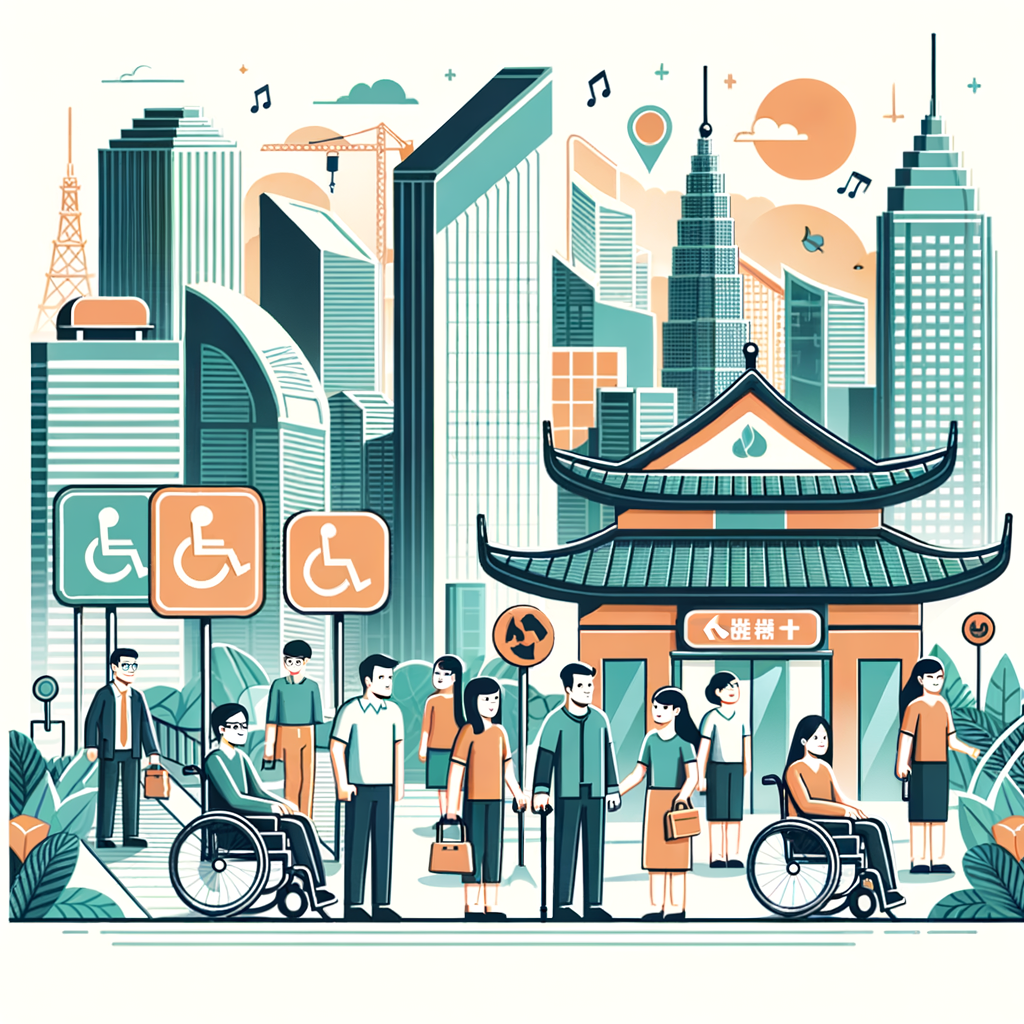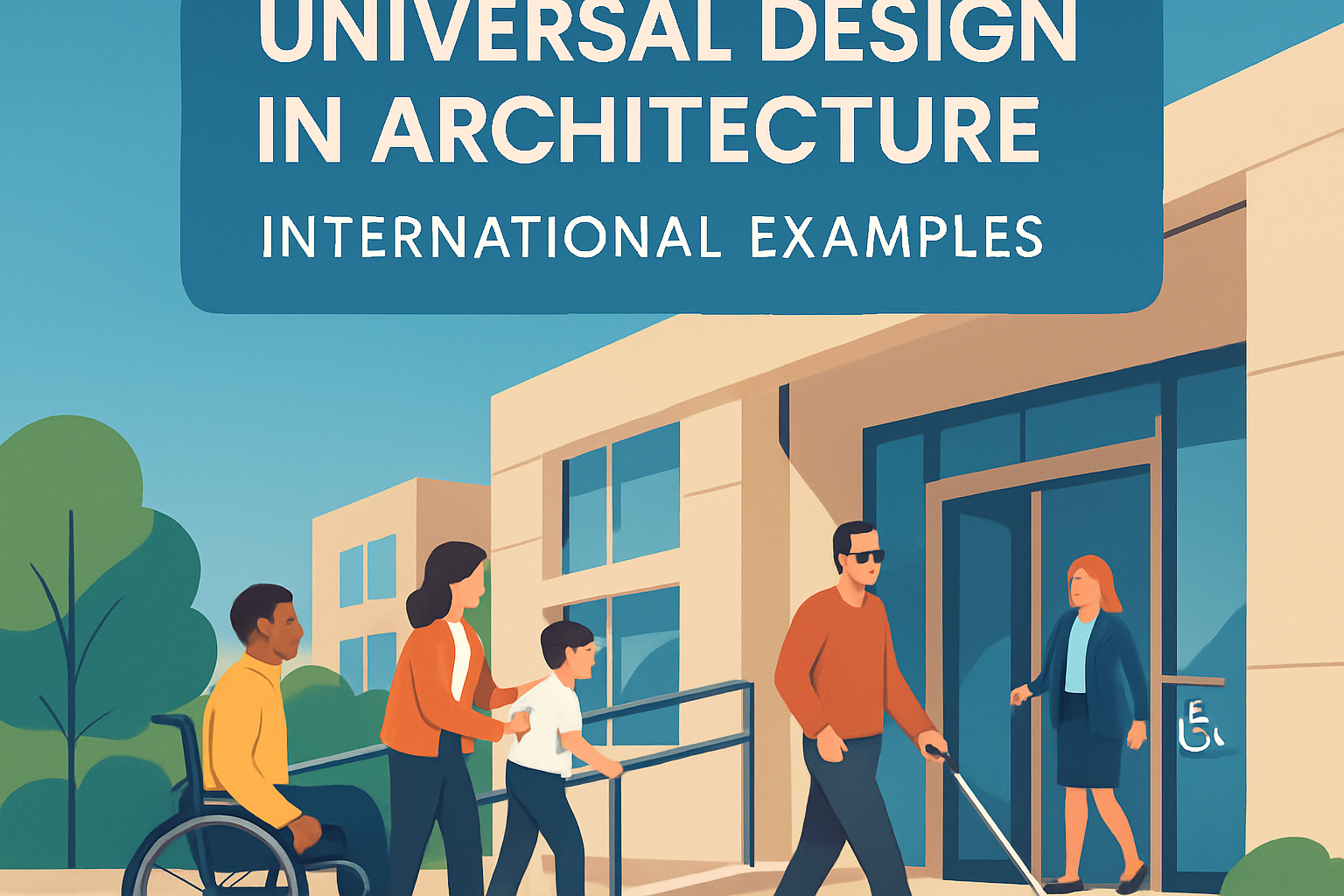
Universal design is a concept that aims to create environments that are accessible to everyone, regardless of age, ability, or circumstances. Unlike traditional design, which often caters to the average user, universal design ensures inclusivity for people with disabilities, the elderly, parents with strollers, and more. The importance of universal design in architecture cannot be overstated, as it not only protects the rights of individuals by providing equitable access but also enhances usability and comfort for all building users. This paradigm shift can remove barriers, enhance experiences, and foster a more inclusive society. As the global population becomes increasingly diverse, the relevance of universal design continues to grow, urging architects and planners to integrate these principles into their projects more effectively.
Understanding the Principles of Universal Design
Universal design in architecture is guided by seven core principles: equitable use, flexibility in use, simple and intuitive use, perceptible information, tolerance for error, low physical effort, and size and space for approach and use. These guidelines serve to inform architects on how to create buildings that are usable by the widest possible audience. A practical example of this in action is the Louvre Museum in Paris, France, which beautifully combines accessibility with aesthetics by installing clear, visible signage and tactile paths for people with visual impairments. The steps taken by the Louvre showcase an approach that not only respects but also celebrates the diversity of its visitors.
Equitable Use: Everyone is Welcome
Equitable use in architecture ensures that spaces are designed so that all users have the same means of access and usage. This principle was notably applied in the design of the Oslo Opera House in Norway, where architects designed sloping walkways throughout the structure. These ramps allow everyone, including wheelchair users, to reach every part of the building easily, celebrating both inclusivity and innovation. The Opera House, through its deliberate avoidance of segregated access points, stands as an excellent example of equitable use, inviting all visitors to engage with the space on equal terms.
Flexibility in Use: Adapting to Diverse Needs
Another vital principle of universal design is flexibility in use. This principle advocates for designs that accommodate a wide range of preferences and abilities. A notable example is the Magdas Hotel in Vienna, Austria, which offers room layouts that can be adjusted by guests according to their specific needs. The doors, switches, and furniture are all adjustable, providing a unique hospitality experience that caters to varied individual preferences. This approach allows users to have an empowered interaction with their space, which is the hallmark of universal design.
Simple and Intuitive Use: Clear and Understandable Design
Design should be simple and intuitive, enabling people of all literacy levels and language proficiencies to understand and use a space without difficulty. An illustrative example is the Guggenheim Museum in New York City. The building features a continuous ramp that ascends in a gentle spiral, making navigation intuitive and straightforward for all visitors, including those with cognitive impairments. The consequence is a seamless experience that minimizes confusion and maximizes engagement with the art exhibited.
| Principle | Example | Location |
|---|---|---|
| Equitable Use | Oslo Opera House | Norway |
| Flexibility in Use | Magdas Hotel | Austria |
| Simple and Intuitive Use | Guggenheim Museum | USA |
Perceptible Information: Communicating Effectively
Perceptible information involves using multiple modes of communication to convey critical information to users. Spaces designed with this principle ensure that essential information is easily accessible to everyone, regardless of sensory abilities. The Sydney Opera House incorporates auditory and visual signals to guide visitors, providing welcome aids to individuals who may have difficulty with standard message formats. By constructing environments with layered communicative methods, users can engage deeply and independently with their surroundings.
Tolerance for Error: Reducing Risks and Providing Easy Recovery
Designs that incorporate tolerance for error minimize hazards and adverse consequences. An example of this is found in the Ed Roberts Campus in Berkeley, California. This community center, focused on people with disabilities, features automatic door openings and visible indications of elevator locations, making missteps less likely and fostering a navigable space. By reducing the chances of mishaps and allowing users to recover from mistakes effortlessly, such designs create spaces that genuinely welcome and empower everyone.
Low Physical Effort: Less Demand, More Comfort
Design efforts should aim to minimize physical strain to accommodate a broader audience. A suitable application of this principle is in Denmark’s Køge Nord Station, which prioritizes ease of movement with extensive use of automated elements and gentle works, such as escalators and ramps. The low physical effort required for traversing the station naturally caters to people with reduced strength or stamina, further enhancing the travel experience for all commuters. This approach highlights how intentional, thoughtful design can profoundly impact everyday activities.
Size and Space for Approach and Use: Accessibility for All
Ensuring sufficient space for various movements and postures is another tenet of universal design. The Toyota Municipal Museum of Art in Japan exemplifies this, prioritizing wide corridors and ample room for maneuverability, whether for individuals using mobility aids or groups moving together. The functionality here provides easy navigation for all visitors without compromising the artwork’s exhibition or the environment’s aesthetic appeal. Such attention to spatial dynamics emphasizes the integration of beauty and utility in universal design.
Summary and Call to Action
Universal design in architecture signifies a broader societal shift towards inclusivity and accessibility. Key principles like equitable use, flexibility, simplicity, perceptible information, error tolerance, low physical effort, and adequate size and space are instrumental in creating environments that serve and empower everyone. The international examples of the Louvre Museum, Oslo Opera House, Magdas Hotel, Guggenheim Museum, Sydney Opera House, Ed Roberts Campus, Køge Nord Station, and Toyota Municipal Museum of Art demonstrate the successful implementation of these principles, offering insights and inspiration for future architectural endeavors.
For architects and planners, the challenge is to design spaces that transcend basic accessibility, embracing the diversity of human experience. By incorporating universal design principles, architecture can pave the way toward a more inclusive, cooperative, and user-centric society. As advocates of this philosophy, the next step is a collective reevaluation of ongoing projects to ensure these values are imbedded, promoting environments where diversity is not only acknowledged but celebrated. Commitment to universal design practices holds the potential to revolutionize how spaces are utilized, enhancing life quality for everyone and ensuring a shared, inclusive future.
Frequently Asked Questions
1. What is universal design, and how does it differ from traditional architectural design?
Universal design is an architectural approach that focuses on creating environments accessible to everyone, regardless of age, ability, or life circumstances. Unlike traditional design, which typically caters to an “average” user, universal design ensures that buildings and spaces are inclusive and usable by all people. This approach considers the needs of people with disabilities, the elderly, parents with strollers, and more. Universal design advocates for design solutions that remove barriers, thereby enhancing accessibility and inclusion.
Traditional design often emphasizes aesthetics and utility for the general populace, which can inadvertently result in features that are inaccessible to some. For example, traditional design might incorporate stairs as a primary feature in a building without considering alternative routes, while universal design would integrate ramps or elevators to ensure everyone has the same access to the building.
2. Can you give some international examples of buildings that have successfully implemented universal design?
Several international examples highlight the implementation of universal design in architecture. One exemplary case is the Sydney Opera House in Australia, which has undergone several modifications to improve accessibility, such as the installation of lifts and ramps, ensuring inclusivity for people of all abilities.
Another notable example is the Library of Alexandria in Egypt. This iconic building includes expansive ramps and smooth pathways, making it accessible to wheelchair users, elderly visitors, and others who may struggle with mobility.
The Ed Roberts Campus in Berkeley, California, is a purpose-built center that serves the needs of people with disabilities, featuring intuitive design elements such as wide corridors, minimal door thresholds, and tactile guiding pathways for the visually impaired.
Lastly, the Hafencity University Subway Station in Hamburg, Germany, incorporates both architectural innovation and universal design principles. It features bright, contrasting colors and clear signage to assist people with visual impairments alongside barrier-free access points.
3. What are the primary principles guiding universal design in architecture?
The principles of universal design in architecture revolve around ensuring accessibility, functionality, and inclusiveness. These principles include:
Equitable Use: The design does not prioritize one group of users over another, allowing equal access regardless of individual capabilities.
Flexibility in Use: The building should accommodate a wide range of preferences and abilities, offering choices in how space can be used or navigated.
Simple and Intuitive Use: The use of the building should be easy to understand for all users, regardless of experience, knowledge, or language skills.
Perceptible Information: Design communicates necessary information effectively to users, regardless of sensory abilities, through clear signage and auditory cues.
Tolerance for Error: The building decreases the likelihood of hazards or unintended actions that could lead to accidents.
Low Physical Effort: The design is usable comfortably and efficiently, with a minimum of fatigue, favoring lever handles over round knobs, for example.
Size and Space for Approach and Use: The appropriate size and space are provided for approach, reach, manipulation, and use regardless of body size, posture, or mobility.
4. What are the benefits of implementing universal design in public spaces?
Implementing universal design in public spaces offers a multitude of benefits that enhance the experience for all users, promoting inclusivity and accessibility. It ensures that public spaces are welcoming and usable by everyone, which is crucial in promoting social equality and diminishing discrimination against people with disabilities. This leads to a more equitable society where everyone, regardless of their abilities or life stage, can participate fully in community life.
Additionally, universal design in public spaces enhances the usability and safety of these environments. Features like tactile paving for the visually impaired, ramps, automatic doors, and other barrier-free elements help prevent accidents and improve navigation for a wide array of users, including the elderly and parents with children in strollers.
Moreover, spaces designed with universal principles tend to be more efficient in terms of functionality and flow, ultimately benefiting the entire population. By reducing the need for individual adaptations or assistance, universal design promotes autonomy and independence for users, enabling individuals to access spaces on their terms.
5. How can architects ensure that their designs adhere to universal design principles?
Architects can ensure adherence to universal design principles by integrating these principles early in the design process and continuously throughout the project’s development. It is crucial to involve diverse groups of users, including those with disabilities, in the design process. This participatory approach ensures that the final design meets the varied needs of potential users.
Education and awareness of universal design guidelines and legislative requirements can guide architects in their practice. They should study existing successful examples, engage with design experts in accessibility, and continuously seek feedback from end-users.
Moreover, adopting a holistic view that considers both the physical and social environments of a space can lead to better integration of universal design. This involves being mindful of factors affecting usability such as lighting, acoustics, navigation, wayfinding, and technology interfaces.
Architects can also leverage technology like 3D modeling to simulate user experiences, assessing how people of varying abilities would interact with the space. This approach helps refine design decisions and ensure that the architectural solutions cater to diverse needs.