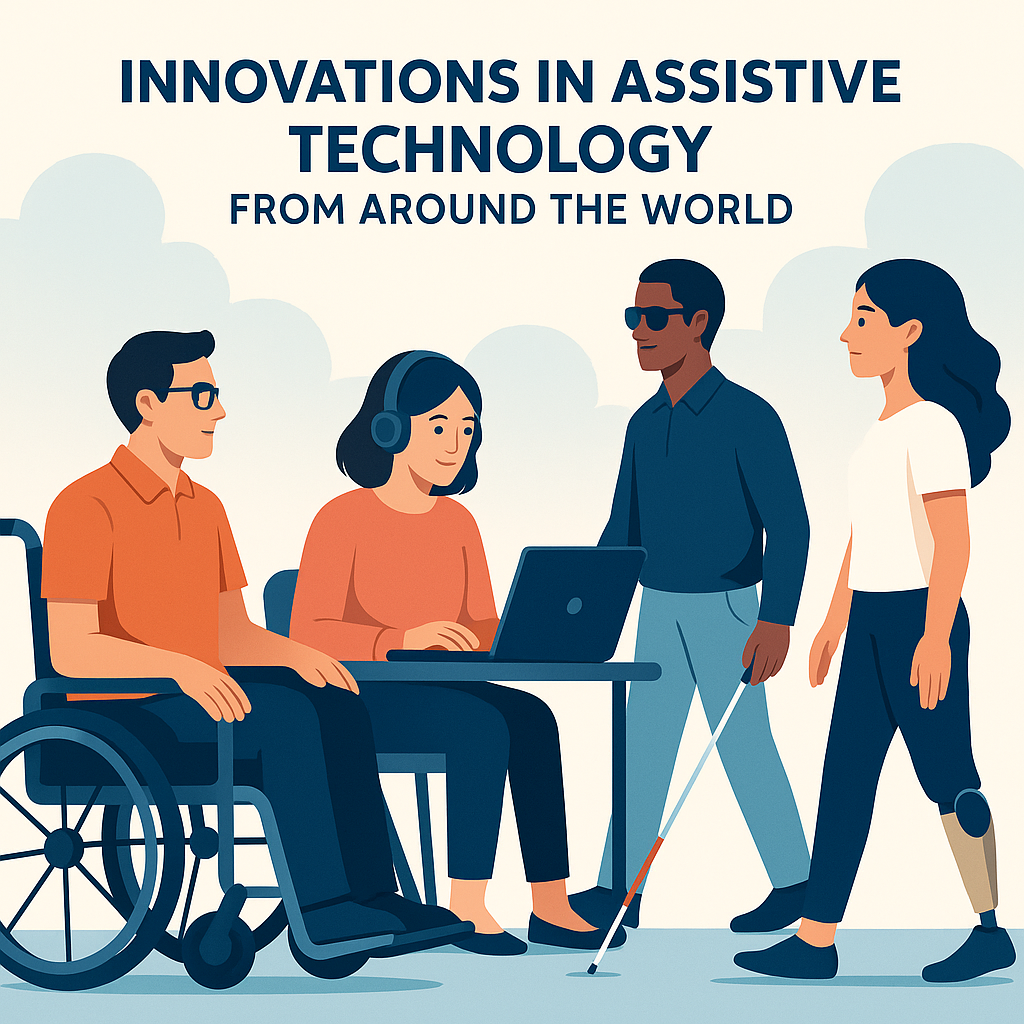
The entertainment industry is a colossal entity, captivating audiences worldwide through various mediums such as film, television, music, theater, and more. However, not everyone has equal access to these forms of entertainment. A significant portion of the population, specifically those with disabilities, often face obstacles preventing them from fully engaging in these experiences. Ensuring accessibility within the entertainment industry is not only a matter of inclusivity but also a legal requirement in many regions, including the United States. The Americans with Disabilities Act (ADA) sets standards for accessibility that the entertainment industry is mandated to follow. These standards ensure that individuals with disabilities have the same opportunities to enjoy entertainment as those without disabilities. In this article, we will delve into how the ADA impacts the entertainment sector, highlighting the importance of accessibility and providing insight into the means through which these standards are implemented and maintained.
Understanding ADA’s Influence on Entertainment
Signed into law on July 26, 1990, the Americans with Disabilities Act is a landmark civil rights legislation aimed at prohibiting discrimination based on disability. It covers various sectors, including employment, public services, transportation, and public accommodations, with Title III focusing specifically on public accommodations and commercial facilities. The entertainment industry falls within this realm, particularly those entities that offer services to the public.
The ADA mandates that entertainment venues, whether they are movie theaters, concert halls, or amusement parks, provide reasonable accommodations to ensure accessibility for all individuals. This means creating environments where people with disabilities can enjoy movies, shows, concerts, and other entertainment forms without facing barriers.
One of the primary ways the ADA influences the entertainment industry is through architectural standards. Physical accessibility is crucial and includes providing ramps and elevators for wheelchair users, installing appropriate signage with Braille, and ensuring accessible seating is available in theaters. These measures are integral to meeting the requirements outlined in the ADA Standards for Accessible Design.
The Role of Assistive Technology
Beyond architectural modifications, the ADA encourages the use of assistive technology to enhance accessibility in entertainment. For example, movie theaters are required to provide auxiliary aids and services, such as captioning and audio description devices, to accommodate individuals with hearing and vision impairments.
With advancements in technology, tools like real-time captioning, personal hearing amplifiers, and large print programs have become commonplace. These technologies are not only a necessity for compliance but also improve the overall experience for all attendees by offering multiple ways to engage with content.
Music venues, similar to theaters, often employ assistive listening devices to ensure that patrons with auditory impairments can enjoy performances. Furthermore, streaming services have also adapted to include closed captioning and audio descriptions, enabling individuals to participate in entertainment from the comfort of their own home.
Challenges and Solutions
Despite these advancements and regulations, the entertainment industry faces several challenges in implementing ADA standards. One significant challenge is the cost associated with making existing buildings and infrastructure compliant with ADA regulations. Retrofitting older structures with ramps, lifts, and compliant restrooms can be expensive, yet necessary, for inclusivity.
Innovative solutions, such as portable assistive listening systems and temporary ramps, have been developed to offer cost-effective alternatives. Companies specializing in accessibility solutions often work alongside enterprises to ensure their venues meet ADA standards without undergoing major structural renovations.
Another challenge is awareness. Many small venues, particularly independent theaters and clubs, may not be fully aware of ADA requirements. Education and outreach are vital components in spreading awareness about the need for and benefits of accessibility. Government agencies and nonprofit organizations often offer resources and training to help these venues understand their responsibilities and the best practices for compliance.
Moreover, there is an ongoing dialogue regarding digital accessibility. As more entertainment shifts to online platforms, ensuring that websites, streaming services, and digital content are accessible to individuals with disabilities has become crucial. Adhering to Web Content Accessibility Guidelines (WCAG) helps bridge this gap, ensuring online entertainment is made accessible through measures like providing transcripts for audio content and ensuring website navigability for screen readers.
Legal Implications
The ADA is enforceable by law, meaning noncompliance can result in legal action. Businesses in the entertainment sector must be aware that failing to adhere to ADA standards can lead to lawsuits and penalties, tarnishing reputations and incurring significant financial costs. Thus, understanding and implementing ADA guidelines is not just an ethical and business imperative but a legal obligation.
Several lawsuits have highlighted the importance of ADA compliance. For example, movie theaters are regularly scrutinized for their efforts to provide captioning and audio descriptions. Successful lawsuits have pushed many companies to enhance their accessibility services, setting a precedent for others in the industry.
Moreover, venues found neglectful in ADA adherence are often required to undergo renovations, provide monetary settlements, or, in some severe cases, shut down until compliance is achieved. Legal consultants who specialize in ADA compliance are increasingly sought after, providing expert guidance to help businesses navigate the complexities of ADA regulations effectively.
The Importance of Inclusivity
Beyond legal compliance, focusing on accessibility underlines a commitment to inclusivity, which benefits not only individuals with disabilities but also the entertainment industry as a whole. By opening its doors to a more diverse audience, the industry taps into a broader market, increasing its customer base and enhancing its cultural relevance.
Inclusivity in entertainment fosters a sense of community and belonging among all individuals. When venues and companies strive to provide equitable access to their services, they set a standard for others, creating a ripple effect across various sectors. This shift not only aligns organizations with modern values but also positions them as pioneers in championing social equity.
From theaters offering diverse performances with sign language interpreters to music festivals allocating sections for wheelchair users, the possibilities for inclusivity are extensive and continually evolving. As new technologies and practices emerge, the entertainment industry must remain adaptive, ensuring continual progress toward complete accessibility.
Conclusion
In conclusion, the ADA plays a vital role in shaping how the entertainment industry addresses accessibility. By mandating architectural modifications, incorporating assistive technologies, and enforcing legal standards, the ADA ensures that individuals with disabilities are not excluded from enjoying entertainment experiences. Challenges remain; however, the industry is steadily making strides toward more inclusive, accessible environments.
The path to universal accessibility requires continuous commitment from entertainment providers, education about ADA mandates, and ongoing collaboration with advocates and experts who understand the nuances of accessibility. Emphasizing inclusivity not only fulfills legal and ethical responsibilities but enriches the cultural landscape by ensuring everyone can partake in entertainment’s transformative power.
As society progresses, so too should the mechanisms that promote equal access. The commitment to accessibility within the entertainment industry is an ongoing journey, one that should be championed by all players involved. By following ADA standards and focusing on inclusive practices, we create a world where entertainment is truly for everyone, reflecting a diverse, inclusive future.