In today’s world, health, fitness, and wellness have become essential components of our daily lives. Achieving and maintaining a healthy lifestyle is no longer a luxury but a necessity. However, for individuals with disabilities, accessibility to fitness and wellness centers can be challenging. Enter the Americans with Disabilities Act (ADA), a crucial piece of legislation passed in 1990 that seeks to ensure equal access and accommodations for individuals with disabilities across various public spaces, including fitness and wellness centers.
The ADA’s impact on inclusive design and accessibility has been incredibly significant, reshaping environments to be more accommodating for all members of society. Whether you’re a facility owner, a staff member, or an individual with disabilities seeking to engage in fitness activities, understanding the rights and protections provided under the ADA is indispensable. This article will guide you through the essentials of ADA rights in fitness and wellness centers, providing insights on how to navigate this complex but crucial landscape.
When it comes to fitness and wellness, everyone deserves an equal opportunity to pursue their health goals. This belief forms the bedrock of the ADA, advocating for an inclusive society where physical barriers and discriminatory practices do not impede one’s path to wellness. So, let’s dive into the multifaceted world of ADA rights within fitness and wellness centers and discover how these regulations benefit everyone involved.
The Scope of the ADA for Fitness Centers
The Americans with Disabilities Act (ADA) is a civil rights law that prohibits discrimination against individuals with disabilities in all areas of public life, including fitness and wellness centers. The ADA is divided into five titles, each covering different aspects of public life, with Title III being the most relevant to fitness centers. Title III specifically addresses public accommodations and services operated by private entities, ensuring that places like gyms, yoga studios, and wellness centers are accessible to those with disabilities.
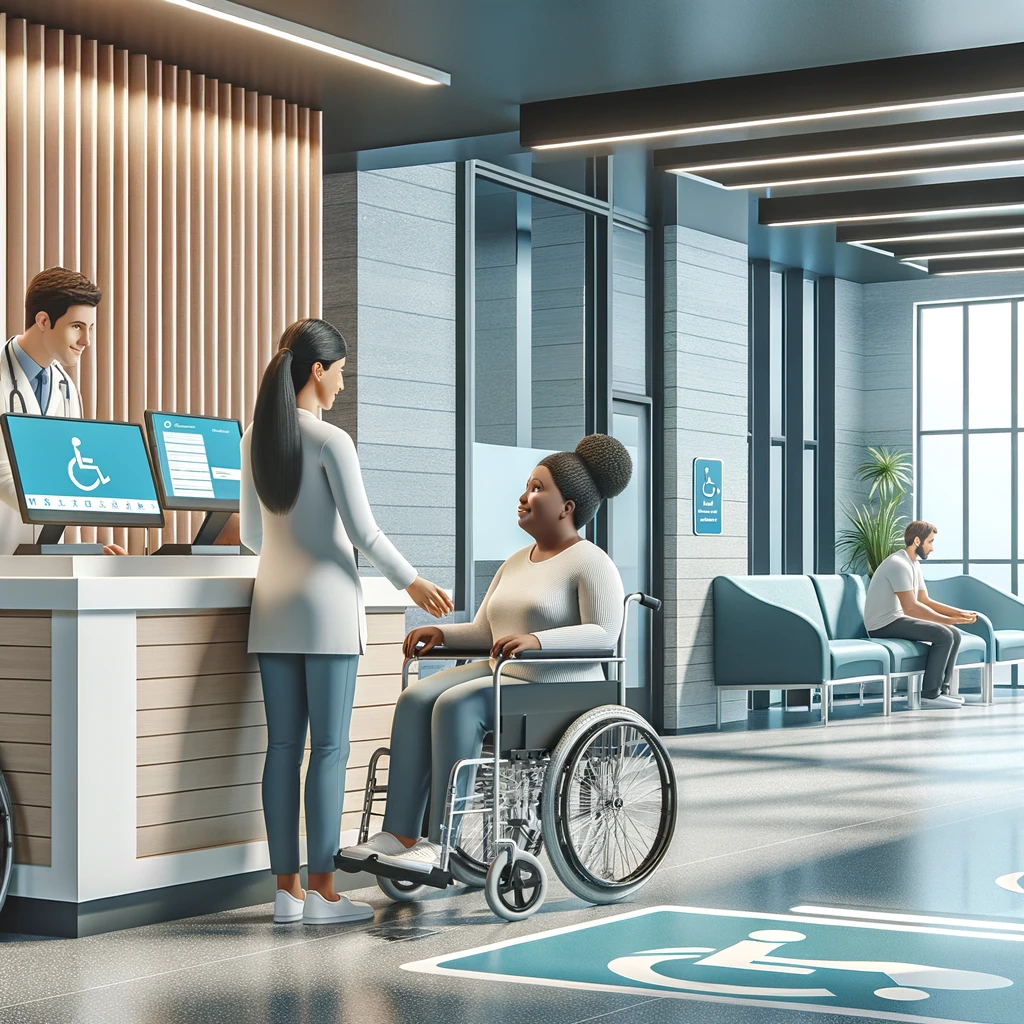
But what does this mean in practice? Fitness and wellness centers must comply with ADA guidelines to create an environment that is welcoming and accessible. This doesn’t just involve physical modifications but also encompasses policies, practices, and procedures. For example, gyms must provide accessible entryways, locker rooms, and workout equipment that can be used by individuals with mobility challenges. They are also required to offer reasonable accommodations, such as allowing personal assistants or providing alternative communication methods for those with hearing or visual impairments.
The ADA also extends to programmatic aspects of fitness centers. This means that fitness programs, classes, and activities should be inclusive and accessible. Staff training is paramount to ensure that employees are not only aware of ADA requirements but also equipped to assist individuals with disabilities effectively. This holistic approach ensures that inclusivity is not just a checkbox but a fundamental practice embedded within the fitness and wellness culture.
Practical Steps for Making Fitness Centers ADA Compliant
Achieving ADA compliance may seem daunting, but with the right approach, fitness and wellness centers can create an inclusive environment for all. Here are practical steps to ensure ADA compliance:
- Conduct Accessibility Audits: Regularly assess your facility for compliance with ADA guidelines. This includes checking for accessible entryways, ramps, bathrooms, and workout equipment.
- Staff Training: Ensure that all staff members understand ADA requirements and are trained to assist individuals with disabilities. This includes sensitivity training and practical skills for providing assistance.
- Adaptive Equipment: Invest in adaptive fitness equipment that can be used by individuals with varying abilities. For example, consider hand cycles, seated ellipticals, and weight machines that are accessible from wheelchairs.
- Program Inclusivity: Adapt fitness classes and programs to be inclusive. This may involve offering modified exercises or alternative formats that can accommodate different abilities.
- Feedback Mechanisms: Create channels for feedback from members with disabilities. This allows for continuous improvement and ensures that their needs are being met effectively.
By implementing these steps, fitness and wellness centers can make significant strides toward creating a more inclusive environment. ADA compliance not only benefits individuals with disabilities but also enriches the fitness community as a whole.

The Role of Technology in ADA Compliance
Technology plays a pivotal role in ensuring that fitness centers are accessible and compliant with ADA guidelines. Innovations in fitness equipment, mobile apps, and virtual classes have opened new avenues for inclusivity. Here’s how technology can aid in ADA compliance:
- Accessible Fitness Equipment: Modern fitness equipment now comes with features like adjustable settings, voice controls, and digital displays that cater to users with disabilities. Companies are continuously innovating to create machines that can accommodate users with varying physical abilities.
- Mobile Apps and Online Platforms: Fitness apps and online platforms can offer adaptive workout plans, video instructions, and virtual classes tailored to individuals with disabilities. These platforms can also provide accessible features like text-to-speech or adjustable font sizes to enhance user experience.
- Virtual Reality (VR) Workouts: VR technology offers immersive fitness experiences that can be adapted to suit users’ abilities. VR workouts can simulate different environments and activities, providing an engaging and accessible way to exercise.
- Wearable Technology: Wearable devices like fitness trackers and smartwatches can provide real-time feedback and customizable workout options. These devices can be particularly useful for monitoring health metrics and progress.
By leveraging technology, fitness and wellness centers can enhance accessibility and create a more inclusive environment for all members.
Legal Obligations and Best Practices
Compliance with the ADA is not just a legal requirement but also a best practice that benefits everyone involved. Here are some key legal obligations and best practices for fitness and wellness centers:
- Ensure Physical Accessibility: Facilities must have accessible entryways, ramps, and bathrooms. This includes providing elevators and appropriate signage for easier navigation.
- Reasonable Accommodations: Offer reasonable accommodations for individuals with disabilities, such as allowing personal assistants, providing sign language interpreters, or offering alternative communication methods.
- No Discriminatory Practices: Ensure that policies and practices do not discriminate against individuals with disabilities. This includes membership policies, fee structures, and service availability.
- Accessibility in Communication: Make sure that all communications, including marketing materials, websites, and social media, are accessible. This includes providing captions for videos and ensuring that websites are compatible with screen readers.
- Continuous Improvement: Regularly review and update your compliance practices to adapt to new regulations and technological advancements. Engage with the disability community to gather feedback and make necessary improvements.
Adhering to these legal obligations and best practices helps create a more inclusive and welcoming environment, ensuring compliance with ADA regulations and promoting a positive experience for all members.
Conclusion
Incorporating ADA standards into fitness and wellness centers is not merely about abiding by the law; it’s about fostering an inclusive environment that welcomes everyone, regardless of their physical capabilities. By understanding the scope and requirements of the ADA, taking practical steps for compliance, leveraging technology, and adhering to legal obligations and best practices, fitness centers can create accessible spaces where everyone can thrive.
As our society continues to make strides toward inclusivity, it’s vital for fitness and wellness centers to be at the forefront of this movement. By embracing ADA guidelines, these centers can become community leaders in promoting health and wellness for all individuals, regardless of their abilities. Creating an environment that supports diverse needs not only enhances the overall experience but also reflects a commitment to equality and respect.
Ultimately, the journey toward full ADA compliance is ongoing, requiring constant effort and dedication. By continuously evolving and adapting to meet the needs of all members, fitness and wellness centers can achieve a truly inclusive atmosphere where everyone has the opportunity to pursue their health goals. Together, we can make fitness and wellness a welcoming and accessible pursuit for all.
Frequently Asked Questions
1. What is the Americans with Disabilities Act (ADA) and how does it apply to fitness and wellness centers?
The Americans with Disabilities Act (ADA) is a landmark civil rights law that was enacted in 1990 to eliminate discrimination against individuals with disabilities. The ADA covers several areas, ensuring that people with disabilities have equal rights and access to public spaces, including fitness and wellness centers. For these facilities, this means they must be readily accessible to and usable by individuals with disabilities. This might include providing ramp access, accessible exercise equipment, adequate space between machines, and having trained staff to assist when necessary. Compliance with the ADA is not just a legal obligation but also promotes an inclusive environment where everyone has the opportunity to work towards their health and fitness goals.
2. What types of accessibility features should I expect at an ADA-compliant fitness center?
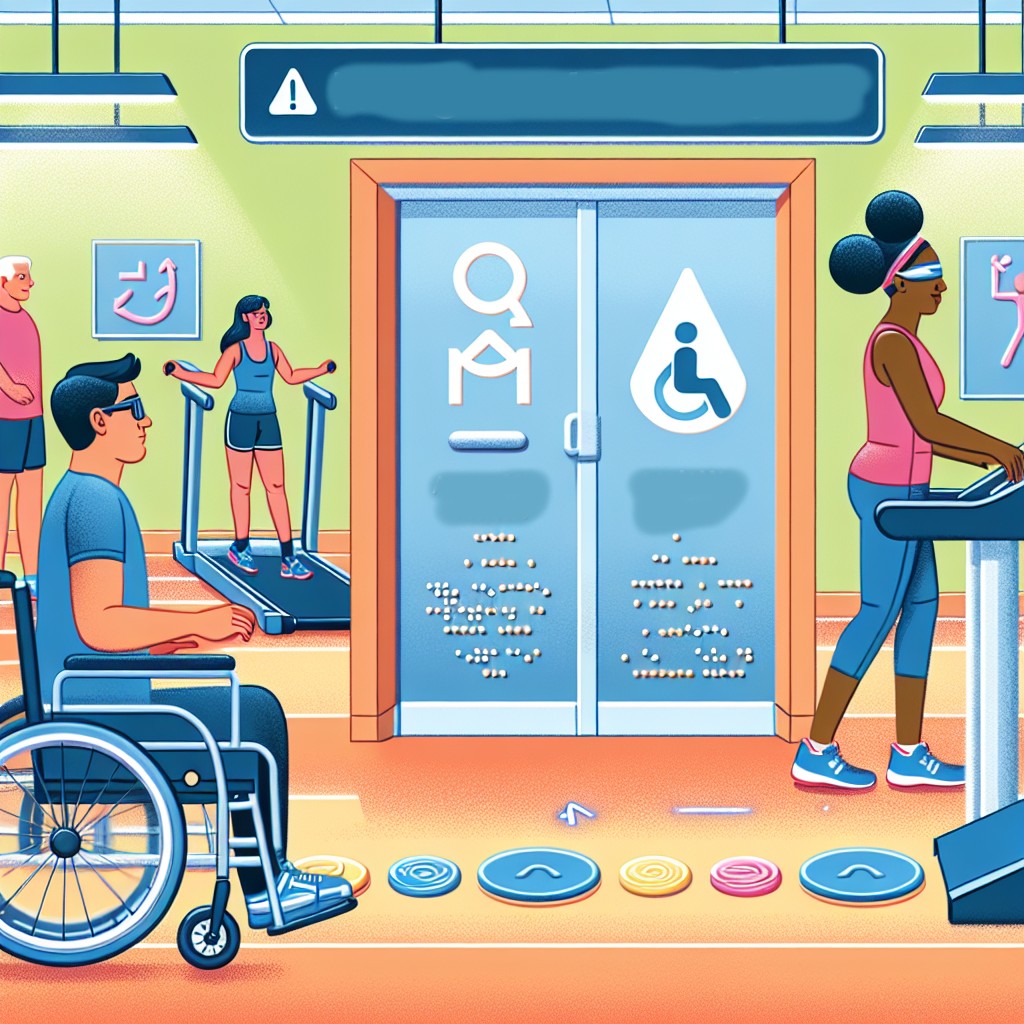
At an ADA-compliant fitness center, you should expect a range of accessibility features that cater to individuals with various disabilities. Firstly, easy access into and around the facility, such as ramps, elevators, and automatic doors, is crucial. Inside the center, equipment should be spaced out appropriately to allow wheelchair access and have some machines that are specifically designed or adapted for use by individuals who use mobility devices. Additionally, locker rooms and restrooms should be universally accessible, with features like grab bars and shower benches. Furthermore, staff should be trained to assist patrons with disabilities and provide them with information and support they may need to safely and effectively use the facilities.
3. Are fitness centers required to provide specific equipment for individuals with disabilities?
While the ADA requires fitness centers to be accessible, it does not specifically mandate that particular equipment be available; however, it does encourage providing options that accommodate varying abilities. Fitness centers are encouraged to modify or adapt existing equipment when possible and provide accessible exercise options wherever feasible. This might include adaptive cardio machines, weight machines with transfer seats, and equipment designed for individuals with limited mobility or vision impairments. Moreover, staff training in how to assist patrons with disabilities in using equipment safely is a vital part of creating an accommodating environment.
4. What should I do if I experience accessibility issues at a fitness center?
If you encounter any accessibility issues at a fitness and wellness center, the first step is to bring the matter to the attention of the management. They may not be aware of the issue and are often willing to make accommodations to improve accessibility. Document any interactions and keep records of correspondence as this could be helpful if further action is necessary. If the fitness center does not address your concerns, you can file a complaint with the Department of Justice (DOJ) or another enforcing agency that handles ADA violations. It can be helpful to consult with an accessibility advocate or legal expert to guide you through this process and ensure your rights are protected.
5. How can fitness centers improve accessibility for patrons with disabilities?
Fitness centers can enhance accessibility using a multi-faceted approach. Start by conducting an accessibility audit to identify barriers people with disabilities might face and determine the changes needed to comply with ADA standards. Investing in adaptive equipment and technology is crucial and can provide more options for individuals with disabilities to engage in physical activities. Training staff to offer assistance and create inclusive fitness programs is equally important. Additionally, having clear signage and wayfinding assistance can help those with sensory impairments navigate the facility. Consistently seeking feedback from clients with disabilities will help centers continually improve their accessibility and inclusivity.