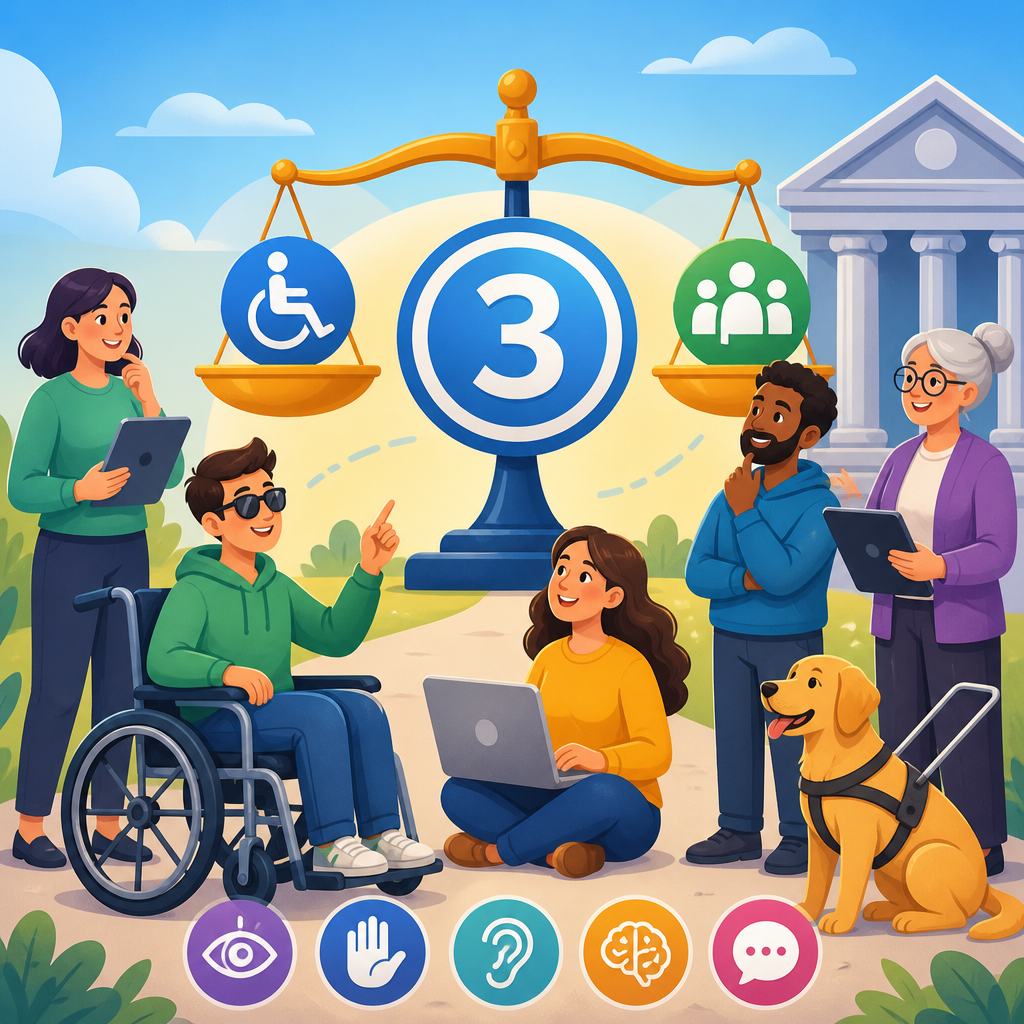
Will WCAG 3 change legal accessibility expectations? The short answer is yes, but not in the abrupt way many organizations fear. WCAG 3 is the World Wide Web Consortium’s emerging accessibility framework intended to replace WCAG 2.2 over time, and its biggest significance is not immediate legal force. Its importance lies in how it may reshape what regulators, courts, procurement teams, and product leaders consider reasonable digital accessibility. I have worked with teams through accessibility audits, remediation plans, and policy reviews, and the pattern is consistent: legal risk rarely turns on a single checklist item alone. It turns on whether an organization can show a credible, repeatable effort to make websites, apps, documents, and digital services usable by people with disabilities.
To understand why this matters, define the core terms. WCAG stands for Web Content Accessibility Guidelines, the technical standard most often referenced in settlements, contracts, and internal policies. Legal accessibility expectations are the practical duties imposed by disability laws, enforcement actions, and case law. In the United States, those expectations usually arise under the Americans with Disabilities Act, Section 504, Section 508, state laws, and structured settlement agreements. In Europe, the European Accessibility Act, EN 301 549, and public sector requirements shape the picture. Around the world, procurement rules often matter as much as statutes because they force vendors to prove accessibility before a sale can close.
WCAG 2.x has dominated that landscape for years because it provides testable success criteria organized under principles that content must be perceivable, operable, understandable, and robust. WCAG 3 keeps those foundations but introduces a broader model aimed at outcomes, scoring, and coverage that better reflects modern interfaces, cognitive accessibility, and evolving assistive technology patterns. For a hub page on the future of technology and accessibility, that shift is central. It affects software design, AI interfaces, immersive environments, procurement language, governance programs, training, and the evidence organizations use to defend their accessibility posture. The future is not simply stricter standards. It is a more mature expectation that accessibility be managed continuously across the product lifecycle.
That is why leaders are asking the same questions now: Will WCAG 3 become law? Will judges cite it? Should teams stop using WCAG 2.2? What happens to accessibility statements, VPATs, audits, and roadmaps? The practical answer is that WCAG 3 changes expectations first through influence, then through contracts, agency guidance, and eventually formal adoption in some contexts. Organizations that treat accessibility as an annual compliance event will struggle. Organizations that build durable processes around user testing, design systems, content standards, and defect management will adapt far more easily.
What WCAG 3 is and how it differs from WCAG 2.x
WCAG 3 is being developed to address limitations in the current model. WCAG 2.x works well for many web and app issues, but it can be rigid, binary, and difficult to apply to emerging technology. In practice, I have seen teams pass many success criteria while still delivering frustrating experiences for screen reader users, keyboard users, users with low vision, and people with cognitive disabilities. WCAG 3 tries to correct that by focusing more directly on user outcomes, clearer functional goals, and methods that can evolve without rewriting the entire standard.
The most important legal implication is conceptual. WCAG 2.x often gets treated as a checkbox list: either a criterion passes or fails. WCAG 3 points toward a more nuanced assessment model. That does not mean lower expectations. It means higher expectations for judgment, documentation, and user-centered evidence. A company may need to show not only that code meets technical rules, but that a task such as checkout, appointment scheduling, identity verification, or telehealth intake is actually usable by disabled people under realistic conditions.
WCAG 3 also expands the conversation beyond conventional web pages. Accessibility now touches design tokens, component libraries, native apps, streaming media, kiosks, PDFs, collaboration tools, voice interfaces, and AI-powered experiences. As digital ecosystems grow, a narrow page-level audit is less persuasive than a systems-level program. That is one reason procurement teams increasingly ask for accessibility conformance reports, issue management workflows, and product accessibility roadmaps rather than a simple statement of compliance.
Will WCAG 3 become a legal standard soon?
Not quickly, and not everywhere at once. Standards do not become enforceable simply because the W3C publishes them. Laws and regulations must adopt or reference them, agencies must interpret them, or courts must use them as persuasive authority. Today, WCAG 2.1 and WCAG 2.2 remain the practical benchmarks in most legal and contractual settings. The U.S. Department of Justice’s rule for Title II entities references WCAG 2.1 Level AA. Federal procurement still relies heavily on Section 508 and related technical mappings. European frameworks continue to point to recognized harmonized standards that currently align with WCAG 2.x.
However, legal expectations evolve before text changes. I have seen this repeatedly in accessibility programs. First, advocacy groups and experts discuss a new standard. Next, enterprise customers insert forward-looking language into contracts. Then platform owners and large institutions update design system requirements and vendor questionnaires. Only later do formal regulations catch up. WCAG 3 is likely to follow that path. Its immediate impact will be strongest in policy development, internal governance, and product strategy, especially at organizations already investing in accessibility maturity.
| Area | Current expectation | Likely effect of WCAG 3 |
|---|---|---|
| Regulations | Mostly reference WCAG 2.1 or 2.2 | Slow adoption after guidance, mapping, and public comment |
| Litigation | Courts often use WCAG 2.x as a practical benchmark | WCAG 3 may become persuasive where usability evidence is central |
| Procurement | VPATs and conformance reports based on current standards | Buyers may request future-readiness and broader testing evidence |
| Product teams | Checklist-driven audits and remediations | Greater focus on outcomes, user testing, and continuous governance |
The key point is that legal exposure can increase even before formal adoption if your organization looks out of step with accepted industry practice. If peer institutions are testing critical user journeys with assistive technology and your team is relying only on automated scans, that gap matters. Automated tools such as axe DevTools, WAVE, Lighthouse, and Accessibility Insights are valuable, but they do not replace manual keyboard testing, screen reader checks with NVDA, JAWS, or VoiceOver, color contrast review, caption quality review, or cognitive friction analysis. WCAG 3 reinforces that broader view.
How courts, regulators, and contracts are likely to use WCAG 3
Courts generally want a practical yardstick. They do not engineer software; they evaluate whether disabled users had meaningful access and whether the defendant took reasonable steps to provide it. That is why WCAG has been so influential even where not explicitly codified. It offers a recognized benchmark. WCAG 3 may deepen this trend by giving plaintiffs, defendants, experts, and regulators a vocabulary for discussing actual user outcomes instead of only atomic defects. In a dispute over an inaccessible online application, for example, the decisive evidence may be whether a blind user could complete the process independently, not merely whether alt text was present in isolated screens.
Regulators are also increasingly focused on durable accessibility programs. In settlement work, common requirements include appointing an accessibility coordinator, training staff, adopting a policy, auditing regularly, prioritizing barriers, and creating a feedback mechanism. Those measures align naturally with the direction of WCAG 3. The legal standard remains the law itself, but the expected proof of compliance becomes more operational. A mature organization can show issue backlogs, severity ratings, remediation timelines, test scripts, user research findings, and executive oversight.
Contracts may move fastest. Enterprise procurement teams already ask vendors for VPATs based on the Voluntary Product Accessibility Template, accessibility statements, known exceptions, and remediation commitments. As the future of technology and accessibility unfolds, buyers will likely ask tougher questions: How does your AI chatbot handle screen readers? Can your mobile app complete biometric login accessibly? Are immersive training modules compatible with captions, transcripts, and motion sensitivity settings? WCAG 3 gives buyers a rationale to demand answers tied to user outcomes, not just code assertions.
The future of technology and accessibility extends beyond websites
This hub topic matters because digital accessibility is no longer confined to public web pages. The future of technology and accessibility includes mobile ecosystems, software-as-a-service platforms, digital documents, self-service kiosks, video conferencing, wearable devices, virtual and augmented reality, and AI-generated interfaces. Each area raises usability questions that a traditional web checklist does not fully capture. WCAG 3 is important precisely because it acknowledges this complexity.
Take mobile apps. A banking app may technically label controls correctly yet still fail users if focus order breaks during account verification, dynamic text truncates key instructions, or biometric fallback options are hidden. Consider digital documents. A PDF may contain tagged headings but remain unusable if reading order is wrong, tables are untagged, or form fields are unlabeled. In video platforms, auto-generated captions may meet a basic presence requirement while still misrepresenting technical vocabulary or speaker attribution. In these cases, legal expectations increasingly follow real usability, especially where essential services are involved.
AI adds another layer. Generative interfaces can create accessibility gains, such as summarization, live transcription, and easier authoring support. They can also create risk by generating unlabeled images, inconsistent component patterns, inaccessible CAPTCHA alternatives, or conversational flows that trap keyboard users. From my experience reviewing AI-heavy products, the core discipline does not change: accessible inputs, accessible outputs, predictable interaction patterns, and human review. WCAG 3 will not solve AI risk on its own, but it will strengthen the expectation that accessibility be evaluated in context, not assumed because a vendor markets a tool as intelligent.
What organizations should do now instead of waiting
The smartest response is not to pause until WCAG 3 is final. Continue aligning with WCAG 2.2 where applicable, because that remains the clearest benchmark today. At the same time, build the capabilities that WCAG 3 will reward: cross-functional governance, accessible design systems, manual testing, disabled user research, and prioritized remediation based on task completion. In practical terms, start with high-impact journeys such as login, search, navigation, forms, checkout, booking, support, and document download. If users cannot complete those tasks, legal arguments about technical edge cases will not help much.
Next, strengthen evidence. Keep audit reports, defect logs, testing notes, and decision records. Train designers on semantic structure, contrast, focus visibility, and error prevention. Train developers on ARIA usage, keyboard interaction models, native control preference, and screen reader behavior. Train content teams on plain language, heading hierarchy, link purpose, alternative text, and caption review. Build accessibility acceptance criteria into user stories and definition-of-done checklists. None of this is theoretical. These are the controls that make accessibility sustainable when teams ship weekly.
Also review procurement and vendor management. Require accessibility conformance reports, but do not stop there. Ask vendors what assistive technologies they test with, how often they retest, how they handle regressions, and whether they include disabled users in research. For internal programs, connect accessibility to security, privacy, and quality assurance governance. That positioning helps executives understand that accessibility is an operational discipline, not a side project. Organizations that act now will be prepared whether WCAG 3 is adopted quickly, slowly, or unevenly across jurisdictions.
Conclusion
WCAG 3 is unlikely to rewrite legal accessibility obligations overnight, but it will change what competent accessibility practice looks like. The direction is clear: less reliance on static checkbox compliance, more emphasis on user outcomes, broader technology coverage, stronger governance, and better evidence. Laws may continue to reference WCAG 2.1 or 2.2 for years, yet courts, regulators, customers, and procurement teams will increasingly expect organizations to demonstrate that disabled users can actually complete important tasks.
For leaders focused on the future of technology and accessibility, that is the central takeaway. Legal risk management and inclusive product design are converging. The companies that adapt will not be the ones waiting for a final rule to tell them what to do. They will be the ones improving design systems, testing real workflows, documenting decisions, and treating accessibility as part of product excellence. That approach reduces risk, strengthens user trust, and creates better digital services for everyone.
If you manage digital products, policies, or procurement, use this moment to review your accessibility program. Keep meeting current standards, but start building toward outcome-based accessibility now. That is the most reliable way to prepare for WCAG 3 and for the next generation of legal expectations.
Frequently Asked Questions
Will WCAG 3 immediately become the new legal standard for digital accessibility?
No. WCAG 3 is not expected to instantly replace current legal expectations the moment it is published, and that is one of the most important points organizations need to understand. Most accessibility laws, regulations, settlement agreements, and procurement requirements today still point to WCAG 2.x, often WCAG 2.1 Level AA or WCAG 2.2 Level AA, as the practical benchmark for conformance. WCAG 3 is being developed as a broader, more flexible framework, but legal systems typically move much more slowly than technical guidance. Courts, regulators, and public agencies usually rely on standards that are stable, widely adopted, and easy to reference in contracts and enforcement actions. Because of that, WCAG 3 is more likely to influence legal expectations gradually rather than through a sudden reset.
In practice, the first impact of WCAG 3 will probably be indirect. It may shape how accessibility experts talk about usability barriers, how enterprise buyers evaluate vendors, and how organizations define “reasonable accessibility” beyond checklist compliance. Over time, if regulators begin citing its principles, if industry standards incorporate it, or if procurement language evolves to reflect it, then its legal significance will grow. But organizations should not assume they can stop following WCAG 2.2 because WCAG 3 exists. The safer and more realistic approach is to continue meeting current enforceable expectations while watching WCAG 3 for where accessibility policy and risk management are headed next.
If WCAG 3 is not immediately enforceable, why should organizations pay attention to it now?
Organizations should pay attention to WCAG 3 now because it signals where accessibility expectations are likely to evolve, especially around outcomes, usability, and broader user experience quality. WCAG 2.x has been extremely valuable, but many teams have learned that technical conformance alone does not always produce an experience that feels genuinely accessible for real users. WCAG 3 is significant because it attempts to address that gap. It points toward a future where accessibility is judged not only by whether specific success criteria are passed, but also by whether people with disabilities can effectively complete tasks, understand content, and use products with consistency and confidence.
That matters long before any law formally adopts WCAG 3. Procurement teams may begin asking vendors how they are preparing for more outcome-oriented accessibility expectations. Product leaders may use WCAG 3 concepts to improve design systems, testing workflows, and governance practices. Regulators and plaintiffs’ experts may also become more attentive to barriers that are technically arguable under WCAG 2.x but clearly harmful in real-world use. In other words, WCAG 3 can change the standard of care before it changes the letter of the law. Organizations that start learning from it now will be better positioned to reduce risk, improve user experience, and avoid scrambling later when market expectations catch up.
How could WCAG 3 influence courts, regulators, and enforcement even before laws are updated?
WCAG 3 could influence legal and regulatory thinking by reshaping the conversation around what “accessible” should reasonably mean in practice. Courts and regulators often look beyond formal citations when evaluating whether an organization took accessibility seriously, followed recognized guidance, and made good-faith efforts to remove barriers. If WCAG 3 becomes widely recognized as the next-generation framework from the World Wide Web Consortium, it may start informing expert testimony, compliance recommendations, remediation strategies, and policy discussions even before it is directly written into law.
For example, a regulator may still enforce against a WCAG 2.1 or 2.2 benchmark while also expecting an organization to show mature testing practices, user-centered design decisions, and evidence that accessibility was integrated into development rather than treated as a one-time audit. Likewise, in disputes, plaintiffs may argue that known usability failures should have been addressed because the industry increasingly recognizes broader accessibility obligations than a strict checklist suggests. That does not mean WCAG 3 automatically creates new legal duties overnight. It means it can help define what counts as reasonable diligence, modern accessibility maturity, and credible remediation. Organizations that understand this dynamic are usually better prepared for both compliance reviews and litigation risk because they are not relying on the narrowest possible interpretation of accessibility.
Should businesses continue prioritizing WCAG 2.2 compliance while WCAG 3 is still developing?
Yes. For most businesses, the right move is to treat WCAG 2.2 as the current operational baseline while using WCAG 3 as a strategic lens for future improvement. WCAG 2.2 remains the more actionable reference point for audits, remediation plans, design reviews, procurement requirements, and accessibility statements because it is concrete, familiar, and much more likely to align with present-day legal and contractual expectations. If an organization has unresolved issues under WCAG 2.2, shifting attention too quickly to WCAG 3 would usually be a mistake. It can create confusion, dilute resources, and leave clear existing barriers unaddressed.
At the same time, businesses should not ignore the direction WCAG 3 is pointing. The strongest accessibility programs are already moving beyond simple pass-fail testing. They are adding assistive technology testing, involving disabled users in research, evaluating critical user journeys, strengthening content governance, and measuring whether accessibility holds up over time. That is where WCAG 3 becomes useful today. It helps leadership think more holistically about accessibility as a quality, risk, and trust issue rather than only a compliance checkbox. So the balanced answer is this: keep delivering against WCAG 2.2, but build internal capabilities that reflect the broader expectations WCAG 3 is likely to normalize.
What should organizations do now to prepare for changing legal accessibility expectations around WCAG 3?
Organizations should focus on preparedness, not panic. The most effective first step is to make sure current accessibility efforts are credible under today’s standards. That means understanding which laws, contracts, and sector-specific rules apply; auditing websites, apps, and documents against WCAG 2.2 or the applicable version; prioritizing high-impact barriers; and documenting remediation progress. From there, teams should mature their accessibility practice in ways that align with the direction of WCAG 3. That includes testing real user tasks, improving design and content consistency, integrating accessibility into procurement and product development, and establishing governance so accessibility does not depend on individual champions alone.
It is also wise to educate leadership on the difference between legal citation and practical expectation. Even before WCAG 3 becomes a formal enforcement reference, stakeholders may increasingly expect evidence that an organization understands modern accessibility risks and is investing in continuous improvement. Businesses should monitor updates from the W3C, watch for changes in public-sector procurement language, review how industry peers are responding, and work with experienced accessibility counsel or consultants when legal exposure is significant. The goal is not to predict an exact date when WCAG 3 changes everything. The goal is to avoid being caught flat-footed as accessibility expectations become more outcome-focused, more user-centered, and more closely tied to organizational accountability.