In the modern world, technology shapes how we live, work, and connect. It has transformed industries and daily life, offering unprecedented convenience and efficiency. However, not everyone benefits equally from these advancements. Many individuals face challenges due to disabilities, making it essential to address accessibility in technology. A pivotal piece of legislation, the Americans with Disabilities Act (ADA), mandates non-discrimination and equal opportunity for persons with disabilities. One effective way to achieve ADA compliance is through the use of assistive technology—tools designed to aid people with disabilities in overcoming barriers. In this article, we will explore the role of assistive technology in fostering ADA compliance, discussing its types, benefits, challenges, and how organizations can effectively implement it to ensure inclusivity and accessibility for all.
The Role of Assistive Technology in ADA Compliance
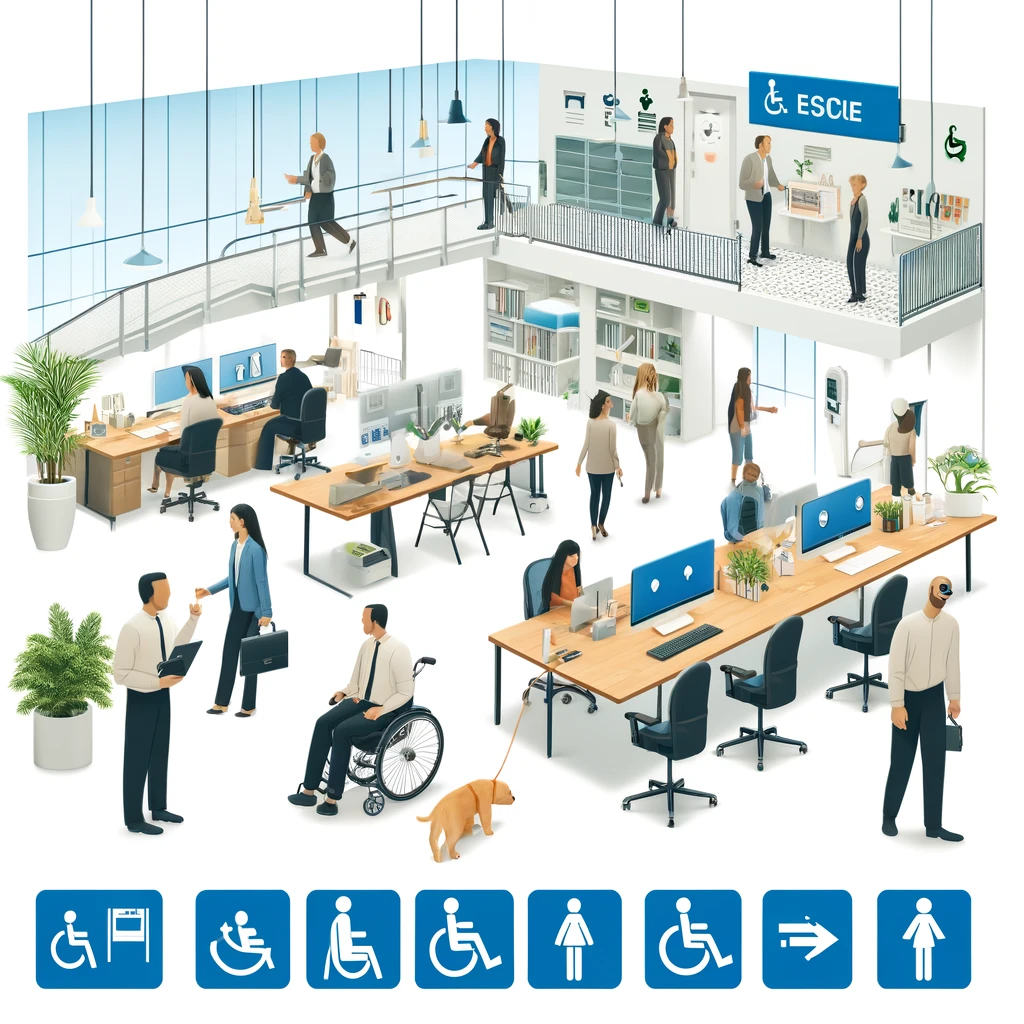
Assistive technology encompasses a wide range of devices and services designed to aid individuals with disabilities, facilitating their participation in various activities. These technologies are crucial in meeting ADA standards, as they provide necessary accommodations to ensure equal access and opportunity. By integrating assistive technology, businesses and organizations can better comply with ADA requirements, reducing barriers for employees, customers, and clients with disabilities. This includes everything from screen readers, specialized keyboards, and speech-to-text applications to mobility aids and communication devices. These tools enable users to perform tasks they might otherwise find challenging, thereby promoting independence and inclusivity. When considering ADA compliance, it’s important to recognize that assistive technology not only addresses legal obligations but also demonstrates a commitment to diversity and equal opportunity in society.
Types of Assistive Technology
Assistive technology comes in various forms, each designed to address specific needs of individuals with different types of disabilities. For individuals with visual impairments, screen readers and braille displays convert on-screen text into audio or braille output. Screen magnification software enlarges text and images for easier viewing. For those with hearing impairments, technologies like hearing aids, cochlear implants, and real-time captioning systems make auditory information accessible. Communication aids, including speech-generating devices and symbol-based communication boards, assist individuals with speech impairments in expressing themselves. For mobility challenges, wheelchairs, prosthetics, and ergonomic tools enable greater independence and comfort. Cognitive aids, such as organizational apps and reminders, assist individuals with cognitive disabilities in managing tasks and daily activities. These technologies work together to create a more inclusive environment, aligning with ADA compliance demands.
Benefits of Implementing Assistive Technology
The integration of assistive technology offers numerous benefits, extending beyond mere ADA compliance. Firstly, it enhances the quality of life and autonomy for individuals with disabilities, fostering their ability to perform daily tasks and participate in society fully. By empowering them to engage independently, assistive technology breaks down barriers, promoting self-esteem and a sense of belonging. For organizations, adopting assistive technology broadens their customer base and increases employee productivity. Inclusive solutions attract talented individuals who might have otherwise faced obstacles in traditional workplaces, enriching the diverse skill sets within the organization. Moreover, implementing these technologies can improve a company’s image by showcasing a commitment to inclusivity and compliance with ADA standards. This proactive approach not only fulfills legal obligations but also strengthens public perception and customer loyalty, contributing to long-term success. Therefore, the implementation of assistive technology serves as an essential investment, leading to a more equitable and productive environment.
Challenges in Adopting Assistive Technology
Despite its benefits, the adoption of assistive technology presents certain challenges. One major hurdle is cost, as these technologies can be expensive to purchase and maintain. Organizations must allocate sufficient funds to acquire and update these tools, which can strain budgets, particularly in small businesses. Additionally, there’s the issue of training. Employers and employees alike need to be adequately trained to use new technologies, which requires time and resources. Another challenge lies in the rapid pace of technological change. As new solutions emerge, organizations must stay informed and adapt accordingly, ensuring continued ADA compliance. Compatibility and integration with existing systems can also pose problems, as assistive technologies need to work seamlessly with other workplace tools. Addressing these challenges requires proactive planning and a commitment to ongoing support and education, ensuring that assistive technology reaches its full potential.
Implementing Assistive Technology for Compliance
Successful implementation of assistive technology begins with a comprehensive assessment of needs and potential barriers within the organization. This involves consulting with individuals with disabilities to understand their specific challenges and preferences, ensuring that chosen solutions are truly beneficial. Organizations should also review ADA regulations to pinpoint areas requiring attention and improvement. After identifying needs, the next step is selecting appropriate technology that aligns with both user requirements and organizational goals. This involves evaluating various devices and software options, assessing their functionality, accessibility, and cost. Once selected, ensure a smooth deployment with necessary infrastructure upgrades and staff training sessions. Training is crucial, as it equips users with the skills to effectively utilize tools, and educates other employees about the importance and use of assistive technology. Monitoring and feedback loops are also essential, as they provide insights into the effectiveness of implementations and help identify areas for improvement. Ultimately, continuous evaluation and adaptation drive success in maintaining ADA compliance through assistive technology.
Conclusion
In conclusion, assistive technology plays a pivotal role in achieving ADA compliance, breaking down barriers to accessibility and fostering a more inclusive society. By accommodating diverse needs, these technologies empower individuals with disabilities, enabling them to participate fully in various aspects of life. Organizations that embrace assistive technology demonstrate a commitment to equality, diversity, and responsibility, enhancing their societal impact and public image. However, successfully integrating assistive technology requires careful planning, sufficient resources, and continuous commitment to education and adaptation. Despite potential challenges, the benefits of a more inclusive environment are vast, enriching societies and workplaces alike. Ultimately, the strategic implementation of assistive technology not only fulfills legal obligations but also embodies a progressive step towards greater inclusivity, enriching lives and broadening opportunities for all.