
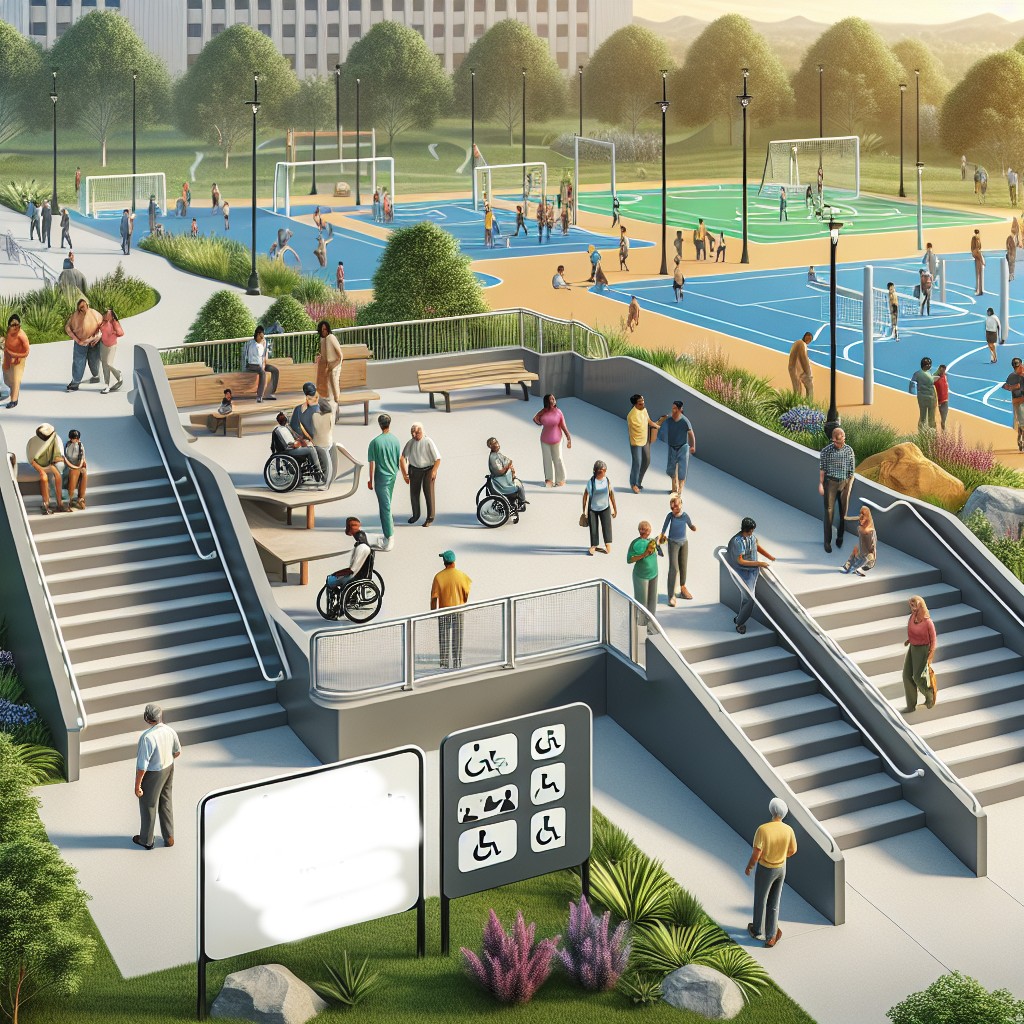
The Americans with Disabilities Act (ADA) has been a pivotal force in shaping a more inclusive society since its enactment in 1990. Designed to eliminate discrimination against individuals with disabilities, it has played a crucial role in enhancing accessibility across various domains. One of the key areas where the ADA has made significant strides is in recreational facilities. These facilities serve as vital spaces for leisure, sports, and community engagement. Ensuring their accessibility not only upholds legal standards but also fosters a sense of belonging and equality for all individuals, regardless of their physical abilities. As society continues to evolve and recognize the diverse needs of its members, updates and developments in ADA accessibility for recreational facilities are essential. These changes not only reflect the legal obligations of facility operators but also highlight a commitment to advancing social inclusion and comprehensiveness. In this article, we will explore the latest updates in ADA accessibility as they relate to recreational facilities, delving into new guidelines, technological advancements, compliance challenges, and strategies for successful implementation.
Recent Guidelines and Standards
The ADA Standards for Accessible Design establish the minimum accessibility requirements for various types of public facilities, including recreational areas. In recent years, substantial updates have been implemented to enhance access for individuals with disabilities. The 2010 ADA Standards, which took effect for facilities constructed or altered after that year, are foundational in this regard. These guidelines cover a vast spectrum of recreational facilities such as swimming pools, playgrounds, and sports courts. Key updates include specifications for accessible routes, maneuvering spaces, and equipment accessibility. For instance, updated guidelines ensure that swimming pools must provide either sloped entries or fixed pool lifts to accommodate individuals with mobility impairments. Similarly, playgrounds are now required to have accessible surfacing and equipment that caters to children of varying abilities. Additionally, golf courses must include accessible routes to driving ranges, putting greens, and teeing grounds. Facility managers and designers must stay informed about these evolving standards to guarantee compliance and create environments that are welcoming and inclusive for everyone.
The Role of Technology in Enhancing Accessibility
Technological innovation has become a driving force in advancing accessibility within recreational facilities. With the integration of smart technologies, facility operators can offer enhanced experiences for individuals with disabilities. For instance, the use of mobile apps that provide real-time information about facility accessibility features allows users to plan their visits more effectively. Indoor navigation systems equipped with voice guidance can help individuals with visual impairments navigate through complex facilities independently. Moreover, advancements in assistive technologies, such as adaptive sports equipment, have opened up new opportunities for participation in recreational activities. Wheelchair-accessible exercise machines, adaptive skiing gear, and specialized fishing equipment are just a few examples of how technology is redefining recreational experiences for individuals with disabilities. These innovations not only facilitate accessibility but also promote autonomy and empowerment. As technology continues to evolve, its role in enhancing accessibility and inclusion within recreational facilities is bound to expand, offering even more opportunities for enjoyment and engagement.
Challenges in Achieving Full Compliance
While significant progress has been made in improving ADA accessibility in recreational facilities, several challenges remain. One of the primary challenges is the financial burden associated with retrofitting older facilities to meet current standards. Many existing recreational spaces were not originally designed with accessibility in mind, necessitating costly modifications to achieve compliance. This financial strain can be particularly burdensome for public facilities operating with limited budgets. Additionally, there is often a lack of awareness and understanding of ADA guidelines among facility operators and staff. Ensuring comprehensive training and education is essential to bridge this knowledge gap and foster a culture of inclusivity. Furthermore, balancing accessibility with aesthetic and operational considerations can pose difficulties. Some facility operators may be hesitant to make changes that might alter the traditional look or functionality of their spaces. Overcoming these challenges requires a commitment to inclusivity, collaboration with disability advocates, and exploring creative solutions that harmonize accessibility with other facility goals.
Best Practices for Implementation
Successfully implementing ADA accessibility updates in recreational facilities involves a multifaceted approach. One of the best practices is to involve individuals with disabilities in the planning and design process. By engaging the very community that these changes aim to benefit, facility operators can gain invaluable insights and perspectives. Regular audits and assessments of facilities are also crucial to identify potential barriers and areas for improvement. Developing an accessibility action plan that outlines specific goals, timelines, and responsibilities can guide the implementation process effectively. Additionally, ongoing staff training is vital to ensure that all employees understand accessibility standards and can assist patrons with disabilities appropriately. Facility operators should also prioritize communication and signage, ensuring that accessible features are well-marked and easily identifiable. Incorporating adaptability into facility design can accommodate future innovations and evolving guidelines. Ultimately, creating recreational spaces that are accessible and inclusive requires a proactive, collaborative, and flexible approach.
Looking Ahead: Future Trends and Considerations
As society continues to recognize the importance of inclusivity, the future of ADA accessibility in recreational facilities holds promising potential. Emerging trends indicate a shift towards more holistic and integrated approaches to accessibility. The concept of “universal design,” which emphasizes creating environments that are inherently accessible to all individuals, regardless of ability or disability, is gaining traction. This approach moves beyond simple compliance, aspiring to create spaces that are innovative and accommodating for everyone. Furthermore, the intersection of technology and accessibility is expected to broaden, with advancements in virtual and augmented reality technologies offering new avenues for engagement and participation. Future considerations will also likely focus on the mental and emotional aspects of accessibility, addressing sensory sensitivities and cognitive disabilities. The ongoing dialogue between disability advocates, facility operators, and policymakers will be crucial in shaping these trends and ensuring that accessibility advancements continue to evolve in a way that prioritizes the needs and dignity of individuals with disabilities.
Conclusion
The updates and developments in ADA accessibility for recreational facilities underscore a commitment to fostering an inclusive society that respects and values diversity. By aligning with evolving standards, leveraging technological innovations, and addressing compliance challenges, facility operators can create welcoming environments that enhance the quality of life for individuals with disabilities. Best practices for implementation and collaboration with the disability community will be key to achieving meaningful progress. As we look to the future, the principles of universal design and the integration of cutting-edge technologies offer exciting opportunities to transform recreational experiences and ensure that they are accessible to all. Ultimately, the journey toward full accessibility is a collective endeavor that requires continuous dedication and effort. By embracing this challenge, we can create recreational spaces that are not only compliant with the law but also reflect the values of empathy, inclusivity, and equality.
Frequently Asked Questions
1. What are the latest updates in the ADA guidelines for recreational facilities?
In recent years, the ADA has undergone several updates to enhance accessibility within recreational facilities. These updates focus on expanding and refining guidelines to ensure that individuals with disabilities have equal access to recreational opportunities. Some of the key updates include specifications for accessible routes, entry points, seating arrangements, and signage within facilities. These changes emphasize the need for facilities to not only provide physical access but also to consider the overall experience for all users. The updates encourage facility owners and operators to think broadly about inclusivity, ensuring that recreational environments are welcoming and functional for individuals with a wide range of disabilities.
Moreover, the revisions emphasize the importance of integrating assistive technologies and design innovations. This includes considerations for hearing loops in auditoriums, tactile pathways for those with visual impairments, and adjustable equipment in fitness centers. It’s clear that the ADA is pushing for a future where access goes hand in hand with innovation, creating environments that cater to diverse needs without compromising on the quality of the recreational experience.
2. How do these updates affect the design of playgrounds and sports facilities?
The latest ADA updates have a profound impact on the design of playgrounds and sports facilities. For playgrounds, the focus is on creating spaces that every child can enjoy, regardless of their abilities. This means incorporating elements such as ramp access to play structures, smooth surfaces for mobility devices, and sensory-rich features that cater to children with sensory processing disorders. Playground designers are encouraged to think creatively to create inclusive spaces that foster play and interaction among all children.
In sports facilities, the updates stress the importance of accessible seating and amenities for spectators, as well as modifications to sports areas to allow participation by athletes with disabilities. For example, this could mean installing zero-entry pools for aquatic sports or providing lower-height basketball hoops. The underlying aim is to remove any physical or logistical barriers to participation and enjoyment, ensuring that sports facilities serve as inclusive spaces for both spectators and athletes with disabilities.
3. What is the role of technology in improving accessibility in recreational facilities?
Technology has become a crucial ally in advancing accessibility within recreational facilities. The ADA updates recognize the potential of technology to bridge gaps and enhance the ease of use and enjoyment for individuals with disabilities. One significant area is the implementation of digital wayfinding tools and apps that assist users in navigating complex facilities. These apps can provide real-time information about accessible routes, availability of accessible equipment, and even interpret audio descriptions of events or exhibits.
Additionally, virtual reality is being explored as a means to give users a preview of the facility, allowing them to plan their visits and identify accessible features before they even arrive. Hearing technologies, like personal listening devices and induction loop systems, have also become more widely recommended, ensuring that individuals with hearing impairments can fully experience events and activities. These technological solutions are reshaping the landscape of accessibility, enhancing the user experience while promoting independence and integration.
4. How are existing recreational facilities expected to comply with the new ADA standards?
Existing recreational facilities are expected to assess their current level of accessibility and make necessary modifications to comply with updated ADA standards. This process typically starts with a comprehensive audit of the facility, identifying areas where accessibility improvements are needed. From there, facilities must develop a plan to address these issues in a timely and cost-effective manner. The goal is to prioritize changes that will have the most significant impact on accessibility, such as modifying entryways, upgrading restroom facilities, and retrofitting equipment to accommodate users with disabilities.
The ADA allows for some flexibility, recognizing that older facilities may face unique challenges in achieving full compliance. However, the emphasis is on making continuous improvements and demonstrating a commitment to enhancing accessibility. Facilities are encouraged to consult with accessibility experts and involve individuals with disabilities in the planning process, ensuring that changes are meaningful and beneficial for all users.
5. What impact do these updates have on community engagement and inclusivity?
The ADA updates for recreational facilities are pivotal in fostering greater community engagement and inclusivity. By creating environments that are welcoming and accessible to everyone, these facilities become vibrant hubs of social interaction and community building. This shift not only benefits individuals with disabilities but also enriches the broader community, promoting diversity and a culture of inclusivity.
Accessible recreational facilities enable individuals with disabilities to participate more fully in community life, whether through sports, cultural events, or social gatherings. This increased participation helps to break down social barriers and challenges stereotypes, fostering a more inclusive community spirit. Moreover, the updates encourage facility operators to actively engage with diverse community groups, seeking feedback and partnerships that further enhance their inclusive offerings. In essence, these ADA updates are not only about compliance but about cultivating a sense of belonging and opportunity for all community members.


