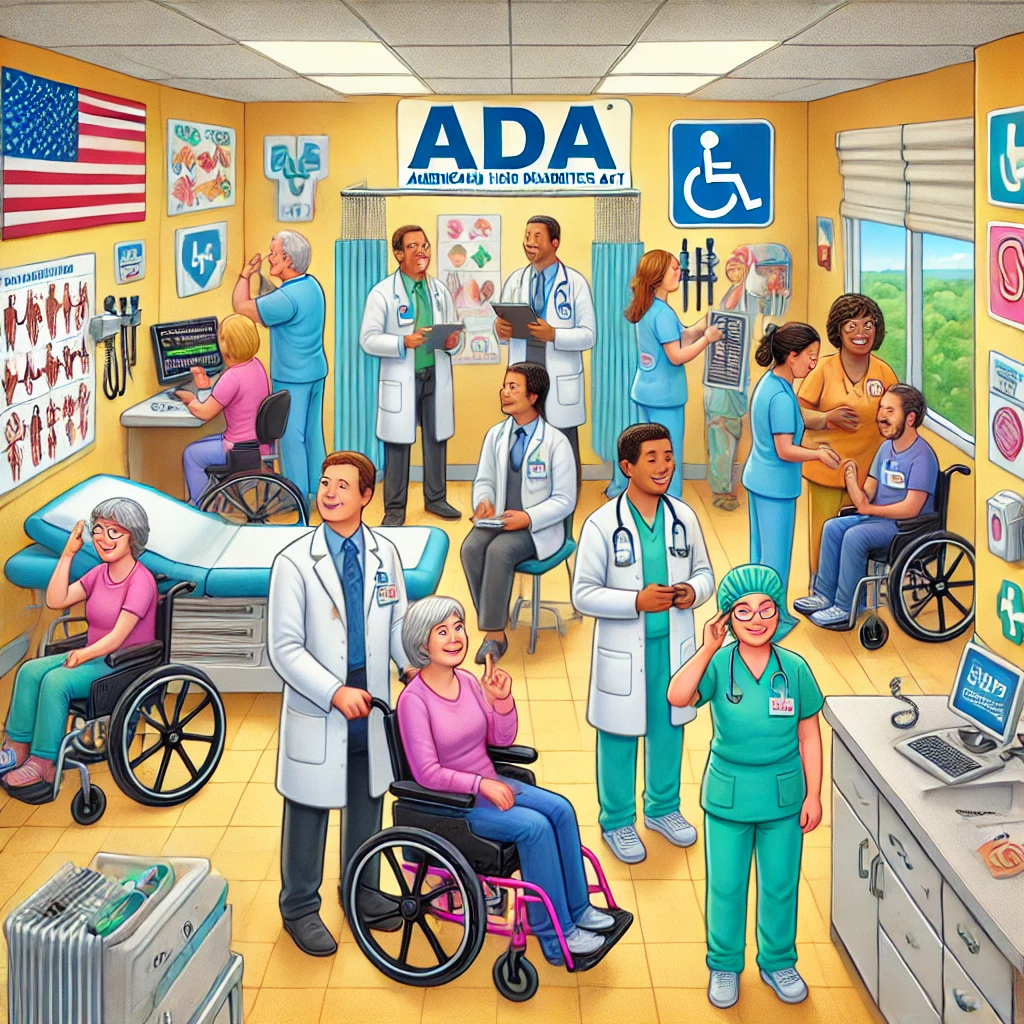
The Americans with Disabilities Act (ADA) represents a momentous stride towards equality and inclusiveness in the United States. Enacted in 1990, the ADA rapidly emerged as a crucial piece of legislation that aims to protect the civil rights of Americans with disabilities, prohibiting discrimination and ensuring equal opportunities in all areas of public life, including employment, education, transportation, and access to public spaces. In a nation that prides itself on liberty and justice for all, the ADA works to dismantle barriers, allowing people with disabilities to lead lives marked by independence, choice, and active participation in society.
Since its inception, the ADA has been instrumental in transforming the structure and accessibility of public spaces. From parks and museums to state buildings and commercial establishments, the law mandates the implementation of various measures designed to accommodate individuals with different disabilities. However, accessibility is not just about ramps and elevators; it also encompasses a wide array of comprehensive measures that impact design, communication, and services.
Through this article, we will explore the pivotal aspects of the ADA and its efforts to enhance accessibility in public spaces. We’ll delve into the ADA’s regulations, its profound impact on public infrastructure, the ongoing challenges, and the strides being made to foster inclusive communities. Our objective is to provide a well-rounded perspective on how the ADA is shaping an accessible future for all citizens.
Regulations and Compliance
The ADA’s regulations and compliance standards are extensive. Enforced by the Department of Justice, the law is divided into five titles, each addressing different facets of public life. For public spaces, Title II and Title III are particularly significant. Title II applies to all public entities, including state and local governments, and demands that these entities make their facilities accessible to individuals with disabilities. Title III covers private businesses that are open to the public, such as restaurants, hotels, and retail stores, and requires these entities to implement structural modifications that ensure accessibility.
To aid compliance, the ADA Standards for Accessible Design were established, which dictate detailed architectural guidelines to foster inclusivity. These standards cover a wide array of areas, from building entryways and restrooms to signage and service counters. For instance, doorways must be wide enough to accommodate wheelchairs, ramps must have a specific slope, and there should be sufficient space for turning and maneuvering. Furthermore, auditory and visual signage are mandatory to provide clear instructions, ensuring that individuals with different disabilities can navigate public spaces effectively.
Non-compliance with ADA standards can result in considerable legal and financial consequences. Entities found in violation of the ADA may face lawsuits, fines, and the requirement to undertake remedial actions to rectify issues of non-compliance. Therefore, organizations and businesses are encouraged to conduct regular accessibility audits to identify and address potential barriers, fostering a culture of inclusivity and legal adherence.
Impact on Infrastructure
The ADA significantly influences public infrastructure, driving the design and construction of new buildings, and the modification of existing structures to achieve accessibility. These adaptations often provide improved mobility not only for individuals with disabilities but also for the general public. For example, ramp installations serve parents with strollers and travelers with luggage as much as they do people who use wheelchairs.
Incorporating accessibility features such as lowered ticket counters, tactile paving for the visually impaired, and auditory signals at crosswalks helps create environments where everyone can navigate comfortably and safely. Beyond physical alterations, the ADA promotes technological advancements that support accessibility. Public transportation systems, for instance, have adopted buses with kneeling capabilities and auditory announcements, making commuting more accessible for individuals with disabilities.
Landmarks and institutions such as national parks, museums, and theaters have embraced the ADA guidelines by installing ramps, elevators, and accessible restrooms. Seating arrangements and visual aids in recreational facilities ensure that people with disabilities can partake in cultural and social activities, reinforcing the ADA’s vision of an inclusive society.
Challenges and Ongoing Efforts
Despite the notable progress made since the ADA’s enactment, several challenges persist as society continues to strive for full accessibility. One significant challenge lies in the retrofitting of older buildings, which can be both costly and complicated. Historic landmarks and properties, in particular, face the difficulty of balancing preservation with accessibility requirements. Although there are provisions for exceptions and alternative solutions within the ADA, many property owners must navigate complex processes to achieve compliance.
In addition, there is ongoing debate and legal contention concerning the scope of the ADA, particularly in the digital era. As more services and interactions move online, there is a growing need to ensure that websites, mobile applications, and digital platforms are accessible to individuals with disabilities. This includes providing screen-reader compatibility, captioned videos, and navigable interfaces. Several high-profile lawsuits have highlighted the importance of digital accessibility, compelling businesses and organizations to extend their ADA compliance efforts to the virtual realm.
Furthermore, there are disparities in accessibility across various regions and communities, often tied to economic and developmental differences. Rural areas, for instance, may lag in implementing ADA guidelines compared to urban centers due to limited resources and infrastructure. These disparities underscore the importance of continuous advocacy, funding, and education to drive nationwide accessibility improvements.

Advocacy and Community Involvement
Community involvement and advocacy play critical roles in advancing the objectives of the ADA. Local advocacy groups, national organizations, and individual activists work tirelessly to raise awareness, provide resources, and push for policy changes that promote accessibility. Organizations such as the American Association of People with Disabilities (AAPD) and the National Council on Independent Living (NCIL) are at the forefront of these efforts, offering support, education, and empowerment to individuals with disabilities.
Grassroots campaigns and community events also serve as powerful platforms for advocating for accessibility. Initiatives such as “Accessibility Awareness Day” and local accessibility audits help communities understand the importance of inclusive design and identify areas for improvement. Public participation fosters a collective effort towards creating environments that are welcoming and accessible to everyone.
Moreover, collaboration between public entities, private businesses, and disability advocacy groups is vital in addressing accessibility challenges. By working together, stakeholders can share best practices, develop innovative solutions, and ensure that the voices of individuals with disabilities are heard and respected.
The Role of Technology
Technology has emerged as a pivotal tool in advancing accessibility, bridging gaps, and enabling independence for individuals with disabilities. Innovations such as screen readers, voice recognition software, and assistive devices have revolutionized how people interact with the world around them. These technologies allow individuals with visual, auditory, and mobility impairments to perform tasks that were once challenging or impossible.
Smart cities, equipped with interconnected systems and digital infrastructure, are pioneering the use of technology to enhance accessibility. Features such as smart traffic signals, accessible public transportation apps, and virtual public services are making urban environments more navigable and inclusive. Additionally, the development of wearable technology and IoT (Internet of Things) devices offer new avenues for accessibility, providing real-time assistance and monitoring to individuals with disabilities.
Educational institutions and workplaces are also leveraging technology to support accessibility. Online learning platforms with adaptive features, remote work tools, and digital communication aids ensure that individuals with disabilities have equal opportunities to learn, work, and succeed. As technology continues to evolve, it holds immense potential to further the goals of the ADA and transform public spaces into truly inclusive environments.
Conclusion
In summary, the Americans with Disabilities Act stands as a seminal piece of legislation dedicated to fostering inclusivity and equality for individuals with disabilities. Over the decades, the ADA has driven significant changes in the accessibility of public spaces, mandating structural modifications, promoting innovative design, and enhancing the quality of life for millions of Americans. By establishing clear regulations and compliance standards, the ADA safeguards the rights of individuals with disabilities and ensures that they can participate fully in all aspects of public life.
While challenges persist, ongoing efforts by advocacy groups, technological advancements, and community initiatives continue to propel the vision of an accessible society forward. The work to achieve full accessibility is a collective endeavor that requires collaboration, innovation, and unwavering commitment. As society evolves, so too must our approach to accessibility, embracing new technologies, policies, and practices that address the diverse needs of all individuals.
The ADA’s legacy is a testament to the power of legislative action in bringing about meaningful change. As we move forward, it is imperative to remain vigilant in our pursuit of accessibility, ensuring that public spaces are welcoming, navigable, and inclusive for everyone, regardless of their abilities. By doing so, we honor the spirit of the ADA and continue to build a society where equality, dignity, and independence are accessible to all.
Frequently Asked Questions
1. What is the ADA, and why is it important for accessibility in public spaces?
The Americans with Disabilities Act (ADA) is a pivotal piece of legislation enacted in 1990, designed to protect the civil rights of individuals with disabilities. It ensures that people with disabilities have the same opportunities as everyone else to participate in the mainstream of American life. This includes guarantees against discrimination in various aspects such as employment, transportation, public accommodations, communications, and access to state and local government programs and services. For public spaces, this means that buildings, parks, transportation systems, and other facilities must be accessible to people with disabilities. The importance of ADA cannot be understated. It not only creates a more inclusive environment but also reflects the values of equality and justice. The ADA has led to significant improvements in infrastructure and awareness, allowing people with disabilities to lead independent, dignified lives by ensuring they can access and enjoy the benefits of public amenities fully.
2. How does the ADA’s architectural standards ensure accessibility in public spaces?
The ADA’s architectural standards for public spaces, formally known as the ADA Standards for Accessible Design, play a critical role in ensuring that public spaces are usable by people with disabilities. These standards cover a wide array of features that are essential for accessibility, including entrances, restrooms, parking spaces, signage, and seating arrangements. For example, they require that entrances are wheelchair accessible, pathways are navigable, and signage is clear and readable for those with visual impairments. Services such as elevators, ramps, and tactile paving are mandated to accommodate various disabilities. Compliance with these standards is mandatory for new construction and renovations, ensuring that the infrastructure of public spaces continuously evolves to be more inclusive. By adhering to these guidelines, public spaces become more navigable and comfortable for everyone, promoting independence and reducing barriers faced by disabled individuals.
3. What steps must businesses take to comply with ADA requirements for accessibility?
Business owners are responsible for ensuring that their facilities accommodate individuals with disabilities, which involves several key steps. Firstly, businesses must perform a thorough evaluation of their premises to identify and rectify any architectural barriers that hinder accessibility. This can range from simple adjustments, like rearranging furniture to allow for smoother wheelchair movement, to more significant alterations, such as installing elevators or ramps. Staff training is another crucial component; employees should be educated on ADA regulations and trained to assist individuals with disabilities appropriately. Businesses must also ensure that communication and service access is available to everyone, possibly requiring auxiliary aids and services like closed captioning or sign language interpreters. Additionally, ongoing maintenance and updates to both the physical space and policies ensure continued compliance with ADA standards. By proactively addressing these areas, businesses not only comply with legal obligations but also foster a welcoming environment for all customers.
4. What are some common misconceptions about ADA compliance in public spaces?
One prevalent misconception is that ADA compliance is overly costly and cumbersome for public spaces to implement effectively. While it is true that some modifications require investment, many accessibility solutions are not as expensive as assumed and are essential investments in inclusivity. This misconception often stems from misinformation or fear of the scope and scale of necessary changes. Another misunderstanding is that ADA compliance disrupts the design or functionality of spaces. In reality, thoughtful design can integrate ADA standards seamlessly, enhancing the space for all users. Some people also mistakenly think that ADA compliance only impacts those with visible physical disabilities. In truth, ADA standards address a wide range of disabilities, including cognitive, sensory, and invisible disabilities, ensuring a comprehensive approach to accessibility. Lastly, there’s often confusion regarding the legal implications of non-compliance; non-adherence can lead to significant legal repercussions, highlighting the necessity for thorough understanding and implementation of ADA standards.
5. How has the ADA influenced public transportation accessibility?
Since its enactment, the ADA has significantly transformed the landscape of public transportation, making it more accessible for individuals with disabilities. One of the most visible impacts has been the requirement for public transit systems, including buses and trains, to be accessible. Buses, for example, are now equipped with lifts or ramps for wheelchair users, and rails are designed to accommodate a variety of mobility aids. Additionally, ADA regulations mandate that transit authorities provide paratransit services, which are specialized transportation services for individuals whose disabilities prevent them from using the regular transit systems fully. Public transportation hubs are also required to comply with ADA standards, featuring elements like tactile warning strips, audible signals, and visual displays to support passengers with sensory disabilities. Over the years, these requirements have increased the number of disabled individuals who can use public transportation autonomously, significantly enhancing their ability to work, attend school, and participate in community life. Through its comprehensive approach, the ADA has made great strides in ensuring that public transportation is more inclusive and responsive to the needs of all community members.