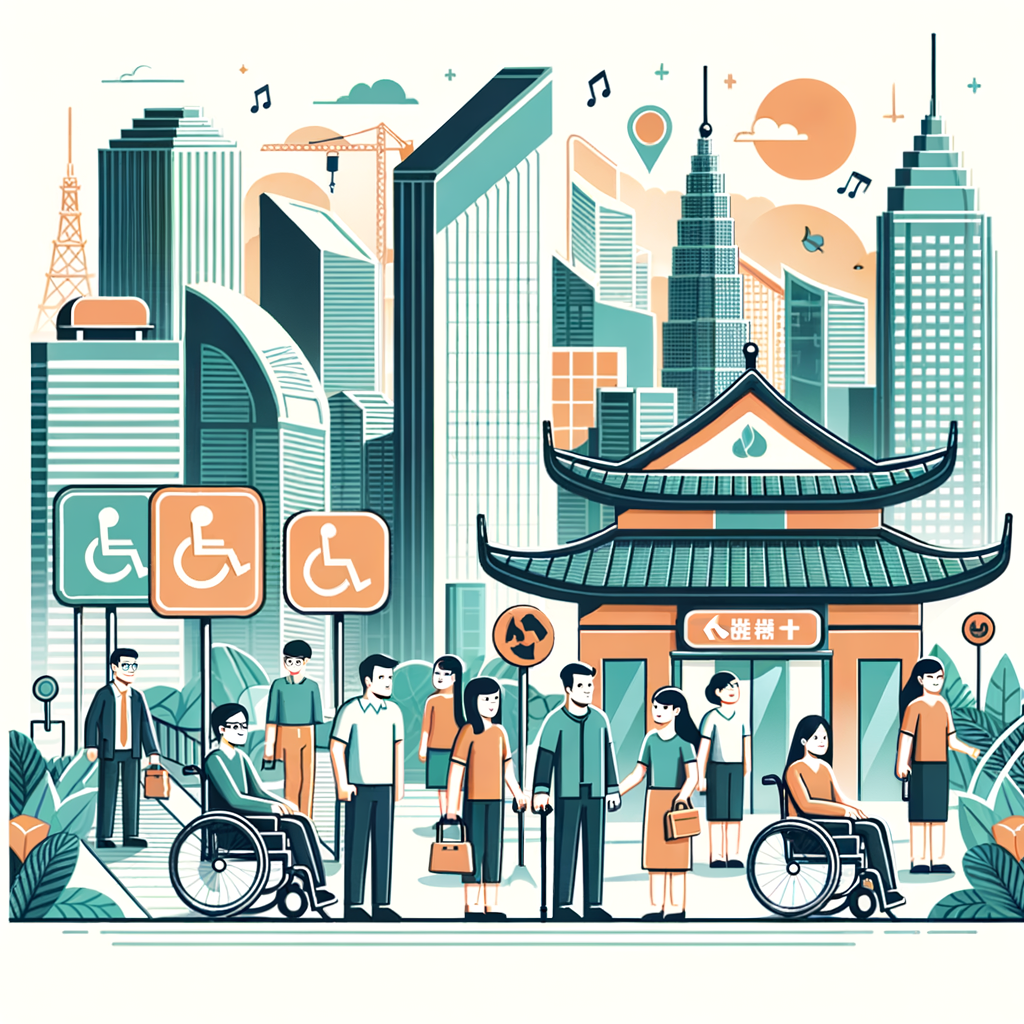
In today’s rapidly evolving digital era, accessibility for individuals with disabilities has become a critical area of focus. Technological innovations in accessibility are reshaping how people interact with the world, breaking barriers, and providing equal opportunities for all. This wave of progress is driven by the recognition that technology can be a linchpin in the quest for inclusiveness and comprehensive access. Innovations emerging from various parts of the globe highlight how technology can be leveraged to foster an inclusive society. From groundbreaking assistive devices to software that enhances engagement and interaction, these innovations offer unparalleled opportunities for individuals with disabilities to lead more independent and fulfilling lives. As we delve into the myriad of advancements that are paving the way for accessibility, it becomes evident that the efforts are numerous and far-reaching. The increase in global awareness and a collaborative approach are catalyzing these developments, ensuring that different elements of society contribute to this transformation. Therefore, understanding these technological innovations and their impact is essential for appreciating how far we have come and the direction we are headed in creating a more accessible world.
Communicative Technologies
Communication is foundational for personal, educational, and professional success. Hence, innovations aimed at improving communication skills for individuals with disabilities are highly impactful. Speech-generating devices (SGDs), for instance, are empowering individuals with speech impairments to communicate more effectively. These devices work by producing speech through text-input or symbolic representations, allowing users to convey messages independently. From portable tablets to robust communication systems, these tools cater to diverse needs. Leading companies like Tobii Dynavox and Prentke Romich Company are spearheading advancements by integrating eye-tracking technologies and customizable interfaces, making SGDs more intuitive.
On the other hand, software breakthroughs have further enhanced communication for the hearing-impaired community. Applications such as Ava offer real-time captioning during conversations or meetings, effectively bridging the communication gap. These apps utilize cloud-based technologies and AI-driven algorithms to transcribe spoken words with impressive accuracy, thus facilitating smooth interactions. Such innovations are crucial, especially in professional settings where clear communication is paramount.
Mobility and Navigation Innovations
Mobility is another area where technological innovation is making significant strides in enhancing accessibility. Autonomous vehicle technologies are being adapted for individuals with disabilities, offering older adults and individuals with mobility challenges greater autonomy. Companies like Waymo and Tesla are pioneering efforts to develop vehicles equipped with sensors and AI systems, enabling individuals with limited mobility to travel independently. By integrating voice commands and tactile interfaces, these vehicles can cater to the specific needs of disabled users while adhering to safety parameters.
Beyond vehicular technologies, wearable devices such as exoskeletons are revolutionizing mobility for individuals with physical impairments. Companies like Ekso Bionics and ReWalk Robotics are at the forefront, creating devices that allow individuals with paraplegia to regain the ability to walk. These robotic suits are designed to provide support and assistance in limb movement, driven by precise sensors and machine-learning algorithms, giving wearers enhanced confidence and a newfound sense of independence.
Additionally, navigation for individuals with visual impairments has seen transformative innovations. Apps like Microsoft’s Seeing AI are providing invaluable assistance by utilizing smartphone cameras and artificial intelligence to describe surroundings audibly. By harnessing machine vision and object recognition capabilities, these tools provide real-time guidance, enabling users to navigate unfamiliar environments safely. Meanwhile, Bluetooth-enabled wearables such as WeWALK integrate navigation technologies with traditional white canes, offering advanced mobility solutions by providing haptic feedback and vocal directions.
Digital Accessibility Tools
Digital inclusion is fundamental to participating in the modern world, and improving accessibility to digital content is vital. Hence, web accessibility standards spearheaded by entities like the World Wide Web Consortium (W3C) are pivotal in ensuring that web content is accessible to all. These standards stipulate practices such as providing alt text for images, ensuring keyboard-navigability, and maintaining high contrast for screen readability. Compliance with these standards ensures seamless access to online resources, widening prospects for everyone.
In addition to standard compliance, specialized tools have been developed to assist users with specific needs. Screen readers like JAWS and NVDA enable blind and visually impaired users to interact with digital content through audio feedback. Incorporating powerful voice recognition technologies, these tools facilitate seamless interaction with websites, applications, and documents, providing a sense of autonomy to users.
Further, assistive typing technologies, such as speech-to-text services, provide invaluable support for people with motor impairments. Dragon NaturallySpeaking, for instance, allows users to control their computers and transcribe texts through voice commands, enhancing productivity significantly. These technologies create pathways for individuals to engage actively in digital spaces, fostering inclusion and participation.
Educational Technologies
Innovations in educational technologies are opening new doors for students with disabilities, transforming the learning landscape. Tools like Kurzweil 3000 offer robust support for students with learning difficulties, such as dyslexia, by providing text-to-speech functionalities and reading comprehension tools. These assistive technologies facilitate independent learning and improvement in academic performance. Furthermore, adaptable learning management systems are being integrated into classrooms worldwide, allowing educational institutions to tailor content that accommodates diverse learner needs.
Moreover, advancements in virtual and augmented reality are being harnessed to enhance educational experiences for students with disabilities. Tools like Google’s VR Expeditions offer immersive learning experiences, enabling learners to explore virtual field trips and complex concepts in a controlled, engaging environment. This tailored approach provides opportunities for experiential learning, making education more inclusive and effective. Through these innovations, educational landscapes worldwide are undergoing substantial transformation, ensuring that learning is accessible to all students, irrespective of their abilities.
Health and Well-being Advancements
The interconnection between health and accessibility cannot be overstated, as innovations in healthcare technologies significantly contribute to enhanced accessibility. Telemedicine platforms are breaking geographical barriers, enabling individuals with disabilities to access health care services conveniently. With companies like Teladoc and Amwell leading the way, remote consultations are becoming a norm, facilitating continuous medical care without the constraints of physical travel. Telehealth services also provide platforms for continuous monitoring and data collection, ensuring tailored and prompt medical responses.
Moreover, prosthetic technologies have seen unprecedented advancements, with bionic limbs offering functionality beyond conventional prostheses. Innovations such as the bionic arm developed by Open Bionics empower individuals by incorporating sensors that connect with the wearers’ muscle signals, allowing for sophisticated limb movement. These advanced prosthetics not only replicate natural limb function but also enhance confidence and autonomy, demonstrating the profound impact technology can have in rehabilitation and personal independence.
Additionally, mental health apps are playing a pivotal role in supporting the psychological well-being of individuals with disabilities. Innovations like Mental Health America’s digital toolkit offer resources to manage stress, anxiety, and depression. These platforms are critical in providing timely interventions and continuous support, promoting holistic well-being and societal participation for individuals with disabilities.
Workplace Accessibility
The workplace is a quintessential environment requiring inclusive practices, and technological solutions have been pivotal in ensuring accessibility. Modifications such as the installation of accessible hardware, including adaptive keyboards and ergonomic equipment, create environments conducive to productivity for individuals with physical impairments.
Moreover, the rise of remote work has seen the integration of collaboration tools that offer features tailored for accessibility. Solutions such as Zoom and Microsoft Teams are implementing live-captioning and transcription features, breaking communication barriers for hearing-impaired employees. This ensures inclusive participation in meetings and team activities, promoting workplace diversity.
Innovative approaches have also been propelled by AI-driven human resources tools. Software solutions can now match candidates to roles based on skills and capabilities, reducing bias and promoting equal employment opportunities for individuals with disabilities. By aligning technological advancement with workplace policies, organizations are creating inclusive workspaces that value diversity and foster productivity.
Conclusion
The landscape of technological advancements in accessibility showcases humanity’s collective effort towards inclusivity and equality. From the enhancement of communication tools to the proliferation of digital and educational resources, these innovations offer remarkable opportunities for individuals with disabilities. It is evident that the emphasis on accessibility in technology development has the potential to transform societies worldwide by providing meaningful and enhanced experiences for all users.
The journey of accessibility innovation demonstrates that there is still much to be done, as barriers continue to exist. However, the progress achieved thus far signifies a growing awareness and dedication towards overcoming these challenges. Continuous collaboration among technology developers, policymakers, and advocates will be essential in maintaining momentum and achieving global accessibility goals. Recognizing the power of technology to bridge gaps, it is imperative to continue investing in accessible innovations, ensuring that the future is one where every individual, regardless of ability, can participate fully and equitably.
The unwavering dedication and pioneering spirit driving these technological innovations will undoubtedly lead to a more inclusive world, where accessibility ceases to be an afterthought and becomes a fundamental pillar of technology development and societal progress.
Frequently Asked Questions
1. What are some recent technological innovations in accessibility?
There’s a remarkable array of recent technological innovations that are transforming accessibility for individuals with disabilities across the globe. One of the standout developments is the use of AI-powered assistive devices. For instance, advanced speech recognition systems have been specifically designed to help those with speech impairments, by translating vocalizations or gestures into text or voice output in real time. Similarly, companies have been working on developing sophisticated screen readers and voice assistants equipped with AI that can provide more intuitive navigation of digital interfaces for visually impaired users.
On another front, smart home technology is being adapted to cater to persons with disabilities. Devices like smart lights and voice-controlled assistants are evolving to not just serve convenience, but also to help those with mobility impairments control their environment effortlessly. Another innovative area is the development of wearables that offer haptic feedback or audio cues, such as shoes that guide the visually impaired through vibrations or sounds. Each of these innovations is contributing substantially to greater inclusivity.
2. How do global innovations in accessibility improve inclusivity?
Global technological innovations have been pivotal in improving inclusivity by tailoring solutions to bridge various accessibility gaps. The versatility in the innovation landscape means that needs tailored to specific disabilities are being met with a wider selection of tools. For instance, countries with strong tech hubs are developing language translation applications that can translate sign languages into text or voice, thus facilitating smoother communication for the deaf community.
Moreover, the growth of telecommunication technology is further enhancing inclusivity. In regions where physical infrastructure might be limited, mobile technology is playing a central role in ensuring that those with disabilities have access to education and employment opportunities. Platforms that support remote work are inherently accessible, offering adaptations such as closed captioning, keyboard shortcuts, and adjustable text sizes. These technological advancements ensure individuals feel included in digital and physical spaces, thus promoting a society that values diversity and is committed to equality.
3. What challenges remain in the field of technological accessibility?
Despite the significant strides made in technological accessibility, several challenges persist. One major hurdle is the digital divide – not everyone has equal access to the internet or cutting-edge technology. This is particularly problematic in less developed countries where the infrastructure to support such technology may be lacking. In these areas, even when innovations exist, they may be out of reach for the people who need them most.
Furthermore, there is often a lack of awareness and training on how to use accessible technologies, which limits their adoption. Even in regions with advanced technological amenities, these innovations must be designed with inclusivity at heart to ensure they can universally benefit all users. Additionally, funding and support for continued research and development remain critical to pushing the boundaries of what’s possible in technology for accessibility, yet these are not always guaranteed. Collaboration between the private sector, governments, and non-profits can help overcome some of these challenges.
4. How have technological innovations from around the globe affected daily life for people with disabilities?
The impact of technological innovations on the daily lives of individuals with disabilities has been profound. From enabling easier communication to simplifying everyday tasks, these technologies are significantly enhancing quality of life. Take, for instance, voice recognition software that empowers individuals with physical disabilities to operate a computer exclusively through voice commands, opening up avenues for professional engagement that were previously inaccessible.
Moreover, wearable technology that integrates health monitoring features provides critical health insights, which is especially important for individuals with complex health needs. These tools not only improve health management but also offer independence, giving them more control over their daily lives. Innovations such as these turn what might once have been significant obstacles into surmountable challenges, thereby fully integrating individuals into all facets of daily living, whether it’s shopping, commuting, or engaging in social activities, reinforcing their ability to lead full and active lives.
5. What role does international collaboration play in promoting accessible technology?
International collaboration is a cornerstone of promoting and advancing accessible technology. Cross-border partnerships ensure a rich exchange of knowledge and ideas, fostering groundbreaking solutions that may not be realized in isolation. Collaborations can take several forms, such as shared research projects, policy exchange programs, and multinational forums focused on accessibility standards.
For example, tech companies and research institutions from different countries often work together to create and refine tools that assist those with disabilities. These partnerships not only focus on developing new technology but also strive to create widely accepted standards for accessibility that ensure consistency and compatibility across devices and platforms. Policies such as the UN’s Convention on the Rights of Persons with Disabilities promote international standards and cooperation, encouraging countries to adopt measures that facilitate accessibility.
Moreover, where one country might lead in specialist expertise, another might offer large-scale testing environments, thus creating a landscape where accessible technologies are enhanced and refined through global collaboration. This international ecosystem nurtured through collaboration is essential in accelerating innovation and ensuring that the benefits of accessibility technology reach every corner of the globe.