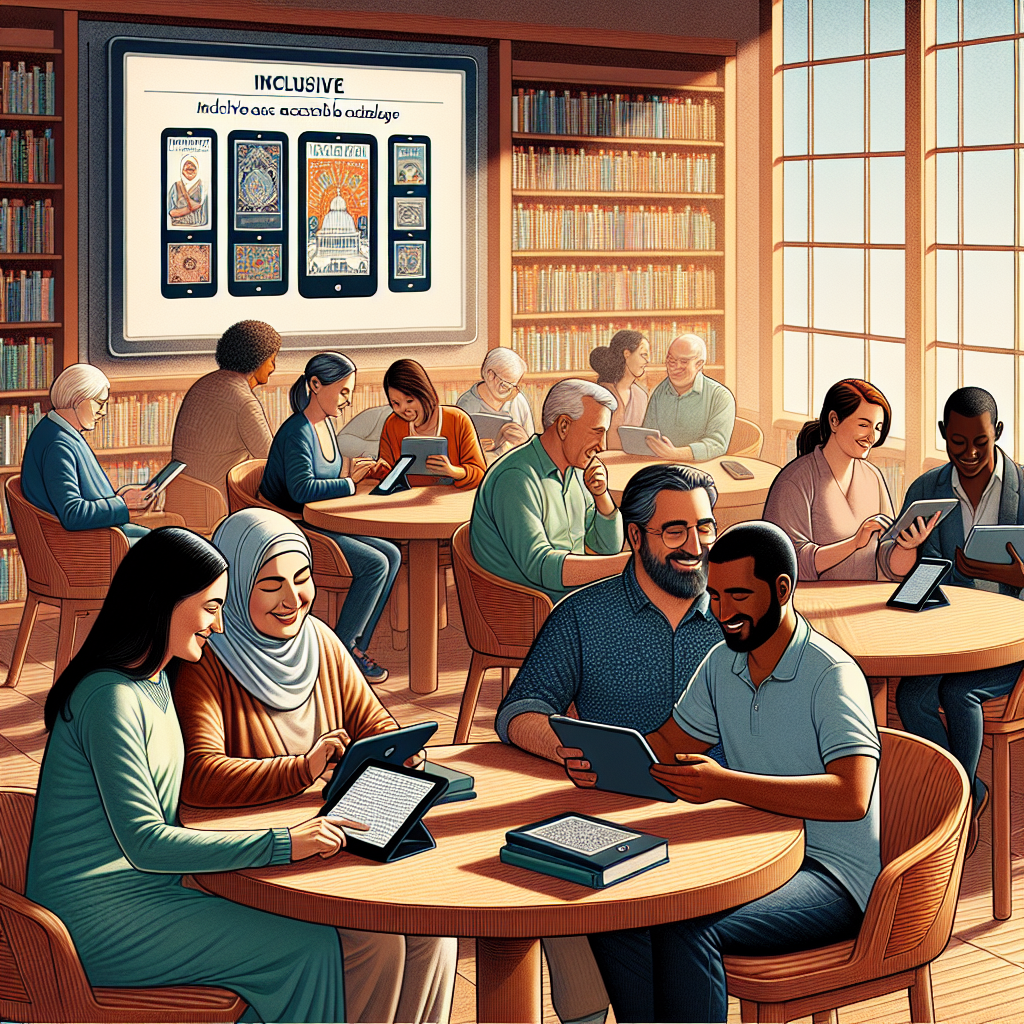
In today’s rapidly evolving technological landscape, workplaces are increasingly integrating digital tools to revolutionize accessibility for employees with disabilities. The advent of tech-enabled accessible work environments reflects a significant shift towards inclusivity, ensuring that all individuals have equal opportunities to thrive in professional settings. These innovations not only comply with regulatory requirements but also harness the potential of a diverse workforce, accelerating productivity and creativity. By examining a series of case studies that highlight the practical application of technology in creating accessible workspaces, this article intends to provide insights into how companies are successfully implementing these changes. From assistive technologies and adaptive software to personalized workstations, the following examples illustrate the profound impact of technology in fostering inclusive workplaces that cater to the unique needs of all employees.
Technology has made remarkable strides in transforming traditional workplace environments. It empowers employees with disabilities by breaking down barriers that previously hindered their professional engagement. As employers recognize the value of a diverse workforce enriched by different perspectives and experiences, they are increasingly adopting innovative solutions. These advancements cater to a variety of needs, whether that involves increasing physical access to office spaces, accommodating sensory differences, enhancing digital interfaces, or enabling flexible communication options. Through a deep dive into case studies from various industry leaders, this article presents a comprehensive overview of the most effective tech-enabled solutions currently in use. Each example underscores the essential balance between meeting regulatory standards and unleashing employee potential, thereby illustrating the virtuous cycle of creating workplaces that are both inclusive and competitive.
Case Study 1: Leveraging Augmentative and Alternative Communication Tools
The first case study focuses on a multinational company specializing in digital marketing that implemented augmentative and alternative communication (AAC) devices to support employees with speech impairments. These devices, integrated seamlessly into the company’s existing digital infrastructure, offer text-to-speech capabilities and customizable interfaces that allow users to communicate effectively with peers and clients. The company invested in advanced AAC systems that provide a range of voices matched to different languages and dialects, ensuring that communication was not only accessible but also culturally resonant.
This initiative led to noticeable improvements in employee interaction and participation. Employees who previously struggled with communication barriers found new opportunities to contribute in meetings and engage in client discussions. By customizing these communication tools to suit individual needs, the company fostered a more inclusive and collaborative environment. This approach not only enhanced in-house communication but also enabled greater external representation, allowing employees to participate fully in industry conferences and client consultations across the globe.
Case Study 2: Implementing Remote Work Technology for Accessibility
The second case involves a software development firm that adopted and optimized remote work technologies to support employees with mobility challenges. The company created a hybrid work model, underpinned by robust digital infrastructure, enabling remote access to corporate resources and virtual collaborative tools. They utilized video conferencing platforms with integrated AI-driven sign language interpretation and real-time captioning features. These technologic advancements mitigated geographical and physical location constraints, allowing employees to actively contribute from the comfort of their preferred work environments.
Employees with mobility impairments reported a significant increase in their workplace satisfaction and productivity, as the need for commuting was virtually eliminated. The firm reallocated travel and commute budgets to further enhance technological accommodations, funding cutting-edge home-office setups for employees requiring specific assistive devices. This comprehensive approach led to a notable increase in talent retention and attraction, as prospective employees recognized the firm’s commitment to accessibility and workplace flexibility. As a result, their workforce became more diverse, and their collaborative projects benefitted extensively from varied experiences and perspectives.
Case Study 3: Adaptive Software Development for Neurodiverse Employees
In another remarkable example, a large information technology service company undertook a project to develop specialized software aimed at enhancing productivity for neurodiverse workers. This software featured adaptable interfaces that could be tailored to individual processing needs, offering features such as adjustable screen contrast, customizable fonts, and varying notification settings to reduce sensory overload. Driven by direct input from neurodiverse employees during development stages, the company ensured the software was user-centered and truly beneficial.
Implementation of this adaptive software resulted in empowered teams where neurodiverse members played key roles in driving projects forward. By accommodating diverse cognitive styles, the company harnessed unique strengths such as pattern recognition, out-of-the-box thinking, and attention to detail. This approach promoted more inclusive dynamics and improved team coherence, ultimately leading to higher project success rates and enhanced creativity within the workforce. In addition to its internal benefits, the adaptable software also caught the attention of clients seeking similar solutions, demonstrating the marketability of accessibility-focused innovations.
Case Study 4: Smart Workspaces and IoT for Sensory Accommodations
Our final case study highlights an architectural firm utilizing smart workspace technology and the Internet of Things (IoT) to create sensory-friendly environments. The firm invested in IoT-enabled office spaces equipped with adjustable lighting, automatic window shading, and climate control systems, allowing employees to personalize their environments to meet their individual sensory needs. This thoughtful design also extended to providing noise-cancelling workstations and quiet zones to help those sensitive to auditory stimuli.
These modifications led to improved concentration, task efficiency, and overall employee wellbeing. By incorporating automation and IoT devices, the company offered employees the autonomy to optimize their personal workspaces in real-time. The adaptive workplace environment became particularly beneficial during intense architect planning sessions and design evaluations, where attention to detail was paramount. Such advances demonstrated the importance of prioritizing employee comfort through technology, which in turn reflected positively on creativity and performance outcomes.
Conclusion
In conclusion, the integration of technology in creating accessible work environments represents a strategic advancement towards inclusive workplaces that prioritize diversity and autonomy. The examined case studies highlight varied approaches and technologies that, when carefully implemented, significantly impact employee engagement, satisfaction, and overall productivity. From AAC tools and remote work adaptations to adaptive software and sensory-friendly workspaces, each example underscores the critical role of technology in leveling the playing field for employees with disabilities.
These inspiring instances not only address immediate accessibility challenges but also set a standard for future workplace innovations. By championing inclusivity through technology, businesses can expect to unlock the full potential of their workforce, promoting richer collaboration and enhanced competitive advantage. As technological capabilities continue to evolve, companies that remain committed to investing in accessibility will undoubtedly inspire broader industry changes and societal transformations, advocating for an equitable future built on empowerment and respect for all individuals.
Organizations seeking to implement or enhance their own accessibility measures can take cues from these case studies, acknowledging that a one-size-fits-all approach is seldom effective. Tailored technological solutions, designed with input from those whom they aim to empower, are key to fostering inclusive workplaces. As more companies embrace this ethos, they contribute not only to their own success but also to a broader movement towards work environments that celebrate and support every employee, regardless of their abilities.
Frequently Asked Questions
1. What are tech-enabled accessible work environments?
Tech-enabled accessible work environments are modern workplaces that utilize technological advancements and digital tools to improve accessibility for individuals with disabilities. These environments are designed to create an inclusive setting where all employees, regardless of their physical or cognitive abilities, can perform at their best. Such workplace modifications might include assistive technology, like screen readers or voice recognition software, as well as physical adaptations, such as height-adjustable desks or accessible meeting rooms. By integrating these tools, organizations aim to facilitate a supportive working atmosphere where everyone can participate actively and efficiently.
2. Why is it important to incorporate tech-enabled solutions for accessibility in the workplace?
Incorporating tech-enabled solutions for accessibility is crucial for several reasons. First, it helps companies comply with legal obligations such as the Americans with Disabilities Act (ADA) and other similar regulations worldwide, which mandate accessibility in workplaces. More importantly, it signifies a commitment to diversity and inclusion, allowing organizations to leverage a wide array of talents and perspectives to fuel creativity and innovation. Accessibility technologies enable employees with disabilities to navigate professional challenges better, enhance their productivity, and cultivate a positive workplace culture. Furthermore, businesses that invest in accessible solutions often see improved employee satisfaction and retention, as well as enhanced brand reputation.
3. Can you provide examples of tech-enabled accessibility tools utilized in case studies?
Certain case studies provide excellent examples of tech-enabled tools enhancing workplace accessibility. For instance, a major tech company may use AI-driven applications for real-time captioning during meetings, assisting employees who are deaf or hard of hearing. Another example is a finance firm employing augmented reality (AR) software for visually impaired employees, enabling them to interact with digital content through voice commands and other sensory feedback. Additionally, screen readers that convert text to speech, commonly used in various corporate environments, empower workers with visual impairments to access documents and software seamlessly. These tools are customized and adapted based on the unique needs of employees and the specific nature of their work.
4. How do tech-enabled accessible environments impact employee performance and company culture?
The impact of tech-enabled accessible work environments on both employee performance and company culture is profound. When accessible technologies are in place, employees with disabilities often experience greater autonomy in managing their tasks, leading to increased confidence and job satisfaction. This boost in morale can result in higher productivity and a stronger commitment to the company. Moreover, an inclusive culture fostered through accessibility initiatives encourages collaboration, understanding, and respect among team members. Organizations that prioritize accessibility often find that they attract a broader talent pool and enhance their innovation capabilities by tapping into diverse perspectives and skill sets. Employees are more likely to stay with a company that demonstrates genuine care for their well-being and professional growth.
5. What challenges do organizations face when implementing tech-enabled accessibility, and how can they overcome them?
Implementing tech-enabled accessibility can present several challenges. One primary concern is the initial cost of acquiring and integrating necessary technologies and tools, which may be significant depending on the organization’s size and scope. Ensuring that the selected technologies are compatible with existing systems and meet the varied needs of all employees can be complex. Additionally, ongoing training and support are essential to help employees, both with and without disabilities, understand and efficiently use the new tools. To overcome these challenges, organizations should conduct thorough needs assessments involving employees from all levels, seek expert consultations to guide technology selection and integration, and implement comprehensive training programs. Crucially, fostering a culture of open communication and feedback allows for continuous improvement in accessibility efforts, ensuring the solutions adopted are effective and sustainable.