In today’s digitally-driven world, accessibility isn’t just a buzzword; it’s an imperative. With over one billion people worldwide living with some form of disability, the importance of making technology, environments, and services accessible can’t be overstated. Accessibility refers to the design and development of products, devices, services, and environments for people of all abilities, ensuring that everyone, regardless of their physical or cognitive capabilities, can fully participate in society.
The significance of accessibility transcends mere convenience; it is crucial in promoting inclusivity, social equity, and human rights. When products and environments are designed with accessibility in mind, they empower individuals with disabilities, providing them the independence to navigate life more freely and contribute to communities and economies more effectively. The success stories we explore today not only showcase accomplishments in breaking down barriers but also highlight the ingenuity and commitment that can inspire further advancements in this vital field.
Inclusive Public Transportation Solutions: The London Underground
Public transportation is a critical component for enabling mobility and independence, and ensuring it is accessible is paramount. A shining example of this is the London Underground, where substantial strides have been taken to accommodate travelers of diverse needs. London’s network, one of the oldest in the world, presents unique challenges due to its historical infrastructure.
By implementing features such as platform-edge doors, tactile paving, and audio-visual announcements, Transport for London (TfL) has made significant progress. Additionally, many new and refurbished stations now include step-free access, making them accessible to passengers with wheelchairs, those carrying heavy luggage, or parents with strollers. This comprehensive approach to accessibility demonstrates how innovation can retrofit legacy systems with modern solutions, turning potential weaknesses into strengths.
- Platform-edge doors ensure safety for all passengers.
- Tactile paving aides visually impaired travelers by guiding them safely.
- Audio-visual announcements help those with hearing difficulties stay informed.
These changes have been credited with significantly improving safety and convenience for thousands of users, illustrating that investment in accessibility ultimately benefits everyone.
Accessible Education: The Case of Gallaudet University
Education is a fundamental right, yet it remains largely inaccessible to many individuals with disabilities. Gallaudet University in Washington, D.C., an institution that provides higher education primarily for the deaf and hard of hearing, exemplifies accessible education. Founded in 1864, Gallaudet is renowned for its commitment to serving its students with unique learning needs through a bilingual approach encompassing American Sign Language and written English.
Gallaudet’s campus is designed with visual learning in mind, showcasing features like open sight lines and visually accessible communication technologies. Classrooms feature round tables to facilitate clear visual communication among students and professors. Moreover, their technological innovations are groundbreaking; they incorporate video phones, captioned media, and voice-to-text applications that enrich the learning experience for deaf students globally.
The success of Gallaudet University showcases how tailored educational environments can foster a more inclusive atmosphere, ensuring that all students have the opportunity to succeed academically and socially.
Universal Design in Architecture: Norway’s Approach
Architectural design is integral to creating accessible physical environments. Norway stands as a global leader in universal design, embedding it in their policies and infrastructure development. The country’s commitment began with the Planning and Building Act, mandating that all new buildings and public spaces meet accessibility standards.
Norway’s execution of accessibility is comprehensive, extending beyond mere compliance. It involves creating spaces that are functional, beautiful, and accessible to everyone regardless of age or ability. Design elements include intuitive navigation paths, non-slip floors, and ergonomically designed public amenities. Noteworthy projects include the Oslo Opera House and the new Deichman Library in Oslo, both of which have been praised for their seamless integration of accessibility.
Through universal design, Norway exemplifies how accessibility can enhance the quality of life for individuals with disabilities while simultaneously improving community spaces to the benefit of all users.
Digital Accessibility Innovations: Apple’s VoiceOver
With technology re-defining how we interact with the world, digital accessibility has become crucial. Apple’s VoiceOver, an innovative screen reader technology, is one such success story that demonstrates the power of digital accessibility. Integrated into Apple devices, VoiceOver doesn’t just read what’s on the screen but offers advanced navigation controls, such as touch gesture recognition and customizable sound cues.
This tool empowers visually impaired individuals by facilitating seamless interaction with their devices, allowing them to communicate, navigate, and access information independently. Apple continues to enhance these features, reinforcing its philosophy that technology is most powerful when it empowers everyone, regardless of physical ability.
Apple’s commitment to accessibility is reflected in their comprehensive approach, incorporating feedback from users to drive continuous improvements. The success of VoiceOver has set a benchmark for other tech companies, prompting them to develop similar accessibility tools, thereby expanding digital inclusivity.
Employment Opportunities: The Case of Specialisterne in Denmark
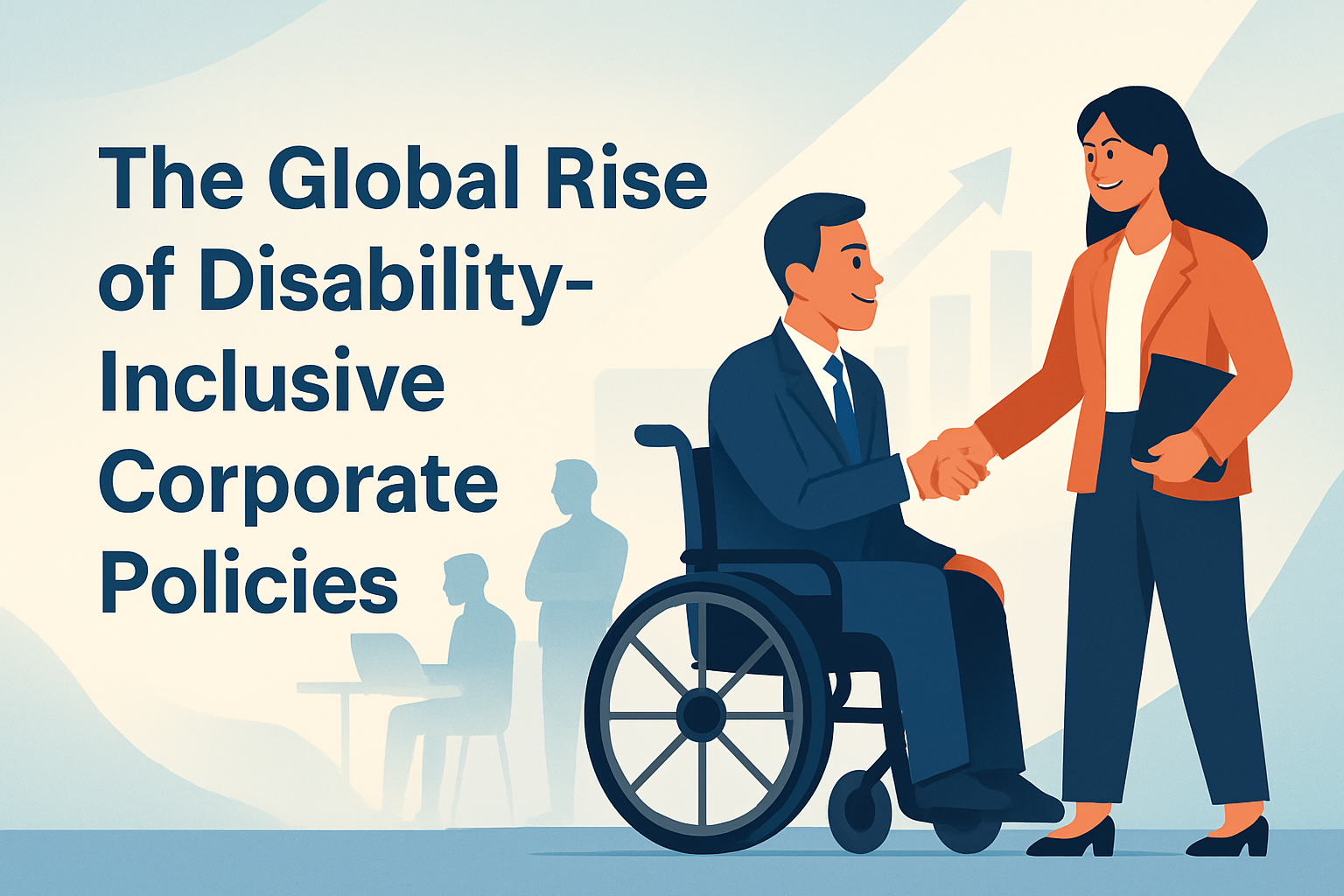
Employment remains a vital avenue for achieving independence and improving the quality of life for individuals with disabilities. Specialisterne, a company based in Denmark, has revolutionized the employment landscape by utilizing the unique talents of individuals with autism. Founded in 2004, Specialisterne means “The Specialists” in Danish and highlights the specialized skill sets often associated with autism, such as pattern recognition and attention to detail.
This company trains and employs individuals primarily on the autism spectrum for roles within technology-focused sectors, benefitting both the employer and employee. By creating an environment that values neurodiversity, Specialisterne has dispelled common myths about autism and employment, showcasing how diversity can enhance innovation and productivity in the workplace.
Specialisterne’s success story has inspired similar initiatives globally, including in the United States and Australia, illustrating how tailored employment solutions can create inclusive workplaces and leverage the full potential of a diverse workforce.
Conclusion: Championing Accessibility for a Brighter Future
Accessibility is a driving force for a more inclusive and equitable society. The success stories from different sectors around the world showcase profound innovations and highlight the tangible benefits of adopting accessibility-focused solutions. From public transport systems like the London Underground to educational institutions like Gallaudet University, and from architectural developments in Norway to digital tools like Apple’s VoiceOver, these real-world examples illustrate both the feasibility and necessity of integrating accessibility into our global infrastructure.
The key takeaway is clear: accessibility enhances the lives of millions globally while fostering environments of trust and respect. It allows for greater societal participation and reduces barriers that many face daily. By continuing to champion accessibility initiatives, individuals and organizations alike can contribute to crafting a future where inclusivity is not just an aspiration but a foundational aspect of all communities.
We encourage readers to advocate for accessibility within their spheres of influence, whether it be in workplaces, educational settings, or via technology. By doing so, we take significant strides towards realizing a world that celebrates and embraces difference and ensures equal opportunities for all.
Frequently Asked Questions
1. What are some of the most inspiring success stories in accessibility from around the world?
Across the globe, numerous success stories highlight groundbreaking steps taken to improve accessibility. One such tale is that of the city of Curitiba, Brazil, which has been revolutionizing public transport systems. They introduced the bus rapid transit system with accessibility in mind, incorporating level boarding ramps and auditory announcements to accommodate people with disabilities.
Moreover, in Japan, the DoReMiFa Club developed assistive technology called the ‘Eye Control System’ for those with profound physical disabilities, allowing users to operate a computer through eye movements alone. Lastly, initiatives like the Accessible India Campaign continue to transform public spaces and government facilities to ensure inclusivity for all citizens through comprehensive accessibility audits and retrofitting.
These stories exemplify creativity, commitment, and community collaboration, serving as powerful reminders that accessibility advancements are achievable and meaningful when there is a resolute focus on inclusivity.
2. How have advancements in digital technology enhanced accessibility for people with disabilities?
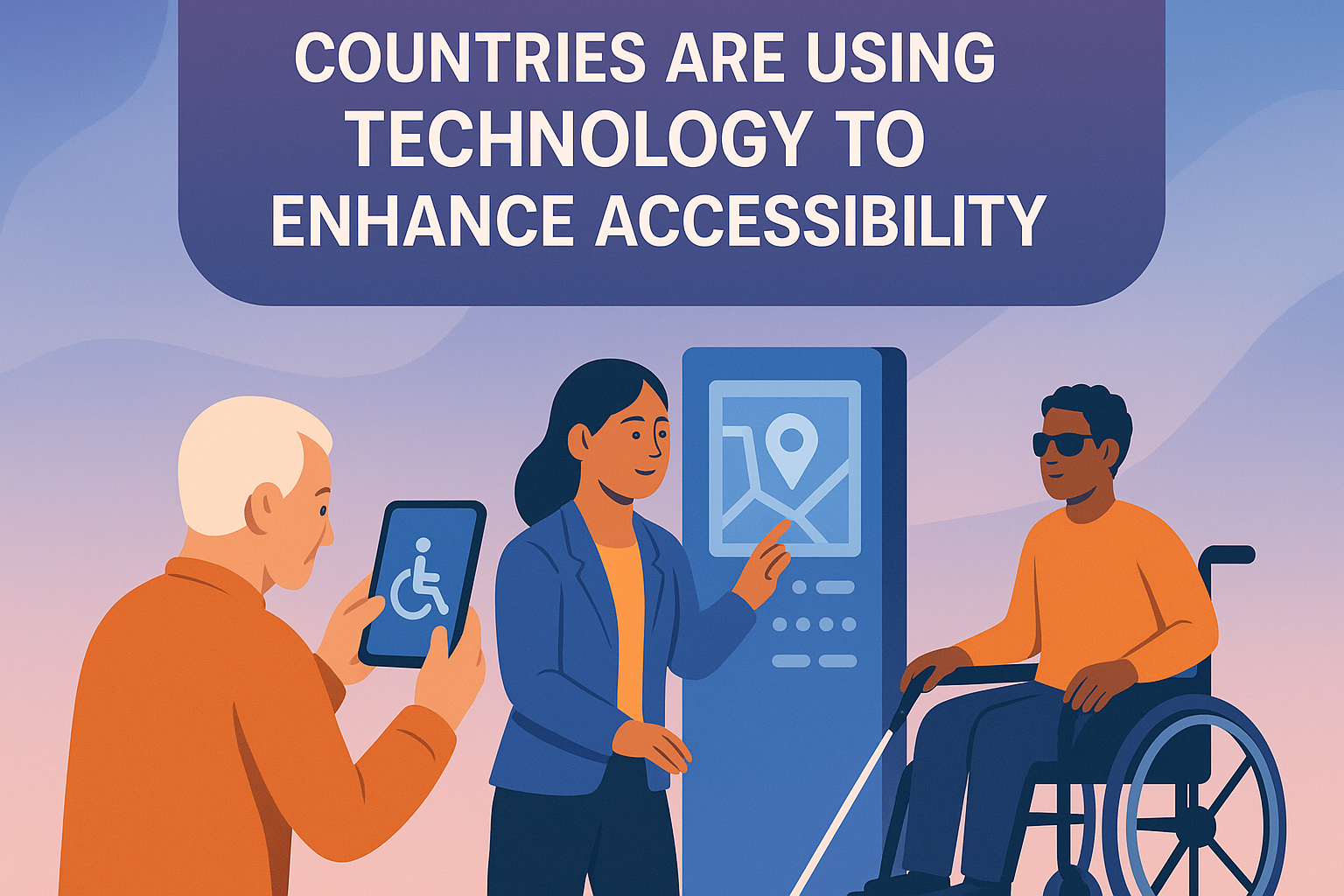
Advancements in digital technology have significantly elevated the level of accessibility for people with disabilities, serving as a transformative tool in many aspects of life. One major breakthrough has been screen readers, which assist visually impaired individuals by interpreting text on computers and smartphones into spoken word or Braille scripts.
Real-time language processing and AI-powered assistive technologies like voice recognition software offer people with mobility limitations seamless control over their devices through voice commands. Technologies such as augmented reality (AR) and virtual reality (VR) are opening new worlds to those with sensory impairments by creating immersive environments that simulate real-world experiences.
On social platforms, automated closed-captioning and customizable content display options have become mainstream, enabling more inclusive access to media content worldwide. These innovations illustrate how integrating digital technology into accessibility strategies is key to bridging gaps and ensuring equal opportunities.
3. Can you provide an example of a business or organization that has successfully improved accessibility?
A stellar example of a business that has embraced and advanced accessibility is Microsoft. They have made tremendous strides in making their products accessible, driven by the realization that designing for inclusion fuels innovation and customer satisfaction.
Microsoft’s accessibility vision led to the development of the Xbox Adaptive Controller, designed for gamers with limited mobility, featuring a customizable setup that caters to diverse physical needs. On the software front, the company integrated numerous assistive features into its Office suite, such as the Immersive Reader and improved screen reader support, ensuring that people with different abilities can fully utilize their applications.
This notable commitment to accessibility not only aligns with Microsoft’s inclusive company ethos but also demonstrates their understanding that creating equitable access benefits everyone, as it meets diverse consumer needs and won wide acknowledgment from the disability community globally.
4. What role do governments play in promoting accessibility, and can you provide successful examples?
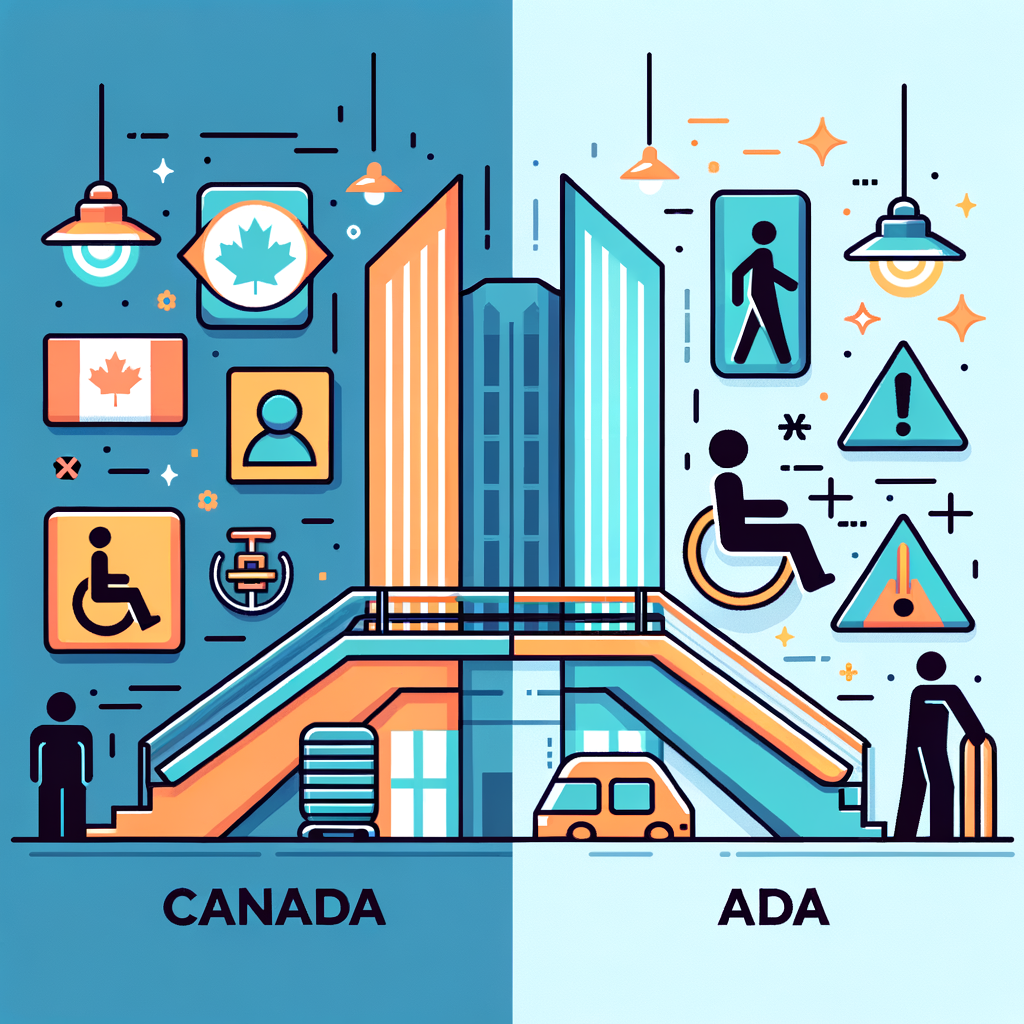
Governments play an indispensable role in promoting and implementing accessibility measures by setting legislative frameworks and spearheading public initiatives. The Americans with Disabilities Act (ADA) in the United States is a landmark legislation that drives equality by mandating accessibility standards across public and private sectors, including public accommodations, employment, and digital access.
In Europe, the European Accessibility Act pertains to a broad scope of goods and services aimed at harmonizing accessibility requirements throughout member states to ensure smooth mobility for people with disabilities. By engaging in public awareness campaigns and providing financial grants or technical support for accessibility projects, governments facilitate environments that embrace inclusivity.
The UK’s Equality Act and Australia’s Disability Discrimination Act are further illustrations of successfully enforcing policies that promote social equity. These laws embody a global shift towards integrating accessibility as a fundamental human right, compelling countries and organizations to foster accommodating, accessible spaces and services for individuals living with disabilities.
5. How can organizations measure the success of their accessibility initiatives?
Measuring the success of accessibility initiatives is vital for organizations to ensure they meet diverse user needs and continuously improve their efforts. One key approach is through qualitative feedback collection, such as surveys or focus groups, directly soliciting input from beneficiaries to understand their experiences and identify areas for improvement.
Quantitative metrics should also be assessed, like user engagement statistics, to evaluate patterns and identify any barriers to access experienced by people with disabilities. Compliance audits that align with globally recognized standards such as the Web Content Accessibility Guidelines (WCAG) provide valuable insights into conformity and areas for enhancement.
Organizations should also promote a culture of inclusion internally, evaluating staff awareness and training results to ensure that accessibility practices are pervasively applied across teams. By amalgamating these strategies, organizations can attain comprehensive perspectives on their accessibility initiatives’ effectiveness and make informed improvements continuously.