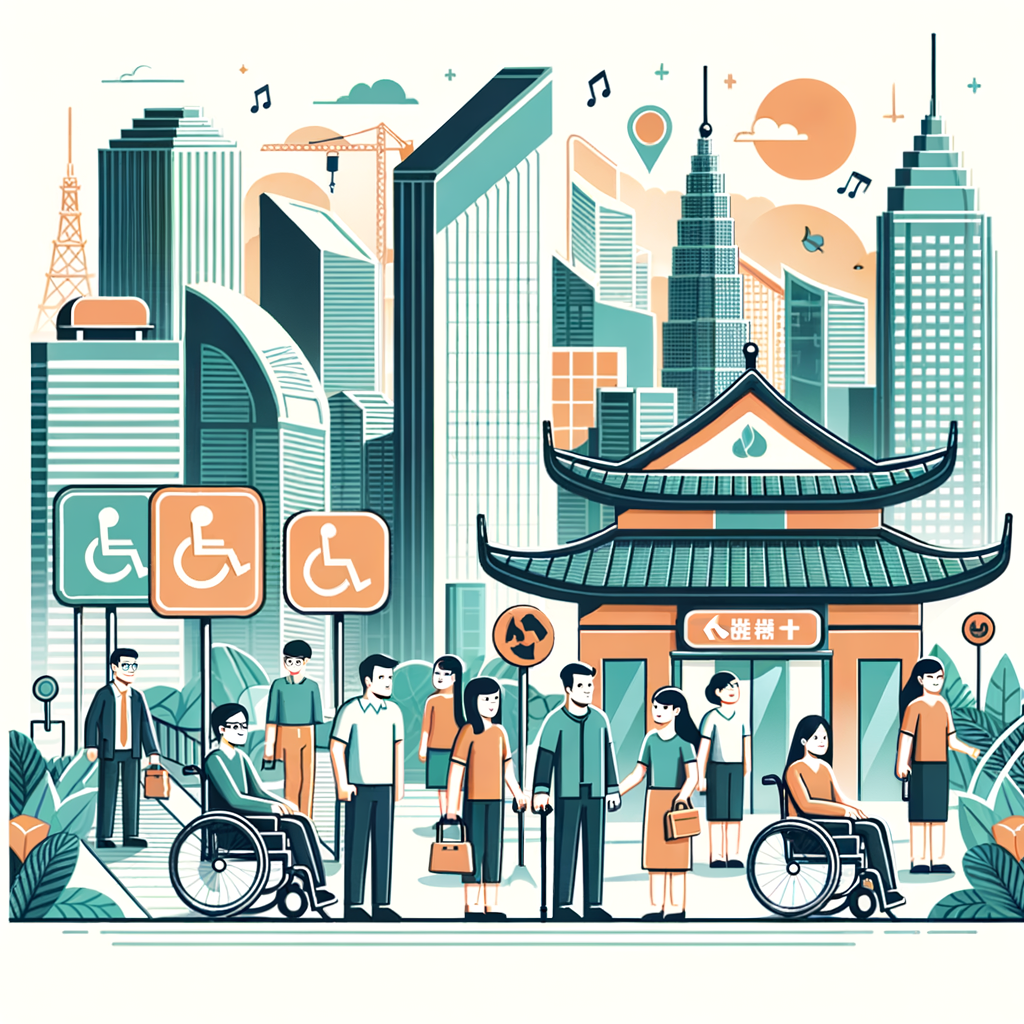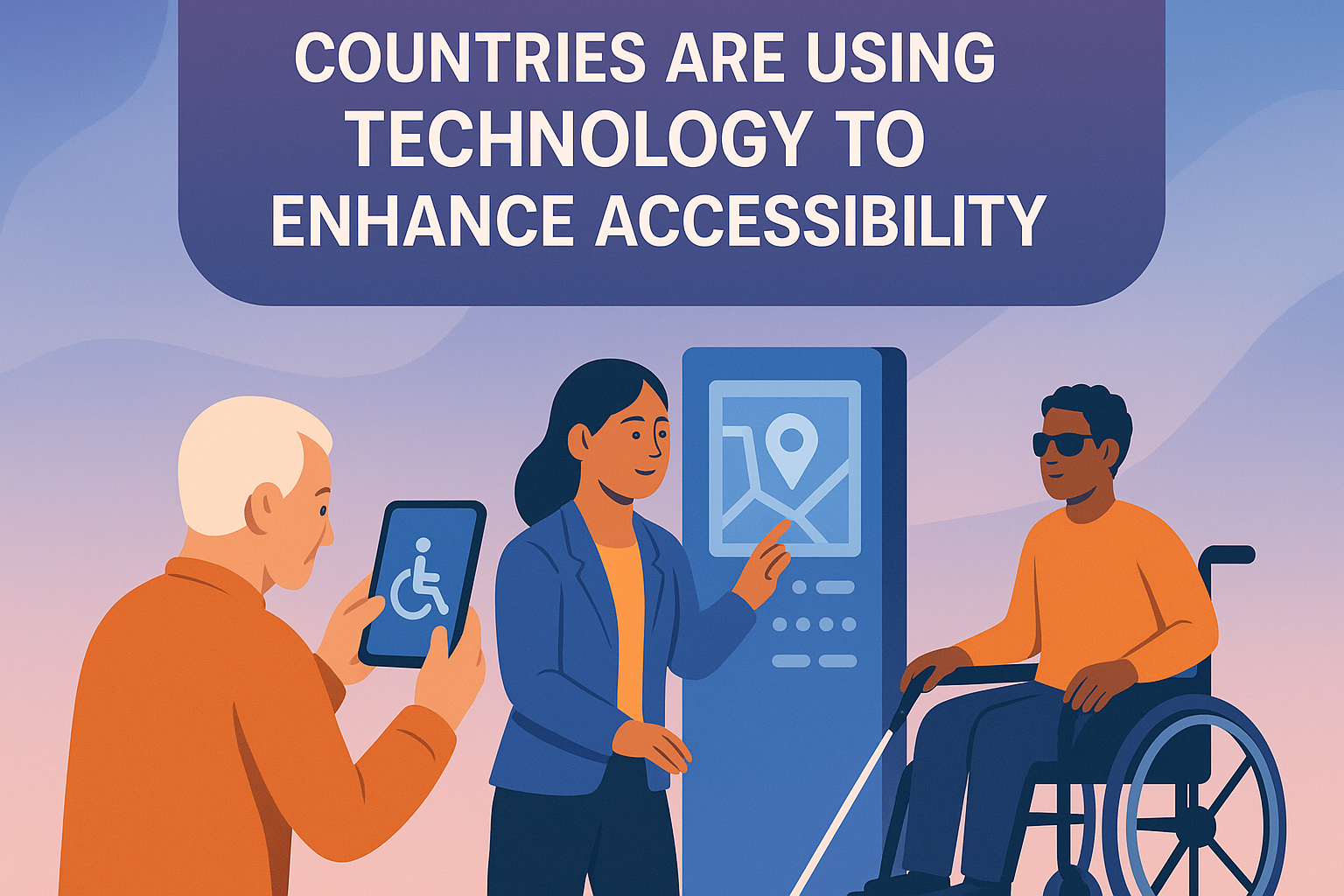
In recent years, technology has taken center stage as an enabler of inclusion and accessibility for diverse populations worldwide. Accessibility, in the context of technology, refers to the design of products, devices, services, or environments for people who experience disabilities. This encompasses physical, cognitive, and sensory impairments. Today, nations are leveraging technology to create environments that empower individuals with disabilities, ensuring they can participate fully in society. This is a crucial endeavor because accessibility is not just a matter of convenience; it is a fundamental human right that ensures equal opportunities for all. As technology continues to evolve, it holds immense potential to bridge accessibility gaps and foster an inclusive society. This article explores how various countries are utilizing technology to enhance accessibility, offering a detailed look into real-world examples that illustrate these advancements.
Digital Platforms for Inclusive Communication
Many countries are developing digital platforms that serve as bridges for communication, ensuring that individuals with disabilities can interact seamlessly with their environments. For example, Sweden has implemented a service called Teletal, which is a telephone relay service that enables people with speech impediments or hearing disabilities to communicate via phone. This service employs professional interpreters who assist individuals during phone calls by typing the conversation for them.
In the United States, the Federal Communications Commission (FCC) mandates video relay services (VRS), allowing people with hearing or speech impairments to communicate through sign language interpreters over video conferencing. Such platforms are designed to facilitate communication, providing users with tools that suit their specific needs without compromising quality or confidentiality. With these digital communication tools, barriers that once limited interaction are now being dismantled, creating a more inclusive communication landscape worldwide.
Smart Cities for Accessibility
The concept of smart cities is evolving to incorporate accessibility technologies that enhance the daily experiences of people with disabilities. Smart cities utilize Internet of Things (IoT) devices and sensors to create more responsive urban environments. For instance, the city of Barcelona has integrated a smart traffic management system that includes accessible signaling for visually impaired pedestrians.
In Japan, the city of Fukuoka employs smart technologies in public transportation and infrastructure to assist individuals with disabilities. This city has implemented smart transportation cards that communicate with accessible gates, allowing automated access without the need for physical intervention. Other features of the city’s accessible design include sensor-based public facilities that cater to real-time needs such as wheelchair accessibility, ensuring a smooth and independent commuting experience.
Adaptive Educational Tools
Education systems worldwide are embracing technologies that adapt to the learning needs of students with disabilities, offering them equitable learning opportunities. The United Kingdom has taken significant strides with the deployment of assistive technology in schools. For instance, schools across the country are using speech recognition software and screen readers to support students with dyslexia or visual impairments.
In Australia, the National Disability Insurance Scheme (NDIS) supports the use of adaptive technologies in education, providing financial assistance for students to access necessary tools. These technologies, ranging from specialized software to modified learning hardware, are transforming the educational landscape by catering to specific learning needs, thus lowering barriers to education for students with disabilities.
Healthcare and Assistive Technologies
Assistive technologies in healthcare have become a game-changer for individuals with disabilities, enabling them to lead healthier and more independent lives. In Canada, advancements in smart prosthetics are making significant impacts. Companies are developing prosthetic limbs equipped with sensors and AI capabilities that allow them to respond to user intent, offering improved functionality and comfort.
The Netherlands has been a pioneer in the implementation of robotic therapies, particularly in rehabilitation centers. These robotic devices support patients during physical therapy, providing consistent, precise movements that aid the recovery process. The implementation of such assistive technologies in healthcare is not only enhancing patient outcomes but also allowing individuals with disabilities to lead active and fulfilling lives.
Employment Opportunities Through Technology
Technology is transforming employment landscapes by making it more accessible for individuals with disabilities. Remote working platforms and assistive tools have opened a multitude of opportunities. In Germany, a concerted effort is being made to employ inclusive technologies like AI-powered job-matching platforms that cater specifically to disabled job seekers.
Companies in India are investing in workplace accessibility technology, such as speech-to-text applications and ergonomic software, which allow employees with disabilities to perform their jobs effectively. By integrating these technologies, organizations are not just diversifying their workforce but are also fostering an inclusive corporate culture that values the contributions of all employees.
| Country | Technology Used | Purpose |
|---|---|---|
| Sweden | Teletal | Enhance communication for speech and hearing impaired |
| Japan | Smart city Features | Facilitate accessible public transportation |
| United Kingdom | Assistive Educational Tools | Support students with disabilities |
| Canada | Smart Prosthetics | Enhance mobility for limb-disabled individuals |
| Germany | AI job-matching platforms | Provide employment opportunities for disabled job seekers |
Social Inclusion Through Technology
Social inclusion, particularly for individuals with disabilities, is crucial for a thriving society. Countries are developing platforms to encourage greater societal participation. For instance, South Korea’s innovative approach to virtual reality (VR) is allowing individuals with mobility impairments to experience cultural and natural landmarks virtually. Korea’s VR initiatives are a testament to how technology can overcome physical barriers, providing enriching experiences for everyone.
In Brazil, social inclusion technologies are being integrated into mobile apps that support community involvement. These apps help disabled users to locate accessible venues and participate in local events, effectively reducing social isolation. By integrating such technologies into everyday life, countries are encouraging inclusivity and breaking down social barriers that previously isolated individuals due to their disabilities.
Conclusion: Global Pursuit of Accessibility
In summary, it is clear that technology plays an indispensable role in enhancing accessibility across various sectors. From improving communication and adaptive education to providing employment opportunities and ensuring greater healthcare options, technology is breaking down barriers and promoting inclusivity on a global scale. These innovations demonstrate that a more accessible future is not just desirable but achievable.
As we move forward, it is crucial for governments, organizations, and individuals to embrace these technological advancements and continue to innovate. For readers, your next step could be as simple as educating yourself about the assistive technologies available in your community or advocating for greater accessibility in your own spheres. Collectively, we can ensure that accessibility remains a priority as technology evolves, crafting a world where every individual has the opportunity to thrive.
Frequently Asked Questions
1. How is Japan using technology to improve accessibility for individuals with disabilities?
Japan is at the forefront when it comes to integrating technology to foster accessibility and inclusion. One pivotal way Japan is enhancing accessibility is through the development of advanced robotics and AI. These technologies are being used to support daily activities for individuals with physical disabilities. For instance, service robots that assist in hospitals and care facilities offer physical support, while AI-powered systems help in navigating urban environments. Additionally, Japan has been focusing on making public transportation more accessible. Stations across the country are being equipped with tactile paving, voice-activated elevators, and mobile applications that provide real-time updates about service changes or any obstacles that might impact accessibility. Moreover, the advancement of speech-to-text and text-to-speech technologies is helping bridge communication barriers for individuals with hearing and speech impairments. These technologies are not only improving accessibility but are also serving to reduce the stigma associated with disabilities, allowing more inclusive participation in societal activities.
2. What steps is the United States taking to leverage technology for accessibility purposes?
The United States has long been a leader in promoting accessibility, and technology continues to be a key driver in this space. The Americans with Disabilities Act (ADA) laid the groundwork for accessibility, and now various technological solutions are enhancing this foundation. One of the major initiatives involves the development of accessible websites and digital content. The Web Content Accessibility Guidelines (WCAG) are widely adopted to ensure websites are usable by people with a range of disabilities. Furthermore, assistive technologies like screen readers for the visually impaired and voice recognition software are becoming mainstream tools. On the mobile front, apps like Be My Eyes and Aira connect visually impaired users with volunteers or agents through video calls to assist with navigation or reading tasks. In education, technology is used to create inclusive classrooms through adaptive learning technologies that tailor content to meet the individual needs of students with disabilities. The US government also supports innovation in this space through grants and partnerships with tech companies to develop new accessibility solutions, ensuring widespread access to these critical tools.
3. How is technology being utilized in developing countries to support individuals with disabilities?
In developing countries, where resources might be limited, technology serves as a pivotal tool for bridging the accessibility gap. Mobile technology, being widely accessible, is often used to help individuals with disabilities navigate daily challenges. One significant initiative involves the use of mobile health (mHealth) applications that provide medical information and services to people in remote areas or those who face physical barriers to accessing healthcare facilities. Various NGOs and international organizations are collaborating to develop and distribute affordable assistive technologies, such as low-cost hearing aids and digital Braille readers, that cater to the needs of local populations. Additionally, educational platforms that offer courses in sign language or provide learning materials in accessible formats are empowering individuals with disabilities to pursue education and vocational training. By harnessing these technologies, developing countries are not only promoting accessibility but are also improving the socio-economic conditions of individuals with disabilities, enabling them to contribute more significantly to their communities.
4. What role does the European Union play in promoting accessibility through technology?
The European Union (EU) has been a strong advocate for accessibility and inclusivity, leveraging technology as a cornerstone of its strategy. The EU’s Accessibility Act sets standards to ensure that digital products and services are accessible to individuals with disabilities. This includes ATMs, ticketing machines, and banking services. The EU is also investing in research and innovation to develop new technologies that support accessibility. Initiatives like the Horizon Europe program fund projects that integrate advanced technology in assistive devices and promote the wide-scale adoption of accessible information and communications technology (ICT). Additionally, the European Disability Strategy outlines priorities such as fostering inclusive education and employment through technology, ensuring all citizens can engage in digital society. By implementing regulations and fostering innovation, the EU aims to harmonize accessibility standards across member states, making Europe more inclusive for everyone.
5. How are smart cities contributing to improved accessibility worldwide?
As urbanization continues to rise, the concept of smart cities is becoming increasingly important, particularly in the context of enhancing accessibility. Smart cities leverage interconnected technologies to improve the quality of life for all residents, including those with disabilities. Technologies like the Internet of Things (IoT), artificial intelligence, and mobile applications are used to create more accessible public spaces. For example, IoT-enabled infrastructure can offer real-time information about the accessibility of public transport or alert city services to barriers, like a broken elevator. Smart traffic signals equipped with sensors can detect when individuals with disabilities are crossing streets, allowing for extended crossing times. Autonomous vehicles present another frontier, offering the potential for greater mobility and independence. Various global cities, such as Barcelona and Singapore, are implementing these technologies to develop more inclusive urban environments. By promoting accessible design in smart city planning, municipalities aim to ensure every resident can benefit equally from urban life, driving a more inclusive and equitable future.