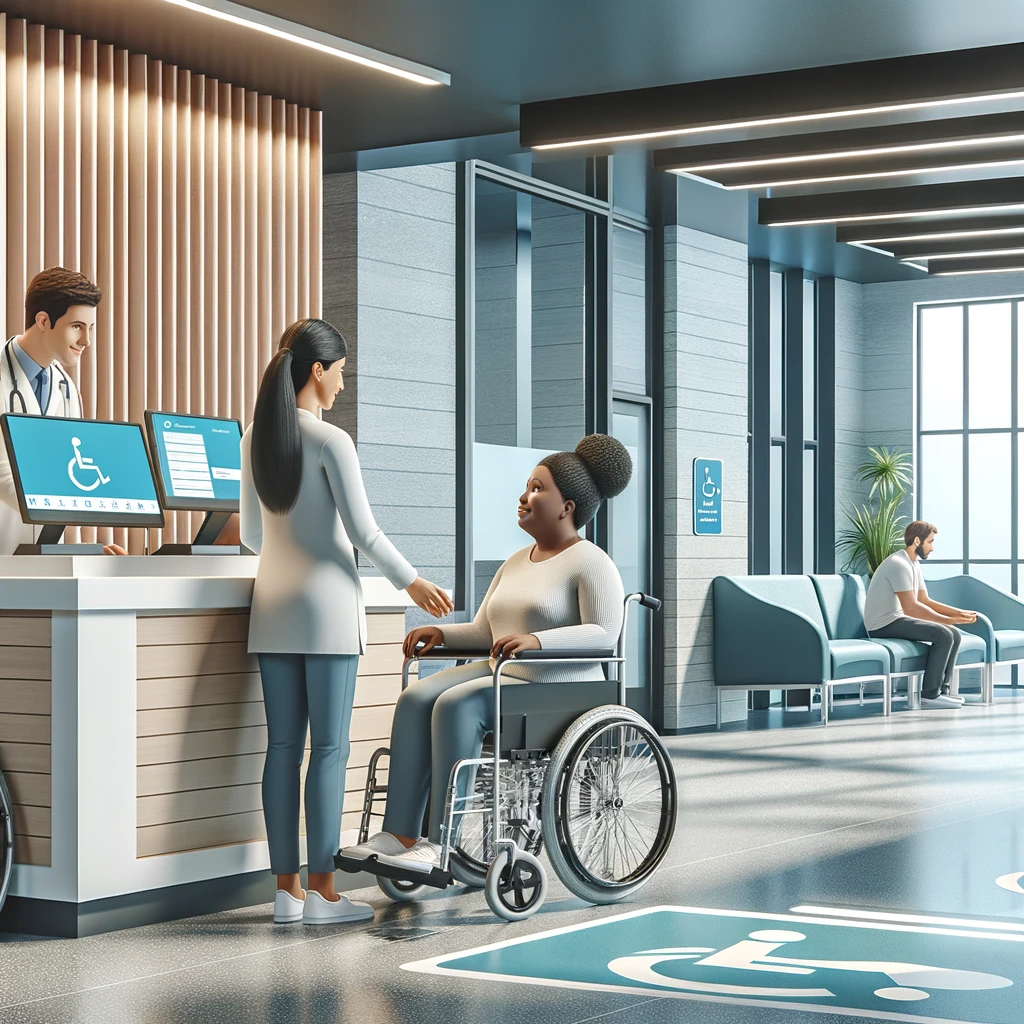
Modified breaks and rest periods are among the most practical ADA accommodations because they let employees manage health needs without removing essential job duties. Under the Americans with Disabilities Act, a reasonable accommodation is a change to the work environment or the way work is usually done that enables a qualified employee with a disability to perform essential functions or enjoy equal benefits of employment. In day-to-day practice, I have seen break-related accommodations resolve attendance issues, reduce errors, prevent symptom flareups, and keep strong employees in their roles. They matter because many disabilities are not solved by a single device or schedule change; they require periodic recovery time, medication management, glucose checks, stretching, hydration, restroom access, or decompression from pain, fatigue, or anxiety.
This topic sits at the center of employment accommodations and privacy because a break request often triggers two legal questions at once. First, what change is reasonable under the ADA? Second, how much medical information can an employer request, store, and share while evaluating that request? The answers are connected. An employer may seek documentation only when the disability or need for accommodation is not obvious, and any medical information obtained must be kept confidential in separate medical files. Supervisors generally need to know only the restrictions or accommodation, not the diagnosis, except in narrow safety or emergency situations. Employees often worry that asking for extra breaks will expose sensitive health information. A well-run interactive process avoids that problem by focusing on functional limitations, job demands, and workable solutions.
Modified breaks can include additional short breaks, longer existing breaks, flexible timing of breaks, permission to take breaks as needed, a private space during breaks, or the ability to combine rest periods with remote work or task rotation. These accommodations are common for diabetes, gastrointestinal disorders, pregnancy-related limitations, migraine, multiple sclerosis, autoimmune conditions, chronic pain, anxiety disorders, PTSD, medication side effects, and many other conditions. They can also interact with other laws and policies, including the Family and Medical Leave Act, the Pregnant Workers Fairness Act, state disability laws, workers’ compensation restrictions, and ordinary attendance rules. Because this page serves as a hub for employment accommodations and privacy, it explains not only when modified breaks are reasonable, but also how to request them, document them, protect confidentiality, and evaluate alternatives when an employer raises undue hardship.
What modified breaks and rest periods mean under the ADA
A modified break accommodation changes the frequency, duration, timing, or conditions of breaks so an employee can work safely and effectively. The Equal Employment Opportunity Commission has long treated modified or additional breaks as a potential reasonable accommodation when medically necessary. The key legal standard is not whether the employer already gives the same break to everyone. The question is whether adjusting the break structure would enable a qualified employee to perform the essential functions of the job without imposing undue hardship. That distinction matters. A company may lawfully have a standard policy of one meal period and two paid rest breaks, yet still need to permit extra unpaid breaks, off-cycle breaks, or flexibility in when those breaks occur.
In practice, I evaluate three facts first: the employee’s functional need, the workflow constraints of the role, and whether the issue is break length, break timing, or both. An employee with diabetes may need ten minutes at irregular times to check glucose and eat fast-acting carbohydrates. A call center worker with Crohn’s disease may need immediate restroom access rather than a longer lunch. A warehouse employee with neuropathy may benefit from two additional seated recovery periods to prevent falls and maintain pace over a full shift. These are all break accommodations, but each solves a different problem. When employers treat every request as a demand for less work, they miss the point. Properly designed breaks usually preserve productivity by preventing incidents, slowdowns, and absenteeism.
Who may need modified breaks and what limitations they address
Many disabilities create intermittent needs instead of constant restrictions. That is why break accommodations are so common. Employees with diabetes may need time to monitor blood sugar, use insulin, or eat on a fixed schedule. People with migraine may need a dark, quiet space and short recovery periods when prodrome symptoms begin. Workers with long COVID often report exertional intolerance and cognitive fatigue that improve with paced work and scheduled rest. Employees with anxiety or PTSD may need brief decompression breaks to regulate breathing and prevent panic symptoms from escalating. For workers with musculoskeletal pain, short stretch or position-change breaks can reduce inflammation and allow sustained performance later in the shift.
Restroom-related accommodations are especially important. Conditions such as irritable bowel syndrome, ulcerative colitis, Crohn’s disease, endometriosis, interstitial cystitis, pregnancy complications, and medication side effects may require immediate access to the restroom or more frequent trips than policy normally allows. Courts and the EEOC have repeatedly treated restroom access as a serious accommodation issue because delaying access can be medically unsafe and deeply stigmatizing. The same is true for hydration breaks, lactation-related needs governed by separate law, and side effects from treatment such as dizziness, nausea, or drowsiness. The need may be temporary, episodic, or long term. Duration matters for planning, but even short-term impairments can trigger accommodation duties depending on severity and impact.
How the interactive process should work without invading privacy
The interactive process should be focused, prompt, and practical. An employee does not need magic words or a formal legal citation to start it. A statement such as, “I have a medical condition and need additional restroom breaks,” is usually enough to put the employer on notice. The employer may then ask limited questions aimed at understanding the restriction and the accommodation needed. In a well-managed process, HR or a designated leave and accommodation specialist handles the medical exchange, not a frontline supervisor. That separation protects confidentiality and reduces the risk of gossip, retaliation, or unnecessary disclosure.
Employers are entitled to enough information to verify the existence of a covered impairment and the nexus between the impairment and the requested accommodation, but not to unlimited records. In most cases, a targeted note from a healthcare provider is enough. It should describe the functional limitations, expected frequency or urgency of breaks, and any environmental needs, such as privacy, seating, refrigeration for medication, or proximity to a restroom. Diagnosis may be relevant in some situations, but it is not always necessary. Broad demands for full medical files are often excessive. Once documentation is collected, it must be stored separately from the personnel file, with access restricted. Managers can be told what schedule flexibility or break protocol to allow; they generally do not need the underlying medical details.
Examples of reasonable break accommodations by job type
The most effective accommodations are tied to the actual workflow of the job. In office roles, employers can usually allow as-needed breaks with minimal disruption, especially when work is computer-based and deadlines are measured over the day rather than minute by minute. For retail jobs, the solution may be a coverage plan so another associate can monitor the register or fitting room during unscheduled breaks. In manufacturing, break modifications often work best when paired with cross-training, rotating tasks, or temporary reassignment away from nonstop line positions. Healthcare settings require more planning because patient safety matters, but even there, timed handoffs and float coverage can make accommodations workable.
Remote and hybrid work can support break accommodations, but they do not automatically solve them. I have seen employers assume that an employee working from home needs no further accommodation, only to discover that the person still has metric-based monitoring that penalizes brief offline periods for medication, stretching, or symptom management. The better approach is to align performance measures with essential outcomes. If a data analyst can meet reporting deadlines with periodic rest breaks, rigid activity tracking may be the real barrier. Conversely, some jobs have fixed-response demands, such as dispatch or live customer support. In those roles, modified breaks are still possible, but coverage and scheduling details become central.
| Job setting | Common break accommodation | Operational safeguard |
|---|---|---|
| Call center | Off-cycle restroom or glucose breaks | Aux code flexibility and backup queue coverage |
| Warehouse | Two extra seated recovery breaks | Task rotation and adjusted pick path |
| Retail | As-needed restroom access | Buddy coverage for register or floor zone |
| Office | Short stretch or decompression breaks | Deadline-based performance standards |
| Healthcare | Medication and hydration breaks | Structured handoff to charge nurse or float staff |
When employers can say no and what undue hardship really means
Not every requested break arrangement is reasonable in the exact form proposed. The ADA does not require elimination of essential functions, creation of a permanently unstaffed safety risk, or adoption of a schedule that causes significant difficulty or expense in context. Undue hardship is a specific defense, not a vague claim that accommodation is inconvenient. The employer should assess workplace size, staffing model, budget, the nature of the operation, peak demand periods, and whether alternatives exist. A small pharmacy with one pharmacist on duty may have stronger coverage constraints than a large corporate office. But even in a constrained setting, the analysis should not stop at the initial request. The employer still has to explore options.
Common alternatives include slightly different break intervals, temporary reassignment to a better-suited shift, unpaid intermittent break time, a nearby stool or sit-stand option, remote work for part of the week, task restructuring, or transfer to a vacant position if the current role cannot be accommodated. Employers also need to watch for discipline problems created by rigid policy enforcement. If a timekeeping system automatically flags “excessive break time,” those exceptions should be coded correctly once an accommodation is approved. Otherwise, the employee may suffer attendance points or performance write-ups for conduct the employer has agreed to permit. That kind of administrative failure is a frequent source of avoidable disputes.
Documentation, implementation, and confidentiality best practices
Once approved, a break accommodation should be documented in plain language. The record should state what is allowed, whether the time is paid or unpaid, how the employee signals the need for an unscheduled break, who provides coverage if relevant, and when the arrangement will be reviewed. Vague approvals such as “reasonable flexibility as needed” often fail because supervisors do not know how to apply them consistently. Clear implementation details reduce friction. If the employee uses medication, glucose supplies, mobility aids, heat packs, or a quiet room, the plan should address where those items are kept and whether access is immediate.
Confidentiality deserves equal attention. Medical notes, accommodation forms, and related emails should be stored separately from regular HR records. Supervisors should be trained to avoid asking public questions like, “Why do you need so many breaks?” and coworkers should not be given medical explanations for changed schedules. If colleagues notice the difference, the safest response is that the company handles personnel matters privately. Employees should also understand the limits of privacy. Emergency responders may need relevant information in a crisis, and safety personnel may need restricted knowledge when a condition affects evacuation or first aid planning. Those narrow exceptions do not justify broad workplace disclosure.
How modified breaks connect to broader rights and protections
As a hub topic, modified breaks lead directly into the wider landscape of employment accommodations and privacy. Breaks are often the first accommodation requested, but not the last. An employee who needs recovery periods may also need a later start time, intermittent leave, remote work, ergonomic equipment, a reduced-exertion assignment, a private lactation or medical space, or protection from disability-related harassment after coworkers notice different treatment. The same privacy rules continue to matter across all of those issues: employers should request only job-related, necessary information and safeguard it carefully. Coordination also matters when multiple laws apply. The ADA accommodation process can overlap with FMLA leave, workers’ compensation restrictions, union bidding rules, and state laws that provide broader coverage.
The central lesson is simple. Modified breaks are not minor perks; they are often the adjustment that keeps a qualified employee working. When employers analyze requests carefully, focus on functional limitations rather than assumptions, and protect medical confidentiality, they reduce legal risk while improving retention and performance. Employees should make requests early, provide targeted documentation, and ask for written confirmation of the approved arrangement. If the first proposal is not workable, both sides should keep problem-solving. That is how the law is designed to function. Use this hub as your starting point for the broader questions of workplace accommodations, medical privacy, documentation standards, leave coordination, and enforcement options when rights are denied.
Frequently Asked Questions
1. What are modified breaks and rest periods as ADA accommodations?
Modified breaks and rest periods are changes to an employee’s normal break schedule that help them manage a medical condition or disability while continuing to perform the essential functions of the job. Under the Americans with Disabilities Act, these accommodations can include additional short breaks, longer existing breaks, flexible timing for breaks, permission to take breaks as symptoms arise, access to a quiet rest area, or the ability to use break time for medical needs such as checking blood sugar, taking medication, stretching, hydrating, using medical equipment, or regulating symptoms like pain, fatigue, dizziness, anxiety, or breathing issues.
What makes these accommodations especially practical is that they often solve a real workplace barrier without changing the core duties of the position. In many cases, the employee can still meet productivity, attendance, safety, and performance expectations when given a different break structure. That is why modified breaks are frequently viewed as one of the more straightforward forms of reasonable accommodation. They can be highly effective, relatively low cost, and easier to implement than job restructuring or reassignment.
The key legal point is that the ADA does not require a single standard break pattern for every employee if a different arrangement is needed because of a disability and does not create an undue hardship for the employer. The focus is on whether the employee is qualified, whether the accommodation addresses limitations related to the disability, and whether it allows the employee to work safely and effectively. In real workplace situations, break-related accommodations often reduce flare-ups, prevent avoidable absences, and help employees remain productive throughout the workday.
2. When is an employer required to provide additional or modified breaks under the ADA?
An employer may be required to provide modified breaks when an employee has a disability within the meaning of the ADA, needs the change because of work-related limitations connected to that disability, and can perform the essential functions of the job with the accommodation. The duty to consider the request usually begins when the employee communicates that they need a workplace change for a medical reason. The employee does not have to use any special legal phrase or specifically mention the ADA. A statement such as “I need more frequent breaks because of my medical condition” is often enough to trigger the employer’s obligation to engage in the interactive process.
Once the issue is raised, the employer should evaluate the request in an individualized way. That means looking at the employee’s actual limitations, the nature of the job, the timing and length of the requested breaks, operational needs, and whether there are alternative accommodations that would be effective. Employers may request reasonable medical documentation when the disability or need for accommodation is not obvious, but the inquiry should be limited to information necessary to assess the request. The goal is not to challenge the employee unnecessarily, but to determine what adjustment will work.
The employer is not automatically required to grant the exact break schedule the employee asks for, but the employer must seriously consider effective options. If extra or differently timed breaks would allow the employee to manage disability-related symptoms and continue working, the accommodation may be required unless it would create an undue hardship or pose a direct safety concern that cannot be reduced through another accommodation. In practice, many disputes can be avoided when employers respond quickly, document the interactive process, and remain open to trial arrangements that can be reviewed and adjusted over time.
3. What kinds of medical conditions may support a request for modified breaks or rest periods?
A wide range of physical and mental health conditions may support a request for modified breaks, provided the condition qualifies as a disability and the break adjustment is connected to a functional limitation. Common examples include diabetes, where an employee may need breaks to monitor glucose levels or eat on a set schedule; multiple sclerosis or autoimmune disorders, where fatigue management is critical; chronic pain conditions that require periodic stretching or position changes; migraine disorders that may require rest in a low-stimulation space; gastrointestinal disorders needing urgent restroom access; respiratory conditions requiring time to use inhalers or regulate breathing; and seizure disorders where preventive rest may reduce risk.
Mental health conditions can also justify modified break schedules. Employees with anxiety disorders, PTSD, depression, panic disorder, or other psychiatric disabilities may need short breaks to regulate symptoms, use coping strategies, attend telehealth check-ins, or step away from triggering situations before symptoms escalate. Likewise, employees recovering from cancer treatment, surgery, or other serious medical issues may need temporary or ongoing rest-period adjustments to maintain stamina and remain at work.
The important point is that eligibility does not depend on a diagnosis alone. The ADA analysis turns on how the condition affects the employee in the workplace and whether a modified break arrangement will help address those limitations. Two employees with the same diagnosis may need very different accommodations. One may need a predictable extra break every two hours, while another may only need flexibility to pause work if symptoms suddenly flare. That is why employers should avoid assumptions and instead focus on the individual employee’s restrictions, job demands, and the practical effectiveness of the requested accommodation.
4. Can an employer deny a request for extra breaks or a different rest schedule?
Yes, an employer can deny a request, but not simply because the request is inconvenient or different from standard policy. Under the ADA, the employer must have a legitimate legal basis for denying the accommodation, such as undue hardship, inability of the employee to perform essential functions even with the accommodation, or a safety risk that cannot be sufficiently reduced. Undue hardship is a fact-specific standard. It generally means significant difficulty or expense in light of the employer’s size, resources, operations, staffing structure, and the nature of the job. The analysis is not supposed to be speculative or based on generalized concerns.
For example, an employer may have a stronger argument for denial if the employee works in a position requiring uninterrupted monitoring of safety-sensitive equipment and there is no way to provide coverage during unscheduled breaks. But even in that situation, the employer should still explore alternatives before saying no. Those alternatives might include reassigning certain marginal tasks, arranging relief coverage, adjusting shift schedules, using a quiet nearby recovery area, or allowing shorter but more frequent pauses at less disruptive times. A flat refusal without meaningful discussion can create legal risk.
It is also important to remember that denying the exact requested accommodation does not end the employer’s obligations. If one break arrangement is not feasible, the employer should continue the interactive process and consider other effective options. Courts and enforcement agencies often look closely at whether the employer genuinely tried to find a workable solution. In many cases, the real issue is not whether breaks can be modified at all, but how they can be structured in a way that balances the employee’s disability-related needs with legitimate operational demands.
5. How should employees and employers handle requests for modified breaks to avoid ADA disputes?
The best approach is prompt, clear, and documented communication. Employees should explain that they need a change in break timing, frequency, duration, or rest access because of a medical condition or disability. They do not need to disclose every detail of their medical history, but they should provide enough information to show that the request is connected to a health-related limitation. When requested appropriately, medical documentation can help clarify the nature of the limitation, why the break modification is needed, and whether the need is temporary, intermittent, or ongoing.
Employers should respond by starting the interactive process rather than making immediate assumptions. That means discussing the employee’s limitations, asking focused follow-up questions when necessary, reviewing the essential functions of the job, and considering whether the requested accommodation is effective and feasible. Employers should also evaluate whether there are comparable alternatives if the original request presents operational concerns. A short-term trial period can be useful, especially when the impact of the break arrangement is uncertain. Trial accommodations often help both sides test what works before settling on a long-term plan.
Documentation matters for both parties. Employers should record the request, the discussions that took place, the information reviewed, the options considered, and the reasons for any approval, modification, or denial. Employees should keep copies of requests, medical support, and any written responses. This helps create a clear record of good-faith participation in the process. In day-to-day workplace practice, break-related accommodations are often most successful when treated as practical problem-solving rather than conflict. When both sides stay focused on essential job duties, medical necessity, and workable scheduling, modified breaks can be one of the most effective and least disruptive ADA accommodations available.