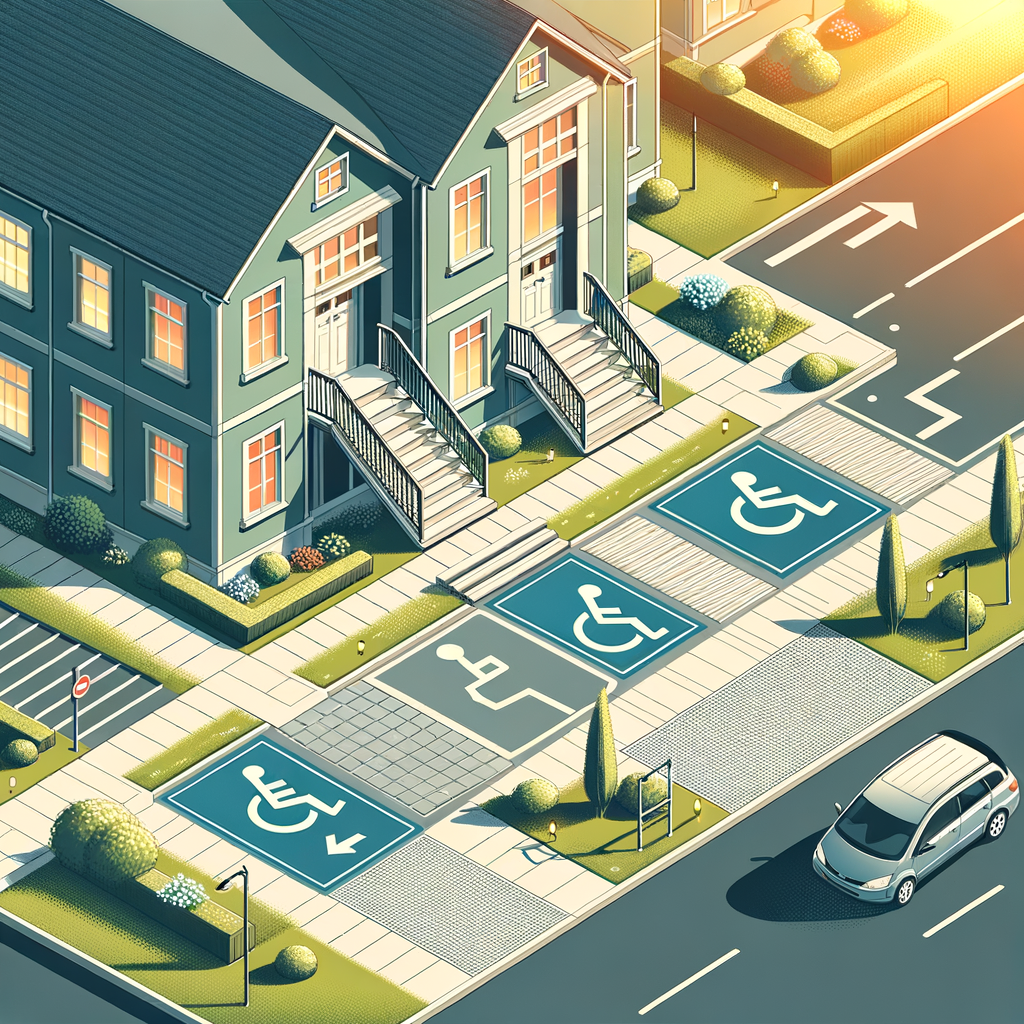
Making residential communities ADA (Americans with Disabilities Act) compliant is not just a legal obligation but also a commitment to inclusivity and accessibility. As a property manager, understanding the requirements and processes for ADA compliance is crucial. The law mandates reasonable accommodations for individuals with disabilities to have equal access to public and private spaces, which directly impacts the design, operation, and management of residential properties. This comprehensive guide aims to equip property managers with the necessary knowledge and strategies to make their residential communities ADA compliant. By the end of this article, you will have a clear understanding of the significance of ADA compliance, the legal framework surrounding it, and practical steps to ensure that your property meets these requirements. Together, we’ll explore the benefits of compliance, key barriers, and solutions that promote a universally accessible environment, ultimately enhancing the quality of life for all residents and visitors.
Understanding the Legal Framework
The Americans with Disabilities Act, enacted in 1990, is a pivotal piece of civil rights legislation that prohibits discrimination based on disability. Property managers must familiarize themselves with Title II and Title III of the ADA, as these directly impact residential properties. Title II pertains to state and local government facilities, while Title III covers public accommodations and commercial facilities. Residential apartments are not directly classified as public accommodations; however, common areas, leasing offices, and amenities open to the public are subject to ADA compliance. Familiarizing yourself with these provisions is the first step towards creating an accessible environment.
Assessing Current Accessibility Features
Conducting a comprehensive assessment of your property’s current accessibility features is fundamental. This review should include a detailed examination of all common areas, amenities, and infrastructure. Key areas to scrutinize include pathways, entrances, elevators, parking, signage, door widths, bathroom facilities, and recreational spaces. An accessibility audit, preferably conducted by a certified ADA consultant, can identify existing barriers and form the basis for improvements. Utilize this audit to develop a clear action plan addressing shortfalls. Prioritizing concerns that directly impact residents’ daily lives improves compliance and demonstrates a commitment to inclusivity.
Strategizing Modifications for Compliance
Once an audit identifies areas of non-compliance, the next step is planning modifications. It’s necessary to implement these changes thoughtfully and systematically. The adjustment of physical structures such as ramps, curb cuts, handrails, and door automation ensures accessibility. Prioritize projects that align with both the severity of accessibility barriers and budget considerations. It’s essential to collaborate with contractors experienced in ADA compliance to implement changes efficiently and effectively. Furthermore, consider innovative design solutions that not only meet legal requirements but also enhance the aesthetic and functional appeal of the property.
Incorporating Advanced Technologies
Integrating advanced technology can profoundly impact accessibility for residents with disabilities. Accessibility technologies offer solutions like voice-activated controls, smart home systems, and automated entry systems. Such technologies not only enhance compliance but also improve the overall quality of living. Implementing assistive technologies in apartments, including programmable thermostats, lighting, and security systems which can be controlled remotely, transforms a living space into a universally inclusive environment. Moreover, ensuring that these technologies are accessible and user-friendly is critical. Regular training sessions and technical support can facilitate a seamless transition to these advanced systems, creating a supportive and inclusive atmosphere for all residents.
Building a Culture of Inclusivity
Beyond physical modifications and technology, fostering a culture of inclusivity within residential communities is essential. Staff training plays a significant role in this endeavor. Equip your management and maintenance teams with knowledge and skills to assist individuals with disabilities effectively. Encourage open communication with residents about accessibility needs and ensure that their voices are heard and respected in decision-making processes. Create awareness campaigns and organize community events that celebrate diversity and inclusiveness. By proactively promoting inclusivity, property managers can transform residential communities into welcoming spaces for everyone.
Securing Financial Resources for Compliance
Financing ADA modifications and improvements can present challenges. However, various funding sources and incentives can be leveraged to alleviate financial constraints. Research and apply for federal and state grants dedicated to accessibility improvements. Explore tax incentives and credits available to businesses undertaking ADA compliance projects. Additionally, adopting a phased approach to modifications can distribute costs over time, making the financial burden more manageable. Effective financial planning and resource management pave the way for sustainable compliance efforts, ensuring that accessibility is achieved without compromising financial stability.
Ensuring Ongoing Compliance and Evaluation
ADA compliance is an ongoing commitment beyond initial modifications. It necessitates continuous evaluation and adaptation to changing regulations and resident needs. Regularly update your accessibility audit to reflect property changes and technological advancements. Foster open lines of communication with residents and staff to identify new accessibility challenges as they arise. Establish a feedback mechanism that allows for regular assessment of compliance efforts. Keep informed about updates in ADA legislation and industry best practices to maintain compliance and enhance accessibility proactively. By institutionalizing these practices, property managers ensure their communities remain accessible, inclusive, and welcoming to all individuals.
Conclusion
In conclusion, making residential communities ADA compliant is a multifaceted process that combines legal knowledge, practical strategies, and a commitment to inclusivity. As property managers, understanding the intricacies of the ADA law and its application to residential settings is paramount. By conducting thorough assessments, implementing strategic modifications, embracing technology, fostering an inclusive culture, securing financial resources, and ensuring ongoing compliance, property managers can transform their properties into accessible havens for individuals with disabilities. Compliance not only meets legal obligations but also reflects a moral commitment to equality and diversity. Ultimately, these efforts create vibrant, supportive communities where every resident, irrespective of their abilities, can enjoy a high quality of life and experience the dignity that comes with accessible living environments. Embrace the journey towards ADA compliance as an opportunity to lead your community towards a future where accessibility and inclusion are seamlessly woven into the fabric of everyday life.