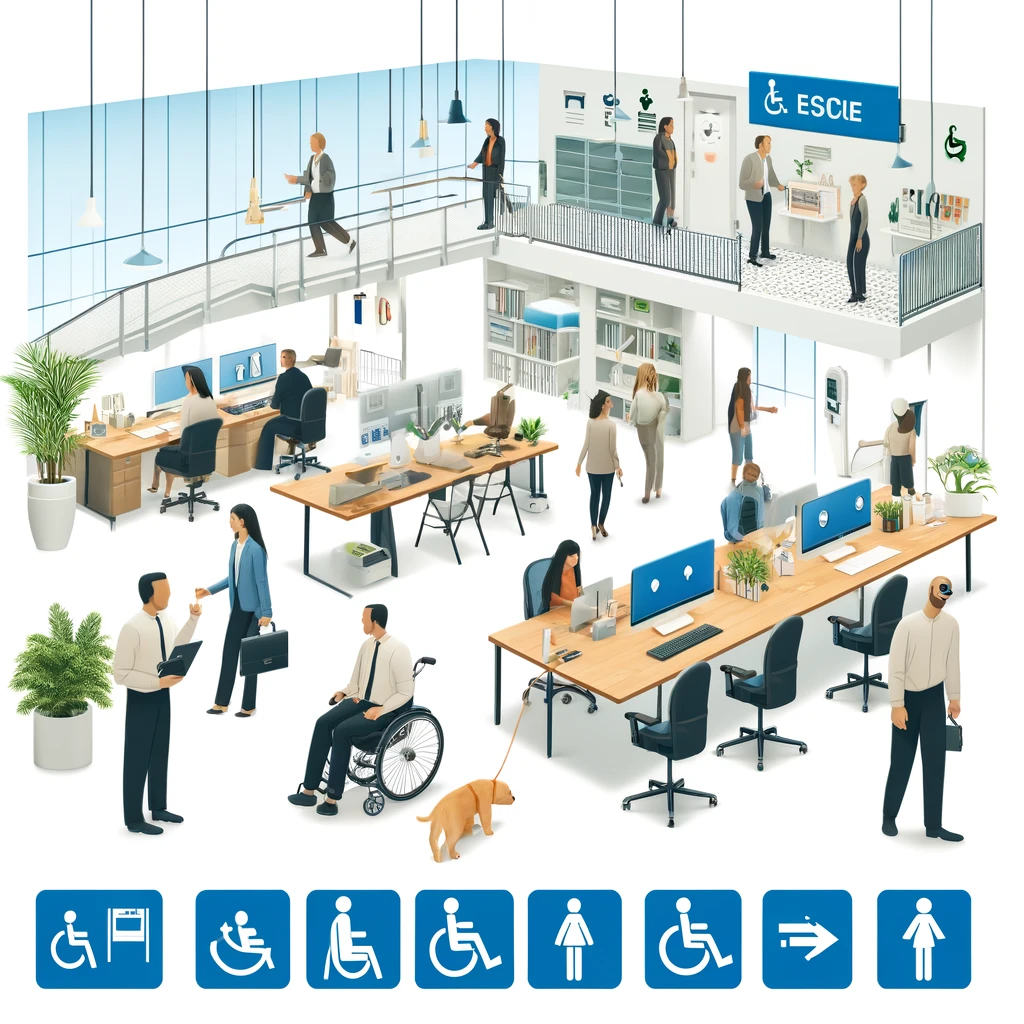
Introduction to ADA Compliance
The Americans with Disabilities Act (ADA) is a pivotal piece of legislation that ensures individuals with disabilities are afforded the same rights and protections as any other citizens in various facets of life, including employment and access to public facilities. The core tenet of ADA compliance is to prevent discrimination and foster inclusivity for individuals with disabilities, enabling them to participate fully in societal activities. While the ADA’s fundamental principles are widely acknowledged, implementing these into practice can be particularly challenging for complex organizational structures.
Complex organizations, typically vast enterprises with layered hierarchies and diverse operating segments, can struggle to maintain cohesive ADA compliance. These challenges arise due to the sheer scale, diverse functional units, and often geographically dispersed branches, rendering ADA implementation a multifaceted endeavor. Within such complexity, ensuring that all operational aspects, from leadership directives to individual workplace setups, align with ADA requirements becomes imperative, yet intricate. Understanding ADA compliance within these complex structures is not merely about ticking regulatory boxes; it’s about embedding a culture of accessibility and inclusivity into the organizational fabric.
Given these challenges, organizations often seek guidance on best practices to integrate ADA principles effectively across all operations. Understanding the nuances of ADA compliance in large-scale settings is crucial for organizations looking to champion inclusivity while mitigating legal risks associated with non-compliance. This article provides insights into navigating ADA compliance for complex organizational structures, drawing focus on understanding legal obligations, implementing effective strategies, and fostering an inclusive culture. As organizational complexities increase, so does the responsibility to ensure that no aspect of operation inadvertently marginalizes individuals with disabilities.
Understanding ADA Compliance Requirements
ADA compliance mandates accessibility and anti-discrimination, requiring workplaces and services to accommodate people with disabilities. This extends to the physical and digital realms, thereby entailing modifications to buildings, communication channels, and employment practices. Organizations need to comprehend these legal imperatives to develop effective compliance strategies. The first step in achieving compliance is understanding what the ADA requires and how it applies to specific organizational contexts. Notably, Title I of the ADA focuses on employment practices, ensuring reasonable adjustments are made to empower people with disabilities to compete on equal footing with their peers. Meanwhile, Title III pertains to public accommodations and requires businesses open to the public to be accessible to disabled individuals.
For complex organizations, the varied nature of operations presents multiple layers of ADA applicability. From retail locations requiring accessible entrances and exits to administrative offices necessitating ergonomic setups, each component must align with ADA standards. Furthermore, websites and digital content increasingly fall under scrutiny, pushing companies to ensure virtual accessibility, such as providing screen reader compatibility and video captions.
Challenges in Complex Organizational Structures
The intricate dynamics within complex organizations pose unique challenges in achieving ADA compliance. These challenges often stem from maintaining consistent adherence across numerous locations and departmental functions. A single unified ADA policy will likely face implementation hurdles across different jurisdictions, given the disparity in existing local laws and infrastructure conditions. Additionally, coordinating compliance efforts across extensive and varied operations necessitates a robust oversight system and clear lines of communication.
Further complicating the landscape, complex organizations might encounter logistical challenges in retrofitting older structures to meet ADA standards without impeding daily operations. Historical buildings, for instance, may require substantial modifications to become accessible, which could entail high costs and disruption. Similarly, integrating digital accessibility might involve overhauls of existing IT systems, requiring substantial investment and time.
Strategies for Effective ADA Compliance Implementation
To successfully navigate ADA compliance complexities, organizations should first establish a multidisciplinary task force responsible for leading accessibility initiatives. This task force, ideally composed of diverse experts, will be tasked with advocating for and facilitating ADA compliance implementations. The team should collaborate to identify high-priority focus areas, conduct comprehensive site audits, and design action plans that address specific ADA requirements.
Education and training are essential components of ensuring ADA compliance across complex structures. By equipping employees at all levels with the necessary knowledge and resources, organizations can foster a collective responsibility towards inclusivity. Training sessions should highlight ADA principles and practical steps employees can take to contribute to the organization’s overall ADA goals. Additionally, organizations should establish internal reporting channels that encourage feedback and suggestions related to accessibility improvements.
Regular audits and evaluations provide another layer of safeguard for ADA compliance. Conducting periodic reviews of facilities, processes, and digital platforms enables organizations to identify potential accessibility gaps and address them proactively. These audits can serve as feedback loops, informing continuous improvement in strategy and implementation. By incorporating accessibility into regular operational reviews, companies can ensure ADA adherence evolves alongside their organizational growth.
Implementing Technological and Structural Solutions
Technological advancements offer powerful means to facilitate ADA compliance, particularly in digital spaces. By utilizing accessibility-focused technology, organizations can transform various aspects of their operations to better serve disabled individuals. Website accessibility tools, for example, can ensure online content accommodates people with visual, hearing, or cognitive impairments. These tools often include features like alt-text for images, keyboard navigation, and adaptable font sizes and colors to enhance readability.
On the structural front, the incorporation of universal design principles can greatly aid in creating accessible environments. Universal design prioritizes creating spaces that are usable by people of all abilities, minimizing the need for subsequent adaptations or modifications. By embedding universal design concepts during initial facility planning stages, organizations can not only meet ADA standards but also provide an inclusive experience naturally and seamlessly.
Cultivating an Inclusive Organizational Culture
Ultimately, successful ADA compliance extends beyond technical and structural adjustments; it encompasses the cultivation of an inclusive culture that permeates every aspect of the organization. Fostering inclusivity involves promoting a culture where employees and customers with disabilities are welcomed, valued, and empowered. This can result in an enriched organizational environment appreciative of diversity.
Inclusive culture-building begins by reiterating the organization’s commitment to accessibility and anti-discrimination through visible leadership endorsement and communicative transparency. Creating opportunities for dialogue and engagement on accessibility topics among stakeholders ensures ongoing innovation and responsiveness in ADA compliance efforts.
Additionally, internal recognition and celebration of milestones achieved in accessibility improvements reinforce the importance of an inclusive culture within complex organizational structures. This not only encourages sustained efforts towards accessibility but also engenders loyalty among employees and customers inspired by active commitment to inclusivity.
Conclusion: The Future of ADA Compliance in Complex Organizations
In recognizing the significance of ADA compliance, especially within complex organizational structures, we must acknowledge the continuous evolution of both societal expectations and legislative demands. As the emphasis on accessibility grows, so too must the agility and responsiveness of organizations in updating their ADA compliance measures. Organizations need to remain vigilant, consistently self-assessing and recalibrating their strategies to meet emerging standards and technologies.
The future of ADA compliance in complex organizations hinges on two pivotal considerations: adaptability and integration. Organizations should prioritize a dynamic approach that anticipates and accommodates changes in accessibility standards. Simultaneously, integrating inclusivity into every aspect of organizational operations—not solely as compliance checkpoints but as integral values—will enhance resilience against potential legal challenges and reputational risks.
As we advance further into the 21st century, the conversation surrounding ADA compliance continues to evolve. Complex organizations that invest in understanding and implementing comprehensive ADA strategies will establish themselves as leaders in inclusivity, building more resilient, equitable environments for all stakeholders. This requires continuous effort, open-mindedness, and a steadfast commitment to transforming aspirational accessibility goals into tangible outcomes. Ensuring ADA compliance is not merely a legal mandate; it is an opportunity to refine organizational structures, prioritize inclusivity, and inspire positive societal change.