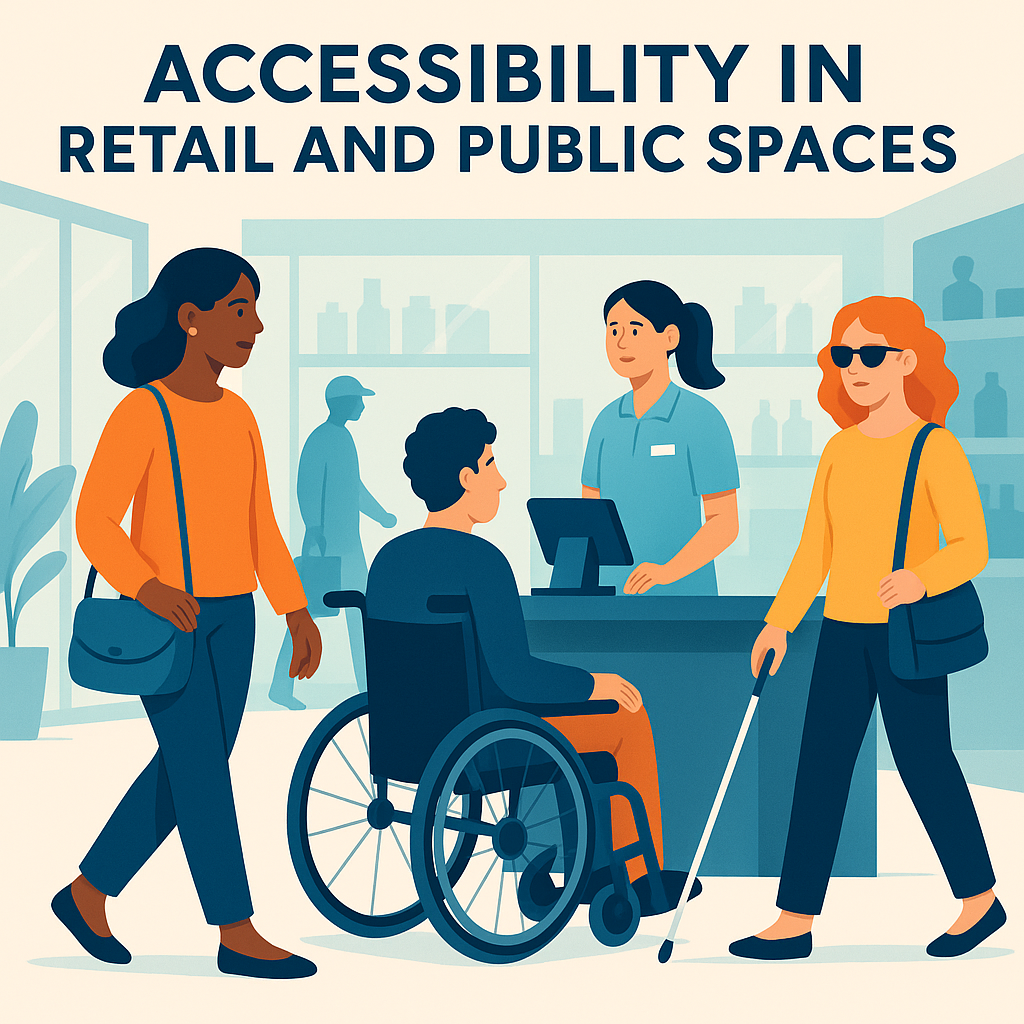
Introduction to Accessibility in Retail and Public Spaces
The case of Johnson v. Starbucks Corp. brought to light a pivotal issue concerning accessibility in retail and public spaces. This legal case highlights the importance of ensuring that all individuals, regardless of their physical abilities, can equally access goods and services. Accessibility, in a societal context, refers to the ease with which a disabled person can access a location, service, or product. In the commercial world, ensuring accessibility means complying with legal frameworks like the Americans with Disabilities Act (ADA), which mandates accommodations for those with disabilities. Ensuring accessibility is not just a legal requirement; it connects deeply with social justice, economic opportunity, and inclusivity principles.
Accessibility matters because it is a step towards social equity, offering everyone an even playing field concerning access to services, jobs, information, and leisure. It liberates people with disabilities from the constraints that physical barriers impose, encouraging their full participation in public life. The case of Johnson v. Starbucks Corp. underscores the ongoing challenges and close judicial scrutiny surrounding accessibility compliance. The importance of this case rests on how it could shape future policies and practices of companies, thereby catalyzing broader changes in accessible design across industries. Understanding the implications of Johnson v. Starbucks Corp. can help businesses, advocates, and policymakers align better practices with legal responsibilities and social ethics.
Accessibility Challenges in Retail Settings
Retail environments are frequently scrutinized for accessibility barriers, as they are spaces meant for consumer interaction, and therefore, accessibility directly impacts customer experience and inclusivity. Many retail spaces are housed in older buildings not designed with modern accessibility standards in mind, thus posing significant challenges. In Johnson v. Starbucks Corp., the plaintiff argued that certain architectural barriers in a local Starbucks store restricted access and full enjoyment of the premises to persons with disabilities.
Common issues in such environments include doorways that are too narrow for wheelchair passage, inappropriate restroom facilities, inaccessible product shelves, and inadequate signage. While some stores might attempt makeshift solutions, true compliance with accessibility standards requires thoughtful, professional design and regular audits. Addressing these issues is not only a question of compliance but also a matter of respecting customer dignity and promoting equal opportunity for participation in consumer life.
The Legal Framework: Understanding the ADA
The Americans with Disabilities Act (ADA) is the cornerstone legislation in the United States that mandates accessibility in public spaces. The ADA requires that businesses ensure their facilities are accessible to people with disabilities unless doing so presents an undue burden. This legal requirement spans a wide array of structures and services, from parking spaces and entrances to the accessibility of web content.
In the context of Johnson v. Starbucks Corp., the ADA served as the legal basis for the plaintiff’s claim. The plaintiff alleged that the design of the Starbucks store in question did not meet ADA standards. Such claims are increasingly common, underscoring the necessity for businesses to actively maintain compliance through periodic accessibility audits, employee training, and proactively adopting a universal design approach. Through such measures, businesses can avert legal action and, more importantly, foster an inclusive environment.
Evaluating the Impact of Johnson v. Starbucks Corp.
The outcome of Johnson v. Starbucks Corp. carries significant implications for retail and public space managers by compelling a reevaluation of current policies regarding accessibility compliance. If the ruling strongly favors the plaintiff, it may catalyze heightened attention to and investment in accessibility infrastructures. Often, litigation highlights systemic issues that companies might have overlooked either due to lack of awareness or prioritization.
Post this case, Starbucks could consider undertaking comprehensive audits of its stores nationwide, similar to other major corporations that have proactively upgraded their facilities understanding the risk of non-compliance. Additionally, the case might prompt legislative discussions or initiatives that further detail or modify compliance standards in light of contemporary challenges and consumer expectations. Such advancements would not only benefit individuals with disabilities but also serve to enhance customer experiences for all, proving the wide-reaching benefits of accessible design.
Implementing Effective Accessibility Solutions
Implementing effective accessibility solutions requires a multifaceted approach involving architecture, technology, and employee training. An effective strategy is to incorporate universal design principles, which focus on creating products and spaces usable by everyone, regardless of ability, without the need for adaptation or specialized design. This approach is supported by the idea that improving accessibility is beneficial not just to those with disabilities, but to a broader audience, including the elderly and even parents with young children in strollers.
- Conducting regular audits to identify and address potential barriers
- Incorporating technological aids like mobile apps for navigation assistance
- Redesigning spaces to include wider aisles, ramps, and accessible fixtures
- Providing staff with comprehensive training on assisting all patrons effectively
One practical example within this framework is Apple, which prides itself on accessible retail spaces designed with a seamless customer experience in mind. Elevators, ramps, and large spaces are commonplace, demonstrating the integration of accessibility as a business priority. By viewing accessibility as an integral part of the retail experience, companies can enhance customer satisfaction and build a more loyal customer base.
Conclusion: Making Accessibility a Priority
Johnson v. Starbucks Corp. serves as a poignant example of the critical importance of accessibility in public and commercial spaces, shedding light on the need for inclusive design and policy-making. From an economic perspective, businesses that prioritize accessibility tap into an underserved market and cultivate a diverse customer base. Ethically, they support social equity, enabling people with disabilities to engage more fully with society and the economy. Social inclusivity promotes community richness and resilience, driving innovation that benefits all users.
The key takeaway from the Johnson v. Starbucks Corp. case is the necessity of viewing accessibility as not merely a compliance issue but as a priority integral to business success and reputation management. As stakeholders in a shared societal ecosystem, businesses, policymakers, and advocates should actively seek to reduce barriers and champion inclusivity. This aspirational goal is not just a moral imperative but a forward-thinking business strategy.
For businesses and organizations looking to make strides in accessibility, the next step is to conduct an internal audit of current compliance levels and engage with accessibility experts to identify areas for improvement. Developing a culture and strategy prioritizing universal design, accessibility, and continuous learning can lead to significant improvements in service and community relations, crafting a future where everyone has equal access to retail and public spaces.
Frequently Asked Questions
1. What was the core issue in the Johnson v. Starbucks Corp. case?
The Johnson v. Starbucks Corp. case was fundamentally about accessibility in retail and public spaces, particularly for individuals with disabilities. The plaintiff, who had a physical disability, filed a lawsuit against Starbucks, alleging that the coffee giant’s retail locations failed to provide proper accessibility features as mandated under the Americans with Disabilities Act (ADA). The crux of the issue was whether Starbucks had adequately ensured that physical barriers were removed to allow disabled customers the same access to services as able-bodied individuals. This case highlighted the broader obligation retail spaces have to offer environments that all people, regardless of their physical abilities, can navigate without obstacles. The lawsuit aimed to address and reinforce the need for businesses to prioritize inclusivity and accessibility, ensuring that fixtures like doorways, counters, restroom facilities, and placement of furniture abide by ADA guidelines.
2. How does the Americans with Disabilities Act (ADA) relate to accessibility in retail?
The Americans with Disabilities Act (ADA) is a comprehensive civil rights law that prohibits discrimination based on disability. When it comes to retail and public spaces, the ADA plays a crucial role in setting standards for accessible design. This includes specifications like the width of aisles, the height of service counters, and the availability of accessible restrooms. Under the ADA, businesses are required to remove any barriers that might prevent individuals with disabilities from accessing their services. This includes both architectural barriers within the physical facilities and communication barriers, such as clear signage and alternative formats for visual information. The law emphasizes equal opportunity and ensures that any new constructions or alterations are compliant with accessibility guidelines. Essentially, the ADA is the driving force that mandates that retail spaces like Starbucks are designed or retrofitted to make them functional and inclusive for everyone, including those with disabilities.
3. What are the specific accessibility features that are typically required in a retail environment?
In a retail environment, several specific accessibility features are typically required to accommodate individuals with disabilities. These features are guided by standards set forth in the ADA and include:
- Entrances and Doorways: Entrances should be easily navigable, with automatic doors or accessible handles that are operable with one hand. There should be a smooth, accessible route from the entryway to the main areas of the store.
- Path of Travel: The aisles and pathways within the store should be wide enough for a wheelchair to maneuver, usually at least 36 inches in width. Changes in level should be ≤ 1/2 inch or should include a ramp.
- Service Counters: Countertops should have a section that is designed to be lower, around 36 inches high, to accommodate people using wheelchairs.
- Signage and Information: Clear, readable signage is necessary for all, along with alternative formats for visual information, such as braille or large print, for those with visual impairments.
- Restroom Accessibility: Restrooms should have accessible stalls with grab bars, and the space should allow sufficient maneuvering space for a wheelchair. Fixtures should be within reach of all users.
These features are not just recommendations, but legal requirements to ensure that disabled individuals can enjoy the same shopping experiences as everyone else.
4. What prompted the lawsuit in the Johnson v. Starbucks Corp. case?
The lawsuit was prompted by allegations that Starbucks locations were not adequately accessible to customers with disabilities, as mandated by the Americans with Disabilities Act. The plaintiff claimed that several barriers hindered their ability to access the premises and utilize services on an equal footing with non-disabled customers. These barriers could be physical, such as tight entranceways or poorly designed interior layouts that restrict movement, or related to service approach, like counters that are too high for someone in a wheelchair. Allegations like these suggest that despite general awareness of ADA guidelines, specific practices and implementations at these locations failed to meet required accessibility standards. The legal action sought not just to gain compliance for an individual situation, but to reinforce ADA mandates across all locations, thereby ensuring that every retailer recognizes their responsibility in creating inclusive and accessible environments.
5. What impact does this case have on the future of accessibility in retail spaces?
The Johnson v. Starbucks Corp. case stands as a significant reminder that adherence to accessibility standards is not optional, but a critical component of retail operations. It emphasizes that businesses must take proactive steps to identify and remediate accessibility issues to create an inclusive environment for all customers. This case has likely led not only Starbucks but other businesses in the industry to scrutinize their own properties and policies to ensure ADA compliance. The impact of this case goes beyond the immediate parties involved, affecting policy-making and the broader agenda for accessibility everywhere. Moreover, it encourages a cultural shift where inclusivity becomes central to a company’s customer service ethos and branding. This highlights the importance of continual assessment and updates, recognizing that compliance is an ongoing obligation rather than a one-time checklist item. As businesses recognize that fostering accessibility can enhance their customer base, the case may encourage innovation in retail design and operational strategies focused on inclusivity, ultimately improving the retail experience for everyone.


