In recent years, businesses and institutions have made a concerted effort to improve accessibility for all individuals, particularly those with disabilities. The Americans with Disabilities Act (ADA) has been the cornerstone of these efforts since its enactment in 1990, aiming to ensure equal opportunities and prohibit discrimination against individuals with disabilities. As society continues to embrace technological advancements and innovations, the ways in which ADA compliance is achieved are evolving significantly. Today, emerging trends and techniques are reshaping how public spaces, digital platforms, and infrastructures serve the disabled community.
The essence of ADA compliance is to foster inclusivity and accessibility across various domains, embracing both the physical and digital environments. With the advent of smart technology and user-centric design principles, new methods are helping organizations meet and exceed ADA requirements. These innovations not only align with the regulatory framework but also pave the way for a more inclusive society that values the contributions and presence of individuals with disabilities.
This article delves into the latest innovations in ADA compliance, examining how emerging trends and cutting-edge techniques are revolutionizing accessibility standards. From smart cities integrating accessibility into their fabric to groundbreaking technology enhancing digital interfaces, we explore how these developments are making a difference. Additionally, we discuss the challenges and opportunities associated with these advancements. As the world becomes more interconnected, the need for comprehensive ADA compliance only increases, and understanding these innovations is crucial for all stakeholders involved.
By shedding light on these trends, we aim to provide a resource for organizations, planners, and individuals seeking to understand and implement ADA compliance more effectively. As the demand for greater inclusivity rises, so too does the responsibility to employ innovations that not only comply with but also enhance accessibility standards. These innovations facilitate a world where everyone, regardless of their physical or cognitive abilities, can engage and contribute fully.
Emerging Trends in ADA Compliance
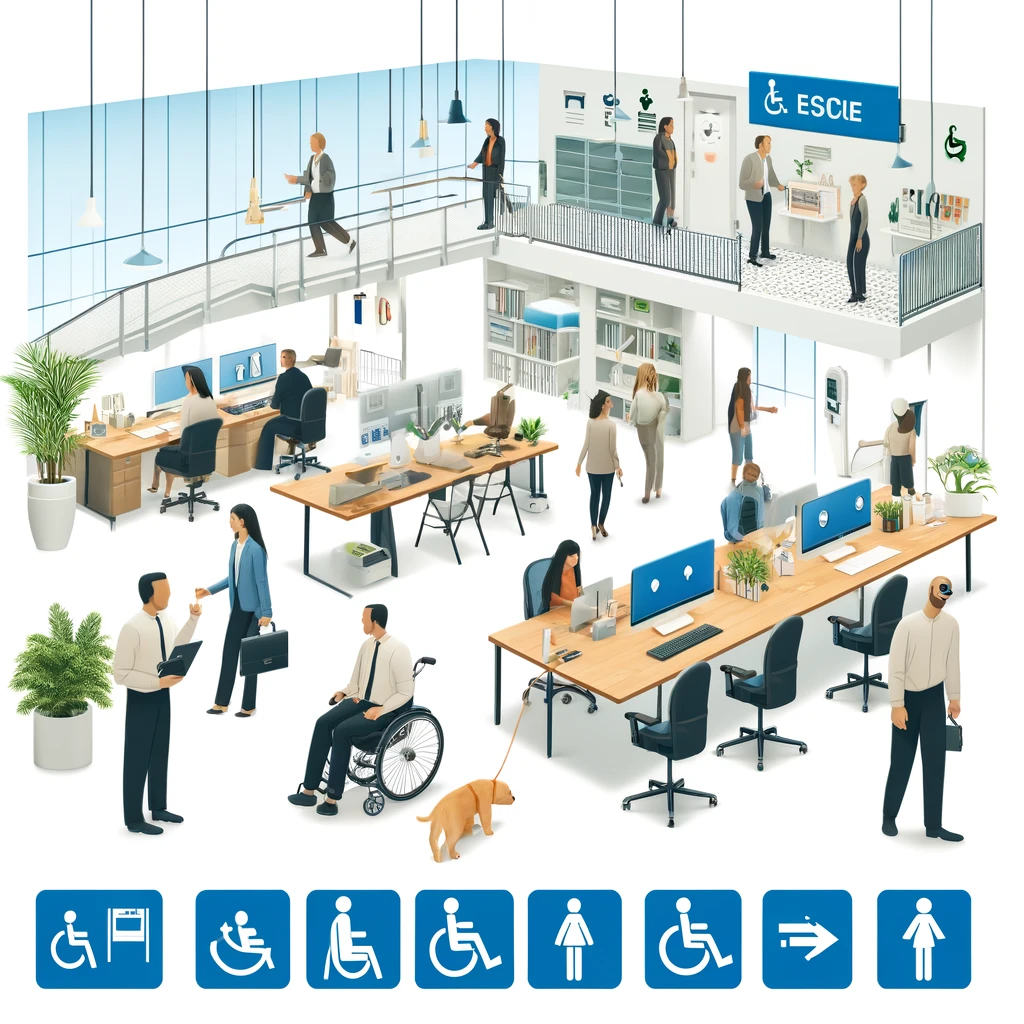
One of the prominent trends in ADA compliance is the integration of universal design principles into infrastructure development. Universal design focuses on creating environments that are inherently accessible to all people, regardless of age, disability, or other factors. By incorporating these principles from the outset, developers and architects are ensuring that new buildings and spaces avoid costly retrofits down the line. This forward-thinking approach preempts barriers to accessibility, allowing for seamless use by everyone, thus embodying innovation in compliance.
The advent of smart cities has also introduced innovative methods to include accessibility features into urban landscapes. Smart cities leverage technology, such as the Internet of Things (IoT), to create interconnected networks that facilitate a more accessible living environment. For instance, smart traffic signals equipped with auditory signals and visual prompts aid those with visual impairments in crossing streets safely. Intelligent public transportation systems can provide real-time updates or tailor assistance to passengers with disabilities, watching societal shifts in accessibility through technological provision.
In the realm of digital accessibility, advancements are even more pronounced. With the increasing reliance on digital platforms for information, entertainment, and communication, ensuring these platforms are accessible is paramount. The growth of Artificial Intelligence (AI) plays a critical role in enhancing digital interfaces. AI-driven solutions such as automated alt-text descriptions for images, voice recognition technology for navigation, and AI-generated subtitles for video content are making digital content more accessible than ever before. These solutions enable individuals with disabilities to engage seamlessly with digital content, transforming how they interact and access information.
Web accessibility standards, such as the Web Content Accessibility Guidelines (WCAG), serve as the foundation for digital ADA compliance. Yet, simply adhering to these guidelines is no longer sufficient as user expectations evolve. Incorporating personalized user experiences and adaptive technologies are becoming essential components of digital design strategies. For instance, customizable interfaces that adjust to user preferences and needs, such as variable text sizes, color contrasts, and keyboard navigation shortcuts, are pivotal in creating accessible digital environments.
Moreover, voice-activated technology and virtual assistants provide additional layers of accessibility. Devices like smart speakers have become household staples, offering hands-free control for a wide array of functions such as setting reminders, controlling smart home devices, or accessing the internet. This voice technology minimizes the need for traditional physical interaction, making these devices invaluable tools for those with mobility or dexterity impairments. The seamless integration of such innovative technologies into everyday activities exemplifies how emerging tech can align with ADA standards to create a more inclusive living environment.
Techniques Enhancing ADA Compliance
Coupled with emerging trends, specific techniques for enhancing ADA compliance deserve substantial attention. One such technique is the adoption of feedback loops within design processes to ensure accessibility remains user-centered. Regular feedback from individuals with disabilities during the developmental stages ensures that spaces and technologies genuinely meet their needs. Businesses can utilize focus groups, beta testing, and direct consultation with accessible design experts to refine their products or services.
Further enhancing ADA compliance is the implementation of training programs aimed at fostering an inclusive culture. By educating staff and decision-makers about the importance of ADA compliance and the practicalities of executing accessibility measures, organizations contribute to a more inclusive and welcoming environment. Training iworkshops and regular updates on new accessibility strategies allow organizations to keep pace with innovations and maintain compliance with evolving standards.
Another effective technique is employing simulation tools that allow developers and designers to experience their creations from the perspective of someone with disabilities. Tools that simulate vision impairments or mobility challenges can offer invaluable insights into possible barriers or deficiencies in a design. This experiential approach is instrumental in identifying potential accessibility issues before they become entrenched in final products or layouts.
Furthermore, the use of inclusive language across all platforms and communications represents a critical compliance technique. It ensures all marketing materials, public communication, and digital content speak to a diverse audience without bias or exclusion. Language that acknowledges and respects the diversity of its audience forms part of the broader picture of accessibility and inclusivity.
Technology audits represent a key strategy for keeping in compliance with ADA standards, specifically within the digital realm. These audits entail scrutinizing websites and applications for potential accessibility issues that could impede use by individuals with disabilities. By conducting regular audits, organizations can identify and remedy accessibility gaps proactively rather than reactively, thus ensuring wider compliance.
Ultimately, practical considerations like these highlight the diversification of methodologies used to achieve ADA compliance and enhance accessibility. Emphasizing a varied approach that incorporates both cutting-edge technologies and grounded techniques builds a comprehensive framework toward access and inclusion.
Conclusion
In conclusion, innovations in ADA compliance continue to redefine how society addresses accessibility challenges and opportunities. These advancements, fueled by technology and grounded in principles of inclusivity, are integral to shaping environments – both physical and digital – that are designed with every individual’s needs in mind. The shift towards universal design, smart technologies, personalized digital interfaces, and robust compliance techniques signifies a significant advancement in creating spaces that foster equal access and opportunity for all.
The ongoing transformation within ADA compliance requires ongoing collaboration among developers, technology providers, governments, and the community at large. By fostering partnerships and sharing best practices, societies can leverage collective expertise to enhance accessibility across the board. Further, by embracing these innovative trends and techniques, organizations demonstrate commitment not only to regulatory adherence, but to the larger goal of societal equity and inclusion.
As we look to the future, the focus must remain on actively pursuing and integrating innovations that can bridge current accessibility gaps. Keeping abreast of technical advancements and continuously assessing compliance strategies are essential components for organizations dedicated to inclusivity. By doing so, they contribute to a world where everyone, regardless of ability, can navigate and thrive within their environments confidently and independently.
Ultimately, embracing innovations in ADA compliance is not simply an obligation; it is an opportunity to lead in a societal shift toward universal accessibility. Through the combination of technology, design, and dedication, the potential to transform lives while fostering inclusivity is profound, promoting a richer and more equitable world for all.