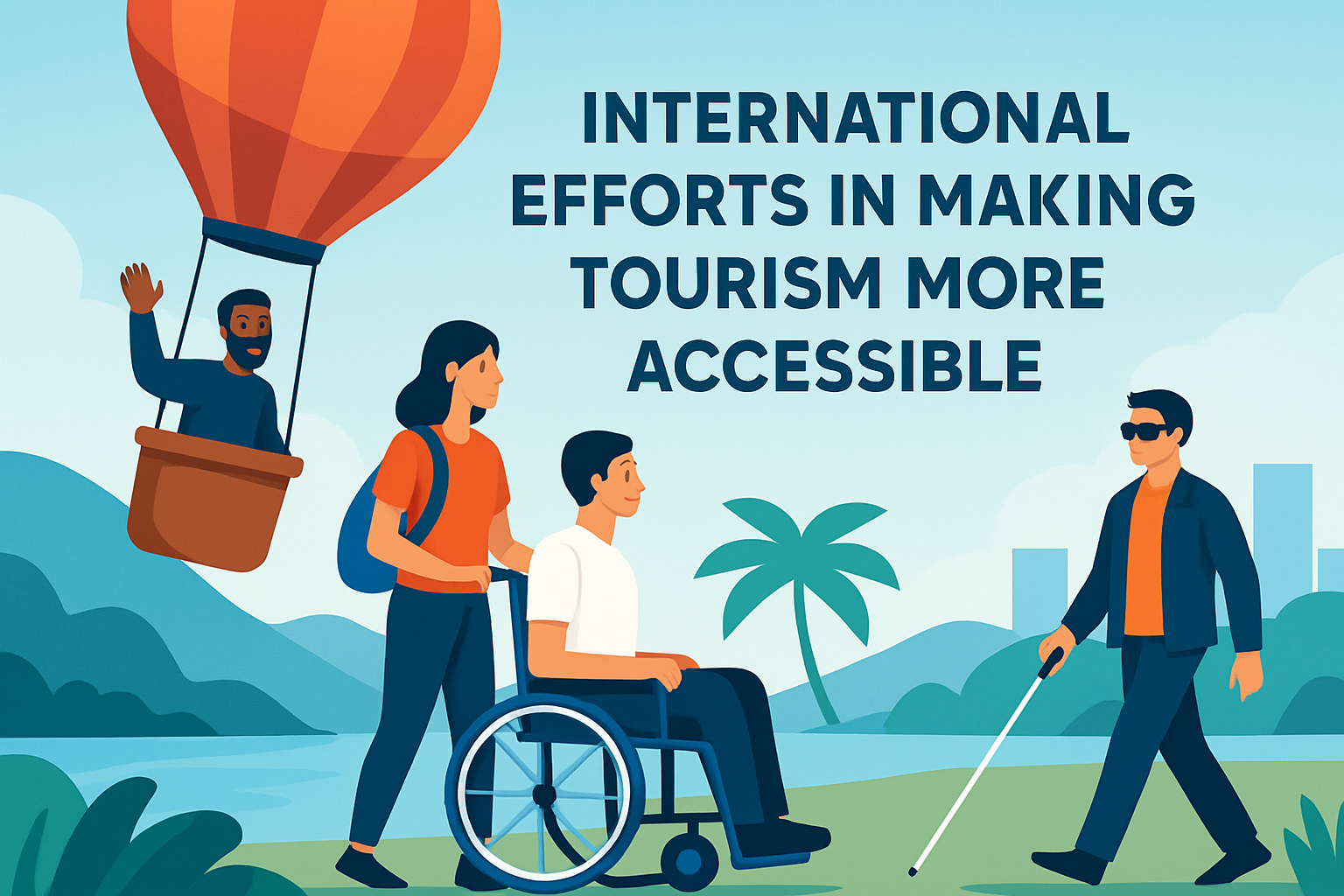
Inclusive design is a critical concept in the ever-evolving realm of technology. This approach involves crafting technological solutions that are accessible to all users, regardless of their abilities, socio-economic background, or cultural differences. As the digital landscape becomes more integral to our daily lives, the importance of inclusive design increases exponentially. But what exactly does inclusive design entail, and why should we care?
In essence, inclusive design is about considering the full spectrum of human diversity. This includes users with disabilities, those from various age groups, and people from different cultural and linguistic backgrounds. Inclusive design matters because it ensures that technology serves everyone, not just a select few. With an inclusive focus, technology can bridge gaps between different societal groups, rather than widening them. Technology leaders worldwide are waking up to the vital need to prioritize inclusivity in their products and services, recognizing that this approach not only fosters equity but also enhances user satisfaction and business success.
Importance of Inclusivity in Global Tech Leadership
Globally, tech companies, governments, and non-profit organizations are placing a greater emphasis on inclusive design practices. Microsoft, a technology juggernaut, is a leading example. The company has made inclusivity a cornerstone of its product development process. With their ongoing mission to “empower every person and every organization on the planet to achieve more,” Microsoft has implemented various initiatives and tools designed to improve accessibility for all users, particularly those with disabilities. They have created software enhancements like the Narrator screen reader and Magnifier, which make their products usable for people with vision impairments.
Similarly, the government of Singapore has made significant strides in integrating inclusivity into their Smart Nation vision. They employ technology to improve citizen services and enhance the quality of life for residents, including the elderly and people with disabilities. The city-state prioritizes ICT accessibility, ensuring that citizens can engage with digital services seamlessly, regardless of their abilities or age. Such efforts highlight the global recognition of inclusive design’s importance in technological leadership, promoting community engagement and economic progress on an international scale.
Principles of Inclusive Design: A Guide for Implementation
Inclusive design operates on a set of guiding principles that inform its application in technology. Among these principles is the importance of providing a diverse range of methods for interaction. Accommodating various interaction styles ensures that all users can navigate and utilize technology effectively, thus improving the user experience and enhancing accessibility.
Google, through its Material Design guidelines, implements these principles by diversifying input options. For instance, features such as voice input cater to individuals who may face challenges with traditional data entry methods. Further, Google’s accessibility developer tools help designers create apps that cater to users with different needs, exemplifying how adhering to inclusive design principles can lead to practical solutions.
Real-World Applications of Inclusive Design
Inclusive design has tangible benefits when applied in real-world contexts. To illustrate, Apple has been at the forefront of accessible technology with the introduction of VoiceOver, a gesture-based screen reader. This feature enables users with visual impairments to interact with their devices seamlessly.
Another exemplary application of inclusive design is seen in the initiatives spearheaded by the UK Government Digital Service (GDS). They have developed a set of accessibility standards that guide the design of government digital services. These standards ensure that public services can be accessed by everyone, irrespective of their abilities. By integrating inclusive practices into their digital solutions, the GDS sets a benchmark for other countries aiming to improve accessibility in public administration.
The Business Case for Inclusive Design
Incorporating inclusive design in technology is not only a moral and ethical responsibility but also a strategic business decision. A noteworthy example would be Procter & Gamble’s “Always” brand, which adopted an inclusive approach in their advertising campaigns. By emphasizing real-world inclusivity, they not only improved their brand image but also attracted a wider audience, enhancing their market reach and profitability.
Investment in inclusivity also translates to a broader customer base and improved product usage statistics. For example, companies that design websites and applications with accessibility in mind often see lower bounce rates and increased user engagement. This is partly because accessible design can appeal to people with disabilities as well as people using different technologies or operating under various environmental conditions.
Future Trends in Inclusive Technology Design
Looking ahead, the future of inclusive design in technology is promising, with emerging trends indicating robust growth in this field. A key trend is the integration of artificial intelligence to assist in creating more inclusive experiences. AI can help tailor experiences to individual needs, providing real-time adaptations in user interfaces for people with different abilities.
Some tech companies are deploying machine learning to analyze user interactions and identify potential accessibility issues. This proactive approach allows developers to continually refine their products, improving inclusivity in real-time. Furthermore, collaborations among global tech leaders are on the rise, with companies sharing insights and innovations in inclusive design to foster a more unified global approach.
Another promising trend is the increase in educational programs focused on teaching inclusive design principles. Universities and online learning platforms are offering courses specifically aimed at empowering the next generation of designers and developers to integrate inclusivity into every phase of their design processes. This proactive educational focus promises to advance the field significantly.
Examples of Inclusive Technology Innovations
Tech companies are pioneering numerous innovations focused on inclusive design. Here is a list of standout examples:
- Microsoft Seeing AI: An app designed to narrate the world for visually impaired individuals, providing audio descriptions of their surroundings.
- Be My Eyes: A unique app connecting blind individuals with sighted volunteers for lens-supported assistance through video calls.
- Waymo: Google’s self-driving car project designed with accessibility in mind to promote independence for individuals who cannot drive.
- AXS Map: A crowd-sourced platform providing reviews and information on the accessibility of public places, promoting informed lifestyle choices for users with disabilities.
- TalkBack: An accessibility feature by Google that gives spoken feedback for users with visual impairments navigating Android devices.
These innovations illustrate the tangible impact that inclusive design can have in enriching the technological ecosystem, providing vital independence and functionality for diverse user groups.
The Role of Collaboration and Policy in Inclusive Design
Collaborative efforts and policy-making play a vital role in fostering inclusive design. By working together, technology companies, governments, and advocacy groups can create more significant changes than they could alone. An example of successful collaboration is the World Wide Web Consortium (W3C), which includes various stakeholders working together to develop Web Content Accessibility Guidelines (WCAG) to ensure universal web accessibility.
Moreover, governments can create environments conducive to inclusivity by instituting policies that mandate accessibility standards in technology products. The Americans with Disabilities Act (ADA), for instance, has been pivotal in encouraging U.S. companies to incorporate accessibility features in their offerings. Similarly, the European Union’s Accessibility Act sets similar standards, affirming the importance of policy in promoting inclusive design initiatives.
Tools and Resources for Implementing Inclusive Design
Adopting inclusive design requires utilizing various tools and resources. Developers and designers benefit from a myriad of instruments specifically tailored to enhance inclusivity. Below is a table showcasing some essential tools:
| Tool | Description |
|---|---|
| axe DevTools | Accessibility testing tool suite integrated into browser development tools |
| Navi Lens | App for users with visual impairments to navigate spaces using coded markers |
| Voice Access | Google’s voice control app for hands-free device operation |
| WebAIM | Educational resources and tools for web accessibility training and implementation |
These tools represent just a fraction of the numerous resources available to empower tech creators in their journey toward inclusive design.
Summarizing the Benefits and Steps Forward
In summary, inclusive design in technology is crucial not only from an ethical standpoint but also in delivering significant business and social benefits. It breaks down barriers, opening digital doors for everyone, offering improved user experiences, and capturing broader markets. International leaders in technology serve as beacons, demonstrating how inclusivity can be seamlessly integrated into systems to enhance functionality and engagement worldwide.
For those looking to make a difference, the next steps involve emphasizing the value of inclusive design in every project, ensuring that accessibility becomes a core component of tech development from the very beginning. Advocating for policies that promote inclusive design and leveraging resources to enhance understanding and implementation in technology projects will pave the way for a more inclusive future. By collectively embracing these commitments, we can craft a digital environment that is truly welcoming and empowering for all.
Frequently Asked Questions
1. What is inclusive design in technology?
Inclusive design in technology refers to the practice of developing digital solutions that everyone can use, regardless of their individual disabilities, socio-economic backgrounds, or cultural contexts. The goal is to ensure that no one is excluded from using technology that can significantly enhance their everyday lives. It’s a methodology that involves understanding and anticipating a wide variety of potential user needs and preferences. This includes considerations such as designing websites that are compliant with accessibility standards, developing apps that are intuitive for users who may not be tech-savvy, and creating software interfaces that consider language and cultural differences. Ultimately, inclusive design is about breaking down barriers to access, making technology a universally beneficial tool.
2. Why is inclusive design important in today’s digital landscape?
As the digital world becomes increasingly intertwined with nearly every aspect of our daily lives, ensuring that all individuals can participate equitably is crucial. Inclusive design matters because technology can’t be truly transformative if it isn’t accessible to everyone. Consider public services moving online, educational resources becoming digital, and job applications being primarily available through the internet—all aspects of life where exclusion due to design shortcomings can lead to significant disadvantages. Furthermore, inclusive design is not just beneficial for users; it also opens up markets for businesses by catering to a broader audience. It reflects a more ethical stance in development and can enhance brand reputation as well as user satisfaction.
3. How do international leaders approach inclusive design in technology?
Leading figures in global technology sectors are making significant strides toward embracing inclusive design principles. Their approaches can serve as lessons in implementing this crucial paradigm. Many tech giants and innovators prioritize research and development processes that include diverse user testing. By engaging individuals from varying demographics during design and development, they gain insights into different needs and preferences. These leaders are using inclusive design literacy to educate their teams and investing in training programs to raise awareness of accessibility issues. Additionally, innovations such as voice-responsive interfaces and AI-driven personalization tools tailored for users with disabilities highlight how internationally acclaimed leaders push for more inclusivity. These forward-thinking strategies not only promote equity but also drive continuous improvement and innovation in tech solutions.
4. What challenges exist in implementing inclusive design practices?
The journey of implementing inclusive design is not without its challenges. One of the primary challenges is the inertia in existing development and design processes that lean heavily on past practices that have not prioritized inclusivity. Another core issue lies in the limitation of resources, where budget constraints can sometimes impede extensive testing needed to ensure universal accessibility. Additionally, there can be a lack of understanding or prioritization from leadership on why inclusivity is essential, leading to insufficient efforts towards its realization. Cultural differences may also present challenges, as inclusivity must consider a broad spectrum of traditions, languages, and norms. Nevertheless, these challenges serve as opportunities for growth and education within organizations committed to evolving their design procedures.
5. How can organizations start incorporating inclusive design into their technology products?
Organizations looking to embed inclusive design principles into their technology products can start by fostering a culture that values research and user feedback as fundamental parts of the design process. This involves actively soliciting input from a diverse user base that includes individuals with disabilities or different cultural perspectives. Implementing training sessions and knowledge-sharing workshops can also help teams understand the scope and importance of inclusivity. Creating accessibility-first design guidelines and standards within the organization can pave the way for inclusive product development. Drawing inspiration from international leaders who successfully incorporate these practices can also be a potent way to measure current efforts and impact. By making inclusive design not just a project-based goal but an organizational value, companies can align intent with actionable outcomes.