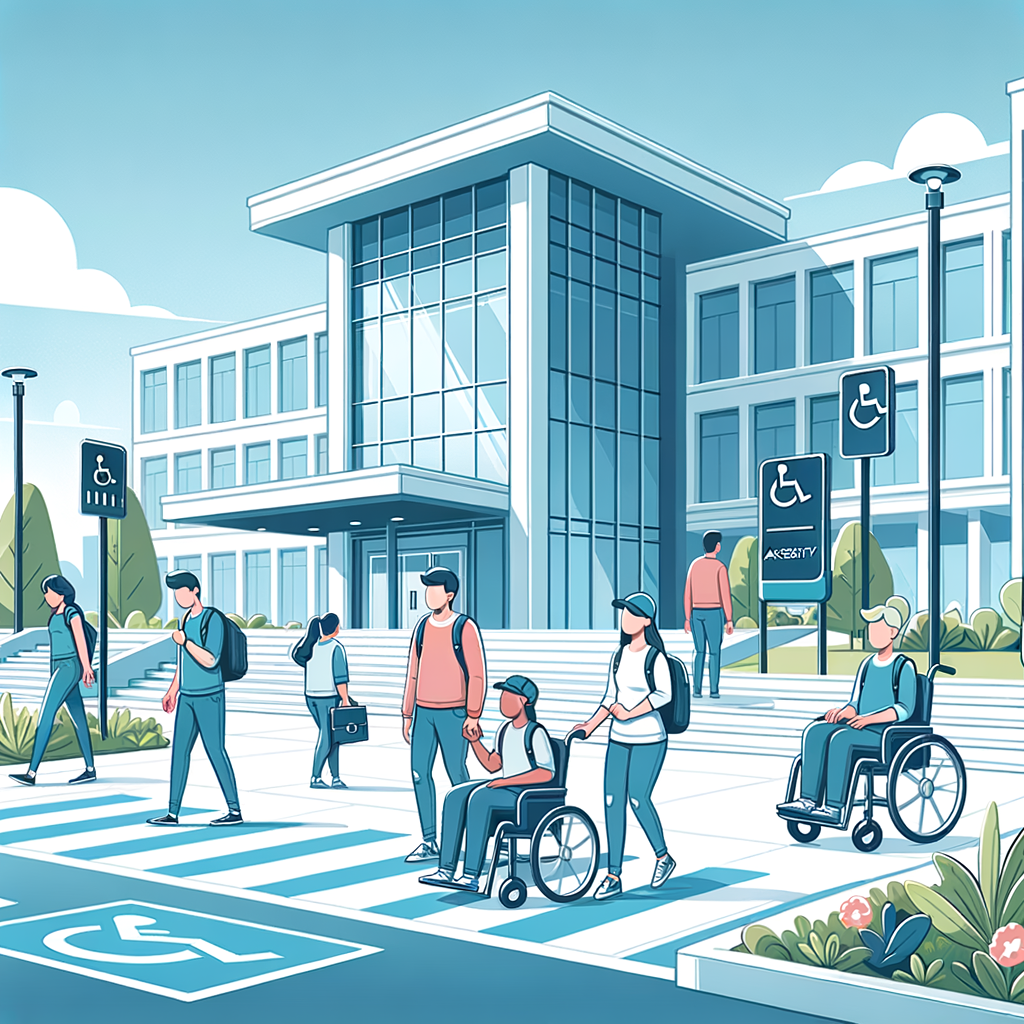
The Americans with Disabilities Act (ADA) was enacted in 1990, marking a significant turning point in the fight for equality and accessibility in the United States. The act’s primary aim is to ensure that individuals with disabilities have the same rights and opportunities as everyone else. Despite being more than three decades old, the implementation of ADA standards remains vital, especially in sectors like healthcare where accessibility can dramatically impact health outcomes. Implementing ADA standards in healthcare facilities and hospitals is not just a legal obligation but a moral imperative. Ensuring accessibility requires a commitment from healthcare administrators and policymakers to create an inclusive environment. ADA compliance in healthcare settings includes a wide range of design and operational considerations, from physical space modifications to communication enhancements. These adjustments are necessary to cater to diverse physical, sensory, and cognitive needs, promoting an inclusive environment for both patients and employees. The application of ADA standards can be challenging due to varying facility needs and the cost implications of renovations. Yet, the task is not insurmountable. Whether constructing new facilities or retrofitting existing ones, understanding the ADA’s requirements can ensure that healthcare services are accessible. Navigating ADA compliance involves a holistic approach, which encompasses the built environment, assistive technologies, staff training, and policy amendments. This article delves into the essential aspects of implementing ADA standards in healthcare settings, highlighting practical strategies and the multifaceted benefits that follow from compliance.
Design and Structural Modifications
ADA compliance in healthcare facilities begins with structural design. Ensuring that buildings are physically accessible is crucial. Hospital entrances should be equipped with ramps or elevators alongside stairs to assist wheelchair users and those with mobility impairments. Doorways in healthcare facilities should have a minimum clear width of 32 inches to accommodate wheelchairs comfortably. The concept of universal design is highly beneficial, promoting features that are accessible to all, including wider hallways and obstacle-free paths.
Further structural considerations involve restrooms, which must have grab bars, accessible sinks, and enough maneuvering space for wheelchairs. Patient rooms should be similarly designed, incorporating adjustable beds and controls positioned within reach for patients with restricted mobility. Exam rooms must have adjustable-height examination tables to facilitate access for patients with limited mobility. Shelving and storage in communal areas should be within reach without requiring assistance.
Public areas such as waiting rooms must be designed with adequate space to maneuver wheelchairs and other mobility aids. These areas should also include seating options at varying heights to accommodate different needs. Signage throughout the facility plays a critical role in navigation; signs should feature large, high-contrast text alongside Braille for visually impaired individuals. Emergency exits and routes should be clearly marked and accessible to everyone.
Technological and Communication Enhancements
Besides physical modifications, technological advancements can significantly aid ADA compliance in healthcare environments. Communication access is a vital component, ensuring that patients with hearing impairments or language differences can receive information and engage in decisions about their healthcare. Providing assistive listening devices in auditoriums and meeting spaces can enhance auditory accessibility.
Hospitals can also install video relay systems and text telephones (TTY) to assist those with hearing or speech disabilities. Visual paging systems and digital displays can broadcast crucial information to both staff and patients in an inclusive manner. Moreover, ensuring that digital interfaces like patient portals are accessible is vital, meaning they should be compatible with screen readers and designed following the Web Content Accessibility Guidelines (WCAG).
Educational and informational materials should be available in multiple formats, including large print and Braille. Providing American Sign Language (ASL) interpreters for medical consultations and using speech-to-text services can further enhance communication transparency. Staff should be trained to use basic ASL or other communication aids to communicate with non-verbal patients effectively. Implementing these technological solutions not only increases the inclusivity of medical services but also empowers individuals with disabilities to become active participants in their healthcare decisions.
Staff Training and Education
A crucial component of ADA implementation is training healthcare staff to understand the diverse needs of patients with disabilities. Training programs should foster an inclusive culture, emphasizing respect, and understanding. Staff members should be educated about various disabilities and learn how to utilize available resources and technologies effectively to meet patient needs.
Training should cover the appropriate ways to communicate with individuals who have speech, hearing, or visual impairments, and how to assist those with mobility issues without causing discomfort or breach of privacy. Role-playing scenarios and sensitivity training can help staff empathize and respond better to real-life situations. Emergency response plans must include protocols for assisting individuals with disabilities, ensuring their safety.
Furthermore, staff education about ADA regulations extends beyond front-line healthcare providers to include administrative staff and decision-makers. They need to understand the legal implications and the benefits of compliance to make informed policy decisions. Periodic assessments and refresher courses serve as excellent tools for maintaining a high standard of accessibility awareness among the workforce.
Policy and Procedural Changes
Developing policies that promote ADA compliance is vital for ensuring consistent accessibility across healthcare services. Policies should support a patient-centered model of care, emphasizing equal access and accommodation requests. Establishing a clear protocol for addressing accessibility issues will allow patients and staff to voice concerns and suggestions effectively.
Policies should include procedures for regular accessibility audits to identify areas needing improvement. Hospitals should also have processes for handling requests for reasonable accommodations from employees and patients with disabilities. These policies ensure that necessary changes are made promptly and efficiently. Implementing a standardized accessibility checklist can help in monitoring and maintaining ADA compliance consistently.
Ensuring funding and resources are allocated for accessibility upgrades is pivotal. Grant programs and partnerships with organizations that support disability access can aid financially in the reorganization and restructuring needed to achieve full compliance. Moreover, policies should also ensure data protection and privacy, particularly for technological adaptations that handle sensitive patient information.
Benefits of ADA Compliance
Implementing ADA standards in healthcare settings has far-reaching benefits. The primary advantage is the enhanced quality of care for patients with disabilities. Accessible healthcare facilities ensure that all patients receive equitable treatment and have a better experience. Compliance improves patient satisfaction, as individuals with disabilities face fewer barriers to receiving care.
Additionally, ADA compliance can improve patient outcomes. When patients are better able to access healthcare services and communicate effectively with providers, adherence to treatment plans can increase, thereby improving health outcomes. Access to complete medical information and services ensures that patients can make informed decisions about their health.
From a business perspective, ADA compliance can increase a hospital’s patient base. By demonstrating commitment to accessibility and inclusion, healthcare facilities can attract a wider range of patients. This not only enhances the reputation of the institution but also opens avenues for funding and support from government and community programs aimed at encouraging inclusive practices.
Moreover, accommodating employees with disabilities can lead to a more diverse workforce, fostering innovation and enhancing employee satisfaction and retention. ADA compliance can minimize legal risks, protecting healthcare facilities from potential lawsuits related to discrimination or lack of accessibility. Thus, ADA compliance is not just beneficial but essential for the sustainable growth of any healthcare facility.
Conclusion
Adhering to ADA standards in healthcare facilities is essential for creating an inclusive, accessible environment where every individual, regardless of their abilities, can receive the care they need. It involves structural, technological, and policy changes that together create a comprehensive approach to accessibility. Though the path to compliance may pose challenges such as financial constraints and infrastructural limitations, the advantages far outweigh the costs.
As healthcare facilities strive to adapt and innovate, ensuring ADA compliance is a step towards bridging the gap between potential and reachable care quality. A commitment to these standards shows a dedication to inclusivity and respect for human dignity, aligning with the core values of healthcare. Facilities that invest in creating an inclusive environment not only comply with legal requirements but also embody the ethos of patient-centered care. Such investments guarantee benefits for institutions, patients, and the broader community, solidifying a foundation of equality and respect in healthcare.
It is vital for healthcare leaders to recognize the importance of ADA standards, incorporating them into the very fabric of healthcare facilities from design to daily operations. Through continuous education, policy revisions, and structural adaptations, hospitals can become beacons of accessibility, paving the way for a future where equitable healthcare is the norm for everyone, regardless of physical barriers.