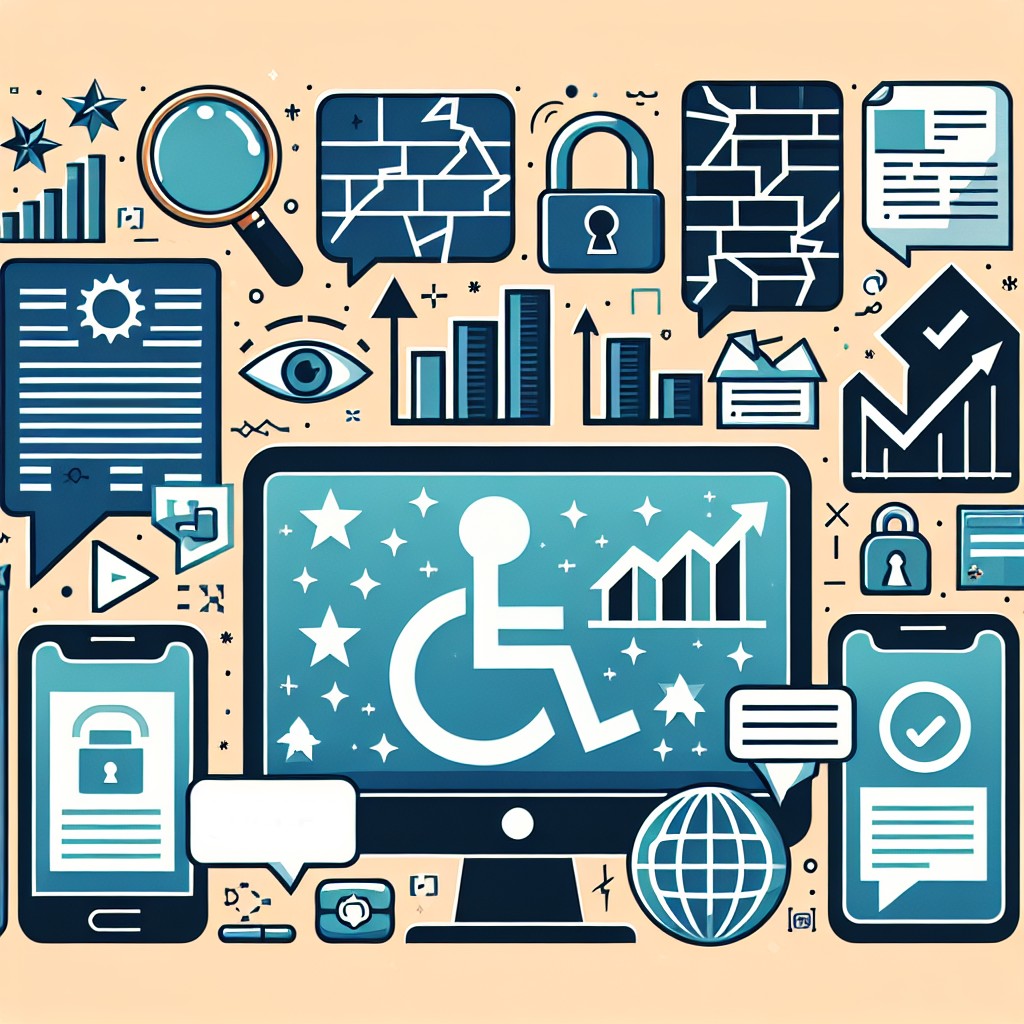
The Americans with Disabilities Act (ADA), enacted in 1990, was a groundbreaking piece of legislation aimed at ensuring rights and accessibility for individuals with disabilities. Over the years, the ADA has evolved, especially in response to the rapidly changing digital landscape. In recent times, there have been significant changes and developments regarding digital and web accessibility. As more businesses and services move online, ensuring that digital content is accessible to people with disabilities has become a priority. These changes are not just about compliance but reflect a broader shift towards inclusivity and equal access in the digital age.
Introduction Accessibility in the digital space is more important now than ever. With everyday tasks increasingly carried out online—from shopping and banking to education and healthcare—the digital world must be accessible to everyone, including those with disabilities. Recent amendments and interpretations of the ADA demonstrate an understanding and acknowledgment of this necessity. The focus on digital accessibility aims to dismantle barriers that prevent individuals with disabilities from participating fully in the digital economy. This increased focus on accessibility is reflected in some recent legal cases, settlements, and clarifications which have spurred businesses and web developers to pay closer attention to how their digital presence complies with the ADA.
In light of these developments, it’s crucial for businesses and organizations to understand the impact of the ADA on web and digital accessibility. The adjustments not only ensure compliance but also align with broader diversity and inclusivity goals.
This article explores the recent changes in the ADA regarding digital accessibility and how they affect web designers, developers, businesses, and the general public. Understanding the ADA’s Applicability to Digital Accessibility
The ADA prohibits discrimination and guarantees that people with disabilities have the same opportunities as everyone else to participate in mainstream society. Initially geared towards physical spaces, the law applies to both state and local government services (Title II) and public accommodations (Title III). The ambiguity about whether digital spaces are covered under “places of public accommodation” has been partially clarified by recent judicial decisions and a broader interpretation of the ADA’s aims.
Gradually, legal interpretations have extended the ADA’s reach into the digital realm. This shift recognizes that, just like physical spaces, digital environments must also be accessible to those with disabilities. This extension necessitates that websites, mobile applications, and other digital tools are designed to be as navigable and usable for individuals with disabilities as they are for those without.
Several high-profile lawsuits have underscored the need for digital accessibility, leading to an increase in ADA compliance-related legal actions. Notable cases have provided precedent and guidance on what constitutes digital accessibility under the ADA. These developments have resulted in a paradigm shift where more organizations acknowledge the significance of developing ADA-compliant digital content.
Key Changes and Clarifications in ADA Compliance
The ADA itself hasn’t seen significant legislative updates since its inception, but the interpretation and application of the law have evolved, especially concerning digital accessibility. In recent years, court decisions, regulatory guidelines, and settlements have set important precedents for what is expected of digital and web accessibility under the ADA.
Several pivotal determinations have laid the groundwork for these recent changes. One of the most significant clarifications is the emphasis on adopting the Web Content Accessibility Guidelines (WCAG) as a standard for ADA-compliance. The WCAG provides a framework for making web content more accessible to people with disabilities, including those with visual, auditory, physical, speech, cognitive, language, learning, and neurological disabilities.
Moreover, businesses are increasingly being held accountable for ensuring that their websites and digital platforms are not barriers to people with disabilities. This accountability not only includes large corporations but also small businesses and non-profit organizations that have an online presence or conduct digital transactions.
Impact on Businesses and Developers
The recent interpretations of the ADA and increased focus on digital accessibility have profound implications for businesses and developers. First and foremost, they highlight the importance of considering accessibility from the very beginning of the digital design and development process. Building accessibility features into websites and applications from the start is often more effective and less costly than retrofitting them later on.
For businesses, there is a clear incentive to comply with ADA guidelines beyond legal implications. By creating an inclusive digital environment, businesses can reach a broader audience and potentially tap into the purchasing power of individuals with disabilities, which is estimated to be over $200 billion annually. For developers, understanding and implementing ADA-compliant design is becoming an essential skill as businesses seek to make their digital spaces inclusive and compliant.
Furthermore, employing accessible design technologies and methodologies not only adheres to legal requirements but also follows best practices in user experience (UX) design, thus benefiting all users. Leading tech and software companies are investing in training and resources to help their teams incorporate these accessibility practices into their everyday work.
The Role of Technology in Enhancing Digital Accessibility
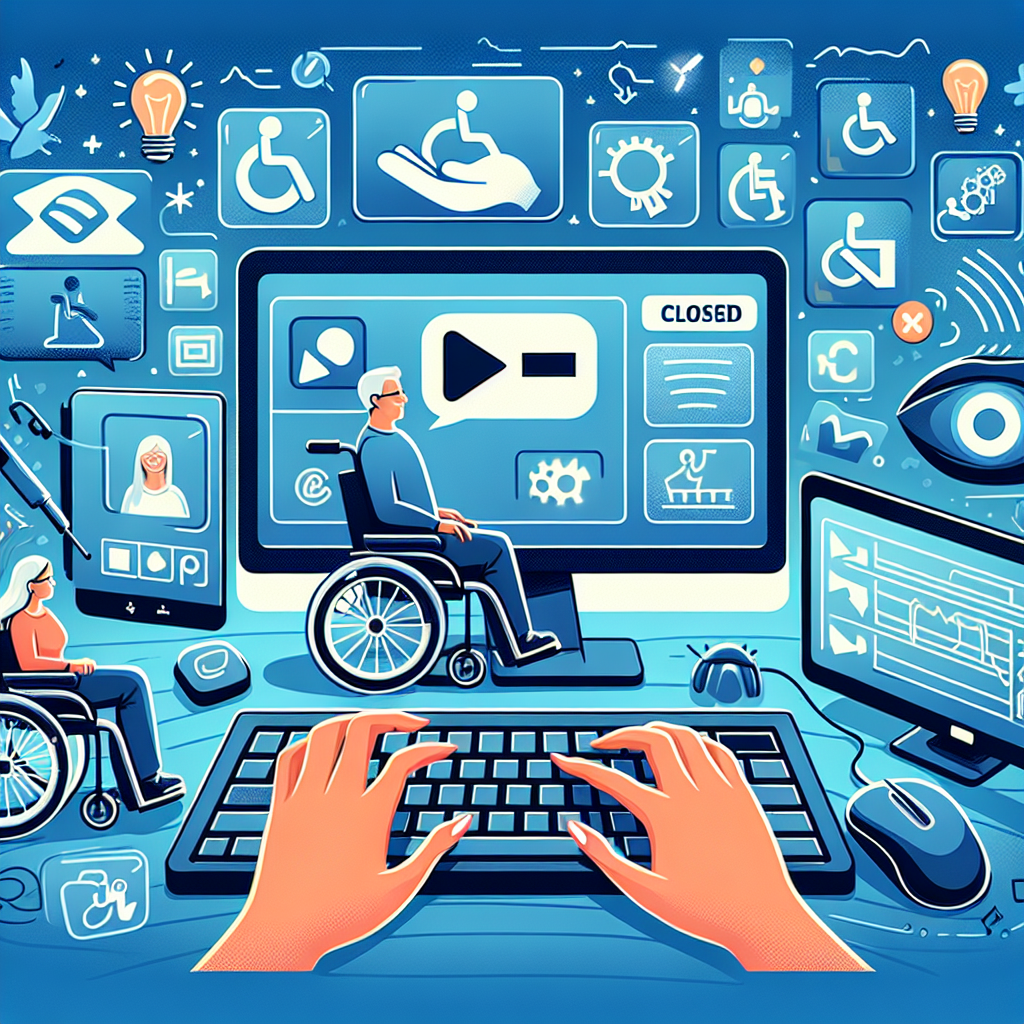
Technology has a significant role in enhancing and facilitating digital accessibility, affording individuals with disabilities improved access to digital content and services. Advances in assistive technologies, such as screen readers, voice recognition software, and other adaptive tools, have been pivotal in bridging gaps in accessibility.
Organizations are increasingly integrating tools and plug-ins that help transform their websites into more accessible spaces for people with disabilities. AI and machine learning technologies are also being leveraged to develop innovative solutions such as real-time captioning and transcription services, which can make audio and video content more accessible.
Additionally, cloud computing and mobile technologies have delivered new opportunities for making digital content accessible. Cloud-based solutions can offer flexible and scalable accessibility features that can be regularly updated, while mobile devices extend accessibility features like voice control and text-to-speech readers, which are particularly beneficial for users with disabilities.
The Future of ADA in Digital Context
As technology continues to evolve, so too will the standards and expectations for digital accessibility under the ADA. Legislative and judicial clarity may increase as policymakers and legal systems better understand and address the relationship between digital spaces and accessibility requirements. This means organizations must stay current with compliance standards not only to avoid legal repercussions but to foster an inclusive atmosphere.
The future of ADA compliance in the digital realm seems likely to expand further in its scope, covering a wider array of technologies and services. Innovations such as augmented reality (AR) and virtual reality (VR) will introduce new challenges and opportunities in digital accessibility. Encouragingly, the tech industry is seeing a cultural shift towards embedding accessibility considerations early in product development.
Education and advocacy will continue to be key in promoting an accessible digital future. As more voices advocate for digital inclusivity, the pressure mounts for regulatory bodies and industry leaders to provide clear guidelines and support materials to foster ADA compliance effectively.
Conclusion
The recent developments regarding the ADA underline a significant shift towards ensuring that digital spaces are as accessible as their physical counterparts. With digital accessibility growing in importance, it is incumbent on businesses, developers, and tech innovators to align with guidelines such as the WCAG to create inclusive digital environments.
These changes represent an opportunity rather than just a compliance challenge. Embracing digital accessibility can lead to broad benefits, including reaching new markets and demonstrating corporate responsibility. Furthermore, by making digital spaces more accessible, organizations help create a more equitable digital world that serves everyone.
As society continues to rely more on digital interactions, the importance of inclusive web design and development will persist as a central theme in accessibility discourse. By keeping pace with ADA developments, adopting emerging technologies responsibly, and prioritizing inclusivity, organizations can ensure they are well-equipped to meet the digital accessibility needs of a diverse population.
Frequently Asked Questions
1. What are the key changes in ADA related to digital accessibility set for 2025?
The ADA has been a cornerstone in safeguarding the rights of individuals with disabilities since 1990. As digital presence becomes an integral part of our daily lives, the ADA’s new regulations in 2025 emphasize digital accessibility with an unprecedented intensity. Key changes include strict guidelines on web content accessibility, compelling businesses and service providers to adopt WCAG 2.2 standards, which focus on enhancing navigation and interactive elements for disabled users. The updated regulations also stress the need for captioning and audio description in all multimedia content and mandate that mobile applications align with these guidelines, ensuring that apps are just as accessible as traditional web platforms. Companies are encouraged to conduct accessibility audits and continuously upgrade their digital interfaces to foster inclusivity. The dynamic aspect of these changes highlights the flexible and forward-thinking nature of the ADA as it adapts to technological innovation.
2. How will these ADA changes affect websites and online businesses?
For websites and online businesses, the 2025 ADA changes mean revisiting and realigning their digital strategies to meet new accessibility standards. Complying with these changes isn’t just about avoiding legal repercussions; it’s about embracing a broader audience and enhancing user experience. Businesses are likely to invest in creating more inclusive digital environments, introducing features such as keyboard navigability, alternative text for images, and more readable text formats. Developers will need to focus on creating semantic HTML structures that assist screen readers, making web navigation more intuitive for visually impaired users. Additionally, businesses will find value in integrating AI-driven accessibility tools that can provide real-time text-to-speech features and automated transcription services for video content. This inclusive approach supports brand loyalty and enhances reputational standing by demonstrating a commitment to diversity and accessibility.
3. What new tools or technologies are being developed to comply with ADA requirements?
To comply with the evolving requirements of the ADA, a range of innovative tools and technologies has emerged. One prominent technology is AI-powered accessibility software that can automatically detect and suggest improvements for accessibility issues in digital content. These tools analyze websites and applications for potential barriers to access, such as improper color contrast or missing alt text, and provide actionable insights for remediation. Another significant development is the increased use of assistive technology like screen readers and voice-activated devices, which are continuously updated to be more intuitive and user-friendly. Additionally, adaptive interfaces powered by machine learning can now customize user experiences, adapting websites to match an individual’s specific accessibility needs. For content creators, platforms offering live captioning and translation services are also gaining traction, ensuring that any video or audio content meets ADA guidelines. All these technologies are built around the principle of universal design, whereby digital accessibility is integrated from the ground up rather than appended as an afterthought.
4. What impact will ADA changes have on mobile accessibility?
The impact of the ADA changes on mobile accessibility is significant, reflecting the growing reliance people have on mobile devices for accessing information and services. In 2025, the regulations will require mobile applications to offer the same level of accessibility as desktop websites. This means developers must ensure their apps are compatible with screen readers and other assistive technologies. Mobile-friendly features like voice recognition and text-to-speech will be emphasized, allowing users with disabilities to interact with apps efficiently. Gesture simplification, which means creating touch interfaces that are more intuitive, is also a focus. Companies will need to prioritize responsive design, ensuring that content remains accessible across different devices and screen sizes. As a result, businesses investing in mobile platforms will find themselves not just complying with regulations but potentially expanding their customer base by making their services accessible to all users, regardless of ability.
5. How can businesses prepare for these ADA digital accessibility changes by 2025?
Businesses can proactively prepare for the 2025 ADA digital accessibility changes by implementing a few strategic actions. First, conducting a thorough accessibility audit can help identify existing barriers in digital environments. Engaging with accessibility experts to conduct these audits provides an external, unbiased view of the current state and what changes are necessary. Training staff across all departments on accessibility best practices is also crucial, as it promotes an organizational culture that values inclusivity. Moreover, building an accessibility task force or working group within the organization can help maintain momentum in implementing changes and staying compliant with new standards. Investing in robust accessibility tools and technology is another key step; these tools should not only assist in meeting current requirements but also allow adaptability as standards evolve. Lastly, involving users with disabilities in testing digital interfaces provides invaluable feedback, ensuring that changes truly meet user needs. By embracing these efforts, businesses not only adhere to legal requirements but also champion social responsibility and inclusivity.


