Introduction to Inclusive Sporting Events
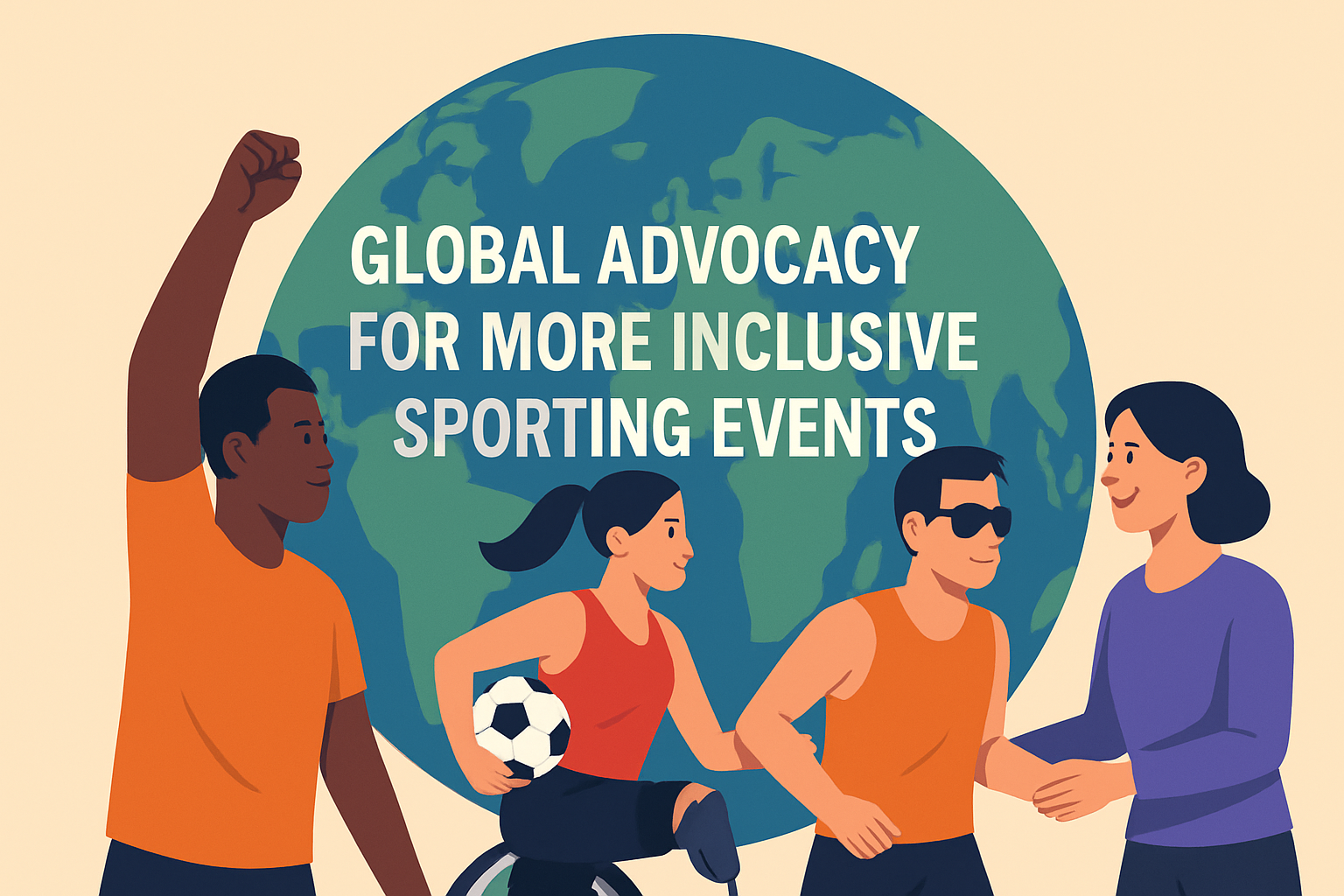
The world of sports has long been a vibrant canvas that reflects societal values, bridging cultures and communities worldwide. However, in this diverse tapestry, elements of exclusion and inequality have historically overshadowed the spirit of sportsmanship. Hence, introducing and championing more inclusive sporting events has become a pressing priority. By “inclusive sporting events,” we imply sports activities and competitions that provide equitable opportunities for all individuals regardless of gender, socio-economic background, physical abilities, or ethnic identity. The integration of inclusivity in sports is not only about representation; it’s about transforming spaces in sports where everyone feels valued and respected. The significance of this topic extends beyond the arena, affecting social dynamics and contributing to broader societal acceptance and integration. Emphasizing inclusivity in sports is a vital step toward eradicating biases and reinforcing the idea that sports could, and should, be a common ground where all differences dissipate.
Understanding the Importance of Diversity in Sports
To fully grasp the profound need for inclusive sporting events, one must first understand why diversity itself is vital within the realm of sports. Diversity enriches experiences, fosters unique style iterations, and breaks down long-standing prejudices. One standout illustration of diversity’s benefits can be seen in international events like the Olympic Games. The Olympics have consistently demonstrated the power of unity among varied peoples, with athletes from around the globe showcasing differing techniques and strategies, all competing at the highest level. When sports embrace diversity, they not only gain richness in representation but also encourage the breaking down of stereotypes. However, achieving true diversity requires intentional effort across multiple facets of sports, from policy level changes to grassroots activism. By ensuring diverse representation both on and off the field, sporting organizations can set a precedent that echoes beyond the game itself, impacting societal perceptions positively.
Challenges to Inclusivity in the Sporting World
Despite the clear benefits, the path to inclusivity in sports is riddled with challenges. From systemic bias to lack of infrastructure or resources, the obstacles to creating truly inclusive environments are both complex and multifaceted. A poignant example is the disparity in women’s participation in sports. Although significant strides have been made over the years, women still face numerous barriers ranging from unequal pay, limited visibility, and fewer opportunities at professional levels. The FIFA Women’s World Cup, for example, has highlighted these glaring disparities, despite its growing popularity. Additionally, individuals with disabilities often find limited pathways to accessing sports at competitive levels due to inadequate facilities or training opportunities. These realities underscore the urgency of reforms aimed at leveling the playing field. Eliminating these barriers often requires collaborative efforts among governments, local communities, and sports organizations worldwide. A consolidated approach can offer solutions that foster inclusive frameworks, ensuring equity across sports.”
Successful Models of Inclusive Sports Initiatives
There are several exemplary models of inclusive sporting initiatives that offer valuable lessons on successfully implementing equity-focused programs. The Special Olympics, for instance, stands as a landmark movement allowing athletes with intellectual disabilities to succeed in sports. Through year-round sports training and athletic competition, the Special Olympics empowers individuals and fosters greater community understanding, acceptance, and respect. Likewise, initiatives like “Changing the Game Project” target youth empowerment by challenging traditional coaching paradigms to focus on holistic development, inclusivity, and making sports accessible to all kids. Incorporating inclusive strategies into sports policy requires creativity, passion, and unwavering commitment. Ultimately, these initiatives illuminate the potent transformative power of sport when equality and acceptance are interwoven in its ethos.
Inclusive Sports: An Economic Case
Economic benefits associated with inclusive sporting events are becoming increasingly apparent in a globalized economy. More diverse and inclusive sporting environments can lead to broader consumer engagement, thereby driving growth and generating increased revenue. Major sports companies have started acknowledging the economic logic of diversity by harnessing the purchasing power of underrepresented groups. For instance, Nike has run campaigns that celebrate athletes of all backgrounds, contributing positively to brand perception and profitability. As sporting events become more accessible, they foster greater community participation, generate jobs, and contribute to economic revitalization. Moreover, inclusive sporting events attract diverse fan bases which result in economic boosts to host cities, further justifying the investment in inclusive policies. These economic incentives underscore that inclusivity is not merely a social obligation but also an economically sound strategy.
| Sporting Event | Key Inclusivity Feature | Economic Impact |
|---|---|---|
| Special Olympics | Access to Sports for Athletes with Disabilities | Enhances Community Engagement |
| FIFA Women’s World Cup | Promotes Gender Equality | Boosts Tourism and Local Economy |
| Olympic Games | Diverse Worldwide Representation | Global Economic Impact |
Driving Policy Changes in Sports Governance
To realize the dream of fully inclusive sporting events, transformative policy changes within governance structures are imperative. One cornerstone example is the influence of Title IX in the United States, which has dramatically increased female participation in sports by prohibiting gender discrimination in federally funded education programs. Similarly, the implementation of policies to ensure equal access and compensation in sports at international levels can pave the way for greater inclusivity. Advocacy efforts must focus on revising regulatory frameworks, influencing decision-making processes, and challenging existing structures that hinder inclusivity. Collaboration between governments, non-profits, and the private sector can forge pathways toward new standards in sports governance worldwide. Emphasizing transparent practices, accountability, and inclusivity within governing organizations ensures that sports remain true to their ethos of fair play and equity.
The Role of Media and Advocacy in Promoting Inclusivity
The media plays an influential role in shaping perceptions around inclusive sporting events. The power of storytelling can effectively highlight the successes and challenges faced by underrepresented groups in sports, thereby raising awareness and driving advocacy. One example is the documentary “Rising Phoenix,” which chronicles the extraordinary stories of Paralympic athletes. Such media initiatives can dispel myths, challenge stereotypes, and inspire a cultural shift toward greater acceptance. Social media platforms also offer unique opportunities for advocacy, providing a global stage where diverse voices can engage in lived experiences with authenticity and impact. Athlete activists who use their platforms for change, like Colin Kaepernick advocating for racial equality, illustrate the potential of leveraging public personas to advance inclusivity. Continuous media advocacy drives momentum, galvanizing support and solidifying sport as a vehicle for social transformation.
The Path Forward: Building a More Inclusive Sporting World
While the journey toward a fully inclusive sporting world is progressive and evolving, the steps taken today determine the landscape of tomorrow. Educational initiatives targeting youth involvement in sports, championing diverse mentorship at all levels, and investing in infrastructure development cater to broader participation are all crucial actions needed moving forward. Programs like “Girls Who Run” encourage early engagement in sports regardless of gender, building a pipeline of female athletes who challenge conventions and inspire others. Cultivating inclusive sporting events reinforces the foundational values threaded within sports — teamwork, unity, and resilience. However, the onus does not rest solely on institutions; it requires collective societal commitments from individuals, fans, and stakeholders, creating ecosystems where inclusivity thrives. Ultimately, sports serve as a metaphor for life, and fostering environments that welcome everyone signifies progress toward the world we aspire to achieve.
Conclusion: Embracing the Inclusive Sport Movement
In conclusion, the movement for more inclusive sporting events is gaining traction not merely as an ethical obligation but as a necessary realignment within the sports industry and society. By embracing diversity, launching innovative initiatives, and galvanizing advocacy across multiple channels, sports can revolutionize perceptions and break down barriers. These changes foster environments where talent and potential flourish unimpeded by race, gender, ability, or any other form of discrimination. Empowering voices from all backgrounds enriches the world of sports, paving pathways for healthier communities and a more equitable future. As readers, it is our duty to advocate tirelessly for these improvements and support systems that pave the way for inclusivity at every level. Join the wave of change, champion inclusive practices, and become active participants in pushing forward a global sporting community where everyone belongs and prospers.
Let’s rally behind the true essence of sports — a potent equalizer that transcends barriers, nurtures talent, and unites humanity.
What can you do today? Engage with local sporting organizations, participate in inclusive events, amplify marginalized voices, and commit to advocating for a more inclusive future in sports.
Together, let’s redefine the future of sports and ensure that every individual can fully participate and shine on the global stage.
Frequently Asked Questions
1. What are inclusive sporting events and why are they important?
Inclusive sporting events are activities and competitions designed to provide equitable opportunities for participation, regardless of an individual’s background, ability, gender, or socio-economic status. These events are important because they challenge the traditional norms of exclusion and aim to foster a more equitable playing field where diversity is celebrated. The core idea behind inclusive sporting events is to ensure that everyone, irrespective of their physical or mental abilities, ethnicity, or gender, has the opportunity to engage in and enjoy sports. This approach not only promotes physical health but also encourages social cohesion and understanding among diverse groups.
2. How can sporting events be made more inclusive?
Creating more inclusive sporting events involves several key steps. First, organizers need to ensure accessibility, which includes providing appropriate facilities for participants with disabilities, such as wheelchair-accessible venues and specialized equipment. Additionally, there should be a conscious effort to eliminate gender and racial bias by establishing policies that promote equal representation and participation. Education and training programs for coaches, referees, and other stakeholders can help sensitize them to the unique needs of all participants. Furthermore, creating partnerships with organizations that advocate for underrepresented groups can provide valuable insights and support for organizing inclusive events.
3. What are some challenges faced in organizing inclusive sporting events?
There are several challenges in organizing inclusive sporting events. One significant hurdle is overcoming entrenched stereotypes and societal norms that have long dictated who gets to participate in sports. There may also be a lack of resources, as specialized equipment or modifications for accessibility can be expensive. Additionally, organizing bodies may face logistical challenges in recruiting and training staff who are adequately equipped to manage inclusive events. Funding can also pose a significant obstacle, as inclusive events often require additional investment to cater to diverse needs. Lastly, getting buy-in from all stakeholders can be challenging but is crucial for the successful implementation of inclusive policies.
4. What role does global advocacy play in promoting inclusive sporting events?
Global advocacy is crucial in promoting inclusive sporting events as it involves raising awareness and driving change on a large scale. Through advocacy efforts, organizations can highlight the importance of inclusion in sports and influence policy changes at national and international levels. Advocacy also helps to create global networks and alliances that can collaborate on initiatives aimed at breaking down barriers to participation. This collective action can be instrumental in securing funding, influencing public opinion, and fostering a culture that values inclusion. By championing inclusive values, advocates can encourage sports organizations, governments, and communities worldwide to make the necessary changes, thus paving the way for more inclusive sporting events globally.
5. Can you provide examples of successful inclusive sporting events?
There are several examples of successful inclusive sporting events that have made significant strides in promoting diversity and equity. The Paralympic Games is a prime example, showcasing the athletic prowess of individuals with disabilities and providing a global platform for disabled athletes to compete at the highest levels. Another example is the Special Olympics, which provides sports training and competitions for children and adults with intellectual disabilities. Community-based events like unified sports, where individuals with and without intellectual disabilities team up, also illustrate successful models of inclusion. Such events have not only changed perceptions about who can participate in sports but have also highlighted the diverse abilities and talents that exist within all individuals.