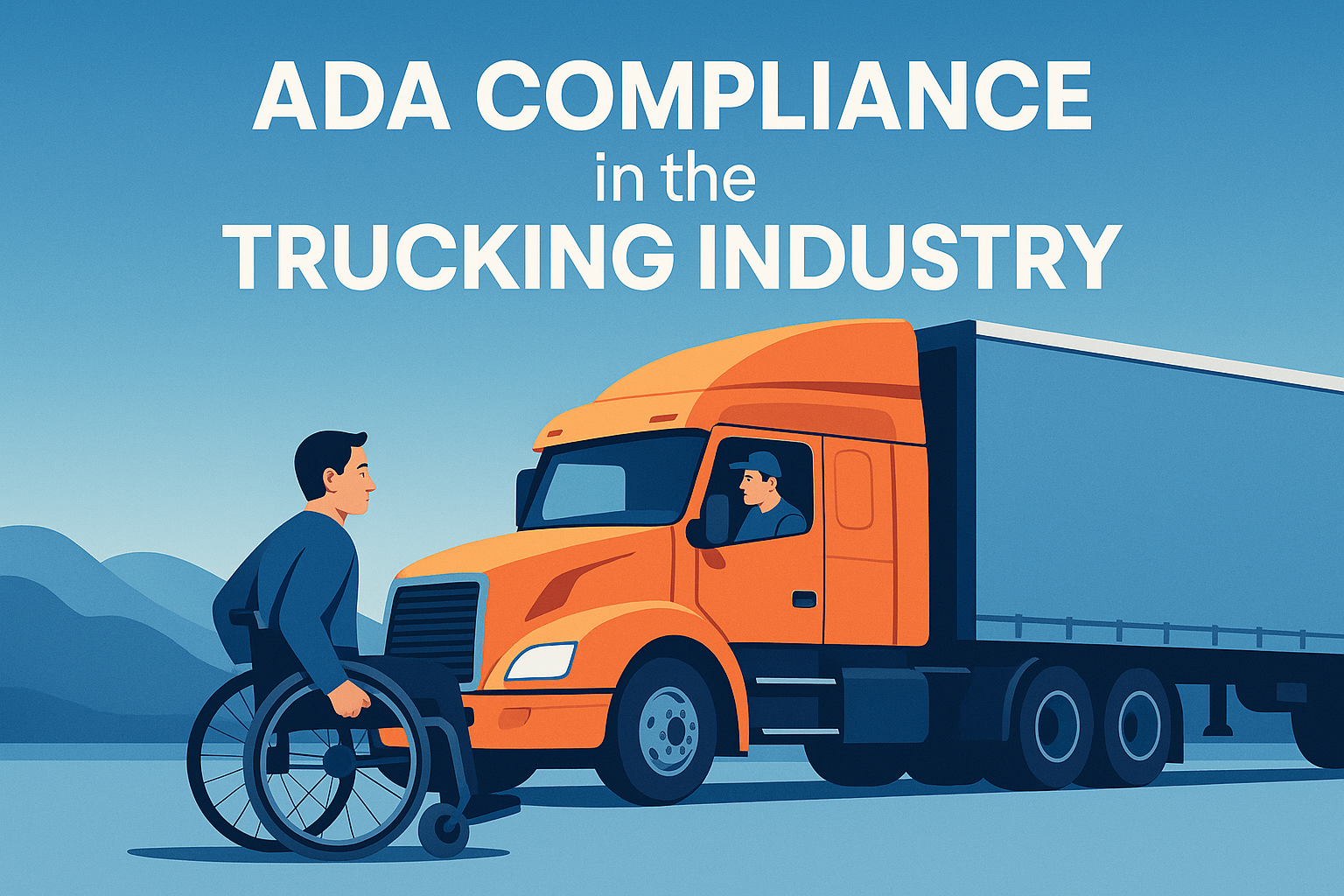
In recent years, the case of EEOC v. C.R. England, Inc. has served as a significant legal benchmark in the trucking industry, particularly relating to the compliance with the Americans with Disabilities Act (ADA). This legal battle, initiated by the Equal Employment Opportunity Commission (EEOC), targets C.R. England, Inc., a prominent trucking company, over allegations of disability discrimination. Understanding the nuances of this case is crucial for trucking companies striving to meet ADA compliance standards, safeguarding employee rights and maintaining an equitable work environment.
The ADA, a landmark civil rights law that prohibits discrimination based on disability, applies to all aspects of employment. It mandates reasonable accommodations for employees with disabilities, ensuring they can perform their duties effectively without facing undue hardship. Violations of the ADA not only lead to legal consequences but also tarnish a company’s reputation and employee relations. With the EEOC v. C.R. England trial bringing ADA compliance in the trucking industry into the spotlight, it is imperative to explore this case comprehensively to grasp its significance and implications.
The ADA and Its Implications for the Trucking Industry
The Americans with Disabilities Act, enacted in 1990, is a critical piece of legislation designed to prevent discrimination into employment and public accommodation based on disability. For the trucking industry, this means ensuring that all facets of employment — from hiring practices to workplace adjustments — comply with ADA standards. The operational nature of trucking, characterized by physically demanding labor and rigorous schedules, adds complexity to implementing ADA compliance effectively.
Adhering to the ADA involves understanding both the definition of disability and the concept of reasonable accommodation. A disability is defined as a physical or mental impairment that substantially limits one or more major life activities. Reasonable accommodation, on the other hand, refers to modifications or adjustments to a job or work environment that enable an individual with a disability to participate in employment processes, perform essential job functions, or enjoy the benefits and privileges of employment similar to those without disabilities.
C.R. England: A Case Study
C.R. England, a leading name in the trucking sector, faced allegations from the EEOC of failing to adhere to ADA provisions. The complaint, involving a truck driver diagnosed with a mental health condition, highlighted systemic issues in how the company addressed disabilities. The EEOC alleged that C.R. England did not provide reasonable accommodation to the driver and ultimately dismissed him, purportedly due to his disability.
This case underscored the importance of proactive communication and collaboration between employers and employees to facilitate reasonable accommodations. It brought to light the need for well-defined policies and trained personnel to manage disability-related requests, ensuring compliance and avoiding legal repercussions. For other transportation companies, the lessons from this lawsuit serve as a guide to navigating the intersection of ADA compliance and operational needs effectively.
Implementing Reasonable Accommodations: Best Practices
Implementing reasonable accommodations is a multi-faceted process that requires thoughtful consideration of employees’ specific needs balanced against the operational capacity of the company. Best practices begin with a solid foundation of training and awareness among management and HR personnel regarding disability rights and accommodation strategies.
- Assessment and Dialogue: Begin with a thorough assessment of the requested accommodations through conversations with the concerned employee. Understanding their disability, limitations, and suggested modifications can guide the accommodation process effectively.
- Interactive Process: Foster an interactive dialogue with employees to explore feasible adjustments that can meet their needs without causing undue hardship to the business operation. This open communication helps in arriving at workable solutions that can be adjusted over time.
- Documentation and Policy: Develop clear policies and documentation procedures detailing the accommodation process. Keeping records of requests and the steps undertaken demonstrates good faith effort in compliance and serves as an important evidence base in case of legal scrutiny.
- Evaluation and Training: Continually evaluate the effectiveness of accommodations and provide training for staff to handle disability-related inquiries sensitively and knowledgeably.
Implementing these practices not only aids in aligning companies with ADA standards but also strengthens workplace inclusivity and productivity.
Visualizing the Impact: A Simple Structured Approach
To grasp the importance of a structured approach to ADA compliance, consider the following table demonstrating how the implementation of ADA regulations impacts organizational health and employee satisfaction.
| ADA Compliance Step | Organizational Impact | Employee Benefit |
|---|---|---|
| Reasonable Accommodations | Reduces Legal Risks | Enables Job Retention |
| Communication and Training | Fosters Inclusive Culture | Improves Workplace Relations |
| Policy Development | Streamlines Compliance Processes | Clarifies Employee Rights |
| Feedback and Evaluation | Enhances Policy Effectiveness | Encourages Open Dialogue |
This structured approach contributes significantly to creating a supportive work environment that upholds ADA principles and enhances overall organizational well-being.
The Consequences of Non-Compliance in the Trucking Industry
Failing to comply with ADA requirements carries substantial risks, both legal and operational, for the trucking industry. Non-compliance not only results in financial repercussions from potential lawsuits and settlements but can also lead to reputational damage and disruptions in workforce stability. The trucking industry, grappling with high turnover and a demanding operational environment, cannot afford to overlook the importance of ADA compliance.
The EEOC v. C.R. England case serves as a pertinent reminder of the legal consequences of failing to meet ADA standards. For companies in the trucking sector, the stakes are high — ensuring compliance is not just a regulatory requirement but a strategic imperative to maintain employee trust, operational continuity, and industry reputation.
Key Takeaways and Moving Forward
This exploration of the EEOC v. C.R. England case and its broader implications underscores several critical takeaways for stakeholders in the trucking industry. Emphasizing the importance of ADA compliance, the case highlights the necessity of implementing effective policies, fostering open communication, and crafting reasonable accommodations tailored to individual needs.
For trucking companies, prioritizing ADA compliance offers manifold benefits: it mitigates legal risks, nurtures an inclusive workplace culture, and enhances overall employee satisfaction and retention. Moving forward, companies must invest in educational initiatives, establish comprehensive policies, and engage in proactive dialogue with employees to uphold ADA standards.
Ultimately, the path to ADA compliance in the trucking industry is paved by proactive engagement, continuous improvement, and a commitment to accessibility and fairness. By adopting these measures, companies can not only comply with the ADA but set a benchmark for industry excellence and ethical business practices.
Taking these insights to heart, stakeholders are encouraged to evaluate their current practices, identify areas for improvement, and take decisive steps towards fostering a compliant and harmonious workplace environment. The EEOC v. C.R. England, Inc. case serves as both a cautionary tale and a learning opportunity, urging the trucking industry to align with ADA requirements and prioritize disability inclusion.
Frequently Asked Questions
1. What was the main legal issue in the case of EEOC v. C.R. England, Inc.?
The crux of the EEOC v. C.R. England, Inc. case revolved around allegations of disability discrimination. The Equal Employment Opportunity Commission (EEOC) argued that C.R. England, a leading trucking company, violated the Americans with Disabilities Act (ADA). The ADA is a pivotal piece of legislation that mandates employers to provide reasonable accommodations to employees with disabilities, ensuring they have equal opportunities in the workplace. In this case, the EEOC claimed that C.R. England failed to comply with these requirements, specifically concerning drivers with disabilities. The legal debate was centered on whether the company adequately accommodated individuals with medical conditions that were perceived as disabilities under the ADA, and whether its actions were discriminatory in nature.
2. How did the court ruling impact ADA compliance in the trucking industry?
The court ruling in the EEOC v. C.R. England, Inc. case significantly impacted ADA compliance in the trucking industry by underscoring the necessity for stringent adherence to the ADA’s provisions. The verdict served as a clarion call to trucking companies to evaluate and, if necessary, revise their policies and practices regarding employees with disabilities. It highlighted the importance of understanding what constitutes a reasonable accommodation and stressed the need for companies to engage in an interactive process with employees to determine feasible adjustments to work conditions or duties. This ruling reinforced that non-compliance could result in legal action and financial penalties, thereby motivating companies to be proactive in fostering an inclusive work environment, which not only benefits employees but also positions companies as ethical and legally compliant entities.
3. What are some examples of reasonable accommodations in the trucking industry under the ADA?
Reasonable accommodations in the trucking industry can vary but generally aim to assist employees in effectively performing their job duties despite their disabilities. Examples include modifying work schedules if a driver needs time for medical appointments or treatments; providing specialized equipment, such as adapted trucks or assistive technology, to accommodate physical disabilities; reassignment to a vacant position that better suits the employee’s abilities; and implementing changes in company policies to better support employees. Additionally, allowing service animals or support persons during certain job functions may also constitute reasonable accommodations. It’s critical for companies to assess each situation individually, considering the specific needs of the employee and the practical implications for the business, to determine what reasonable adjustments can be made without causing undue hardship to the company.
4. What role does the interactive process play in ADA compliance?
The interactive process is a fundamental aspect of ADA compliance, acting as a collaborative dialogue between the employer and employee aimed at addressing the needs of the employee while balancing the operational requirements of the business. In the trucking industry, this often involves discussions to identify the nature of the employee’s disability, the limitations it imposes, and the type of accommodation necessary to support the employee in fulfilling their job responsibilities. Employers are encouraged to actively engage with employees to explore various accommodation options, document the discussions and decisions made, and remain open to revisiting and adjusting accommodations as needed. This process is not just about making a single adjustment, but about maintaining ongoing communication to ensure the accommodations remain effective and relevant, ultimately fostering a supportive and compliant work environment.
5. How can trucking companies proactively ensure ADA compliance to avoid legal issues?
To proactively ensure ADA compliance and avoid potential legal issues like those faced in the EEOC v. C.R. England, Inc. case, trucking companies should establish a robust framework for compliance and regularly update their policies to align with current legal standards. This includes providing training programs for management and HR personnel to recognize and address disability-related issues, instituting a clear and accessible process for employees to request accommodations, and actively promoting an inclusive company culture that values diversity and accessibility. Companies should also conduct regular audits of their ADA compliance practices, engage legal experts when necessary, and maintain detailed records of accommodation requests and decisions. By fostering a workplace environment that prioritizes compliance and inclusivity, trucking companies not only mitigate the risk of legal repercussions but also enhance their reputation as equitable employers, potentially improving employee retention and attracting top talent in the industry.


