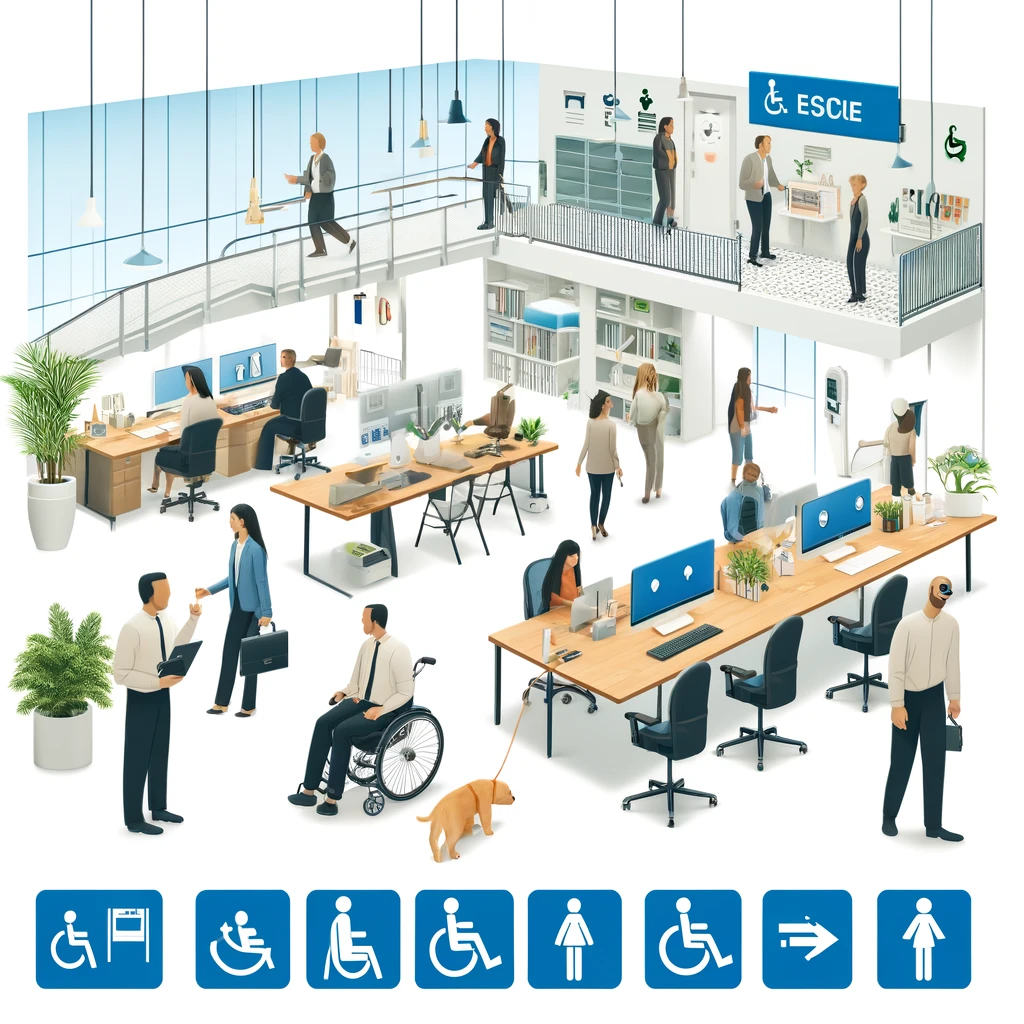
Implementing ADA Compliance in an educational network is a vital step toward creating an inclusive and accessible learning environment for all students, including those with disabilities. This process is often complex due to the nuanced requirements of the Americans with Disabilities Act (ADA) and other associated accessibility standards, as well as the unique challenges and constraints each educational institution may face. This case study explores the step-by-step process of achieving ADA compliance in a mid-sized educational network, detailing both the intricacies and benefits of such an endeavor.
The significance of ensuring ADA compliance extends beyond legal obligations; it enriches the educational experience by fostering an environment where all students, irrespective of their physical capabilities, can access and benefit from academic resources. In doing so, educational institutions demonstrate commitment to diversity, equity, and inclusion. In this study, we will examine how one educational network embarked on this transformative journey, detailing their strategic approaches, technical implementations, as well as challenges faced and solutions derived throughout the process.
Understanding the foundational motivations and contextual background behind pursuing ADA compliance is key to grasping the scope and impact of such an implementation. We’ll delve into the preparatory phases, from identifying potential gaps to deploying systematic changes in policy and infrastructure. With a combination of innovative solutions and collaboration among stakeholders, this case study aims to provide insights and guidelines that can be universally applied within the educational sector.
Moreover, as educational networks increasingly incorporate digital platforms, the necessity for digital accessibility aligns closely with new pedagogical approaches. The implementation goes beyond physical accessibility, incorporating digital content, websites, learning management systems (LMS), and other technological interfaces, ensuring they meet ADA standards. This multi-dimensional approach not only protects institutions from potential legal repercussions but also enhances the learning experience by supporting a diverse student body.
Initial Assessment and Gap Analysis
The process began with a comprehensive initial assessment to identify existing accessibility barriers within the network’s facilities and digital resources. This audit was conducted by a team of accessibility specialists who evaluated physical access to buildings, such as ramps and elevator services, as well as digital accessibility concerning websites and online learning platforms. This evaluation aimed to identify the disparity between the current state and the desired ADA compliance level.
Concurrently, stakeholder engagement was crucial to understand the lived experiences of students with disabilities, garnering insights into specific challenges they faced. This engagement was facilitated through surveys, interviews, and focus group discussions, providing a multifaceted understanding of accessibility needs. By documenting these insights, the institution could tailor its subsequent strategies to address identified gaps effectively.
Strategizing and Planning
With a clear set of problem areas defined, the educational network moved into the strategizing phase. Creating a robust plan required setting achievable goals, prioritizing actions, and allocating resources expertly. This phase prioritized low-hanging fruits—quick and easy to implement solutions such as adjusting website color contrasts and adding alt-text descriptions to images—alongside longer-term projects like retrofitting older buildings to include step-free access.
To ensure successful implementation, it was imperative to set up a cross-functional ADA compliance task force. This team was composed of IT experts, facilities managers, legal advisors, teaching staff, and students. Such multidisciplinary collaboration facilitated a holistic approach to designing solutions that are both technically sound and practically relevant. The task force was also tasked with creating an institution-wide ADA policy framework that supported sustained accessibility efforts and compliance maintenance.
Technological Implementation
Adopting accessible technology was a core component of the compliance plan. The educational network worked closely with its IT department to ensure all digital content, platforms, and software used across the institution adhered to Web Content Accessibility Guidelines (WCAG) 2.1. Work included retrofitting existing systems and meticulous testing with screen readers and other assistive technologies to confirm content was perceivable and navigable.
Moreover, the network integrated an accessibility tool into its LMS. This tool enabled students and instructors to easily check and ensure content accessibility, providing real-time feedback and suggestions for improvement. Additionally, automated testing software was employed regularly to identify and fix non-compliant features before broader deployment. This vigilance in monitoring digital accessibility was complemented by training programs dedicated to equipping staff and faculty with the necessary skills to create and maintain accessible digital content.
On the infrastructural front, investments were made in technologies that provide alternative means of interaction. For instance, classrooms were equipped with voice recognition software to aid student participation during lectures. These technological enhancements underscored the commitment to not only comply with ADA guidelines but also harness opportunities to improve educational delivery and student engagement globally.
Infrastructure and Facilities
In tandem with digital upgrades, significant efforts were made to enhance the physical accessibility of the network’s facilities. Many older buildings lacked modern accessibility features, requiring retrofitting to include wheelchair ramps, accessible parking spaces, tactile signage, and auditory assistance systems. Bathrooms were converted to incorporate more spacious stalls, and automatic doors were installed throughout.
A particular focus was placed on emergency plans, ensuring that evacuation procedures were inclusive of all abilities. This included installing audio and visual alarms and conducting drills designed to safely assist individuals with disabilities during emergencies. These strategic infrastructural investments were crucial in ensuring that all components of the educational environment met or exceeded ADA standards.
Training and Awareness
Successfully implementing ADA compliance hinges on raising awareness and fostering an inclusive culture within the institution. Therefore, training programs were developed to educate faculty and staff about ADA requirements and practical steps for achieving compliance. These sessions emphasized the importance of accessibility and provided hands-on training with assistive technologies and accessible content creation.
Additionally, training sessions were made available to students and parents, ensuring that the entire educational ecosystem was informed and could contribute to fostering accessibility. These training efforts were supplemented by an ongoing series of workshops and seminars, which included guest speakers from advocacy groups, providing firsthand experiences and promoting an empathetic understanding of accessibility challenges.
Reviewing and Adjusting Policies
An integral part of maintaining ADA compliance involved regularly reviewing institutional policies to ensure they reflected up-to-date legislation and accessibility standards. The newly established policy framework outlined procedures for continuous evaluation of accessibility efforts, stipulating clear accountability and feedback mechanisms.
Policies were adapted to provide clear avenues for students and staff to offer suggestions or raise concerns about accessibility issues. This open feedback loop was essential in recognizing emerging needs and adjusting strategies to address them promptly. In support of policy adaptation, an annual accessibility report was initiated, offering transparent evidence of progress and areas for further improvement.
Monitoring and Continuous Improvement
Meeting ADA compliance is not a one-off project but an ongoing commitment to inclusivity. To this end, the network instituted a robust system for monitoring accessibility. Regular audits and evaluations were scheduled to review both infrastructural and digital access points. Teams were assembled to routinely test the usability and accessibility of digital offerings, guided by up-to-date assistive technology feature updates and user feedback.
Insights gleaned from these assessments drove a continuous improvement process, fostering a culture of innovation and adaptability. By establishing clear benchmarks and harnessing data-driven insights, the network could proactively respond to evolving accessibility demands, ensuring sustained compliance and support for all learners.
Conclusion
Implementing ADA Compliance within an educational network is a multifaceted process that requires strategic planning, technological and infrastructural investment, continuous monitoring, and a strong commitment to inclusivity. This case study illustrates that achieving ADA compliance in an educational setting not only fulfills legal requirements but significantly enhances the educational experience for all students.
The journey of becoming compliant emphasizes the crucial role of understanding specific accessibility challenges, involving stakeholders at all stages, and employing a collaborative approach to facilitate meaningful change. Each component, from digital content accessibility to infrastructural enhancements and policy reviews, contributes to building an inclusive learning environment that respects and values diversity.
Through dedicated efforts in assessment, strategy formulation, technology implementation, and policy management, the educational network showcased in this study not only reached compliance but cemented its status as a leader in accessibility advocacy. This example serves as a guide for other institutions, highlighting best practices and reinforcing the importance of continual education and adaptation in the pursuit of total accessibility for all students.
Overall, ADA compliance in educational networks encapsulates a broader vision of equal opportunity and inclusivity, providing a platform where every student, irrespective of ability, can achieve their full potential. Moving forward, institutions will benefit from embedding accessibility as a core principle in educational strategies, leveraging technology and community to foster truly inclusive learning experiences.