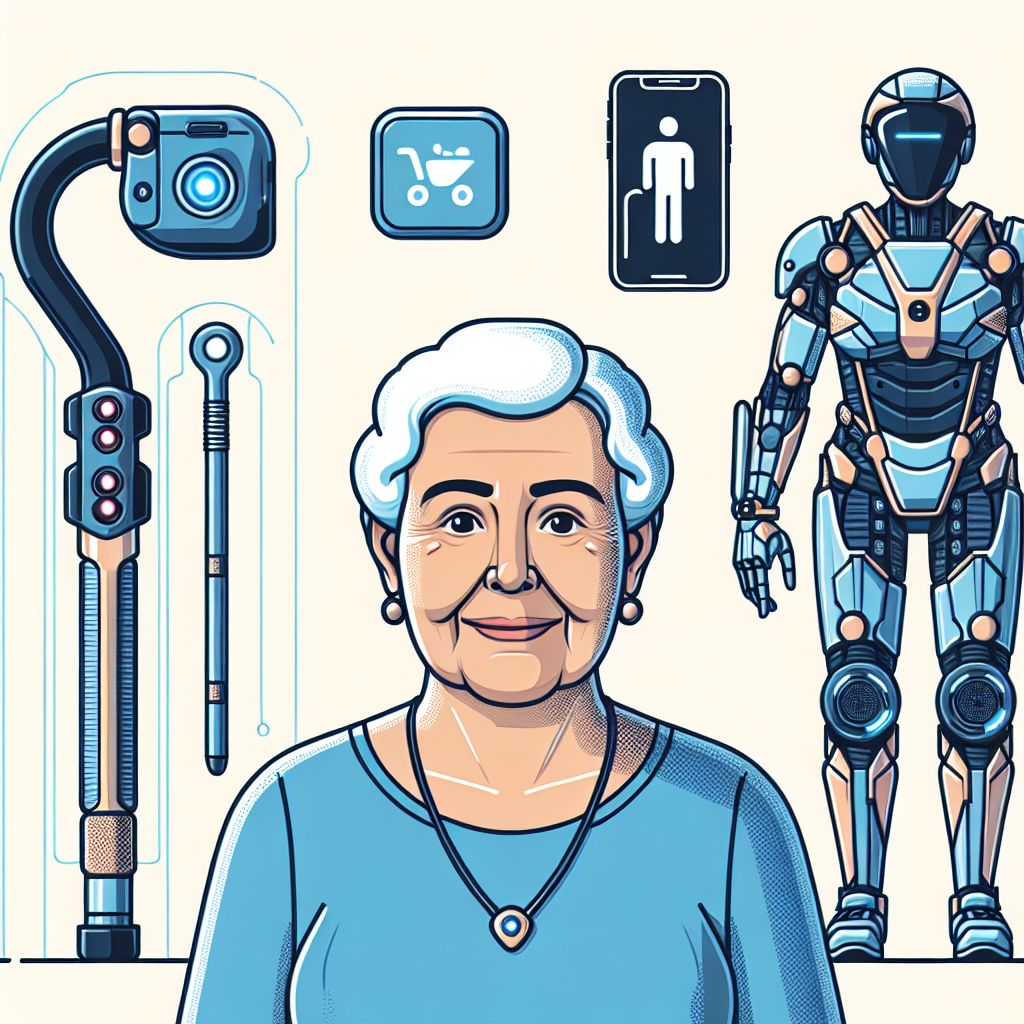
The advent of technology has revolutionized many aspects of our daily lives, and mobility aids are no exception. The evolution in this field over the past few decades has been nothing short of remarkable. The introduction and adaptation of the Americans with Disabilities Act (ADA) in 1990 was a significant milestone in promoting accessibility and equality for individuals with disabilities. Since then, technological advancements have continued to improve the quality of life for those who rely on mobility aids. This article delves into some of the most advanced mobility aids of today, examining how devices like smart canes and robotic exoskeletons are transforming the landscape of mobility and accessibility.
The Role of ADA in Technological Advancements
The ADA laid the groundwork for ensuring that individuals with disabilities receive equal opportunities and access to various aspects of everyday life. This landmark piece of legislation has also influenced the development and deployment of technology to assist those with mobility challenges. By mandating accessible public transportation, buildings, and communication systems, the ADA has indirectly fostered innovation in assistive technologies. This legal framework has provided an impetus for tech companies and researchers to design products that cater to the specific needs of the disabled community. As a result, we now see an array of high-tech mobility aids that were unimaginable just a few years ago.
Smart Canes: Enhancing Traditional Mobility Aids
Traditional canes have been a staple mobility aid for centuries, but recent upgrades have turned them into intelligent devices. Smart canes are now equipped with sensors, GPS, and even AI capabilities to provide real-time feedback and navigation assistance. These devices can detect obstacles, help users navigate busy streets, and even connect to smartphones for additional functionalities. For example, some smart canes come with built-in alert systems that can notify family members in case of a fall or emergency. The integration of technology into these conventional aids offers an enhanced level of independence and safety for their users, making everyday tasks and travel more manageable.
Robotic Exoskeletons: A New Era of Mobility
Perhaps one of the most groundbreaking advancements in mobility aids is the development of robotic exoskeletons. These wearable devices are designed to support and enhance the movements of individuals with mobility impairments. By providing external support and powered motion, robotic exoskeletons can help users walk, climb stairs, and perform other complex movements that they might otherwise find challenging. Companies like ReWalk and Ekso Bionics are at the forefront of this technology, offering products that are increasingly becoming more accessible and affordable. These exoskeletons can significantly improve the quality of life for people with spinal cord injuries, muscular dystrophy, and other conditions that impair mobility.
Smart Wheelchairs: Mobility with Intelligence
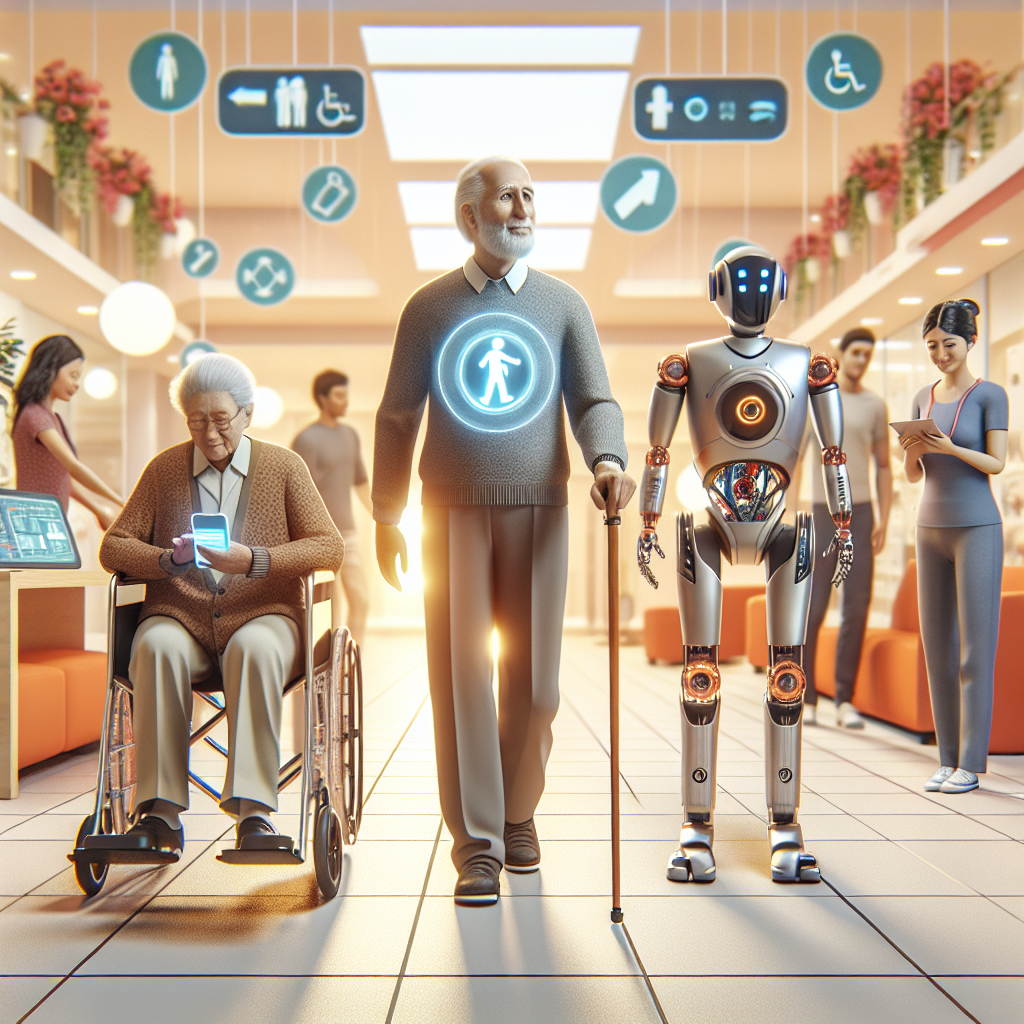
Wheelchairs have also seen significant technological advancements. Modern smart wheelchairs are equipped with features that go beyond simple locomotion. These high-tech devices can be controlled via voice commands, joysticks, or even brain-computer interfaces. They come with advanced navigation systems, obstacle detection, and even internet connectivity. Smart wheelchairs can communicate with other smart home devices, allowing users to control their environment more easily. For instance, a smart wheelchair user could adjust their home’s lighting, temperature, and security systems without leaving their seat. These advancements ensure a higher degree of independence, making daily activities more accessible and convenient.
Artificial Intelligence in Mobility Aids
Artificial Intelligence (AI) has become a game-changer in the realm of mobility aids. AI algorithms can analyze data from various sensors and make real-time decisions to assist users. For example, an AI-powered mobility aid can predict the user’s needs, suggest optimal routes, and even learn from the user’s behavior to provide a more personalized experience. These intelligent systems can also integrate with other technologies to offer holistic solutions. For instance, AI can be used in conjunction with smart home devices, virtual assistants, and mobile applications to create a seamless, interconnected environment that caters to the user’s specific needs. The possibilities are endless, and as AI technology continues to evolve, we can expect even more sophisticated and effective mobility aids.
Future Prospects in Mobility Technology
The future of mobility aids looks incredibly promising, with continuous advancements in technology paving the way for more innovative solutions. The introduction of 5G technology, for example, could revolutionize how mobility devices communicate with each other and with smart infrastructures. Imagine a world where smart canes, wheelchairs, and exoskeletons are all interconnected, sharing data in real-time to provide the most efficient and safest routes for users. Additionally, advancements in materials science could lead to lighter, more durable, and more comfortable mobility aids. User-centered design will continue to play a crucial role, ensuring that these technologies are not only functional but also intuitive and user-friendly. The ongoing collaboration between tech companies, healthcare providers, and users will drive the development of new innovations that enhance accessibility and mobility for all.
Conclusion
In summary, the advancements in mobility aids have significantly improved the quality of life for individuals with disabilities. From smart canes and robotic exoskeletons to AI-powered wheelchairs, each innovation offers new possibilities for enhanced independence and accessibility. The Americans with Disabilities Act has been instrumental in driving these developments, providing a framework that encourages the creation and adoption of assistive technologies. As we look to the future, the continuous integration of cutting-edge technology into mobility aids promises to bring even more transformative changes. By embracing these advancements, we move closer to a world where everyone, regardless of their physical abilities, can enjoy a higher quality of life and greater freedom of movement.
Frequently Asked Questions
1. What are advanced mobility aids and how do they differ from traditional aids?
Advanced mobility aids encompass a range of devices designed to help individuals with mobility challenges get around more easily and with greater independence. These modern aids go beyond the traditional canes, walkers, and simple wheelchairs. They include innovations such as smart canes, motorized wheelchairs with enhanced functionalities, and robotic exoskeletons.
The key difference between advanced and traditional mobility aids lies in the incorporation of cutting-edge technology. For instance, smart canes can have built-in GPS, provide navigation assistance, or feature sensors that allow the user to detect obstacles. Meanwhile, robotic exoskeletons, often used in rehabilitation settings, help individuals stand, walk, and regain strength with precise control and mechanical assistance that traditional aids can’t offer. These advancements are designed not just to support movement but to enhance quality of life by enabling a greater sense of independence and safety. They also often come with health-tracking features, connectivity to mobile applications for monitoring use, and the ability to connect with medical professionals for updates on the user’s mobility status.
2. How do smart canes help individuals with mobility impairments?
Smart canes are a significant leap forward from the conventional cane. They are equipped with multiple technological enhancements aimed at offering better support, providing navigation assistance, and enhancing user safety. One of the primary features of a smart cane is its ability to sense obstacles and provide vibration alerts to the user, helping them avoid potential hazards or navigate around obstacles.
Moreover, advanced versions of smart canes are embedded with GPS technology, which allows users to navigate unfamiliar places more confidently by providing directions or even sounding alerts if the user strays from their intended path. Some smart canes can connect to smartphones via Bluetooth, sending data to family members or caregivers concerning the user’s location or alerting them in case of an emergency.
These developments are intended to empower individuals who face mobility challenges to lead more independent lives, reduce the risk of falls or accidents, and stay connected with caregivers or family, all while enhancing their confidence in moving through different environments.
3. Can robotic exoskeletons be used for both medical rehabilitation and daily mobility aid?
Absolutely! Robotic exoskeletons have shown great promise in both the domains of medical rehabilitation and as an aid for daily mobility. In rehabilitation, they are often used under professional supervision to help individuals who have lost mobility due to spinal cord injuries, strokes, or other conditions. These devices assist with physical therapy by enabling repetitive movement exercises that help rebuild strength, endurance, and neural pathways essential for walking.
For daily mobility, exoskeletons come in versions that are more user-friendly and designed for regular home use. These models are geared towards providing mobility support in everyday tasks, allowing users to stand, walk, and perform activities they might have difficulty with otherwise. The intelligence within these systems often includes sensors that adjust the assistance level based on user needs and even predictive algorithms that tune the device to respond to the user’s movements in real-time. This adaptability ensures that these exoskeletons are not only practical but also enhance the user’s capabilities, supporting them more effectively in their daily lives.
4. What are some considerations when choosing advanced mobility aids?
Choosing the right advanced mobility aid involves several important considerations to ensure it meets the user’s specific needs and preferences. Here are some factors to consider:
First is the type and degree of mobility challenge the user is facing. Devices range from smart canes for those needing minimal assistance to full robotic exoskeletons for those needing substantial support. Evaluating the user’s capability and the kind of support they require is crucial.
The second is the device’s features and functionalities. Some users may prioritize navigation or obstacle detection capabilities, while others may focus on connectivity with healthcare providers or caregiver alerts. It’s essential to match these features with the user’s daily lifestyle and activity level.
Comfort and ease of use are other vital considerations. Users should feel comfortable with the device’s fit and find it easy to operate. Testing different devices to find the right physical and operational fit can be extremely beneficial.
Lastly, the user should consider cost and funding options. While some advanced mobility aids can be expensive, there may be funding resources, grants, or insurance coverage that can help reduce out-of-pocket expenses.
Discussing these aspects with healthcare providers can help in making an informed decision that enhances the user’s independence and quality of life.
5. How has the Americans with Disabilities Act (ADA) influenced the development of advanced mobility aids?
The Americans with Disabilities Act (ADA), passed in 1990, has had a profound impact on the development and accessibility of advanced mobility aids. By establishing clear guidelines and requirements for accessibility, the ADA has set a foundation for innovation in mobility aid technology. This landmark legislation mandates equal access and accommodation in public spaces, workplaces, and various other aspects of daily life, which has incentivized companies and researchers to create more sophisticated and versatile mobility aids.
Moreover, the ADA’s emphasis on equality and access has bolstered funding and interest in research aimed at improving mobility solutions for individuals with disabilities. This has paved the way for significant technological breakthroughs, such as smart canes and robotic exoskeletons, by emphasizing the need for aids that not only support mobility but also actively enhance the independence and integration of users in society.
As a result, today’s advanced mobility aids are designed with universal access in mind, empowered by artificial intelligence, smart technology, and user-centric designs, all of which align with and support the mandate of the ADA for accessible and inclusive spaces.