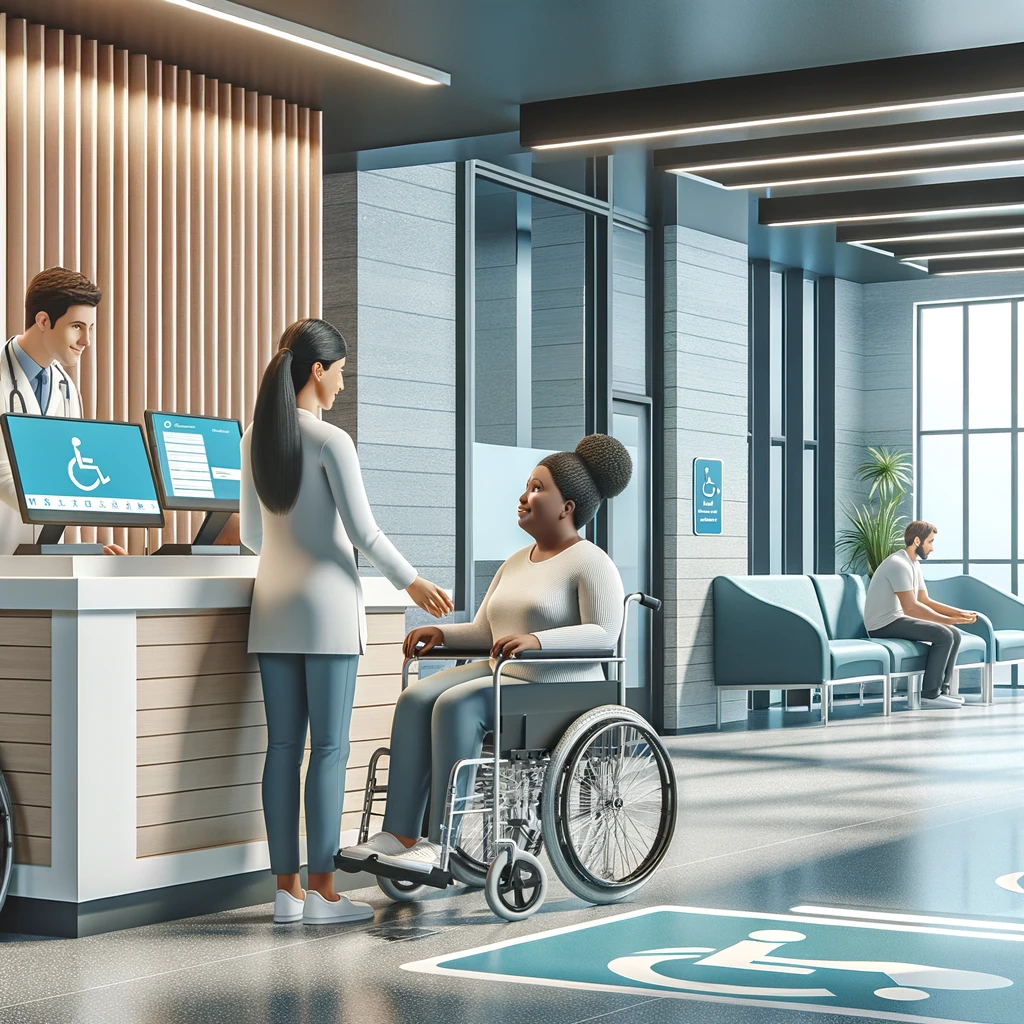
As the popularity of alternative and holistic healthcare continues to rise, many individuals seek the benefits of treatments like acupuncture, herbal remedies, and chiropractic care. However, for individuals with disabilities, accessing these alternative healthcare services can pose unique challenges. The Americans with Disabilities Act (ADA) plays a crucial role in ensuring that individuals with disabilities have equitable access to such treatments. Understanding ADA protections in alternative and holistic healthcare is vital for both providers and patients. This article will delve into how ADA requirements apply to alternative healthcare providers, the responsibilities they hold, and the rights of patients receiving these treatments.
Understanding ADA and Its Relevance to Healthcare
The ADA, signed into law in 1990, is a landmark civil rights law that prohibits discrimination based on disability. Its purpose is to ensure that individuals with disabilities have the same rights and opportunities as everyone else. Title III of the ADA specifically addresses public accommodations, which include healthcare facilities. According to the ADA, healthcare providers, including those offering alternative or holistic treatments, must make their services accessible to people with disabilities.
Accessibility under the ADA encompasses not only physical access but also communication and other forms of barrier removal. It means that alternative healthcare providers must consider the needs of patients with various disabilities, whether these are physical, sensory, intellectual, or mental. The implementation of ADA protections in alternative healthcare settings is as crucial as it is in conventional medicine to avoid potential discrimination.
Physical Accessibility in Alternative Healthcare
Ensuring physical access is a primary concern for alternative healthcare providers under the ADA. Facilities that offer treatments like acupuncture or massage therapy must be accessible to individuals with mobility impairments. This includes installing ramps, elevators, or lifts if there are steps leading into the facility. Hallways, doorways, and treatment rooms should be wide enough to accommodate wheelchairs and other mobility aids.
Moreover, treatment tables and other equipment should be adjustable to suit individuals with different disabilities. The goal is to remove obstacles that might prevent a person with a disability from receiving care. While historical homes or smaller alternative care practices may have constraints, they are still required to implement feasible access modifications or offer equivalent services if structural changes are impractical.
Effective Communication and Accessibility
Communication barriers can pose significant challenges in healthcare, and the ADA mandates effective communication to accommodate patients with disabilities. Alternative healthcare providers are responsible for ensuring that patients with hearing, vision, or speech impairments can understand the treatment process and make informed decisions.
Providers may need to use auxiliary aids like sign language interpreters, written materials, or text communication devices. Offering materials in accessible formats, such as braille or large print, is also crucial for people with visual impairments. By addressing these communication needs, alternative healthcare practices can foster an inclusive environment and comply with ADA regulations.
Service Animal Accommodations
Service animals play a vital role in assisting individuals with disabilities, and the ADA requires entities to permit service animals during treatment sessions. In alternative healthcare settings, this could mean allowing a service dog in an acupuncture clinic or a massage therapy room.
It is essential for healthcare providers to understand the definition of a service animal under ADA guidelines: typically, a dog trained to perform tasks directly related to a person’s disability. Providers must accommodate these animals unless doing so would fundamentally alter the nature of services or result in undue hardship, which is rare. Establishing clear policies on interacting with service animals ensures staff and patients are aware of their rights and responsibilities, fostering a respectful and accommodating care environment.
Legal Obligations and Training for Staff
An understanding of ADA obligations is not just beneficial but necessary for alternative healthcare providers. This includes educating staff about the rights of patients with disabilities, identifying potential discrimination, and implementing ADA-compliant practices. Proper training can involve learning to communicate effectively with disabled patients, understanding appropriate modifications, and avoiding assumptions about a person’s capabilities based on their disability.
Training should also emphasize respectful and non-discriminatory behavior, ensuring that all patients feel welcomed and valued. By being proactive in meeting ADA regulations, providers can prevent legal issues and most importantly, gain the trust of their patients.
Ensuring Non-Discrimination in Holistic Treatments
Discrimination in healthcare occurs when a patient with a disability is treated unfairly or denied services due to their condition. In the context of alternative and holistic healthcare, this could translate to denying acupuncture to someone because they cannot lie flat on a table or refusing to accommodate an herbal remedy for a patient with visual impairments by providing instructions in large print or audio form.
ADA regulations mandate that providers should offer reasonable modifications to policies or practices to accommodate the unique needs of their patients unless doing so would fundamentally alter the nature of the treatment. Providers should strive to deliver personalized services that respect the disability rights of every patient, reinforcing the fundamental ethos of holistic treatment—caring for the whole person.
The Role of Liability and Risk Management
Compliance with the ADA is not only ethical but also a legal responsibility that can influence a healthcare provider’s liability. Failing to adhere to ADA standards can lead to litigation and financial penalties. Furthermore, maintaining an ADA-compliant practice can actually reduce risk by minimizing potential legal challenges and enhancing patient safety.
To mitigate risks, alternative healthcare facilities should regularly review and update their policies and procedures, ensuring they recognize and comply with ADA standards. Engaging with legal experts or ADA consultants can provide valuable insights into efficient compliance and improve overall risk management strategies in practice.
Conclusion
The integration of ADA protections within alternative and holistic healthcare is crucial to ensure that these services are inclusive for everyone, regardless of their disability. As interest in alternative health modalities continues to grow, providers must recognize their responsibilities under the ADA to create an accessible and non-discriminatory environment. This involves not only physical and communication accessibility but also training and policy adjustments to foster inclusivity and equal access to care.
By embracing ADA protections, alternative healthcare providers can affirm their commitment to holistic well-being, honoring the diverse needs of their patients. Such efforts not only adhere to legal obligations but significantly enhance the quality of care. As we move towards a more inclusive society, ensuring equitable access to all forms of healthcare becomes a shared responsibility, paving the way for a fairer and more compassionate approach to health and wellness.