The Americans with Disabilities Act (ADA) is a pivotal piece of legislation enacted in 1990, aimed at preventing discrimination against individuals with disabilities. The ADA covers a wide range of areas, including employment, public services, public accommodations, telecommunications, and other vital aspects of life. One significant area of focus under the ADA is public safety and law enforcement. This article delves into the intricate ways in which the ADA influences public safety measures and law enforcement practices, elucidating the implications for both individuals with disabilities and professionals in these sectors.
Introduction
The Americans with Disabilities Act (ADA) was a landmark legislation that sought to provide comprehensive rights and protections to individuals with disabilities. Enacted in 1990, the ADA encompasses several areas to ensure that people with disabilities have the same rights and opportunities as everyone else. One of the critical sectors affected by the ADA is public safety and law enforcement. Ensuring fair treatment and effective communication between law enforcement agencies and individuals with disabilities is paramount for both legal compliance and community trust. This article offers an in-depth exploration of the ADA’s impact on public safety and law enforcement, examining how the legislation strives to create safer environments for all individuals, regardless of their physical or mental capabilities.
As we delve into this topic, it is essential to understand that effective public safety relies heavily on the ability of law enforcement personnel to communicate and interact appropriately with all members of the community they serve, including those with disabilities. The ADA mandates reasonable accommodations to be made in various aspects of public safety and law enforcement to ensure that individuals with disabilities are treated equitably. This includes modifications in policies, practices, and procedures to better meet the needs of disabled individuals.
ADA Standards for Public Safety Facilities
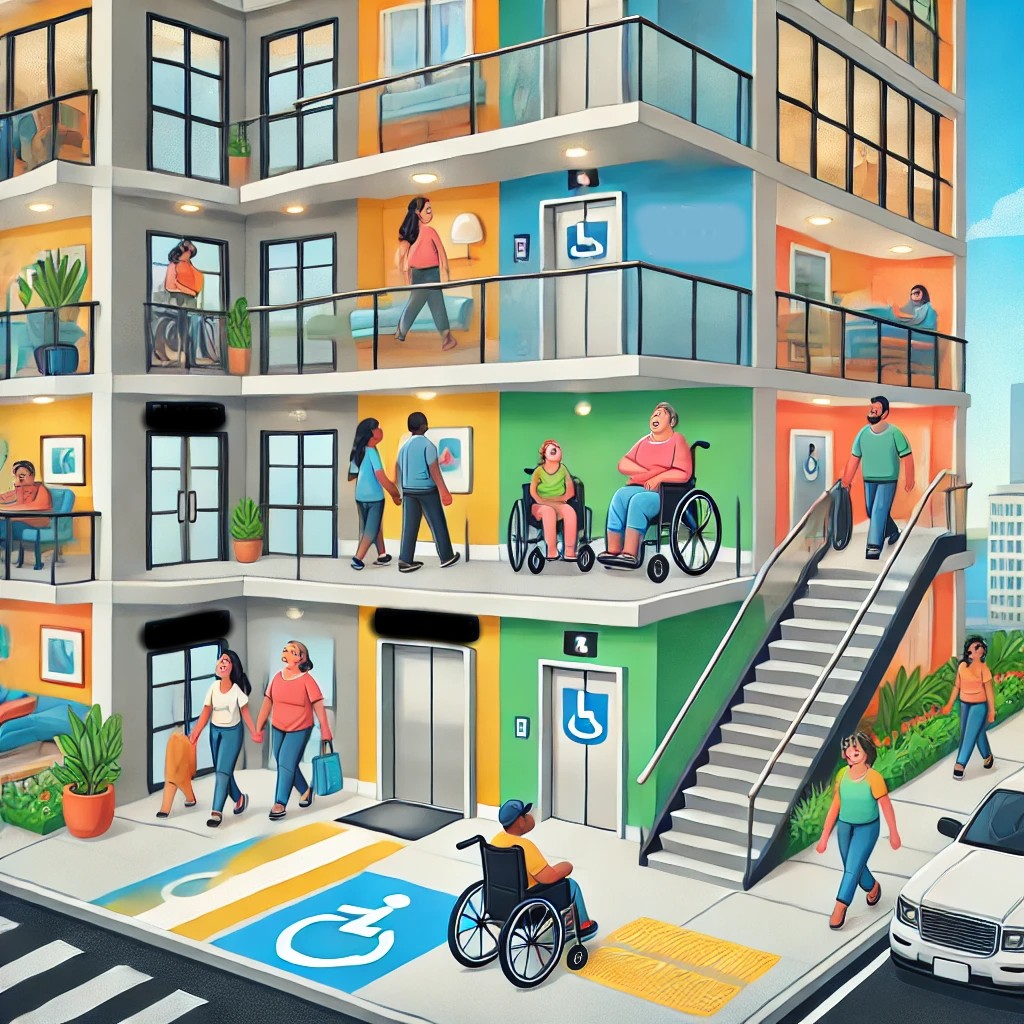
One significant area of focus under the ADA is the accessibility of public safety facilities. These facilities include police stations, fire departments, emergency shelters, and detention centers. To comply with the ADA, these buildings must be fully accessible to individuals with disabilities, including those who use wheelchairs, have visual or hearing impairments, or have other physical or cognitive limitations. This requirement extends to public areas, restrooms, entrances, exits, signage, and communication systems.
For instance, police stations are required to have accessible parking spaces, entrances with ramps or elevators as needed, clear signage that assists individuals with visual impairments, and accessible restrooms. The goal is not only to ensure that individuals with disabilities can access these facilities but also that they can do so independently and with dignity. Additionally, holding facilities and detention centers must also adhere to ADA standards to ensure that individuals with disabilities are provided suitable accommodations to meet their needs during their time in custody.
These standards are set forth in the Americans with Disabilities Act Accessibility Guidelines (ADAAG), which outline specific requirements for the design and construction of accessible facilities. Public safety organizations are obligated to regularly review and update their facilities to maintain compliance with these standards, thereby ensuring a barrier-free environment for individuals with disabilities.
Training for Law Enforcement Personnel
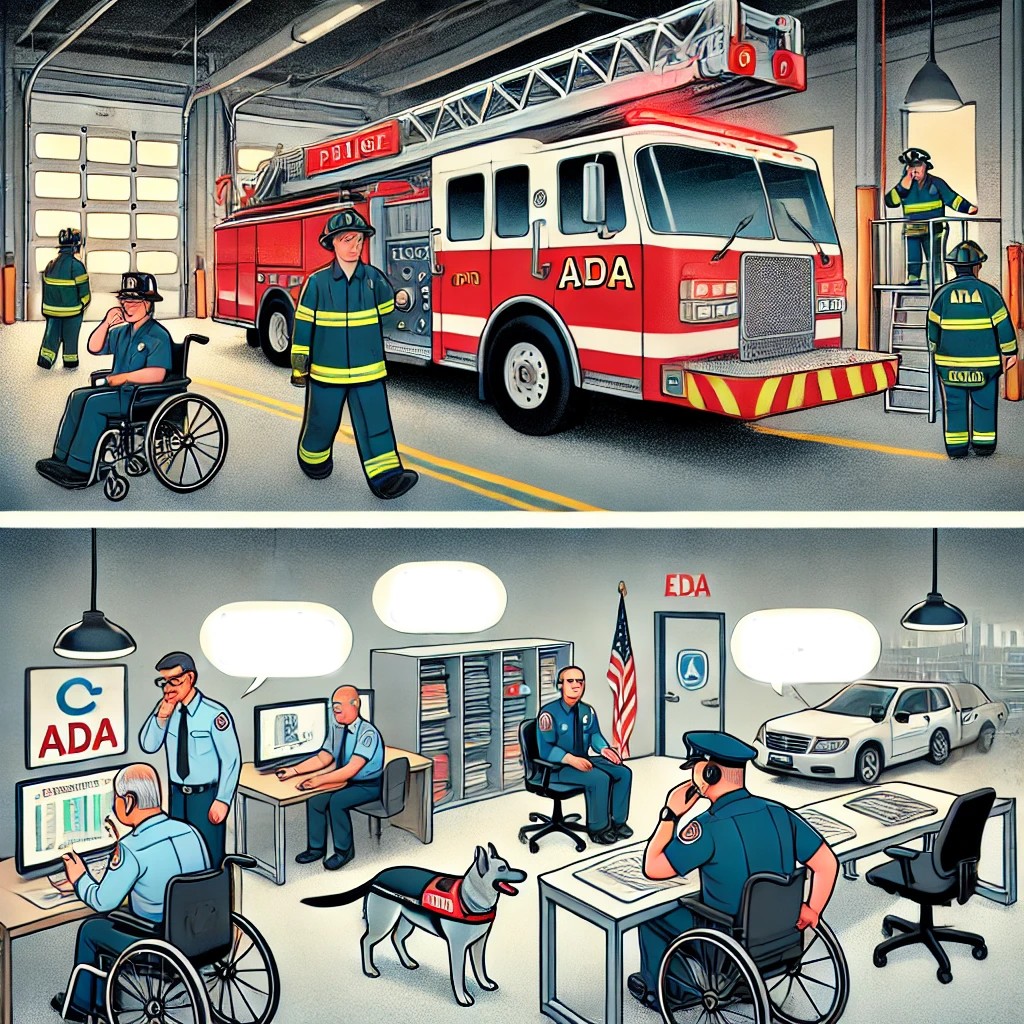
Equally important to the physical accessibility of public safety facilities is the proper training of law enforcement personnel. Police officers, firefighters, and emergency responders must be well-versed in ADA requirements and possess the skills necessary to interact effectively with individuals with disabilities. This encompasses a broad range of skills, from communication techniques to understanding specific needs that different disabilities may present.
Training programs for law enforcement personnel should include information on the ADA itself, practical exercises for interacting with individuals with various types of disabilities, and strategies for making reasonable accommodations in real-time situations. For example, officers should be trained on how to communicate with individuals who are deaf or hard of hearing, which may involve the use of American Sign Language (ASL) interpreters or other communication aids. Similarly, officers should be equipped with the knowledge to assist individuals with cognitive disabilities in understanding and following legal instructions.
Effective training not only facilitates compliance with the ADA but also fosters better community relations. When law enforcement personnel are trained to serve all members of their community, including those with disabilities, it promotes trust and cooperation. This, in turn, can lead to more effective policing and safer communities overall.
Communication Accessibility
Communication is a fundamental aspect of law enforcement interactions. For individuals with disabilities, particularly those with hearing or speech impairments, communication can present unique challenges. The ADA mandates that law enforcement agencies provide effective communication for individuals with disabilities, which may include providing auxiliary aids and services such as ASL interpreters, communication boards, or other technology-based solutions.
Police departments must evaluate each situation on a case-by-case basis to determine the appropriate aids and services required to ensure effective communication. This evaluation should consider factors such as the nature, length, and complexity of the interaction, as well as the individual’s communication method. In high-stakes scenarios, such as criminal interrogations or court proceedings, the need for clear and effective communication becomes even more critical.
Furthermore, the ADA requires law enforcement agencies to provide notice about the availability of auxiliary aids and services and to train personnel on how to access and use these resources appropriately. By doing so, police departments can ensure compliance with the ADA while also fostering more positive interactions and outcomes for individuals with disabilities.
Service Animals
Another crucial aspect of the ADA’s impact on public safety and law enforcement is the recognition and accommodation of service animals. Service animals, typically dogs, are trained to perform specific tasks for individuals with disabilities and are protected under the ADA. Law enforcement officers must understand the rights of individuals with service animals and make reasonable accommodations to ensure their accessibility to public safety services.
For instance, in the event of an arrest or detention, law enforcement personnel must have protocols in place to ensure that the service animal is cared for and that the individual with a disability can retain access to their service animal whenever feasible. Officers should be trained to recognize service animals that may not fit conventional notions, such as those assisting individuals with invisible disabilities like PTSD or diabetes.
Failure to accommodate service animals can have significant legal and social repercussions, underscoring the importance of comprehensive training and awareness among law enforcement personnel. By acknowledging and supporting the needs of individuals with service animals, law enforcement agencies not only comply with the ADA but also enhance the effectiveness and compassion of their services.
Emergency Preparedness and Response
The ADA also plays a vital role in shaping emergency preparedness and response strategies within public safety. Emergency situations, such as natural disasters, fires, or terrorist attacks, necessitate inclusive planning and response efforts to ensure the safety of all community members, including individuals with disabilities. Public safety agencies are required to develop emergency plans that address the unique needs of people with disabilities, encompassing everything from evacuation procedures to communication methods during emergencies.
For example, during evacuations, it is crucial for public safety personnel to have protocols that account for individuals who may need additional assistance, such as those with mobility impairments or sensory disabilities. Emergency shelters must be accessible and equipped to accommodate individuals with various disabilities, providing necessary supports like accessible sleeping arrangements and medical supplies.
Effective emergency communication is also paramount. Public safety agencies must employ multiple communication methods to reach individuals who may have visual, hearing, or cognitive disabilities. This can include utilizing accessible alert systems, captioned emergency broadcasts, and ASL interpreters during public announcements.
By integrating the principles of the ADA into emergency preparedness and response plans, public safety agencies can ensure a more inclusive and comprehensive approach to protecting all community members during crises.
Conclusion
The Americans with Disabilities Act (ADA) serves as a cornerstone for promoting equality and inclusion within public safety and law enforcement sectors. Through a combination of accessible facilities, adequate training for personnel, effective communication strategies, accommodation of service animals, and inclusive emergency preparedness plans, the ADA strives to ensure that individuals with disabilities receive fair and equitable treatment.
Compliance with the ADA is not merely a legal obligation but a commitment to building a safer and more inclusive society. Law enforcement agencies and public safety organizations must continue to evolve and adapt to the needs of individuals with disabilities, fostering environments where trust, respect, and safety are paramount. As we move forward, ongoing education, training, and collaboration with disability advocacy groups will be essential in upholding the principles of the ADA and enhancing public safety for all.
In conclusion, the impact of the ADA on public safety and law enforcement extends far beyond legal compliance. It encompasses a holistic approach to creating inclusive environments, ensuring effective communication, and providing necessary accommodations to support individuals with disabilities. By embracing the tenets of the ADA, public safety agencies can not only fulfill their legal obligations but also reinforce their commitment to serving and protecting all members of their communities, fostering a safer and more inclusive society for everyone.
Frequently Asked Questions
1. How does the ADA impact interactions between law enforcement officers and individuals with disabilities?
The ADA fundamentally shapes the way law enforcement officers interact with individuals with disabilities. It mandates that officers receive adequate training to understand and recognize disabilities, thus avoiding misconceptions and ensuring fair treatment. Officers are required to modify their policies, procedures, and practices to accommodate individuals with disabilities during interactions. For example, this could mean providing an interpreter for a person with hearing loss or employing de-escalation tactics when interacting with someone with a mental health condition. The goal is to ensure that the rights of individuals with disabilities are protected, and that their unique needs are acknowledged and appropriately addressed, mitigating the risks of unnecessary confrontations.
2. What are the responsibilities of public safety providers under the ADA in emergency situations?
In emergency situations, public safety providers have a critical responsibility under the ADA to ensure that their services are accessible to individuals with disabilities. This includes having plans in place for communication, evacuation, and sheltering that accommodate various disabilities. For example, emergency communications should be accessible to individuals with auditory or visual impairments, utilizing technologies such as TDD/TTY or providing sign language interpreters. Additionally, evacuation plans should consider physical barriers and provide means of assistance for those who may require it. Ensuring that emergency shelters are accessible to those with disabilities is also vital, allowing individuals to receive necessary accommodations like mobility aids or space for service animals during crises. By incorporating these considerations, public safety providers uphold the ADA’s mandate to protect the safety and rights of all individuals, regardless of their abilities.
3. How does the ADA ensure accessibility in public safety facilities?
The ADA requires that public safety facilities themselves are fully accessible to individuals with disabilities. This means that physical barriers within police stations, fire departments, or any public building must be removed or adjusted to allow full access. Accessibility includes features such as ramps, elevators, wide doorways, and tactile signage for those with visual impairments. It also involves ensuring that jail cells and booking areas accommodate individuals with mobility issues. By adhering to these standards, public safety facilities not only abide by the law but also foster an environment of inclusivity and equal access to services and resources.
4. What role does technology play in fulfilling ADA requirements within law enforcement agencies?
Technology plays a pivotal role in helping law enforcement agencies meet ADA requirements. Assistive technologies such as speech-to-text applications, text telephones, and video relay services enhance communication between public safety officers and individuals with disabilities. In dispatch centers, systems that can quickly identify and call on appropriate resources, like sign language interpreters or mental health professionals, streamline the process and ensure that the needs of all citizens are promptly addressed. Additionally, officers often carry equipment designed to facilitate access, such as portable ramps or devices to assist the visually impaired. Embracing these technologies not only aids compliance with the ADA but also empowers law enforcement agencies to serve their communities more effectively, ensuring safety and accessibility for all individuals.
5. What training measures are essential for law enforcement officers to effectively implement ADA standards?
Training is crucial for law enforcement agencies to effectively implement ADA standards and properly serve individuals with disabilities. Officers need comprehensive training that covers the recognition of various types of disabilities and appropriate interaction strategies. This includes role-playing exercises, lectures from disability advocates, and workshops that emphasize disability awareness and sensitivity. Training should also encompass legal requirements under the ADA and educate officers on available resources and accommodations. Moreover, ongoing professional development is important to keep up with new developments in technology and legal obligations under the ADA. By prioritizing these training measures, law enforcement agencies are better equipped to handle a diverse range of situations with empathy and understanding, thereby fulfilling their duty to ensure access and fairness under the law.