In the quest for equal rights, accessibility in housing stands as a cornerstone. The Americans with Disabilities Act (ADA) enshrines protections that ensure individuals with disabilities can live in and access housing without facing discrimination. This article explores the specific rights, the legal framework, and practical advice on how to ensure these rights are upheld.
Understanding the ADA’s Scope in Housing
The ADA, enacted in 1990, primarily addresses discrimination against individuals with disabilities in public life. While the ADA itself does not specifically address private residential housing, it plays a crucial role in public and common use areas in residential settings. This includes rental offices, public areas in residential complexes, and other facilities open to the general public.
For private housing, other laws such as the Fair Housing Act (FHA) and Section 504 of the Rehabilitation Act provide robust protection, ensuring that individuals with disabilities can seek accommodations in their living spaces. However, the ADA’s influence is critical in areas where public interaction occurs.
Rights Under the Fair Housing Act
The FHA is pivotal in combating discrimination against those with disabilities in private and public housing sectors. It requires landlords and housing providers to make reasonable accommodations for tenants with disabilities. These accommodations could include changes in policies, such as allowing a service animal in a no-pet building, or physical modifications to the structure, such as installing grab bars in bathrooms.
Reasonable Modifications and Accommodations
Under the FHA, tenants have the right to modify their living space to suit their disability needs, provided they bear the cost of these changes. In certain cases, housing providers may be required to allow modifications at their expense if the dwelling is part of a federally assisted housing program.
Design and Construction Requirements
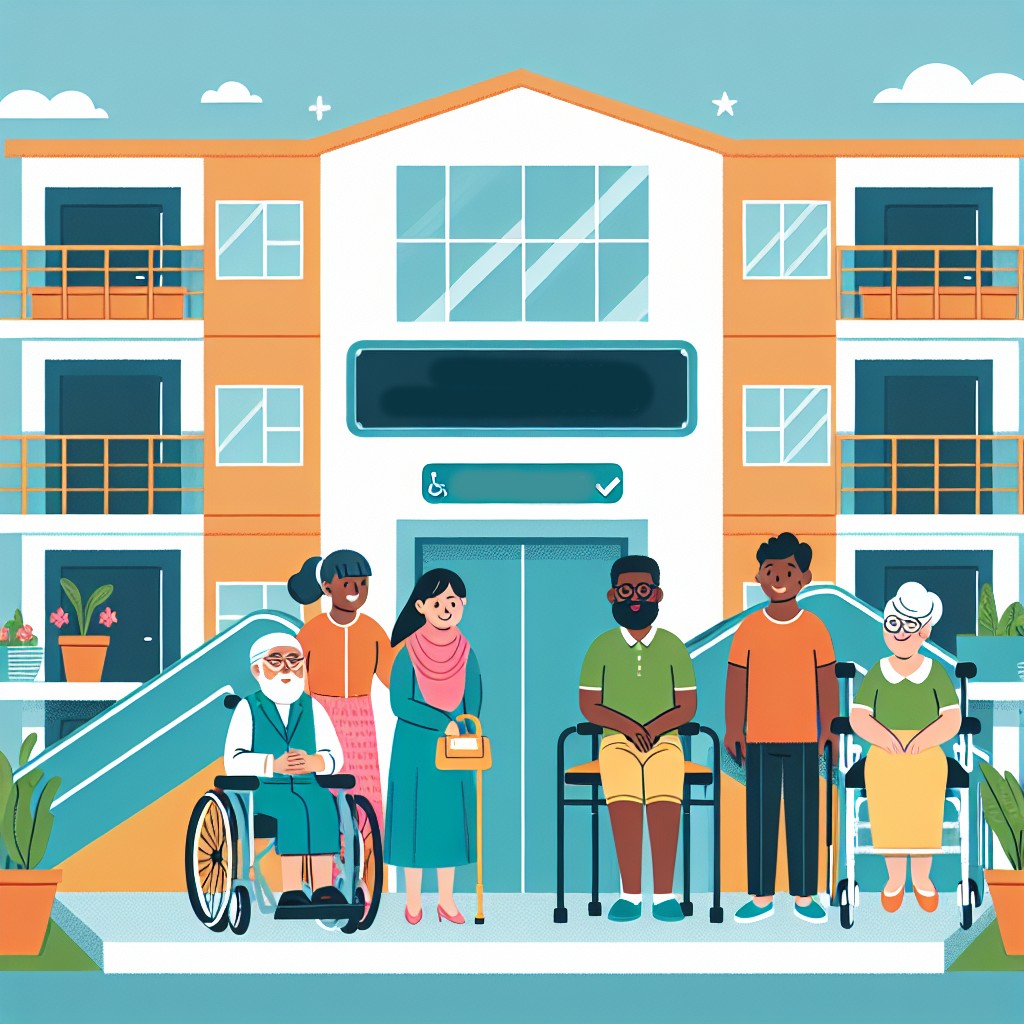
Newly constructed multifamily dwellings must comply with specific accessibility requirements under the FHA. These standards ensure that buildings are accessible to people with disabilities, featuring amenities such as wide doorways, accessible routes into and through the units, and accessible light switches and electrical outlets.
Role of Section 504 in Housing
Section 504 of the Rehabilitation Act prohibits discrimination on the basis of disability in any program receiving federal assistance. This means any federally funded housing program must ensure accessibility for residents with disabilities. Compliance with Section 504 often requires significant structural modifications to existing buildings and careful planning in new constructions to ensure accessibility.
Navigating the ADA in Public Housing and Accommodations
While the ADA might not directly cover private housing, its rules apply to any public housing agency or public accommodation. This includes public housing developments managed or funded by local or state governments. These agencies must comply with ADA standards, ensuring their facilities and services are accessible to all residents, regardless of disability.
Accessible Public and Common Use Areas
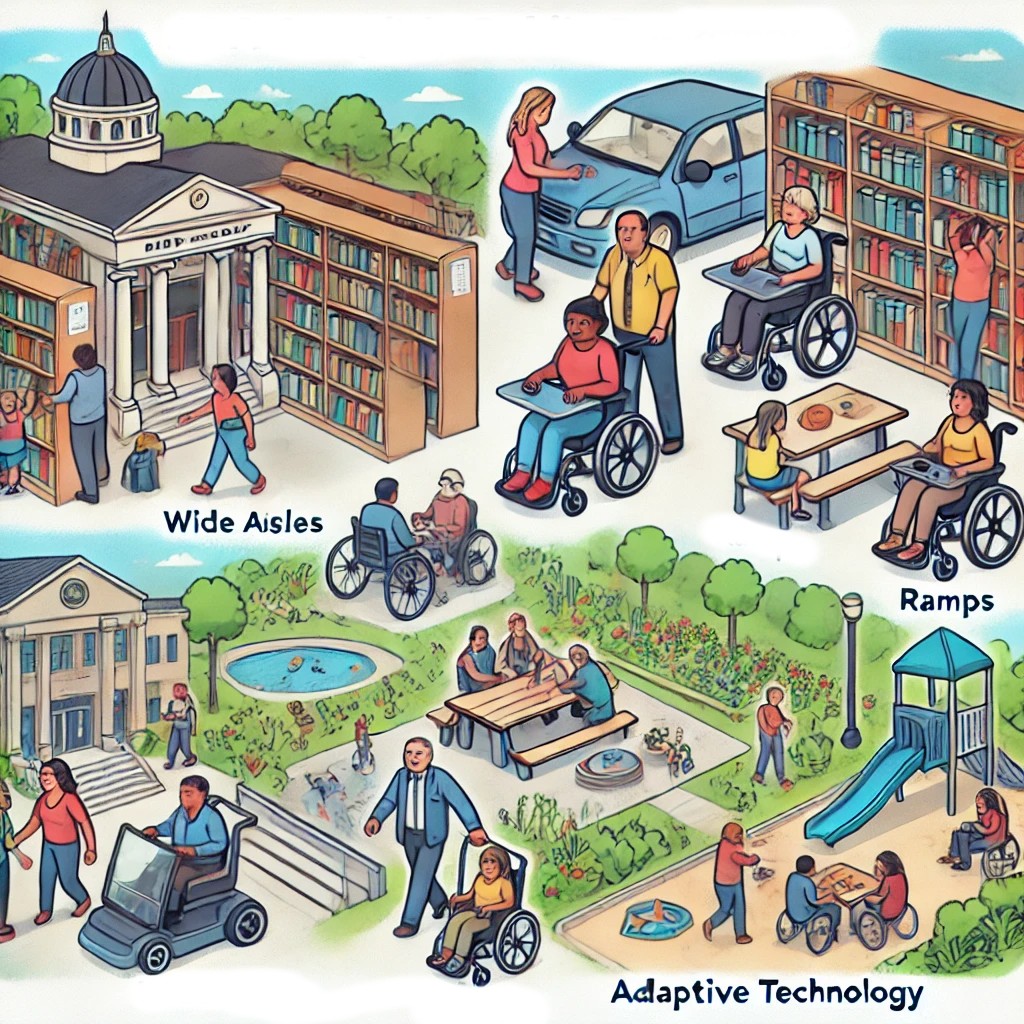
The ADA mandates that all public and common use areas in housing complexes are fully accessible. This includes leasing offices, shared facilities like gyms, pools, and laundry rooms, and guest rooms. Ensuring these areas meet ADA standards is crucial for providing equal access to amenities.
Enforcement and Advocacy
Enforcement of the ADA and related housing rights is managed by several federal agencies, including the Department of Housing and Urban Development (HUD) and the Department of Justice (DOJ). Individuals who face discrimination can file complaints with these agencies. Advocacy groups also play a critical role in promoting accessibility rights and can be valuable resources for individuals seeking to navigate the complexities of housing laws.
Practical Tips for Ensuring Accessibility
- Know Your Rights: Understanding the legal protections you have under the ADA, FHA, and Section 504 is the first step toward ensuring fair treatment.
- Communicate Needs: Clearly and promptly communicate your need for accommodations or modifications to your housing provider.
- Document Everything: Keep records of all communications and submissions related to requests for accommodations or modifications.
- Seek Assistance: If you encounter resistance or refusal, consider reaching out to local advocacy groups or legal aid organizations that specialize in disability rights.

Empowering Tenants and Homeowners
While laws provide the framework for rights and obligations, real empowerment comes from individuals knowing how to use these tools effectively. For tenants and homeowners with disabilities, this means actively engaging in the housing process, from selecting a home to requesting necessary modifications.
Selecting Accessible Housing
When searching for housing, individuals with disabilities should consider:
- Accessibility Features: Look for homes that already meet some or all of your accessibility needs, such as step-free entrances, accessible bathrooms, and reachable controls and switches.
- Flexibility of the Space: Evaluate whether the space can be easily adapted to meet specific needs over time.
- Proximity to Resources: Consider the location’s proximity to essential services like medical care, public transportation, and support networks.
Understanding the Right to Request Modifications
Under the FHA, individuals with disabilities have the right to request reasonable modifications to their living environment. These modifications are essential for full enjoyment of the home. It’s important to note that while tenants may bear the cost of these modifications, landlords are required to allow them, unless doing so would be structurally impossible or unreasonably expensive relative to the landlord’s resources.
Example Cases of Modifications
- Installing a Ramp: Tenants in a wheelchair may request to install a ramp at their entrance if the building does not have step-free access.
- Altering Shower Facilities: Changing a bathtub to a walk-in shower for someone with mobility issues is a common request that landlords need to accommodate.
- Lowering Countertops: In the kitchen, lowering countertops can help individuals in wheelchairs to use the space more effectively.
Building Community and Support
Creating an accessible community is not just the responsibility of individuals with disabilities. It requires the collective effort of all stakeholders, including landlords, property managers, neighbors, and local government.
Landlords and Property Managers
Landlords and property managers can foster inclusivity by:
- Regularly Reviewing Accessibility: Conducting periodic checks to ensure that existing features meet accessibility standards and updating them as necessary.
- Engaging with Tenants: Maintaining open lines of communication with tenants about their needs and how best to address them.
Neighbors and Local Communities
Neighbors play a crucial role in creating an inclusive environment. Simple acts of awareness and consideration can significantly enhance the quality of life for individuals with disabilities. Local communities can also advocate for better policies and support structures to support residents with disabilities.
Legal and Community Resources
Several resources are available to help individuals understand and enforce their rights under the ADA, FHA, and Section 504:
- Local Housing Authorities: Often provide information and support for individuals looking for accessible housing.
- Disability Rights Organizations: Offer legal advice and advocacy services to navigate housing rights.
- Online Resources: Websites and forums dedicated to disability rights can provide valuable information and community support.
Moving Forward: The Path to Inclusivity
While the legal framework provides a solid foundation for accessibility in housing, achieving true inclusivity requires continuous effort and commitment from all segments of society. Awareness, education, and proactive advocacy are key to making accessible housing a reality for everyone.
As society progresses, the definition of accessibility evolves. Staying informed and involved in legislative developments is crucial for ensuring that the rights of individuals with disabilities are not only recognized but also practiced widely. Through collective action and awareness, we can look towards a future where every individual has the opportunity to live independently and comfortably in their chosen home environment.
Conclusion
The journey towards accessible housing is ongoing and requires the concerted effort of individuals, communities, and governments. By leveraging the protections offered by the ADA, FHA, and Section 504, individuals with disabilities can ensure their rights are respected and their needs met. Empowerment through knowledge and community support will continue to be key drivers in this endeavor, shaping a more inclusive society where everyone can feel at home.
References
- Americans with Disabilities Act (ADA)
- Fair Housing Act (FHA)
- Section 504 of the Rehabilitation Act
- U.S. Department of Housing and Urban Development (HUD)
- U.S. Department of Justice (DOJ)
Frequently Asked Questions
1. What are ADA housing rights and how do they impact individuals with disabilities?
The Americans with Disabilities Act (ADA) housing rights are designed to ensure that individuals with disabilities can access housing without discrimination. These rights are pivotal because they mandate that both public and private housing accommodations must be accessible to people with disabilities. This essentially means that housing providers must make reasonable modifications to their properties to make them more accessible unless it causes undue financial or administrative burden. Additionally, the Act prevents any form of discrimination by landlords, sellers, or managers based on a person’s disability. By setting these standards, the ADA ensures that individuals with disabilities can live independently and with dignity, providing them with equal opportunities to participate in all aspects of community life.
2. How does the ADA protect tenants with disabilities from discrimination in housing?
The ADA provides robust protection against discrimination in housing by requiring landlords and property managers to provide reasonable accommodations to tenants with disabilities. This can include adjustments in policies, practices, or services when necessary to provide equal housing opportunities. For example, if a tenant has a mobility impairment, the landlord may need to install grab bars in the bathroom or provide a wheelchair ramp. Importantly, landlords cannot deny tenancy to a person because of their disability or because the individual requires reasonable accommodations. The ADA also makes it illegal for landlords to ask prospective tenants about the nature or severity of their disability, unless it is to determine if an individual qualifies for an accessible unit. These protections ensure a level playing field for individuals with disabilities when seeking housing.
3. What legal frameworks are in place to ensure ADA compliance in housing?
The ADA itself is a significant legal framework, but it’s important to recognize that it’s not the only law that enforces accessibility in housing. The Fair Housing Act (FHA) also plays a crucial role, as it prohibits discrimination based on disability, among other protected categories. Together, these laws require new multifamily housing with four or more units to be designed and constructed to be accessible to people with disabilities. The architectural standards and guidelines provided under the ADA spell out specific accessibility requirements, such as accessible routes, wide doorways for wheelchair access, and accessible public and common use areas. Property owners must also provide auxiliary aids and services that ensure effective communication with tenants with disabilities. Violations of these laws can lead to legal consequences, including fines and penalties, underscoring the importance of compliance for all housing providers.
4. What are “reasonable accommodations” in the context of ADA housing rights?
Reasonable accommodations under the ADA refer to changes or adjustments in housing policies, practices, or services that enfranchise people with disabilities, ensuring they can enjoy equal housing opportunities. This concept is based on the idea that some people may need adjustments due to their disabilities to have equal use and enjoyment of their homes and facilities. Examples might include allowing a service animal in a no-pets building, reassigning a parking space to be closer to a unit’s entrance, permitting a tenant to pay rent using electronic means due to a physical disability, or allowing a tenant to have a mail slot installed for easy access to their mail. The key is that these accommodations should be reasonable and not impose an undue burden on the housing provider. If a particular accommodation request is not feasible, the housing provider should work with the tenant to find an alternative solution that meets their needs.
5. How can individuals ensure their ADA housing rights are being upheld?
Individuals can take several steps to ensure their ADA housing rights are being upheld. Firstly, they should educate themselves about their rights under the ADA and the Fair Housing Act, understanding what is required from housing providers and what accommodations can reasonably be requested. If a person believes their rights have been violated, they should document all interactions with housing providers related to the issue, including times, dates, and content of communications. It’s also beneficial to express any accommodation needs or grievances in writing, clearly detailing the request and referencing relevant laws and regulations. If these interactions do not result in satisfactory resolution, individuals can file a complaint with the U.S. Department of Housing and Urban Development (HUD), which enforces the Fair Housing Act. Additionally, seeking legal counsel from an attorney specializing in disability rights can provide professional guidance and legal options to further protect one’s rights.