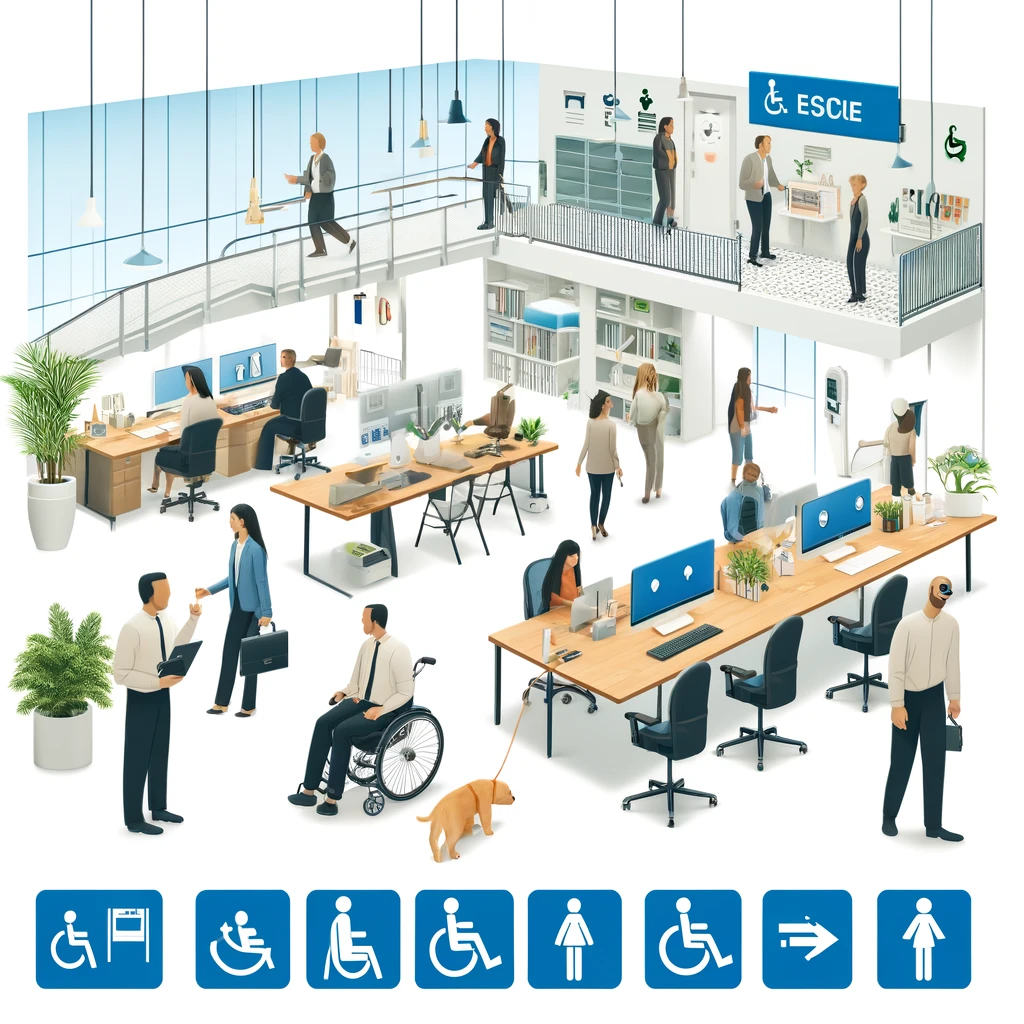
Accessibility procurement rules for software, kiosks, and platforms determine whether organizations buy technology that disabled people can actually use, and in practice these rules are where compliance becomes operational. Procurement is the set of policies, specifications, contract terms, testing steps, and acceptance criteria used before purchase and during implementation. Accessibility, in this context, means conformance to recognized technical and functional requirements such as WCAG for digital content, Section 508 standards for federal procurement, EN 301 549 for ICT in Europe, and the ADA’s broader obligation to provide equal access. I have seen teams spend months remediating products after deployment because accessibility was treated as a post-purchase bug list rather than a source-selection requirement. That mistake increases legal exposure, implementation cost, and user frustration. For software buyers, the risk appears in SaaS platforms, collaboration suites, HR systems, and customer portals. For kiosks, it appears in self-check-in stations, point-of-sale devices, ticketing terminals, and wayfinding systems. For enterprise platforms, it appears in learning management systems, procurement portals, and data dashboards that affect both employees and customers. Strong procurement rules matter because they shape the market: vendors build to requirements buyers consistently enforce. They also create evidence. If a regulator, auditor, or plaintiff asks what steps an organization took, a documented procurement process shows diligence, standards alignment, testing, and remediation planning. This article serves as a hub for advanced ADA compliance topics by connecting legal obligations, technical standards, vendor evaluation, contracting, implementation governance, and ongoing monitoring into one practical framework.
Legal and standards foundation for accessibility procurement
Accessibility procurement starts with understanding which rules apply and how they interact. In the United States, the ADA generally requires equal access to goods, services, programs, and employment, but it does not function like a detailed product specification. Procurement teams therefore map ADA obligations to technical standards and policy controls. For federal agencies, Section 508 directly governs ICT procurement and incorporates specific accessibility requirements. State and local agencies often adopt similar rules through statute, policy, or contract language. Private organizations use procurement rules to support ADA Title I, II, or III compliance, reduce litigation risk, and meet internal governance expectations. In Europe, EN 301 549 provides a procurement-ready standard for ICT products and services, including software, web, documents, and hardware interfaces. WCAG 2.1 AA remains the most common baseline for websites, web applications, and increasingly for mobile and platform interfaces.
The key principle is simple: legal duties establish the obligation, while technical standards translate that obligation into testable requirements. A software contract should not merely say the product will be “accessible.” It should specify applicable standards, versions, conformance levels, scope, evidence, testing methods, defect severity, remediation timelines, and acceptance criteria. For kiosks, requirements usually go beyond screen content to include tactile controls, reach ranges, speech output, privacy for audio, visible focus indicators, color contrast, timeout settings, and compatibility with assistive technology where relevant. Platforms require special attention because they often combine web content, embedded documents, video, reporting modules, user-generated content, and administrative workflows. If the procurement language fails to address each component, accessibility gaps appear at the seams, where responsibility is easiest for vendors to dispute.
How to write procurement requirements for software, kiosks, and platforms
Good accessibility procurement language is precise, scoped, and enforceable. Start by defining the covered product, including user roles, environments, devices, integrations, and content types. Then identify the applicable standard. For a SaaS platform, that usually means WCAG 2.1 AA for the user interface, document accessibility requirements for exported files, captioning and transcript requirements for media, and compatibility expectations with screen readers, keyboard-only use, zoom, speech input, and mobile accessibility features. For kiosks, requirements should address both software and physical interface design. I typically separate requirements into functional categories: perceivable output, operable controls, understandable workflows, robust compatibility, and hardware-specific access features. That structure prevents teams from overfocusing on web-style checkpoints while ignoring physical access barriers that matter just as much at a terminal.
Effective procurement rules also require evidence before award. The common document is a VPAT, which vendors use to report conformance against a standard such as Section 508, WCAG, or EN 301 549. A VPAT is useful, but it is not proof. Buyers should request the completed accessibility conformance report, the date of testing, the exact product version tested, known exceptions, and supporting artifacts such as audit summaries, issue logs, roadmap commitments, and user testing findings. I have found that the best vendor responses explain not only what conforms, but where limitations remain, what workaround exists, and when remediation is scheduled. That level of detail usually signals a mature accessibility program. Vague statements such as “supports accessibility” or “WCAG compliant” without scope, test date, or methodology should trigger follow-up questions rather than procurement approval.
Vendor due diligence and evidence review
Once requirements are drafted, procurement quality depends on how rigorously vendors are evaluated. The strongest review combines document analysis, product demonstration, hands-on testing, and contractual verification. In practice, I ask vendors to demonstrate critical user journeys using keyboard-only navigation, a screen reader such as JAWS, NVDA, or VoiceOver, and browser zoom at 200 percent. For mobile components, I ask for TalkBack and VoiceOver demonstrations. For kiosks, I ask vendors to show speech output initiation, headphone jack behavior, timeout controls, tactile navigation, error recovery, and privacy protections for sensitive transactions. Demonstrations reveal problems quickly. A product may have a polished VPAT yet fail a simple task like completing checkout, resetting a password, or reviewing a confirmation screen without vision or mouse input.
Evidence review should focus on risk, not paperwork volume. Mission-critical workflows deserve the deepest testing. If a platform is used for benefits enrollment, patient scheduling, coursework submission, or public service applications, accessibility failure directly affects rights and participation. Buyers should identify those workflows in advance and score vendors accordingly. Independent testing by an internal specialist or third-party auditor is particularly valuable when a product will be widely deployed or heavily customized. Conformance claims often degrade during implementation because templates, integrations, or client-configured modules introduce barriers. That is why due diligence should assess both the base product and the vendor’s implementation practices, including design system controls, defect management, release testing, and customer support training.
| Procurement stage | What to require | What to verify | Common failure point |
|---|---|---|---|
| RFI/RFP | Named standards, scoped requirements, VPAT, roadmap | Version tested, methodology, exceptions | Generic accessibility promises |
| Demo | Assistive technology walkthroughs of core tasks | Keyboard use, screen reader output, error handling | Prepared demo avoids real workflows |
| Pilot | Sample users, configured environment, issue logging | Actual usability in your implementation | Accessible base product, inaccessible configuration |
| Contract | Remediation terms, timelines, audit rights, indemnities | Enforceable obligations and acceptance criteria | No remedy for known defects |
| Go-live | Retest after customization and content loading | Critical journeys, documents, media, integrations | Accessibility regresses before launch |
Contract clauses, remediation rights, and implementation governance
Contracts turn procurement intent into enforceable obligations. At minimum, accessibility clauses should identify the governing standard, require the vendor to maintain conformance for the contracted version and material updates, and obligate prompt remediation of defects. Strong agreements distinguish between critical barriers and minor defects, with shorter cure periods for issues that block completion of essential tasks. They also reserve the buyer’s right to test, report defects, require status updates, and withhold acceptance when accessibility criteria are not met. In higher-risk deals, organizations may negotiate service credits, remediation at vendor expense, termination rights for uncured issues, or indemnification tied to accessibility representations. Not every vendor will accept every clause, but if accessibility matters operationally, the contract must create leverage beyond goodwill.
Implementation governance is just as important as legal drafting. Many failures occur after award, when project teams customize templates, add third-party widgets, upload inaccessible PDFs, or configure workflows that bypass accessible components. A governance plan should define who owns accessibility decisions across procurement, legal, IT, UX, QA, content, security, and business operations. It should require design and development reviews, content standards, regression testing before releases, and issue tracking in the same system used for security or functional defects. Accessibility should be part of acceptance testing, not a side note. When I build governance plans, I tie accessibility checkpoints to existing delivery gates so the process is sustainable: requirements review, design approval, sprint testing, UAT, and production signoff. That approach works better than creating a separate process nobody follows under deadline pressure.
Advanced ADA compliance issues for kiosks, platforms, and enterprise ecosystems
Advanced ADA compliance topics emerge when organizations move beyond a single website and confront interconnected systems. Kiosks are a leading example because they combine ADA physical access considerations with digital interface requirements. A kiosk can have an accessible screen flow yet still be unusable if controls are out of reach, the touchscreen has no nonvisual mode, the headphone jack is inaccessible, or timeouts cannot be extended. Procurement should therefore specify physical measurements, activation methods, alternative input modes, and maintenance obligations. A broken audio port on a compliant kiosk is still a real access failure. Buyers need service-level expectations for repair, inspection, and field verification, especially in transportation, healthcare, hospitality, and retail environments.
Enterprise platforms introduce another layer: integrated ecosystems. A student information system may link to payment tools, document signing, proctoring software, and video content platforms. An HR suite may connect to benefits enrollment, applicant tracking, payroll, and training modules. Accessibility procurement rules must cover those integrations, not just the primary platform shell. If a vendor says a feature is delivered by a partner, that does not eliminate the buyer’s risk. The user experiences one workflow, and the organization remains responsible for equal access within that workflow. Procurement documents should therefore require disclosure of embedded third-party components, inherited accessibility limitations, and responsibility for coordinating fixes. They should also address procurement exceptions. Sometimes no fully conforming product exists. In those cases, organizations should document market research, evaluate alternatives, identify the least burdensome option, and plan effective accommodations or remediation while pursuing long-term replacement.
Another advanced issue is continuous change. Modern platforms update frequently, especially SaaS products. Accessibility procurement cannot rely on a one-time pre-award review. Buyers need release-note visibility, notice of material UI changes, periodic retesting, and a path for reporting newly discovered defects. They should also require accessible support channels, training materials, and documentation. A platform is not meaningfully accessible if users can operate the dashboard but cannot read help articles, complete onboarding, or access exported reports. The most resilient procurement programs treat accessibility as a lifecycle obligation that begins before vendor selection and continues through renewal, enhancement, and decommissioning.
Building a scalable procurement program and hub strategy
To make accessibility procurement consistent, organizations need a repeatable program rather than isolated heroics on high-profile purchases. That program should include standard RFP language, clause libraries, risk tiers, testing playbooks, approved reviewer roles, and escalation paths for exceptions. Train sourcing teams to recognize when software, kiosks, and platforms fall within accessibility review, and train business owners to describe essential user journeys before shopping begins. Maintain internal links between procurement policy, design standards, content guidance, issue management, and accommodation procedures so teams can move from rule to execution without guesswork. A central intake form can capture product type, audience, critical tasks, deployment model, and legal exposure, then route the request to the right level of review.
As a hub for advanced ADA compliance topics, this subject connects naturally to deeper guidance on VPAT analysis, kiosk design requirements, SaaS contract negotiation, document accessibility, mobile app evaluation, user acceptance testing with disabled participants, and remediation governance. The core takeaway is that accessibility becomes manageable when buyers define standards clearly, verify evidence, test real workflows, and preserve remedies in the contract. That approach lowers retrofit costs, supports equal access, and creates a documented compliance record that stands up under scrutiny. If your organization buys technology, review your procurement templates now, identify the gaps, and make accessibility a mandatory buying criterion before the next purchase cycle begins.
Frequently Asked Questions
What are accessibility procurement rules, and why do they matter for software, kiosks, and digital platforms?
Accessibility procurement rules are the internal and external requirements organizations use to make sure the technology they buy can be used by people with disabilities. In practical terms, they turn accessibility from a general legal or policy obligation into specific purchasing criteria. That includes how requests for proposals are written, which technical standards are referenced, what vendors must disclose, how products are tested before approval, what remediation timelines apply, and what conditions must be met before a solution is accepted and paid for.
These rules matter because procurement is where organizations decide what enters their technology environment. If accessibility is not built into that process, inaccessible software, self-service kiosks, mobile apps, web platforms, and enterprise tools can be purchased even when the organization has a public commitment to inclusion. Once an inaccessible product is deployed, remediation is usually more expensive, slower, and harder to enforce than setting expectations up front. Procurement therefore acts as the operational checkpoint that determines whether accessibility will be real in day-to-day use or merely aspirational.
For software and digital platforms, accessibility procurement commonly involves requiring conformance with recognized standards such as WCAG, reviewing accessibility documentation, testing key user journeys with assistive technology, and including contractual language that obligates vendors to fix barriers. For kiosks, the process usually goes beyond screen content alone and must address physical reach ranges, tactile controls, audio output, privacy, usability for blind and low-vision users, operability for people with limited dexterity, and support for users who cannot rely on speech, touchscreens, or standard visual interaction. In all cases, the core purpose is the same: to ensure disabled people can independently, effectively, and safely use the technology being acquired.
Which accessibility standards and requirements should procurement teams reference in contracts and purchasing documents?
Procurement teams should reference standards that are recognized, testable, and appropriate for the type of product being acquired. For websites, web applications, and many software platforms, WCAG is the most commonly cited benchmark because it provides detailed success criteria for perceivable, operable, understandable, and robust digital content. In regulated environments, organizations may also need to reference jurisdiction-specific procurement and accessibility rules, such as Section 508 requirements in the United States, EN 301 549 in Europe, or other public-sector accessibility obligations that apply to funded or regulated entities.
The most effective procurement documents do not simply say that a vendor must be “accessible.” They identify the exact standard version or baseline, define what level of conformance is expected, and clarify whether the requirement applies to the entire product, selected modules, customer-facing interfaces, administrative tools, mobile apps, downloadable documents, embedded media, user authentication flows, and support materials. For kiosks and hybrid systems, requirements often need to include both digital accessibility criteria and hardware or functional accessibility expectations, such as tactile orientation, screen-reader compatibility, alternative input methods, captioned and spoken guidance, accessible payment interactions, and clear error recovery.
Contracts should also require current accessibility documentation from the vendor, such as a detailed conformance report, but procurement teams should treat vendor self-reporting as one input rather than final proof. Strong purchasing language typically requires disclosure of known issues, ongoing remediation plans, timelines for correcting defects, obligations to maintain accessibility in future releases, and cooperation with customer testing. It is also wise to define acceptance criteria tied to real-world use cases, not just abstract technical claims. That means specifying that the product must support critical tasks for keyboard-only users, screen-reader users, users who enlarge text, users who rely on voice input, and people with cognitive, auditory, motor, or visual disabilities. The more precise the procurement language, the easier it is to evaluate products consistently and enforce obligations later.
How should organizations evaluate a vendor’s accessibility claims before buying software or deploying a kiosk?
Organizations should evaluate vendor accessibility claims through a layered review process that combines documentation, live demonstration, technical testing, and contractual accountability. The first step is usually to request detailed accessibility evidence, such as a conformance report, product accessibility statement, testing methodology, date of last review, and a list of known issues. That documentation helps procurement teams understand whether the vendor has a mature accessibility program or is relying on vague assurances. A report that clearly identifies limitations, product scope, and remediation work is often more credible than one claiming perfect compliance without specifics.
The second step is to validate those claims through direct product review. For software and platforms, this means testing the most important workflows rather than only scanning a homepage or login screen. Teams should evaluate tasks such as account creation, navigation, search, forms, transactions, document access, error handling, time-limited actions, multimedia controls, and administrative functions. Testing should include keyboard-only use, screen-reader interaction, zoom and reflow behavior, color contrast, focus visibility, and compatibility with common browsers and assistive technologies. For kiosks, evaluation should include standing and seated access, tactile discoverability, spoken instructions, non-visual workflows, timeout behavior, hardware operability, headphone use, privacy features, and the ability to complete transactions without relying solely on touch, vision, or fine motor precision.
Whenever possible, organizations should include disabled users or accessibility specialists in evaluation and pilot testing. This is one of the most reliable ways to identify barriers that basic compliance checklists miss. Procurement should also ask whether accessibility defects are tracked in the vendor’s normal development process, how quickly they are fixed, whether new releases are regression tested, and whether support teams are trained to handle accessibility-related issues. Finally, buying decisions should not rely on promises alone. If accessibility is material to the purchase, the contract should require remediation of identified issues, define response timelines, preserve the customer’s right to retest, and link acceptance or renewal to measurable accessibility performance.
What should be included in an accessibility procurement policy to make compliance enforceable?
An enforceable accessibility procurement policy should define responsibilities, standards, review steps, evidence requirements, and consequences. At minimum, the policy should state that accessibility is a mandatory procurement criterion for covered technology purchases, including software, platforms, websites, mobile apps, kiosks, third-party integrations, and significant upgrades. It should identify the standards used by the organization, explain when exceptions are allowed, and assign accountability across procurement, legal, information technology, security, product owners, and accessibility specialists. If everyone assumes someone else owns accessibility, enforcement usually fails.
The policy should also establish a repeatable intake and review process. That includes requiring accessibility language in solicitations and statements of work, requesting vendor conformance documentation, conducting risk-based testing before award or deployment, documenting known defects, and determining whether issues are acceptable, remediable, or disqualifying. High-risk or high-impact products should go through deeper review than low-risk tools, especially when they are public-facing, essential to employment, education, healthcare, transportation, financial services, or government service delivery. The policy should make clear that accessibility review is not optional simply because a product is widely used in the market.
To make compliance enforceable, the policy must connect procurement review to contract terms and acceptance gates. That means requiring remediation commitments, maintenance of accessibility in updates, notice before material design changes, cooperation in audits, and remedies if barriers are not fixed. It should also define who can approve temporary exceptions, what documentation is needed to justify them, how alternative access will be provided in the meantime, and when the exception expires. Strong policies further require recordkeeping so the organization can show what was reviewed, what risks were identified, and how they were addressed. In short, an effective policy turns accessibility into a measurable procurement control rather than a discretionary preference.
What are the biggest mistakes organizations make in accessibility procurement, and how can they avoid them?
One of the biggest mistakes is treating accessibility as a box to check at the end of the buying process. When accessibility is raised only after vendor selection or implementation, the organization has already lost much of its leverage. Another common mistake is relying entirely on a vendor’s marketing language or a generic conformance report without independent review. Accessibility statements can be useful, but they do not replace testing, especially for complex enterprise systems, transactional platforms, and self-service kiosks where real-world usability matters as much as formal conformance language.
Organizations also frequently define requirements too vaguely. Phrases like “must be accessible” or “should meet WCAG where possible” are difficult to enforce because they leave too much room for interpretation. A related error is limiting review to public-facing screens while ignoring administrator interfaces, onboarding flows, support portals, PDFs, reports, embedded media, or authentication tools. In kiosk procurement, a major mistake is focusing only on touchscreen software while overlooking physical and sensory access, such as reach, tactile input, audio guidance, privacy, glare, posture, and transaction completion without visual dependence.
Another major failure point is neglecting post-award governance. Even if a product is reasonably accessible during selection, later updates can introduce serious barriers. To avoid that, organizations should require ongoing accessibility maintenance, retesting for major changes, defect tracking, and clear support escalation paths. They should train procurement and project teams to recognize accessibility risk, involve specialists early, and make accessibility part of acceptance criteria rather than an afterthought. The most successful approach is straightforward: set precise requirements, verify claims, test critical workflows, document risks, write enforceable contract terms, and monitor accessibility throughout the life of the product.