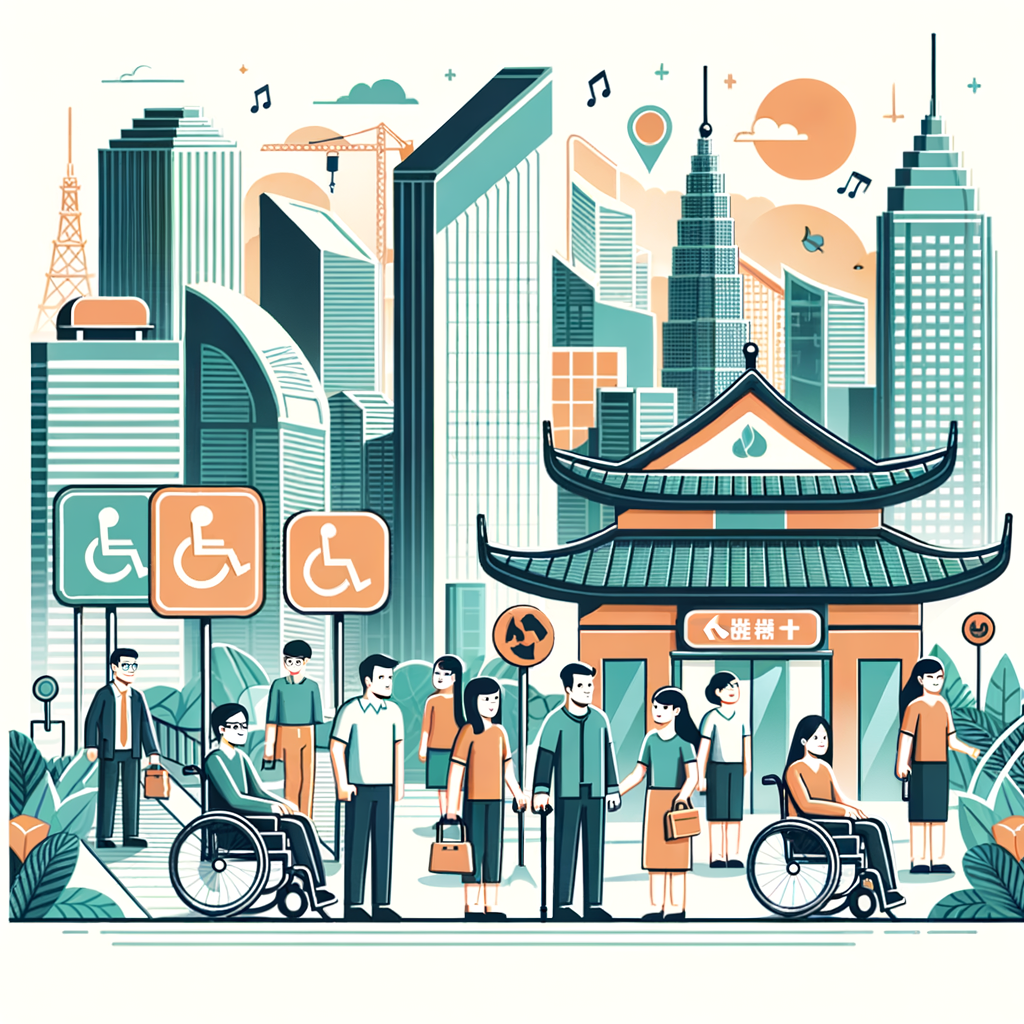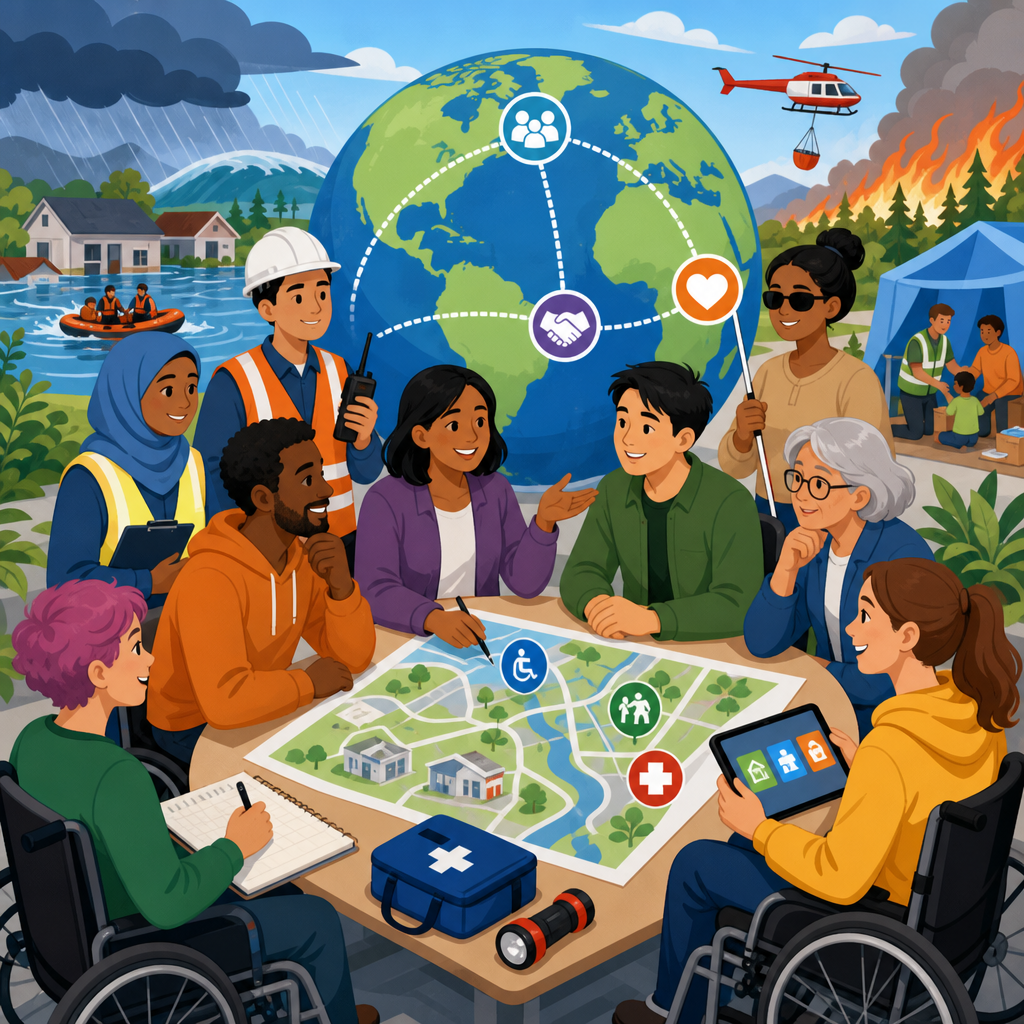
Global strategies for disability inclusion in disaster planning determine whether emergency systems protect everyone or leave millions behind when floods, earthquakes, wildfires, pandemics, and conflicts disrupt daily life. Disability inclusion in disaster planning means designing preparedness, response, recovery, and mitigation policies so people with physical, sensory, intellectual, psychosocial, and chronic health disabilities can access warnings, evacuation routes, shelters, health services, income support, and rebuilding programs on equal terms. In practice, that requires accessible communication, barrier-free infrastructure, inclusive governance, disability-disaggregated data, and funding that reaches local organizations led by disabled people. I have worked on emergency planning reviews where a single missing ramp, an unreadable alert, or an untrained shelter manager turned a manageable event into a preventable crisis. Those failures are not isolated mistakes; they are predictable outcomes of systems built around an assumed average user.
The issue matters globally because disability and disaster risk overlap at scale. The World Health Organization estimates that more than 1.3 billion people live with significant disability, while climate change is increasing the frequency and intensity of extreme weather events in many regions. Urbanization, aging populations, and forced displacement add further complexity. When authorities issue text-only alerts, wheelchairs cannot enter temporary shelters, generators fail to power ventilators, or registration systems exclude people without documentation, mortality and long-term harm rise. Inclusive planning reduces those risks and strengthens outcomes for everyone, including older adults, children, pregnant people, and residents with limited literacy or language access needs.
This international perspective article serves as a hub for innovations and strategies in accessibility across the disaster cycle. It connects legal frameworks, practical design methods, technology, community partnerships, and accountability tools into one working model. The central lesson is direct: disability inclusion is not a specialist add-on completed after a generic plan is written. It is a core resilience requirement that improves decision quality, operational reach, and recovery speed. Countries that embed inclusion into drills, procurement, infrastructure standards, and local leadership consistently perform better than those that rely on improvised accommodations after an emergency begins.
International frameworks that set the standard
The strongest global foundation comes from the UN Convention on the Rights of Persons with Disabilities, especially Article 11, which requires states to protect persons with disabilities in situations of risk, including humanitarian emergencies and natural disasters. That obligation is reinforced by the Sendai Framework for Disaster Risk Reduction 2015-2030, which explicitly recognizes people with disabilities as critical participants in risk assessment, planning, and implementation. The Sustainable Development Goals add a broader development lens by linking resilient infrastructure, reduced inequalities, sustainable cities, health, and education. Together, these frameworks make inclusion a governance duty, not a charitable option.
Implementation improves when governments translate these commitments into national law, building codes, emergency management doctrine, and local operating procedures. Japan, for example, has steadily integrated lessons from the 2011 Great East Japan Earthquake into municipal planning, emphasizing evacuation support registries, community drills, and accessible shelter coordination. In the United States, the Americans with Disabilities Act has shaped shelter access, communication standards, and litigation risk, although practice still varies widely by jurisdiction. The European Union Civil Protection Mechanism increasingly reflects accessibility requirements in cross-border coordination. The common pattern is clear: legal recognition matters, but operational detail determines whether rights become real.
Risk assessment begins with disability-disaggregated data
Inclusive disaster planning fails early when planners do not know who needs what, where they live, or which support systems they rely on. Disability-disaggregated data should include functional needs, assistive device dependence, communication preferences, transport requirements, medication reliance, and personal assistance arrangements. The Washington Group Short Set is widely used for identifying functional difficulties in surveys, while more detailed local registries can support emergency outreach if privacy protections are strong. I have seen municipalities improve evacuation timelines simply by mapping residents who depended on powered medical equipment and then pre-positioning backup power and transport contracts.
Data quality depends on trust. Many people with disabilities avoid official registries because they fear stigma, surveillance, or service disruption. The answer is not coercion; it is transparent governance, voluntary enrollment, multilingual communication, and clear limits on data sharing. Community validation also matters. Disabled persons’ organizations often know which apartment blocks have broken lifts, which rural areas lack accessible transport, and which shelter sites are practically unusable despite meeting paper standards. Combining census data, geospatial risk mapping, health system records, and local disability expertise creates a far more accurate picture than any single database alone.
Accessible early warning systems save lives
An inclusive warning system delivers the same urgent message through multiple formats at the same time. Sirens alone exclude Deaf residents. Text alerts alone may miss blind users if devices are not configured properly, and they often fail people with low literacy or limited local language proficiency. Best practice uses layered communication: cell broadcast, SMS, radio, television, social media, vibrating alerts, visual beacons, loudspeaker announcements, and door-to-door checks where necessary. Messages should be short, specific, geo-targeted, and action oriented, stating what happened, who is affected, what to do now, and where accessible help is available.
Real-world innovation is already available. The Common Alerting Protocol enables one authoritative message to be distributed across many channels, improving speed and consistency. New Zealand and several European systems have used standard templates to reduce confusion during fast-moving events. Smartphone accessibility features such as VoiceOver, TalkBack, haptic alerts, captioning, and plain-language formatting help only if emergency agencies test messages on actual devices with disabled users. A warning is accessible only when it is perceived, understood, trusted, and actionable. That is why drills, usability testing, and community feedback are just as important as the software platform itself.
Evacuation, shelter, and continuity planning
Evacuation planning must address mobility, sensory access, cognitive support, service animals, assistive technology, and continuity of care. Generic statements such as “assist vulnerable people” are operationally useless. Effective plans specify who will provide transport, what vehicles are accessible, how stretcher users will move from upper floors, where backup batteries are stored, how medications will be tracked, and how personal assistants will be credentialed at checkpoints. After-action reviews repeatedly show that people are endangered less by the hazard itself than by fragmented logistics between housing authorities, ambulance services, transit operators, and shelter managers.
Shelters need universal design from the entrance onward: step-free access, wide routes, accessible toilets and showers, charging stations for medical and mobility devices, quiet spaces, tactile and high-contrast signage, captioned information screens, interpreters, and staff trained in disability etiquette and de-escalation. During the COVID-19 pandemic, many congregate settings exposed the danger of one-size-fits-all shelter models, especially for people needing infection control, behavioral support, or complex medical routines. Inclusive continuity planning therefore extends beyond shelter occupancy to accessible hotels, host homes, home-based support, and cash assistance that allows people to choose safe alternatives.
| Planning area | Common failure | Inclusive strategy |
|---|---|---|
| Early warning | Single-channel alerts | Use text, audio, visual, haptic, and in-person notification together |
| Evacuation | No accessible transport contracts | Pre-arrange lift-equipped vehicles and priority routing |
| Sheltering | Inaccessible toilets and charging gaps | Audit facilities, add backup power, and stock adaptive equipment |
| Health continuity | Medication and device disruption | Maintain refill protocols, power plans, and interoperable records |
| Recovery | Benefits and grants hard to access | Provide plain-language forms, outreach, and disability advocates |
Community-led planning and local disability leadership
The most reliable inclusion strategies are co-designed with people who will use them. Disabled persons’ organizations, independent living centers, self-advocacy groups, and caregiver networks bring operational knowledge that external consultants rarely possess. In workshops I have facilitated, wheelchair users identified curb cuts blocked by flood barriers, blind residents mapped dangerous intersections near shelters, and autistic adults explained why fluorescent lighting and chaotic noise made some sites unusable. Those insights changed route maps, procurement lists, and staffing models immediately. Consultation works best when it is paid, recurring, and tied to decision authority rather than limited to symbolic listening sessions.
Local leadership is especially important in low-resource and crisis-affected settings. In Bangladesh, disability-focused organizations have contributed to cyclone preparedness by improving accessible warning dissemination and community volunteer systems. In the Philippines, local inclusive disaster risk reduction programs have combined barangay-level planning with disability mapping and peer support. In refugee contexts, international agencies increasingly partner with organizations of persons with disabilities to adapt registration, distribution points, and sanitation facilities. The practical rule is simple: the closer decision-making is to lived experience, the fewer expensive design errors appear later in response and recovery.
Technology, infrastructure, and procurement as accessibility levers
Innovation matters, but only when procurement standards demand accessibility from the start. Emergency apps should support screen readers, captions, language options, and offline functionality. Public websites must meet recognized standards such as the Web Content Accessibility Guidelines. Temporary housing contracts should specify step-free units, reachable controls, and accessible bathrooms, not treat these features as special requests. Radios, siren towers, shelter cots, transport vehicles, and portable toilets all have accessibility implications. I have reviewed tenders where a single line item requiring tactile controls or ramp gradients would have prevented months of retrofits and complaints.
Infrastructure decisions also shape disaster outcomes long before an event. Resilient sidewalks, curb ramps, accessible transit stations, redundant power for elevators, flood-resilient health facilities, and inclusive wayfinding systems reduce daily barriers and emergency risk together. Universal design is therefore not separate from climate adaptation or urban resilience; it is one of their most cost-effective components. The upfront premium for accessible design is usually modest compared with retrofit costs, legal exposure, and social harm. When finance ministries ask what inclusion buys, the answer is measurable continuity, broader usability, and faster recovery across the whole population.
Recovery, funding, and accountability
Recovery is where many inclusive plans break down. Relief grants may require inaccessible online portals, identity documents lost in evacuation, or travel to offices unreachable by public transport. Housing reconstruction programs may replace damaged homes with units that are less accessible than before. Employment support can ignore disabled workers in informal economies, while school reopening plans may forget accessible transport, sign language support, or assistive technology replacement. Inclusive recovery requires accessible application processes, case management, legal aid, universal design standards in rebuilding, and direct funding streams for disability-led organizations that continue support after media attention fades.
Accountability turns promises into practice. Governments and aid agencies should use measurable indicators: percentage of shelters audited for accessibility, proportion of alerts available in multiple formats, number of drills involving disability organizations, restoration time for personal assistance services, and recovery funds reaching disabled households. Independent monitoring by ombuds institutions, auditors, and civil society is essential. So are after-action reviews that examine disability outcomes specifically rather than burying them inside generic lessons learned. The strongest systems treat inclusion as a standing performance requirement. If your organization is building an international accessibility strategy, start with one step: put disabled people in the planning room, resource them properly, and redesign every disaster function around real access.
Frequently Asked Questions
What does disability inclusion in disaster planning actually mean?
Disability inclusion in disaster planning means building emergency systems that work for everyone from the start, rather than trying to make last-minute adjustments after a crisis begins. In practice, it requires governments, humanitarian agencies, health systems, schools, employers, and local communities to design preparedness, response, recovery, and risk-reduction plans around the real needs of people with physical, sensory, intellectual, psychosocial, and chronic health disabilities. That includes accessible early warning systems, evacuation procedures that account for mobility and support needs, shelters with physical and communication accessibility, continuity of medication and assistive devices, and recovery programs that do not exclude people because of inaccessible application processes or rigid eligibility rules.
It also means recognizing that people with disabilities are not a single group with identical needs. A person who is deaf may need sign language interpretation or text alerts, while a wheelchair user may need step-free transport and accessible shelter facilities, and a person with an intellectual disability may need simplified instructions and trusted support persons. Effective planning considers this diversity in a structured way. It shifts disaster management from a narrow medical view to a rights-based, practical approach focused on equal safety, dignity, and participation. The goal is simple but essential: when floods, earthquakes, wildfires, pandemics, or conflicts occur, people with disabilities must be able to receive information, make decisions, evacuate safely, access services, and recover on equal terms with everyone else.
Why is disability inclusion so important in global disaster risk reduction strategies?
Disability inclusion is central to disaster risk reduction because emergencies consistently magnify existing inequalities. When warning messages are audio-only, evacuation transport is not accessible, shelters lack ramps or private care space, or relief systems require complex paperwork, people with disabilities face greater danger at every stage of a crisis. Globally, this can translate into higher rates of injury, displacement, interrupted treatment, social isolation, poverty, and preventable death. Inclusive planning is therefore not a niche policy concern; it is a core public safety issue and a measure of whether emergency governance is genuinely effective.
There is also a strong legal and policy foundation for this work. International frameworks such as the Convention on the Rights of Persons with Disabilities and the Sendai Framework for Disaster Risk Reduction reinforce the principle that people with disabilities must be protected and actively included in decision-making. These frameworks support a shift away from treating disabled people solely as vulnerable recipients of aid and toward recognizing them as rights-holders, community leaders, first responders, and experts in accessibility. Countries that align disaster policy with these principles tend to build systems that are more resilient for everyone, including older adults, injured people, pregnant women, children, and people with temporary impairments.
Just as important, inclusive systems improve operational performance. Multi-format alerts reach more people. Accessible transport and shelter planning reduce chaos during evacuations. Community networks that include disability organizations strengthen trust and local coordination. Recovery programs that are easier to navigate help families rebuild faster. In that sense, disability inclusion is both a human rights imperative and a practical strategy for making disaster planning more accurate, efficient, and resilient across diverse populations.
What are the most effective global strategies for including people with disabilities in disaster planning?
The most effective strategies begin with participation. Governments and agencies need to involve organizations of persons with disabilities in planning, drills, budgeting, monitoring, and post-disaster evaluation. Inclusion works best when disabled people help shape policy before an emergency happens, not only after gaps are exposed. This participation should be formal, funded, and continuous, with representation across disability types, genders, ages, and rural or urban settings. Planning bodies that consult broadly are far more likely to identify barriers that standard emergency models overlook.
Another high-impact strategy is universal accessibility across communication systems. Early warnings should be delivered in multiple formats, including text, audio, captioned video, sign language, pictograms, plain language, radio, mobile messaging, and community outreach. Communication must remain accessible during power outages and network disruptions. Accessibility should also extend to emergency hotlines, public websites, evacuation maps, and shelter registration systems. A warning that cannot be understood or accessed is not an effective warning.
Infrastructure and service design are equally important. Inclusive disaster planning requires accessible transportation, step-free evacuation routes where possible, shelters with ramps and accessible toilets, quiet spaces for psychosocial needs, backup power for essential medical equipment, and systems for replacing assistive devices such as wheelchairs, hearing aids, or communication tools. Health continuity plans should address medication access, personal assistance, dialysis, oxygen, mental health support, and chronic disease management. These are not secondary concerns; they are life-preserving components of emergency response.
Strong data systems also matter. Many countries still lack reliable disability-disaggregated data in disaster planning, which makes it harder to identify risk patterns and service gaps. Ethical, privacy-conscious data collection can help emergency managers estimate support needs, allocate resources, and track whether aid is reaching disabled populations. Finally, training is essential. Emergency personnel, local leaders, shelter staff, teachers, and health workers need practical guidance on disability inclusion, respectful communication, non-discrimination, and accessible operations. When participation, accessibility, data, infrastructure, and training are integrated, inclusion becomes an operational standard rather than a symbolic commitment.
What barriers still prevent disability-inclusive disaster response in many countries?
One major barrier is that disability is still too often treated as an afterthought in emergency policy. Many national and local disaster plans mention vulnerable groups in broad terms but do not include detailed accessibility standards, implementation budgets, or accountability measures. As a result, inclusion remains aspirational rather than operational. During an emergency, that gap becomes visible in inaccessible transportation, shelters that cannot accommodate mobility aids, missing interpretation services, and relief distribution systems that assume everyone can stand in line, travel independently, or read complex instructions.
Another common barrier is underinvestment in inclusive infrastructure and public services before disasters happen. If housing, health systems, transport networks, schools, and digital platforms are already inaccessible in normal times, they become even more exclusionary during crises. Poverty and social stigma can worsen these risks. In many places, people with disabilities are less likely to have stable income, secure housing, or access to social protection, which means they often have fewer resources to prepare for emergencies or recover afterward. Women and girls with disabilities, older adults with disabilities, refugees, and people living in institutions may face overlapping forms of exclusion that make support even harder to access.
Institutional barriers also matter. Emergency responders may receive little training on disability inclusion. Governments may lack accurate data. Coordination between disability agencies, health systems, and disaster authorities may be weak. Community leaders may not know who requires evacuation support or how to provide it safely and respectfully. In some settings, people with disabilities are excluded from planning meetings altogether, which means systems are built without lived experience. These barriers are solvable, but solving them requires political will, funding, interagency coordination, and a commitment to treating accessibility as a non-negotiable part of emergency preparedness rather than a special add-on.
How can governments and communities make disaster preparedness and recovery more accessible for people with disabilities?
Governments and communities can start by embedding accessibility into every phase of disaster management: mitigation, preparedness, response, and recovery. In preparedness, that means mapping community needs, partnering with disability organizations, creating personal and household emergency plans, and ensuring that drills include disabled participants in realistic ways. Public education campaigns should be available in plain language, braille-ready formats, captioned video, sign language, and culturally appropriate local channels. Emergency contact systems should allow people to register communication preferences and support needs without compromising privacy or dignity.
During response, accessibility must be visible in operations. Alerts should be redundant and multi-format. Transportation should include accessible vehicles and trained staff. Shelters should provide physical access, inclusive sanitation, charging access for medical or communication devices, refrigeration where needed for medication, and space for service animals, family caregivers, or personal assistants. Staff should understand how to communicate respectfully with people with different disabilities and how to avoid assumptions about capacity or independence. Relief distribution should include home-based delivery or assisted pickup options for those who cannot safely travel or queue.
Recovery is where inclusion is often lost, so planning must continue after the immediate emergency. Financial assistance, housing repair grants, livelihood support, and health services need accessible application systems and flexible documentation requirements. Rebuilding should improve accessibility rather than recreate old barriers. That may include accessible housing standards, safer community transport, inclusive schools, and stronger social protection systems. Communities can also support peer networks, local volunteer teams, and neighborhood communication systems that reduce isolation and help identify unmet needs quickly. The most successful recovery models do not simply restore what existed before; they use the disaster as a turning point to build more inclusive, resilient systems that better protect people with disabilities in the next crisis.