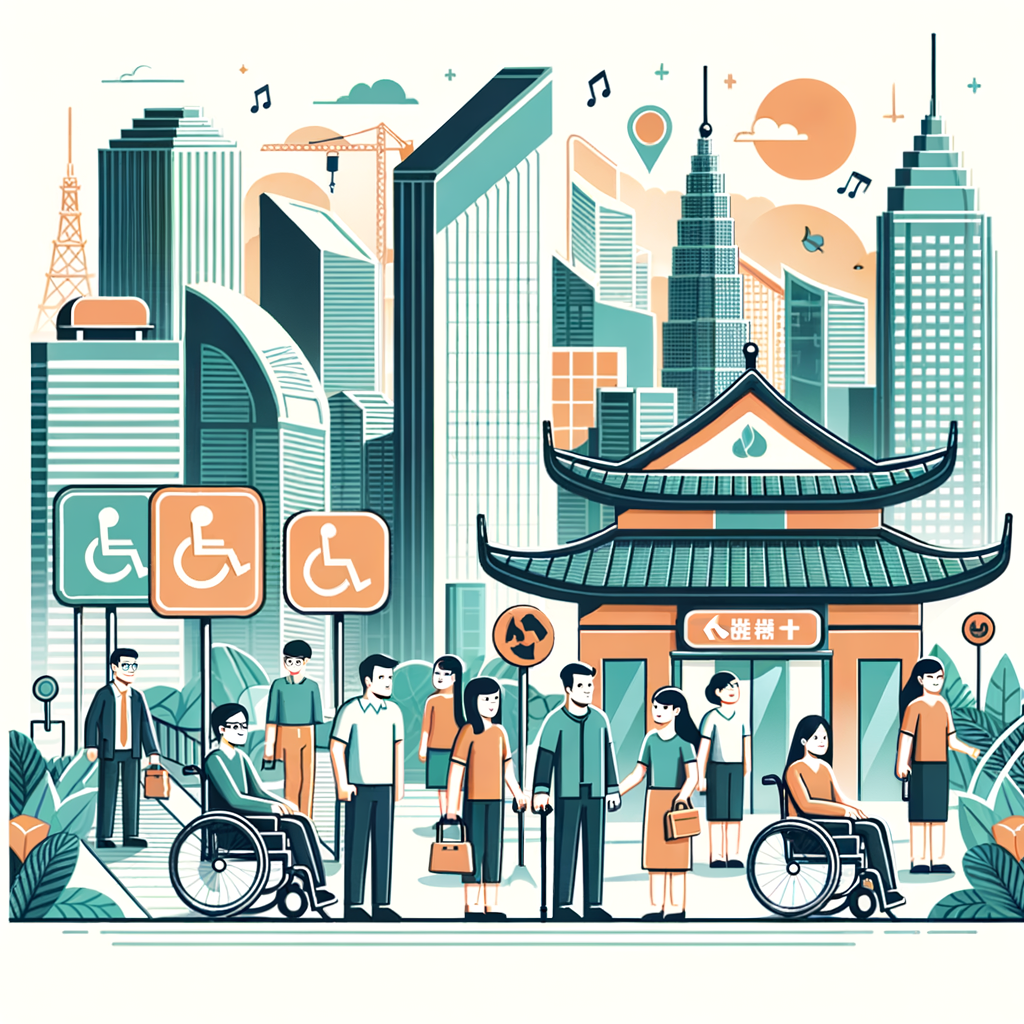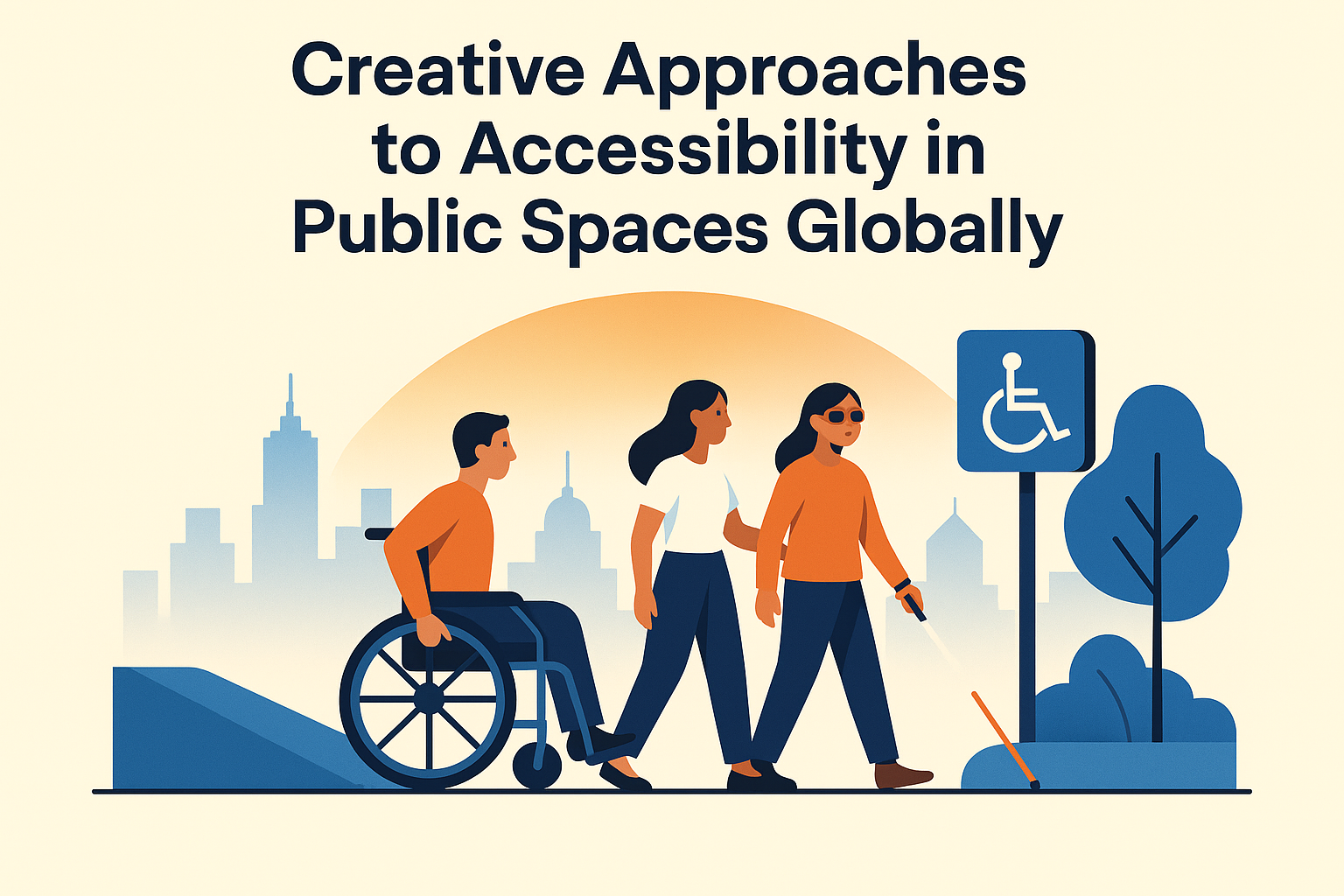
Accessibility in public spaces is increasingly becoming a topic of crucial importance as societies shift towards more inclusive environments. The concept of accessibility refers to designing and structuring spaces so that everyone, regardless of their physical abilities, can navigate them independently and safely. The importance of public space accessibility cannot be overstated for any nation or city striving toward inclusivity and equity. Physical accessibility needs align with ethical commitments to ensure the dignity, equity, and independence of individuals, particularly those with disabilities. This article explores innovative approaches to accessibility in public spaces globally, showcasing how various communities are leading the way in creating more inclusive environments. With growing awareness and advancements in technology, numerous cities worldwide are implementing creative strategies to remove barriers and promote accessibility.
Universal Design: A Global Perspective
Universal design is a critical approach aimed at making public spaces usable by people of all abilities without the need for adaptation or specialized design. This approach deviates from conventional accessibility solutions, which often focus purely on meeting regulatory requirements. For example, Oslo, Norway has employed universal design principles notably by integrating accessibility into new developments and refurbishing heritage sites. The city’s commitment includes a well-planned mix of tactile paving, ramps, and elevators in both new and old buildings. By embedding accessibility into the design process, Oslo has ensured that these elements enhance rather than hinder architectural aesthetics. This model serves as an exemplary roadmap for cities aiming to accommodate residents and tourists of diverse abilities.
Digital Innovations Transforming Accessibility
In today’s digital age, technology is playing a pivotal role in increasing accessibility in public spaces. One such innovation is the use of smartphone applications to guide individuals with disabilities through complicated urban environments. In Sydney, Australia, a mobile application called “Aira” uses artificial intelligence to provide real-time assistance to the visually impaired by connecting users to trained agents who can provide navigation assistance. This app empowers users to confidently engage with their surroundings, fostering a sense of independence. Furthermore, Seattle in the United States has integrated a solution called “Wayfinding”—a digital information system that guides people through spaces, making real-time data accessible to assist in real-world navigation. These technological developments offer promising examples of how digital tools can transform public accessibility solutions.
Community-Driven Initiatives in Accessibility
Efforts to improve accessibility in public spaces are significantly bolstered by community-driven initiatives that integrate local knowledge and involve diverse stakeholder groups. An exemplary case is the city of Curitiba in Brazil, where a community-driven approach has transformed public transport systems to meet high accessibility standards. This has involved active collaboration with disabled peoples’ organizations to redesign bus boarding procedures with dedicated low-floor buses, wheelchair access, and ramps. Community-driven initiatives offer authentic engagement and educational opportunities, which can foster a deeper appreciation of accessibility needs and implementations. Through grassroots cooperation, cities can create sustainable, long-lasting changes that embody the local community’s aspirations and culture.
Creative Use of Green Spaces to Enhance Accessibility
Public green spaces hold tremendous potential for inclusive design projects that promote accessibility. Singapore exemplifies this through its “Park Connector Network,” which boasts an interconnected island-wide system of accessible parks and natural spaces. This network incentivizes outdoor activity among individuals of all abilities by incorporating features such as broad pathways, textured surfaces, and recreational facilities designed with accessibility in mind. These innovations are reshaping how urban planning intersects with environmental stewardship, introducing adaptable designs that cater to persons with varying levels of mobility. The integration of sensory gardens equipped with diverse textures, smells, and colors also offers multi-sensory experiences that enrich visitors’ engagement with these spaces.
International Legislation and Collaborations
Legislative instruments and international collaborations play a pivotal role in defining the standards and expectations of accessibility in global public spaces. Treaties such as the United Nations Convention on the Rights of Persons with Disabilities (CRPD) have galvanized countries such as Canada and Japan to rethink policies to fit higher accessibility standards. Furthermore, Europe’s “SmartCity” collaborations underline the capacity for city-to-city knowledge exchange that magnifies the impact of individual innovations. For instance, the city of Barcelona has partnered with organizations from different cities to share insights about the efficient deployment of tactile guideway paths, auditory signaling devices, and accessible urban furniture. Collaborations such as these offer mechanisms for benchmarking success and facilitating mutual learning across various regions, magnifying each city’s ability to improve accessible environments.
| Country | Accessibility Initiative | Impact |
|---|---|---|
| Norway | Universal Design | Integration of tactile paving, ramps, and adherence to aesthetic standards |
| Australia | Digital Navigation Tools | Enhanced mobility and independence for visually impaired individuals |
| Brazil | Community-Driven Transport System | Redesign of bus systems to support low-floor buses and ramps |
| Singapore | Park Connector Network | Interconnected accessible parks with inclusive recreational facilities |
| Spain | City Collaborations | Knowledge exchange on tactile pathways and accessible urban furniture |
Advancements in Public Transportation Accessibility
Public transit systems are crucial lifelines for many, including those with disabilities, and thus serve as focal areas for accessibility improvements. Germany’s Berlin transport system is noteworthy for its emphasis on providing comprehensive accessibility. Berlin’s system-wide upgrades include raised platforms, level boarding access, and automated information systems that cater to the visually and hearing impaired. Advances in this domain not only bolster passenger confidence and participation in public life but also contribute to broader socioeconomic inclusivity efforts by improving access to employment, education, and leisure activities.
Implementing Smart Design Elements
Smart design elements are being used creatively to enhance accessibility in urban centers worldwide. In the Netherlands, Amsterdam has implemented innovative smart street lamps fitted with intelligent sensor technologies that adjust lighting for those with visual impairments. This seamless integration underscores the potential for smart technology to be a cornerstone of accessible urban planning. Additionally, smart crosswalks, which feature dynamic LED lights and vibration panels, assist pedestrians by enhancing safety for those with hearing or vision-related difficulties. These elements of urban design illustrate the boundless possibilities smart technologies present to dynamically adapt public spaces for inclusivity.
In conclusion, as awareness grows and global conversations around inclusivity intensify, so does the potential for transformative accessibility initiatives in public spaces. By adopting universal design principles, harnessing technology, and fostering community involvement, cities worldwide can step beyond baseline accessibility standards towards truly inclusive spaces. Efforts described in countries like Norway, Australia, and Brazil demonstrate that there are creative, scalable, and adaptable solutions available to meet the varied needs of global populations. As these ideas and technologies continue to evolve, it is crucial to amplify knowledge exchange and partnerships so the lessons learned and best practices can drive further progress. Readers are encouraged to play an active role in advocating for accessibility enhancements in their communities, championing inclusivity on every level, from local parks to international legislative forums. The world can move closer to a future where public spaces genuinely welcome all individuals through collective efforts fueled by creativity, innovation, and collaboration.
Frequently Asked Questions
1. What are creative approaches to enhancing accessibility in public spaces?
Creative approaches to enhancing accessibility involve going beyond standard compliance measures to incorporate innovative design ideas that consider the diverse needs of all users. This entails using inclusive design principles such as tactile surfaces for visually impaired individuals, audio-visual guides, and sign language interfaces for those with hearing impairments. Another approach is integrating assistive technology like mobile apps that help locate accessible routes and facilities. Adaptive art installations and sensory-friendly areas provide comfort and engagement for neurodivergent individuals. Furthermore, public spaces can adopt community feedback mechanisms to ensure ongoing improvements and relevance of the accessibility features.
2. How do cultural and contextual differences impact accessibility strategies globally?
Cultural and contextual differences significantly impact the strategies used to enhance accessibility in different parts of the world. For example, the materials and construction techniques used in accessibility features might vary based on local resources and climate conditions. Additionally, societal attitudes towards disability can influence the prioritization and implementation of accessibility projects. In some cultures, there might be greater emphasis on communal efforts and volunteerism in creating accessible environments. Language barriers and diverse communication needs also necessitate the creation of multilingual and culturally sensitive navigation aids. These differences underscore the importance of tailoring accessibility approaches to meet the unique needs of each community while maintaining international accessibility standards.
3. Why is public space accessibility crucial for inclusivity and equity?
Public space accessibility is integral to creating inclusive and equitable cities because it ensures that all individuals, irrespective of their physical abilities, can fully participate in social, economic, and cultural activities. Accessible public spaces empower people with disabilities by providing them the autonomy to navigate and enjoy communal areas without assistance. Inclusivity fosters social interaction and understanding among diverse groups, breaking down societal barriers. Equitable access to public spaces also means everyone can benefit from resources like parks, libraries, and public transportation, contributing to a sense of community and belonging. Moreover, accessible spaces usually result in safer and more efficient infrastructure for everyone, including parents with strollers, elderly individuals, and people without disabilities.
4. How can cities balance aesthetic and functional aspects in accessible design?
Achieving a balance between aesthetic appeal and functional accessibility is possible through careful planning and design. Architects and urban planners can collaborate with artists, accessibility experts, and the community to create spaces that are both visually pleasing and fully functional. Using materials and designs that complement the surrounding environment while integrating accessibility features, such as ramps and tactile paving, can enhance both functionality and aesthetics. Additionally, employing universal design principles can ensure different elements serve multiple purposes: for example, benches that are both art installations and provide rest areas for those with mobility challenges. Public art can also be inclusive, involving multi-sensory or interactive elements that consider a range of abilities.
5. What role does technology play in improving accessibility in public spaces?
Technology plays a pivotal role in enhancing accessibility by providing innovative solutions that cater to a variety of needs. Digital platforms and mobile applications can guide individuals through accessible pathways, highlighting ramps, elevators, and accessible entrances in real-time. Technologies such as Bluetooth beacons and GPS tracking can assist visually impaired individuals in navigating public spaces independently. Virtual reality (VR) and augmented reality (AR) can be used for accessibility training and planning, providing a virtual walk-through of the space to identify potential barriers. Additionally, technology enables the creation of dynamic signage and audio-visual alerts that provide information in multiple formats, ensuring that everyone can access vital information effortlessly. As technology evolves, the scope for improving accessibility becomes even more extensive and effective.