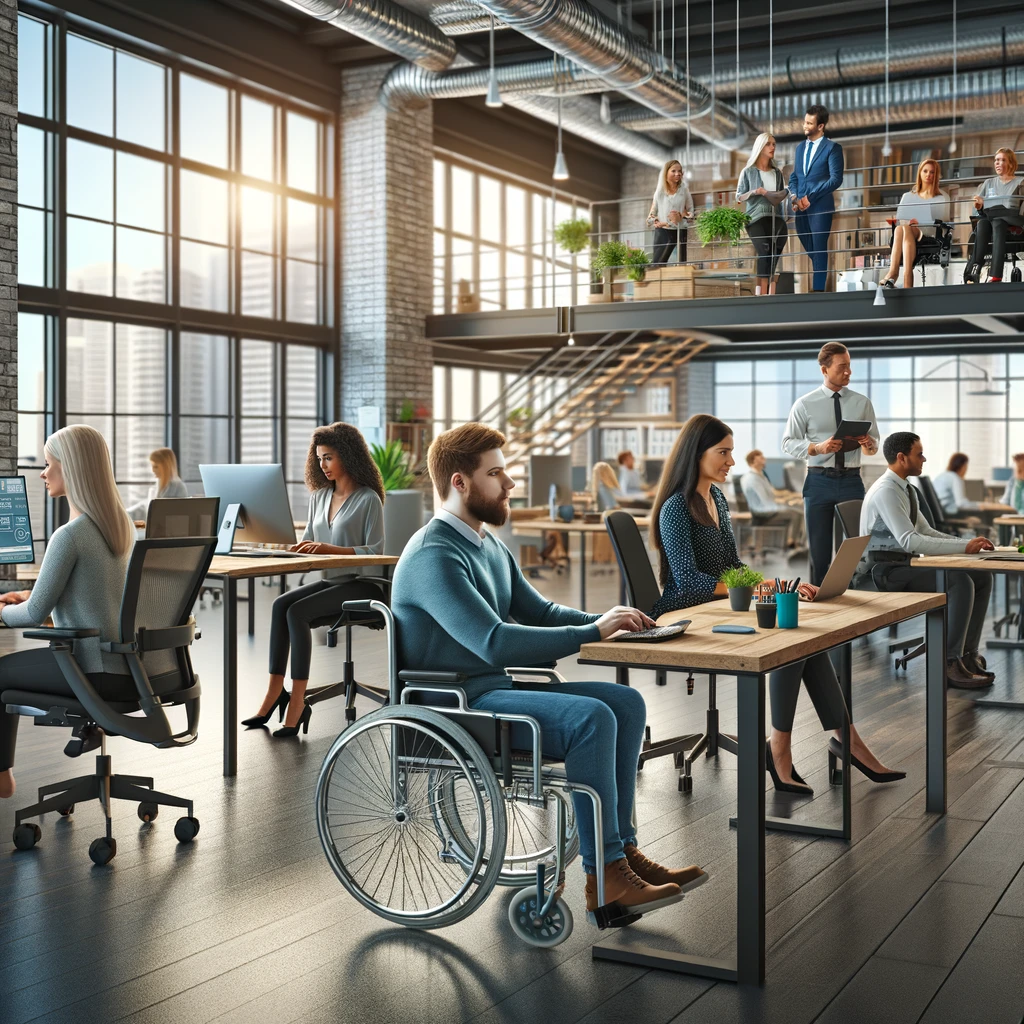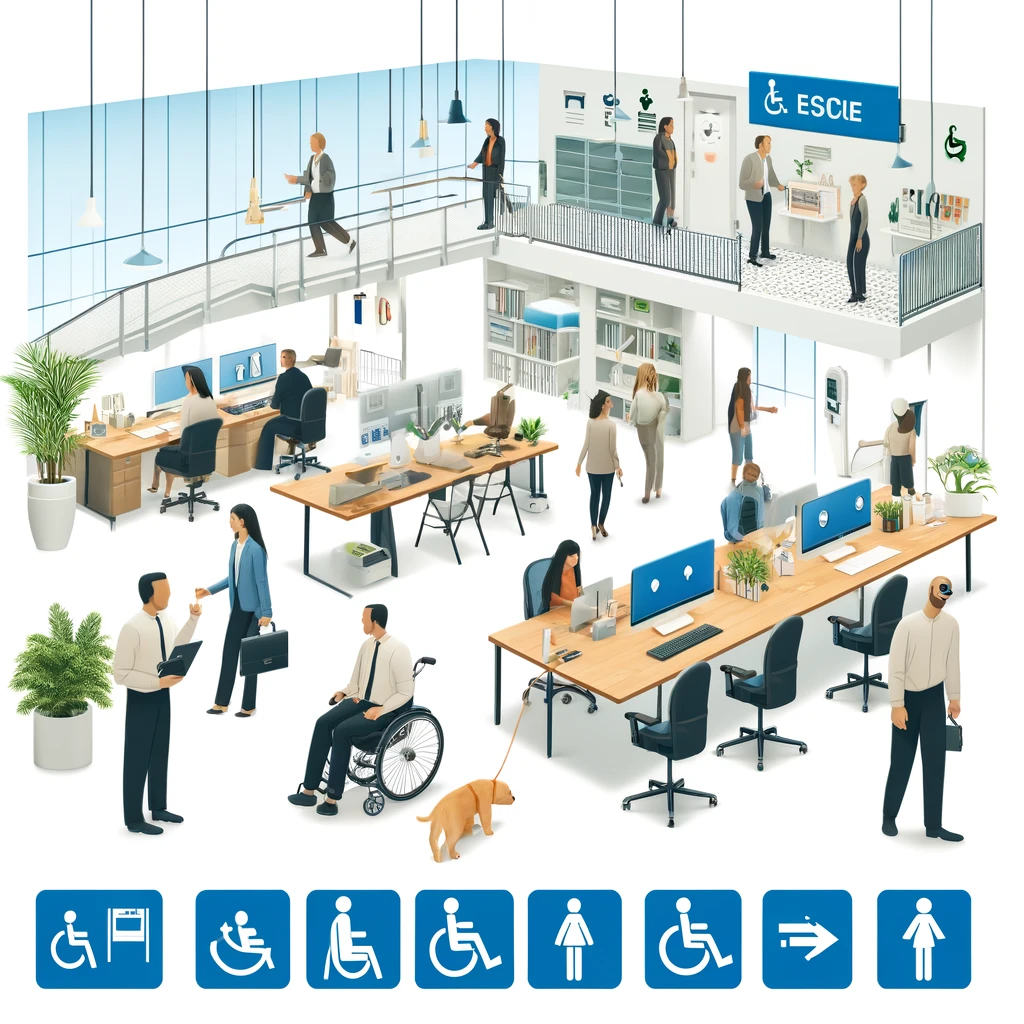
In architectural design, balancing aesthetics and accessibility presents a multifaceted challenge. It requires a keen understanding of how to create spaces that not only look visually appealing but also serve all individuals, regardless of their abilities. This dual approach is essential not just for ethical reasons but also for legal and social ones, as many countries have stringent guidelines mandating accessibility in public and private buildings. The incorporation of universal design principles ensures that structures provide ease of navigation and usability to everyone, contributing to a more inclusive society. Achieving this intricate balance demands imaginative foresight, technical knowledge, and a deep appreciation of diversity in human ability. The escalating demand for spaces that cater to a wide array of needs has elevated the role of architects from mere creators of visual splendor to facilitators of inclusive environments.
Architects are supplied with an array of tools, materials, and technologies that can transform their visionary ideas into reality. However, the true test lies in harmonizing these resources. Designers must consider legibility, flexibility, and simplicity as much as beauty, style, and form. In today’s rapidly evolving architectural landscape, design theorists argue for a more holistic approach, where accessibility becomes an innate component of the creative process rather than an afterthought resulting in retrofits and addendums. Harnessing such fundamental dynamics transforms potential functional conflict into architectural harmony, evident in highly praised structures that embody equity and elegance alike.
This article will delve into how architects strive to blend aesthetics with accessibility authentically and effectively while addressing some common challenges faced in the domain. We will explore relevant strategies employed by professionals to accomplish cohesive designs that enhance the surrounding area’s ambiance and remain inclusive. Additionally, we will highlight some notable architectural achievements that have seamlessly integrated these seemly opposing ideals and examine the positive impact such incorporation has on the broader community where it is implemented.
The growing awareness of accessibility issues among stakeholders within the architectural fraternity has led to more systematic integration of accessible features. This introduction aims to set the stage comprehensively for understanding the broader implications of architecture that marries aesthetic aspirations and necessity-driven accessibility with finesse, ultimately serving as a testament to the versatile power and responsibility held by modern architects and designers.
Balancing Aesthetics and Accessibility in Practice
Designing buildings and environments that are both aesthetically pleasing and accessible is not an easy task. It demands a deliberate and thoughtful approach where planners prioritize the needs of all users from the early design stages. Too often, accessibility has been viewed as a limitation of creativity, yet this perception is being challenged by innovative architects who see it as an opportunity to enhance their designs.
Among the initial factors architects must consider is spatial planning. Efficient use of space is critical in ensuring both beauty and functionality. Creating a floor plan that allows smooth flow for diverse users—those with mobility challenges, visual impairments, or other disabilities—requires careful consideration. Architects must ponder the placement of layout features such as ramps, elevators, and handrails, ensuring they are integrated seamlessly without detracting from the visual impact of the whole structure. These elements should be designed with the same aesthetic commitment as any other part of the building.
Another pivotal consideration is the choice of materials. The materials used in constructing buildings affect both their look and how accessible features are perceived and implemented. For example, slip-resistant flooring is essential in ensuring safety but can also be stylishly designed to contribute aesthetically. Advanced materials such as tempered glass, textured metals, and innovative composites offer solutions that make accessible elements barely distinguishable from their surroundings. Judicious mixing and matching of materials can not only elevate the design’s visual quality but also enhance the safety and accessibility of the spaces.
Lighting and color contrast are also crucial in achieving successful accessible design. Proper illumination ensures that spaces are navigable and welcoming, serving as more than mere decoration. Contemporary design often embraces strategic lighting to highlight architectural features and guide motion, especially for those with visual impairments. Additionally, using contrasting colors can help delineate spaces or elevator buttons, staircases, and other features important to navigating the built environment safely. It is possible and essential to manifest accessibility within an attractive color palette and lighting scheme, making them part of an artistic architectural narrative.
Technological innovation cannot be overlooked when discussing accessibility. Interactive digital maps, voice-activated controls, and other automated systems have given rise to smart buildings that facilitate independent navigation for people with disabilities. Voice or sensor technologies enable users to interact with systems through touchless operations. This incorporation of technology goes hand in hand with forward-thinking design, emphasizing accessibility without sacrificing aesthetic value. Technology adds a layer of dynamism, constantly evolving to offer innovative solutions bridging any apparent gap between accessibility and aesthetics.
Public spaces, corporate structures as well as residential constructs should cater to an ever-diverse population and heed the growing calls for inclusivity. One path to achieving this is the open adoption of a universal design approach. Universal design champions the idea that all environments should be inherently accessible to anyone, regardless of age, disability, or other factors, effectively democratizing the built environment. Adopting this approach necessitates a paradigm shift within architectural design, pushing designers to incorporate accessibility as an aesthetic quality right from inception, ensuring seamless integration and holistic architectural experience.
An emerging trend among architects is to cross-reference their design work with existing accessibility codes and guidelines continuously. These frameworks provide prescriptive measures, aiding architects in applying universally accepted practices for inclusive architecture. While these contribute greatly to creating accessible sites, architects must be careful not to let these rules restrict their creativity, using them instead as guidelines upon which to build visionary projects.
One exemplary case of achieving this balance is the innovative structure of the Seattle Public Library designed by Rem Koolhaas. With its eye-catching glass and steel silhouette, it stands as an icon of architectural beauty. However, Koolhaas and his team ensured that this aesthetic elegance did not come at the expense of accessibility. With multiple access points and elevators, clear signage, spacious walkways, sensory upgrades, and thoughtful material choices, the library becomes a beacon of inclusivity while maintaining its dramatic visual allure.
Similarly, The Ed Roberts Campus in Berkeley, California, designed specifically for those with disabilities, epitomizes successful integration. The building’s architectural elegance is defined through expansive spaces, tactile walkways, and clean lines that facilitate barrier-free access. The central ramp acts as a signature piece of art and a functional core uniting the plaza with the upper floors, embodying the harmonization of accessibility within aesthetic frameworks.
The inclusion of wide doors, appropriate signage, acoustic considerations, and careful space planning can all combine to create stunningly beautiful and completely accessible structures. Such examples underline that embracing inclusivity need not compromise on style. Balancing aesthetics and accessibility can foster spaces celebrated for both their elegance and their welcoming nature to everyone.
Conclusion
The pursuit of integrating aesthetics with accessibility in architectural design is not merely a trend but an essential evolution required for modern society. This convergence reflects a broader understanding of architecture’s power to shape human experience across spectrums—addressing basic functional access needs while allowing artistic vision to flourish. The benefits of embracing such twin imperatives are manifold: improved quality of life for diverse users, compliance with legal obligations, and enhanced reputation among socially aware customer bases.
Real advancement comes from seeing accessibility as an integral element rather than a post-design consideration. The rich history of architectural practices demonstrates that creativity thrives under constraints, and inclusive accessibility exemplifies this potential. When designers adeptly merge these factors, they craft environments that are both attractive and accommodating for all, thereby transforming spaces into places of equity and shared enjoyment.
Architects have the capacity to influence how spaces are perceived and experienced. In embracing responsibility, they must use their talents to ensure that their creations are not just seen but truly encountered by all who interact with them. By fostering environments rich in both aesthetic appeal and accessibility, architecture contributes significantly to societal equality and cohesion. The continued exploration and execution of balanced designs advance the common good, forging a built environment where beauty serves all—an enduring legacy not only celebrated today but revered by future generations.
Ultimately, the journey to bridge aesthetics and accessibility in architecture embodies an ongoing dialogue, where innovation meets inclusivity, ensuring that structured environments do not alienate but rather embrace the entirety of human diversity. The transformation within the architectural landscape invites wide-ranging talents to explore, push limits, and redefine what constitutes a truly remarkable space—one inherently inclusive of and accessible to everyone, without compromising its artful story.