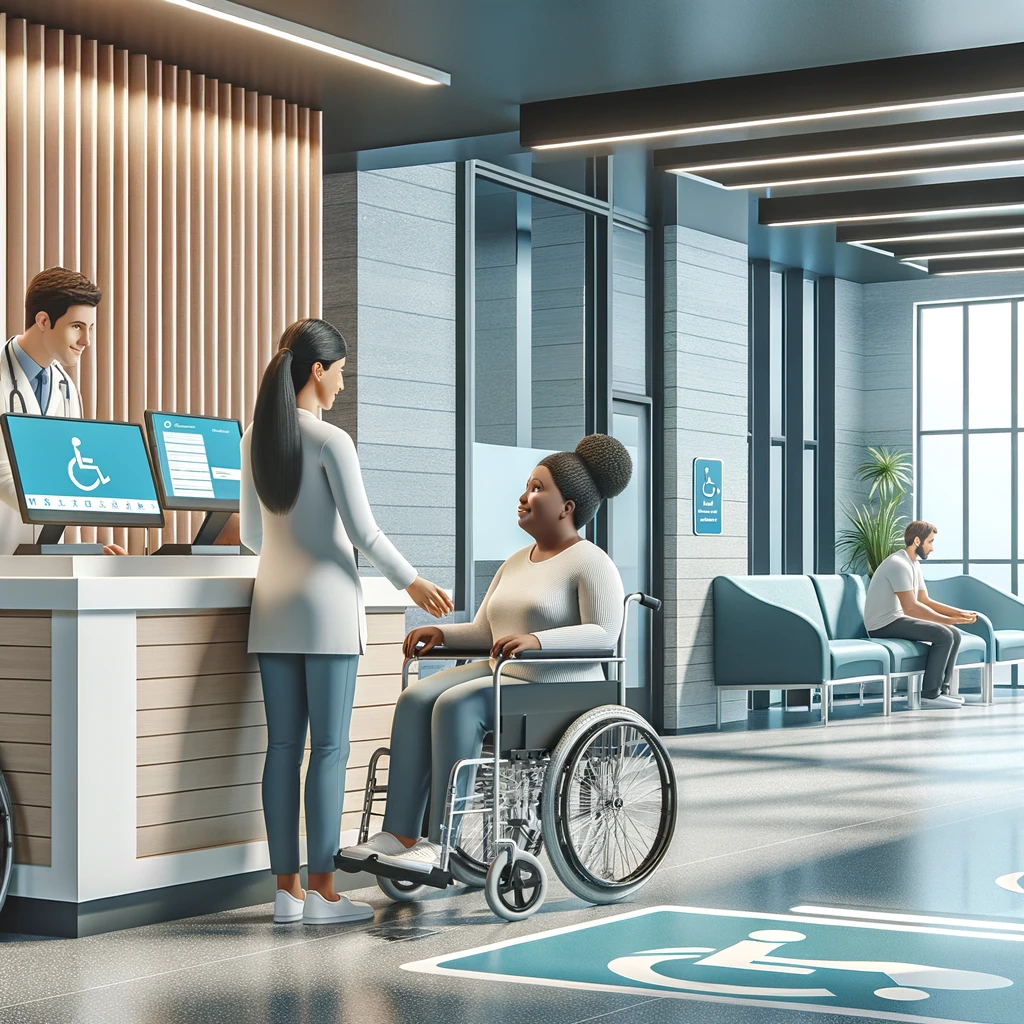
With the rapid advancement of technology in the retail sector, augmented reality (AR) has emerged as an exciting tool that promises to transform shopping experiences. However, as more retailers integrate augmented reality into their services, it becomes vital to ensure accessibility for all. The Americans with Disabilities Act (ADA) sets standards to prevent discrimination against individuals with disabilities. In augmented retail environments, adherence to ADA rights and protections is crucial to promote inclusivity and equal opportunities. This article will explore the implementation of ADA rights and protections in augmented retail settings, emphasizing their importance, potential challenges, and proposed solutions.
Understanding Augmented Retail Environments
Augmented retail environments leverage augmented reality technology to enhance the shopping experience, merging digital and physical spaces. This approach can include features such as virtual fitting rooms, interactive product displays, real-time personalized recommendations, and immersive gamification elements. Retailers aim to elevate customer engagement, increase satisfaction, and drive sales. However, as stores adopt AR, the inclusivity of these experiences becomes a pressing matter. Ensuring that all individuals, regardless of their abilities, can benefit from these innovative services is essential.
ADA Compliance in Digital Spaces
The ADA, enacted in 1990, fundamentally seeks to eliminate discrimination against individuals with disabilities. It covers employment, public services, public accommodations, telecommunications, and transportation. Entities are required to make reasonable accommodations to ensure accessibility for all. In digital spaces, these rights translate into creating websites and applications that are usable by people with a wide range of disabilities. For augmented retail platforms, this means offering equivalent services and experiences, whether through alternative input methods or descriptive content compatible with assistive technologies.
Challenges of Applying ADA Protections in AR Retail
Ensuring ADA compliance in augmented retail environments poses unique challenges. The immersive and highly visual nature of augmented reality demands careful consideration to accommodate users with visual impairments. Features like 3D models and virtual overlays must include descriptions or alternative means of interaction. For individuals with hearing impairments, AR applications should incorporate captions or transcripts for audio content. Additionally, touch interfaces, prevalent in AR setups, need to be accessible for those with physical disabilities who may struggle with precise movements or pressure sensitivity.
Solutions and Best Practices
To address these challenges, retailers can adopt several best practices. Integrating screen reader compatibility and voice recognition features can significantly enhance accessibility. Offering customizable interfaces that enable users to adjust colors, contrast, and font sizes can benefit individuals with visual or cognitive impairments. Creating tactile feedback options for touch interactions can assist users with motor disabilities. Retailers should also focus on continuous dialogue with the disabled community to fine-tune their systems and employ inclusive design thinking from the onset.
The Role of Developers and Designers
Developers and designers play a pivotal role in fostering accessible augmented retail environments. By prioritizing accessibility during the development phase, rather than as an afterthought, they can preemptively address many ADA compliance challenges. Inclusion of accessibility checkpoints in their workflow and the use of accessibility guidelines can ensure that AR applications are built with all users in mind. Regular testing and auditing by individuals with disabilities can further highlight areas of improvement, ensuring a genuinely inclusive experience.
Legal Ramifications of Non-Compliance
Failure to adhere to ADA standards can result in serious legal and financial ramifications for retailers. Non-compliance may lead to lawsuits, fines, and reputational damage. It is not only a legal requirement but a social responsibility for retailers to adhere to ADA regulations. By doing so, they not only avoid penalties but can also tap into a broader customer base, demonstrating commitment to corporate responsibility and inclusivity.
Benefits of ADA Compliance in AR Retail
Adopting ADA-compliant practices offers numerous benefits beyond legal adherence. Firstly, it enhances customer satisfaction by providing a seamless experience for everyone. It also fosters brand loyalty and trust, as consumers often align themselves with businesses that exhibit a commitment to inclusivity. Perhaps most crucially, companies benefit from expanded market opportunities. By designing for accessibility, retailers can tap into the substantial buying power of individuals with disabilities, a demographic often neglected in traditional retail strategies.
Building an Inclusive Future
Retailers must recognize the need for inclusivity and diversity in augmented retail spaces. As AR technology evolves, the significance of creating universally accessible environments becomes increasingly apparent. A collaborative effort between industry leaders, regulatory bodies, and the disability community can pave the way for an inclusive future. Retailers should continuously educate themselves on technological advancements and ADA requirements, ensuring their practices remain current and compliant.
Conclusion
ADA rights and protections are fundamental in ensuring inclusivity within augmented retail environments. As retailers increasingly adopt augmented reality technologies, ensuring compliance not only benefits the disabled community but enhances the overall consumer experience. By addressing challenges and implementing best practices, retailers can create welcoming and accessible spaces for all. The commitment to accessibility is a continuous journey, requiring ongoing dialogue, innovation, and dedication. Ultimately, it is every retailer’s responsibility to foster environments that respect and uphold the rights of individuals with disabilities, ensuring that the promise of augmented reality does not leave anyone behind.