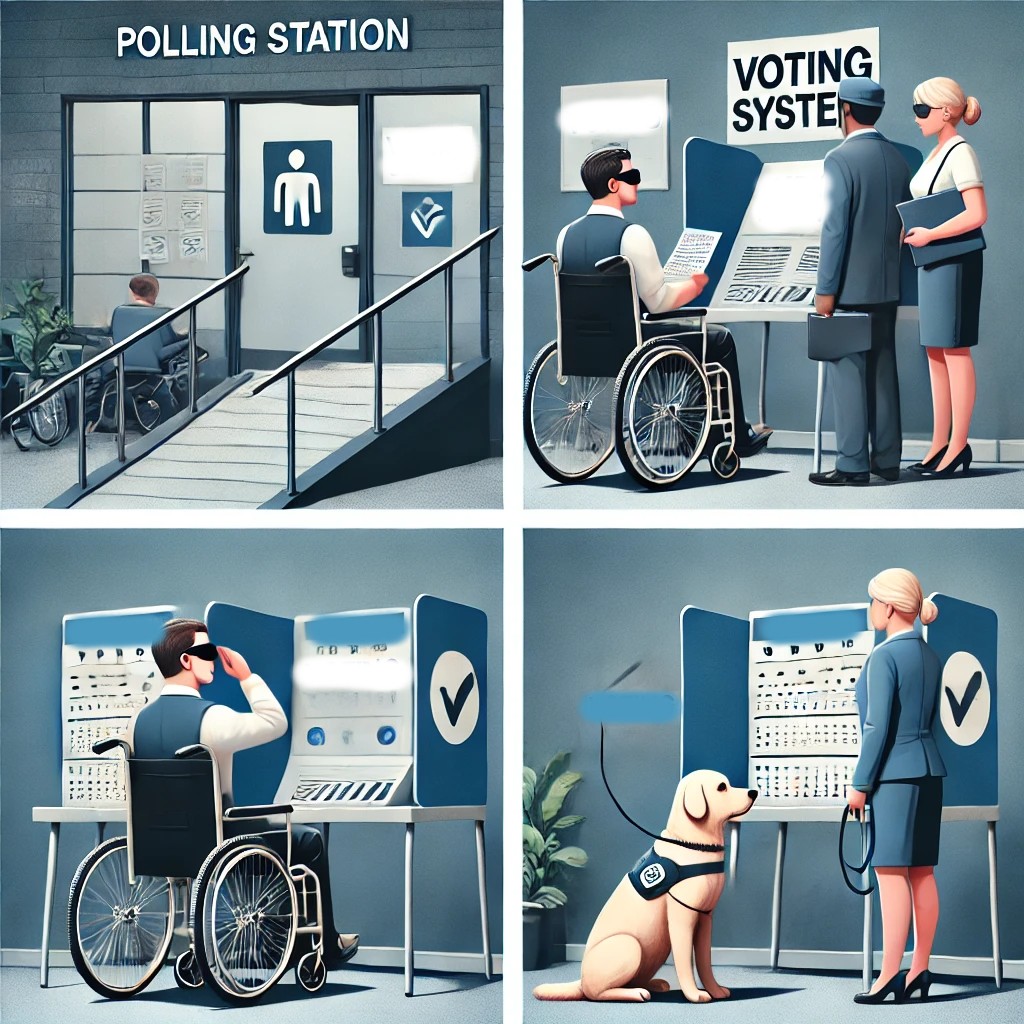
The Americans with Disabilities Act (ADA) represents a critical piece of legislation in the United States designed to prohibit discrimination based on disability across various domains of public life. Title II of the ADA specifically addresses public services, including state and local government activities. One significant aspect of Title II focuses on ensuring accessibility in voting, a fundamental democratic process where every eligible citizen’s voice must be heard regardless of physical, sensory, cognitive, or emotional disabilities.
The ADA was signed into law on July 26, 1990, marking a significant stride toward inclusivity and equal opportunities for individuals with disabilities. Title II extends these protections by requiring public entities to ensure their programs, services, and activities are accessible to persons with disabilities. As public entities include election officials and polling places, Title II has profound implications for the voting process.
Voting is a cornerstone of democracy, and equal access to this process is vital. The importance of voting accessibility cannot be overstated, as it directly influences the representativeness and fairness of electoral outcomes. Without proper access, individuals with disabilities could face significant barriers, both physical and procedural, which could disenfranchise them. Ensuring voting accessibility under Title II of the ADA involves addressing these barriers head-on and implementing policies and practices that facilitate an inclusive voting environment.
In this article, we will explore the intricacies of ADA Title II as it pertains to voting accessibility. We will discuss the challenges faced by voters with disabilities, the specific requirements imposed on public entities under Title II, and the measures being taken to enhance voting accessibility. By understanding these aspects, we aim to illustrate the impact of the ADA on improving the democratic process for all citizens.
Challenges Faced by Voters with Disabilities
Voters with disabilities often encounter a myriad of challenges that impede their ability to participate fully in the voting process. These challenges can be broadly categorized into physical barriers, information barriers, and procedural barriers.
Physical Barriers: Many polling places are not fully accessible to individuals with mobility impairments. This can include lack of ramps, narrow doorways, inaccessible voting booths, and inadequate parking. Physical barriers also extend to the placement of voting machines, which may not be designed to accommodate individuals who use wheelchairs or other mobility devices.
Information Barriers: Voters with sensory disabilities, such as visual or hearing impairments, may face significant difficulties in accessing information about candidates, voting procedures, and polling locations. For instance, printed materials may not be available in Braille or large print, and there may be a lack of sign language interpreters or assistive listening devices at polling places.
Procedural Barriers: The voting process itself can be complex and challenging for individuals with cognitive disabilities or those requiring support. These voters might face difficulties understanding voting instructions, filling out ballots, or operating voting machines. Additionally, the absence of poll workers trained to assist voters with disabilities further exacerbates these issues.
Overcoming these barriers requires a comprehensive approach that addresses the diverse needs of voters with disabilities. Public entities must take proactive steps to identify and eliminate these barriers, ensuring that all eligible voters have equal access to the democratic process.
Requirements Under Title II of the ADA
Title II of the ADA sets forth clear mandates for public entities to ensure that all aspects of the voting process are accessible to individuals with disabilities. These requirements are designed to create a seamless and inclusive voting experience.
Program Accessibility: Public entities, including election officials, must ensure that their voting programs, activities, and services are accessible. This includes providing accessible voting machines, ensuring polling places are compliant with ADA standards, and offering alternative voting methods such as mail-in ballots or curbside voting for individuals who cannot enter polling places.
Effective Communication: Public entities are required to take appropriate steps to ensure effective communication with individuals with disabilities. This can involve providing auxiliary aids and services, such as Braille ballots, large print materials, and sign language interpreters, to ensure that voters with sensory disabilities can access critical information.
Reasonable Modifications: Public entities must make reasonable modifications to policies, practices, and procedures to avoid discrimination against individuals with disabilities. For example, allowing a personal assistant to accompany a voter with a cognitive disability in the voting booth, or providing additional time for individuals who require assistance in understanding or completing their ballots.
Training and Awareness: Proper training for poll workers and election officials is crucial to ensuring compliance with ADA requirements. Poll workers should be educated on how to assist voters with disabilities, recognize and address accessibility issues, and provide respectful and effective support to all voters.
The implementation of these requirements is essential to creating an accessible and inclusive voting environment. Public entities must regularly assess and update their practices to remain compliant with ADA standards and to address emerging accessibility challenges.
Examples of Successful Voting Accessibility Initiatives
Numerous states and localities have implemented successful initiatives to enhance voting accessibility, demonstrating a commitment to upholding the principles of the ADA. These initiatives serve as models for other jurisdictions aiming to improve their voting processes.
Accessible Voting Machines: Many states have adopted accessible voting machines that provide various features such as audio ballots for voters with visual impairments, tactile buttons, and touchscreen interfaces. These machines ensure that voters with disabilities can independently and privately cast their ballots.
Remote Ballot Marking Systems: Some jurisdictions have introduced remote ballot marking systems, allowing voters with disabilities to access and mark their ballots electronically from home. These systems typically include features like screen readers, voice recognition, and adjustable font sizes, ensuring that voters with disabilities can participate in the voting process without physical barriers.
Polling Place Accessibility Surveys: Conducting accessibility surveys of polling places is another effective initiative. These surveys assess the physical accessibility of polling locations and identify necessary modifications to meet ADA standards. By addressing accessibility issues before election day, jurisdictions can ensure that voters with disabilities encounter fewer obstacles when casting their ballots.
Public Education and Outreach: Educating voters with disabilities about their rights and available accommodations is crucial. Many jurisdictions have developed informational campaigns, including accessible websites, videos, and printed materials, to educate voters on how to navigate the voting process and access necessary accommodations.
These initiatives illustrate that ensuring voting accessibility is both achievable and beneficial for fostering a more inclusive democracy. By adopting similar practices, other jurisdictions can enhance their compliance with ADA Title II and improve the voting experience for all citizens.
Voting Accessibility Resources and Support
Numerous resources and organizations are dedicated to supporting voters with disabilities and promoting voting accessibility. These resources provide valuable information, advocacy, and assistance to both voters and public entities.
U.S. Election Assistance Commission (EAC): The EAC offers a variety of resources on accessibility, including guidelines, best practices, and tools for election officials to improve the accessibility of their voting processes. Their website features a comprehensive section on voting accessibility, offering guidance on accessible polling places, voting equipment, and training for poll workers.
National Disability Rights Network (NDRN): The NDRN is a nonprofit organization that advocates for the rights of individuals with disabilities. They provide resources and support for voters with disabilities and work to ensure that the rights of these individuals are upheld during elections. Their website offers detailed information on voting rights, accessibility, and advocacy efforts.
American Association of People with Disabilities (AAPD): The AAPD is dedicated to promoting equal opportunities for individuals with disabilities. They offer resources, including toolkits and educational materials, to help voters with disabilities navigate the voting process and understand their rights under the ADA. The AAPD also engages in advocacy efforts to improve voting accessibility nationwide.
Local Disability Organizations and Advocacy Groups: Local organizations and advocacy groups play a vital role in supporting voters with disabilities. These groups often provide direct assistance, such as transportation to polling places, help with understanding and completing ballots, and advocacy with election officials to address accessibility concerns.
Utilizing these resources and seeking support from advocacy organizations can significantly enhance the voting experience for individuals with disabilities. Voters and public entities alike can benefit from the wealth of information and assistance available to promote an inclusive and accessible democratic process.
Future Directions and Ongoing Challenges
While significant progress has been made in improving voting accessibility under Title II of the ADA, ongoing challenges and future directions must be considered to achieve full inclusivity in the voting process.
Continuous Monitoring and Improvement: Regularly assessing and updating accessibility measures is crucial. Polling places, voting equipment, and procedures evolve over time, and continuous improvement efforts are needed to address emerging challenges and ensure compliance with ADA standards. Public entities must remain vigilant and proactive in identifying and rectifying accessibility issues.
Technological Advancements: Emerging technologies offer promising opportunities to enhance voting accessibility. Innovations such as blockchain-based voting systems, mobile ballot marking tools, and advanced assistive technologies can revolutionize the voting experience for individuals with disabilities. However, integrating these technologies requires careful consideration of accessibility, security, and privacy concerns.
Education and Training: Ongoing education and training for election officials, poll workers, and voters is essential. Providing regular training sessions on accessibility protocols, assistive technologies, and effective communication strategies can improve the voting experience for individuals with disabilities.
Advocacy and Awareness: Sustained advocacy efforts are necessary to raise awareness about the importance of voting accessibility and foster a culture of inclusivity. Advocacy organizations, policymakers, and the broader community must work together to prioritize accessibility and ensure that voting remains a fundamental right for all citizens.
Legislative and Policy Changes: Continued advocacy for legislative and policy changes is vital to strengthening voting accessibility. Proposals that mandate stricter accessibility standards, provide funding for accessibility improvements, and support innovative voting technologies can drive meaningful progress in creating an inclusive democratic process.
Looking ahead, achieving full voting accessibility requires a multifaceted approach that combines technological innovation, continuous improvement, education, advocacy, and legislative support. By addressing ongoing challenges and embracing future directions, we can ensure that every citizen, regardless of disability, has an equal opportunity to participate in the democratic process.
Conclusion
The Americans with Disabilities Act (ADA) has played a transformative role in promoting equality and accessibility in various aspects of public life, including voting. Title II of the ADA mandates that public entities take proactive measures to ensure that the voting process is accessible to individuals with disabilities. By addressing physical, informational, and procedural barriers, public entities can create an inclusive voting environment that empowers all citizens to participate in the democratic process.
Despite the significant progress made, ongoing challenges remain in achieving full voting accessibility. Continuous monitoring, technological advancements, education, advocacy, and legislative changes are essential to sustain and enhance accessibility measures. Public entities, advocacy organizations, and the broader community must collaborate to prioritize and uphold the principles of the ADA, ensuring that voting remains a fundamental right for every eligible citizen.
As we move forward, let us remember that the true strength of a democracy lies in its inclusivity and representativeness. By upholding the rights of individuals with disabilities and ensuring their equal access to the voting process, we strengthen the democratic foundation of our society. The ADA provides a powerful framework for achieving this goal, and it is our collective responsibility to continue working towards a more inclusive and accessible future.
Frequently Asked Questions
1. What is ADA Title II, and how does it relate to voting accessibility?
ADA Title II is a section of the Americans with Disabilities Act of 1990, and it focuses on preventing discrimination based on disability within public entities. Public services, including activities undertaken by state and local governments, are required to comply with ADA Title II to ensure that people with disabilities have equal access to these services. Voting is one such vital public service. Title II mandates that all eligible voters, regardless of disabilities, must be able to participate in elections independently and privately. This means that polling places must be accessible, and reasonable modifications should be made to facilitate voting for individuals with physical, sensory, or cognitive disabilities.
2. What responsibilities do state and local governments have under ADA Title II to ensure voting accessibility?
State and local governments are tasked with several responsibilities under ADA Title II to make voting accessible to individuals with disabilities. They must ensure that polling places are physically accessible by removing barriers to entry and use, which may include ramps, elevators, appropriate signage, and accessible parking. Furthermore, they should provide effective communication options, such as offering voting information in alternative formats (e.g., braille, large print) or supplying assistive technology to help those with disabilities fill out their ballots independently. Additionally, these entities must provide training for their election staff to ensure they can appropriately assist voters with disabilities while maintaining the integrity of an independent and private voting experience.
3. How are polling places adapted to accommodate voters with physical disabilities under ADA Title II?
To accommodate voters with physical disabilities, polling places under ADA Title II oversight may undergo various adaptations. This can include restructuring steps to ramps for wheelchair access; ensuring doorways are wide enough for wheelchair entry; providing necessary assistance devices or technology, such as ballot-marking devices; and making sure voting booths are accessible for individuals using mobility aids. Furthermore, accessible routes from transportation or parking areas to the voting area within the polling site are mandated, and facilities need to be well-lit and obstacle-free to avoid impediment. These adaptations aim to provide a seamless voting experience for individuals with physical disabilities, cementing their right to participate in democratic processes.
4. Can people with visual impairments vote independently and privately? If so, how is this achieved under ADA Title II?
Under ADA Title II, it is possible for people with visual impairments to vote independently and privately, provided that appropriate accommodations are implemented. These accommodations may include the use of voting machines equipped with audio ballots and tactile devices that allow visually impaired voters to make selections without assistance. Voting information and instructions must be available in accessible formats such as braille or large print. Election officials should also ensure that all poll workers are trained to use and demonstrate any accessibility technology available. These measures ensure that voters with visual impairments have the capability of casting their votes independently, respecting their rights to privacy and self-sufficiency.
5. What are some common challenges faced by voters with disabilities, and how does ADA Title II help address them?
Common challenges faced by voters with disabilities often include physical barriers to accessing polling sites, insufficient accessible voting equipment, inadequate assistance or accommodations for persons with sensory disabilities, and lack of clear information in accessible formats. Under ADA Title II, there are clear directives for state and local governments to proactively remove these barriers, which may sometimes involve structural changes, provision of assistive technologies, and specialized training for election officials. By mandating these steps, ADA Title II helps reduce obstacles in the voting process, ensuring that eligible voters with disabilities can engage with their civic duties on an equal footing with others. Ongoing compliance monitoring and community advocacy remain vital to address and mitigate these challenges effectively.


