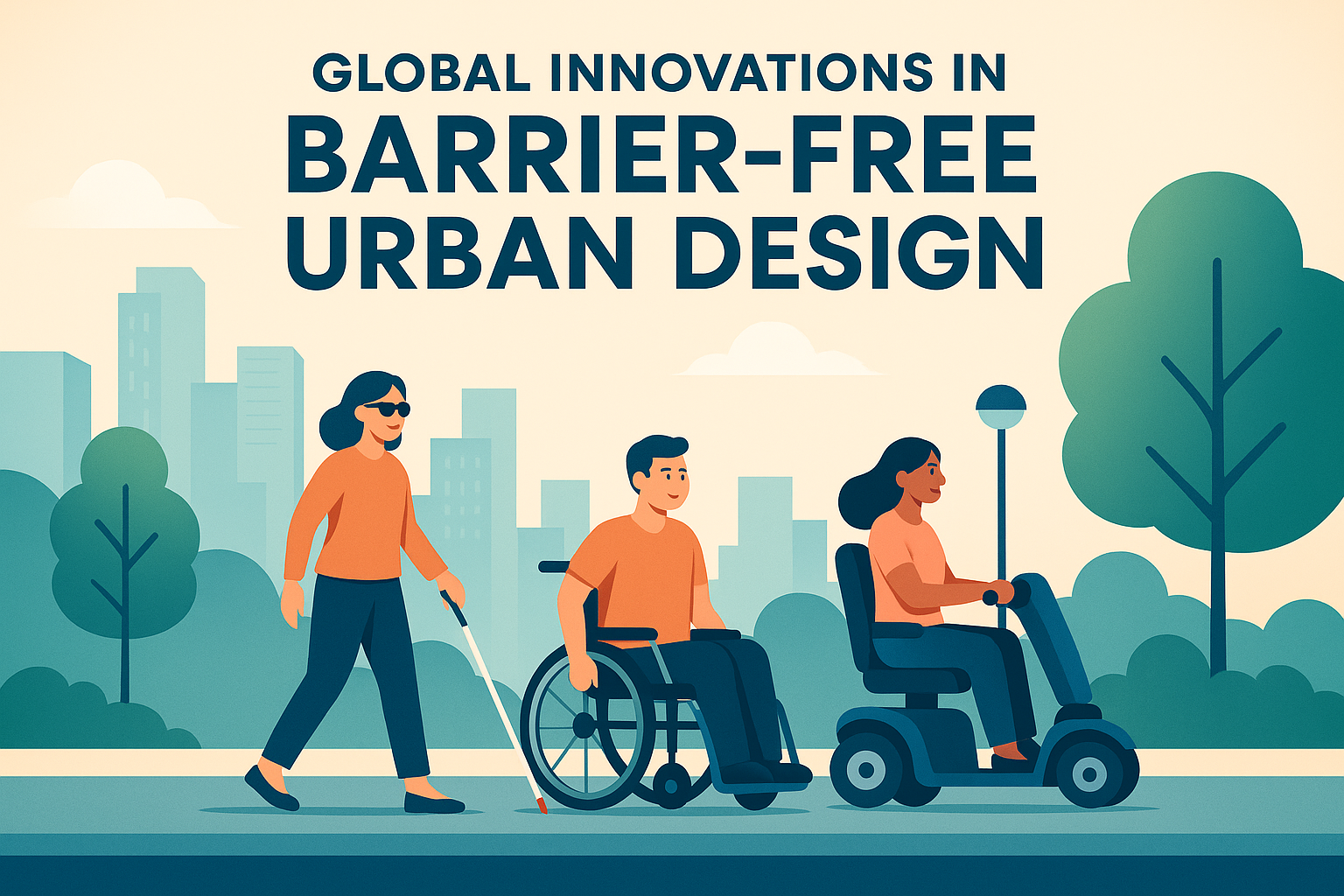
In recent years, the conversation around disability inclusion in the workplace has gained significant traction worldwide. Corporate disability inclusion refers to the strategies and practices implemented by businesses to ensure that individuals with disabilities are adequately represented, respected, and supported within workplace environments. This endeavor not only involves integrating individuals with disabilities into existing structures but also adapting these structures to be more accommodating and inclusive of varying needs. The significance of corporate disability inclusion cannot be overstated; it is a powerful tool for promoting diversity, equity, and innovation in the business world.
Why does disability inclusion matter so much? For one, the prevalence of disability is more common than many realize, with over a billion people around the world experiencing some form of disability. Furthermore, inclusion fosters a sense of belonging and equity, which can enhance morale, boost productivity, and drive innovation. Beyond the ethical imperatives, disability inclusion offers tangible economic benefits. Companies that champion diversity are found to be more adaptable, capable of solving complex problems, and often outperform their peers. As the modern workforce becomes increasingly diverse, small and large organizations alike are turning to disability inclusion as a cornerstone of their corporate identity. This article provides an in-depth look at success stories in corporate disability inclusion on a global scale, highlighting key practices and outcomes.
Global Electronics Giant: Samsung’s Inclusion Efforts
Samsung, one of the world’s leaders in electronics and technology, has set a benchmark in corporate disability inclusion. Their initiative, “Samsung Hope,” has been pivotal in transforming the company’s approach to inclusivity. The company recognized the need to completely overhaul its facilities, infrastructure, and work culture to accommodate employees with disabilities adequately. Samsung committed to creating an accessible workplace by equipping their offices with necessary adaptations such as accessible parking, elevators, and assistive technology tools.
As part of their inclusive hiring practices, Samsung opened targeted pathways for individuals with disabilities through specialized recruitment programs. These programs were designed to remove traditional barriers that often limit employment opportunities for people with disabilities. As a result, Samsung has not only diversified its workforce but cultivated a culture of equality and innovation, reflecting in their ability to pioneer new technologies.
NHS: A Model of Inclusive Healthcare Employment
The National Health Service (NHS) in the United Kingdom stands as a testament to how public organizations can successfully implement disability inclusion at a large scale. Recognizing that the healthcare sector could lead by example, the NHS committed to robust inclusion policies. Their program “Disability Confident” helps employers recruit and retain people with disabilities, ensuring they are not discriminated against in the workplace.
The NHS actively promotes disability awareness through workshops and training designed to equip all staff with the knowledge to understand and accommodate diverse needs. Importantly, the NHS supports an internal network called the “Disability Network,” which provides disabled employees with a platform to share experiences and advocate for necessary changes. This initiative has reduced stigma and led to a greater acceptance among colleagues, aiding in the development of a more cohesive and productive healthcare workforce.
Technology Sector Pioneer: Microsoft’s LOBBY Initiative
Microsoft has long been a frontrunner in promoting accessibility and disability inclusion within the tech industry. Their large-scale initiative, known as the LOBBY (Leaders of Business for a Better You) program, highlights the company’s continuous commitment to a more inclusive environment. Microsoft encompasses both internal and external focus areas, ensuring that all new product developments are accessible while also emphasizing inclusive internship and employment opportunities. Guiding principles include Universal Design, which focuses on making products usable to the greatest extent possible by everyone.
The LOBBY program provides mentorship and growth opportunities for employees with disabilities, equipping them with skills to ascend into leadership roles. Microsoft partners actively with disability advocacy groups to continually inform and refine their approaches. The impact of their work is tangible—fostering innovation, diversifying talent, and displaying how strategically focusing on inclusion can create competitive business advantages.
Fashion Industry Icon: Tommy Hilfiger Adaptive Collection
Fashion has long been viewed as a tool for self-expression, yet people with disabilities have frequently found themselves overlooked by mainstream fashion brands. Tommy Hilfiger’s “Adaptive” clothing line has made waves by directly addressing and catering to this underrepresented demographic. The line features clothing designed with adaptive features such as magnetic buttons, adjustable hems, and sensory-friendly fabrics, making dressing easier and more comfortable for individuals living with various disabilities.
Tommy Hilfiger’s inclusive move was informed by extensive research and feedback from people with disabilities, spotlighting an industry shift towards greater inclusivity. By providing stylish and functional adaptive clothing, Tommy Hilfiger not only tapped into an underserved market segment but also set an industry-standard for what meaningful inclusion within fashion should look like.
| Company | Industry | Initiative | Impact |
|---|---|---|---|
| Samsung | Electronics | Accessible Facilities | Diversified and innovative workforce |
| NHS | Healthcare | Disability Network | Improved employee morale & productivity |
| Microsoft | Technology | LOBBY Program | Increased innovation and diversity |
| Tommy Hilfiger | Fashion | Adaptive Collection | Expanded market and brand loyalty |
Retail Sector Excellence: Carrefour’s Inclusive Employment
Retail giant Carrefour has emerged as a leader in implementing inclusive employment practices within the retail industry. Committed to corporate social responsibility, Carrefour’s initiative “Handipresence” aims to integrate individuals with disabilities into the workforce through strategic partnerships with disability organizations and ongoing employee training programs.
Carrefour actively engages in creating vocation-oriented training programs for employees with disabilities, emphasizing career progression and leadership opportunities. Through “Handipresence,” Carrefour not only cultivates a more inclusive culture but also enhances its customer base’s experience as inclusivity becomes a keystone of its brand identity.
By continuously refining their disability policies and fostering an inclusive workplace, Carrefour has seen an increase in employee satisfaction and customer loyalty, reflecting the positive impact of their disability inclusion efforts.
Telecommunications Industry: Vodafone’s Inclusion Strategy
Telecommunications leader Vodafone has spearheaded initiatives to promote disability inclusion across its global operations. Entering the conversation with strategic intent, Vodafone launched their global “Hello-Hallo” campaign, which serves to dismantle barriers for employees with disabilities through comprehensive accessibility measures. Vodafone ensures all digital platforms and communication tools are accessible to their workforce.
Additionally, Vodafone facilitates training sessions to foster understanding and acceptance among all employees, converted into dynamic workshops and digital content that is accessible worldwide. Vodafone collaborates with international disability organizations to refine and expand their inclusivity strategies. The result has been the successful integration of many employees with disabilities into the company, enhancing Vodafone’s reputation as a forward-thinking and socially responsible telecom giant.
Key Takeaways and Conclusions
Successful corporate disability inclusion stories from companies like Samsung, NHS, Microsoft, Tommy Hilfiger, Carrefour, and Vodafone demonstrate a compelling narrative on the vast benefits and essential nature of disability inclusion in the modern era. These organizations exemplify how nurturing an inclusive culture not only drives cultural change but also boosts business performance innovation.
Each of these stories reveals a common thread: the commitment to understanding and meeting the needs of employees with disabilities and ensuring they are well represented within corporate structures. The real-world outcomes of these initiatives include increased employee satisfaction, brand loyalty, and opportunities for business growth. Moreover, these corporations remind us that fostering a more inclusive workplace is not just the responsibility of the business—it benefits society as a whole.
Organizations aiming to harness the benefits of disability inclusion can start by evaluating their existing practices and reaching out to successful entities for guidance and collaboration. As we move forward, prioritizing disability inclusion will not only enhance workplace environments but will also lead to richer innovation and greater societal equity. A call to action for businesses is clear: embrace diversity and build a society that values and respects every individual equally.
Frequently Asked Questions
1. What are some examples of successful corporate disability inclusion initiatives globally?
Across the globe, companies are setting benchmarks in disability inclusion by implementing innovative programs and practices. For example, Microsoft has been a frontrunner with their Autism Hiring Program, which focuses on hiring and supporting neurodiverse talent. This program tailors the interview process to better suit the needs of applicants with autism, thereby creating a more inclusive hiring experience.
Another noteworthy example is Procter & Gamble’s (P&G) commitment to improving inclusivity through its “People with Disabilities Network.” This employee-led initiative works to ensure that employees with disabilities have equal opportunities to contribute and excel at the company, and it includes sensitivity training for all staff.
IKEA, in several countries, has showcased their dedication to inclusivity by adapting workspaces and providing training programs specifically designed for employees with various types of disabilities. They’ve partnered with local organizations to mentor and integrate individuals into their workplace effectively.
Accenture, a leader in professional services, has been recognized for their Accessibility Center of Excellence, which not only focuses on hiring practices but also ensures their digital services are accessible for all clients and employees alike.
2. How do successful disability inclusion practices benefit corporations financially?
Although implementing disability inclusion strategies requires an initial investment, many companies have found that these investments can lead to significant financial benefits. Primarily, diverse work environments foster innovation, which can lead to the development of new products and services.
Successful disability inclusion can also enhance brand reputation, attracting a wider consumer base, as today’s socially conscious consumers are more likely to support businesses with strong corporate social responsibility ethics.
Furthermore, companies that have robust inclusion practices often see reduced employee turnover and increased loyalty, creating a more stable workforce. The costs saved from lower attrition and recruitment expenditures can directly contribute to a company’s bottom line.
Case studies have shown that disability inclusion boosts workplace morale and productivity, as employees feel valued and respected regardless of their abilities, leading to increased performance and, ultimately, profit.»
3. What are the challenges companies face in achieving full disability inclusion, and how can they overcome them?
One of the primary challenges in achieving full disability inclusion is overcoming attitudinal barriers. Many companies struggle with ingrained perceptions and stereotypes about the capabilities of individuals with disabilities. Overcoming these requires an organizational shift in mindset, often facilitated through comprehensive inclusion training and education.
Another challenge is the lack of accessible infrastructure. Many workplaces are not initially designed to be inclusive, necessitating physical, technological, and policy adaptations. Companies can address this by conducting accessibility audits and partnering with relevant organizations to implement necessary changes.
Additionally, there can be a hesitance due to perceived costs. However, businesses can overcome this challenge by viewing inclusion initiatives as long-term investments that yield both human and financial returns.
Navigating the complexities of local laws concerning disability rights in different regions globally can also be challenging. To combat this, multinational corporations can prioritize understanding and adapting to each locale’s specific legal requirements, often hiring specialists to guide them in compliance efforts.»
4. How does disability inclusion extend beyond hiring practices in the corporate world?
Disability inclusion in the corporate world goes far beyond simply hiring individuals with disabilities. It encompasses developing a workplace culture that supports continuous learning and growth for employees with disabilities. This includes offering tailored training programs that account for varied learning preferences and providing necessary accommodations for all.
Inclusion also involves offering career advancement opportunities, ensuring that individuals with disabilities have equal chances of promotion and professional growth. Networking events, mentorship programs, and peer support networks are also essential components of an inclusive corporate culture.
Furthermore, many successful initiatives focus on designing inclusive communication strategies to assure everyone has equal access to information shared within the company. This entails the use of accessible technology and information modes that accommodate different abilities.
Additionally, companies are increasingly focused on ensuring that their products and services meet accessibility standards, demonstrating to their employees and customers alike their commitment to disability inclusion on every front.»
5. How can small and medium-sized enterprises (SMEs) implement successful disability inclusion strategies?
While large corporations often have the resources to deploy extensive inclusion programs, small and medium-sized enterprises can still implement successful disability inclusion strategies that have a meaningful impact. SMEs can start by fostering an inclusive workplace culture from the top-down, ensuring leaders champion diversity and inclusion initiatives.
SMEs can also focus on accessibility by making small but significant adjustments to their physical and digital spaces. This could involve adding ramps, providing assistive technologies, or ensuring online content is accessible to all.
In terms of recruitment, SMEs are encouraged to broaden their outreach by connecting with organizations that specialize in supporting individuals with disabilities, as these partnerships can provide valuable resources and insights. Creating an inclusive job description that focuses on abilities and skills, rather than capitalizing on disabilities, is also beneficial.
Moreover, building an inclusive team that represents a variety of perspectives can drive innovation and help SMEs cater to a more diverse customer base, ultimately supporting growth and productivity on a competitive scale.