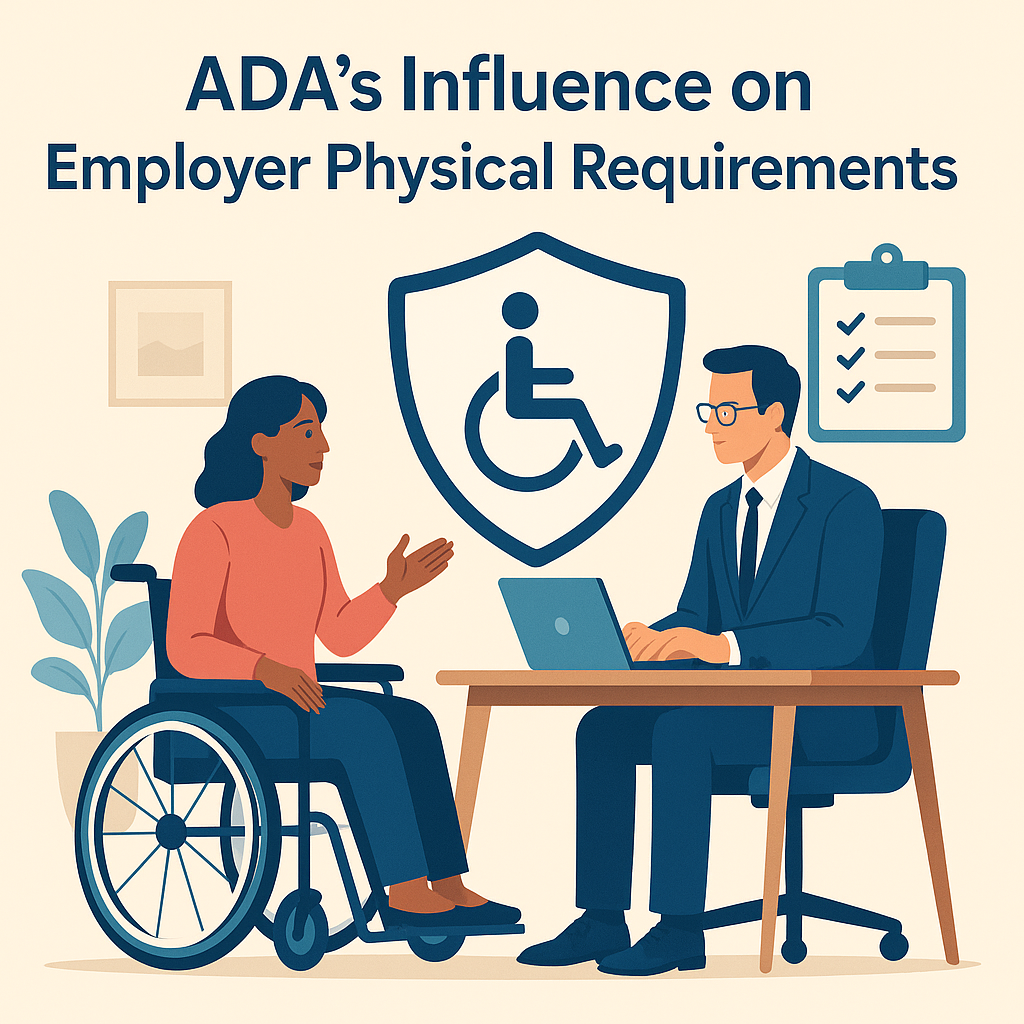
The case of Bates v. United Parcel Service, Inc. (UPS) delves into the intricate relationship between the Americans with Disabilities Act (ADA) and the enforcement of physical requirements by employers. This landmark case highlights the challenges and responsibilities that employers face when needing to accommodate disabled employees while maintaining job performance standards. Understanding this interplay is essential because it not only addresses the legal obligations of employers but also touches on broader societal values related to inclusion and equity in the workplace. The Bates v. UPS ruling is significant as it illuminates how employment policies may perpetuate discrimination if they unintentionally exclude qualified individuals with disabilities. This case underscores the necessity for businesses to reevaluate their hiring policies and adapt to ensure compliance with ADA mandates, providing an equitable workplace for all individuals.
The Landmark Case: An Overview
The origins of Bates v. UPS began when a group of hearing-impaired drivers challenged UPS’s hearing requirements. UPS had mandated a Department of Transportation (DOT) hearing standard for all its drivers, believing this was necessary to ensure safety and efficiency. However, the plaintiffs argued that this blanket requirement discriminated against them due to their disability, as many of them were suitable for the job and could perform it safely. This case questioned whether UPS’s hearing standard violated the ADA, as it might have prevented qualified, disabled individuals from attaining employment. The legal examination in Bates v. UPS centered on whether the standardized hearing requirement constituted an “undue hardship,” or was an essential qualification standard under ADA guidelines.
ADA Requirements: Understanding “Reasonable Accommodation”
The Americans with Disabilities Act was enacted to prevent discrimination against individuals with disabilities in various areas, including employment. A major tenet of the ADA is the provision of “reasonable accommodation,” which refers to necessary adjustments or modifications provided by employers to enable disabled individuals to perform their job duties. This does not mean lowering job performance standards but requires adjustments that can be made without undue hardship on the employer. For example, installing specialized equipment or adjusting a work schedule could fulfill a reasonable accommodation request.
In Bates v. UPS, the crux of the plaintiffs’ argument was that UPS could have reasonably accommodated their hearing impairment by considering less restrictive hiring criteria or utilizing alternative communication devices. These modifications would not have posed an undue hardship on the company. This case spotlighted the tension between maintaining rigorous job performance standards and offering equitable opportunities to employees with disabilities.
Balancing Safety and Inclusion: Workplace Implications
One of the main arguments by UPS was the importance of ensuring the safety of their drivers, employees, and the general public. The company reasoned that their hearing standard was integral to minimizing risks. Arguably, safety can sometimes necessitate stringent physical requirements. However, when such requirements indiscriminately filter out disabled individuals who are otherwise qualified, they potentially verge into the realm of discrimination.
Workplace safety standards are crucial, but Bates v. UPS highlighted that these standards must be developed with an inclusive lens. By involving technical evaluations and testing, it distances from a one-size-fits-all approach, promoting a more tailored strategy to disability. UPS is tasked with discerning when a physical requirement genuinely serves its safety function and when it acts as a barrier to employment for disabled individuals.
Industry Practices: When Physical Requirements Overlap with Discrimination
In industries reliant on stringent physical requirements, such as transportation or law enforcement, the risk of discrimination under ADA must be vigilantly monitored. Bates v. UPS serves as a cautionary tale, illustrating how standard industry practices might inadvertently sideline disabled workers despite their competence.
As an example, consider a shipping company requiring all personnel to be capable of lifting a certain weight, based on assumptions about job duties. While intended to ensure productivity and efficiency, such blanket requirements could overlook how various health conditions affect physical ability. These guidelines may unwittingly exclude capable workers who could benefit from specific technological aids or task modifications, thereby flouting ADA mandates.
| Consideration | Example of Inclusion Practice |
|---|---|
| Hearing Requirements | Provide visual alerts and communication tools for hearing-impaired staff. |
| Physical Lifting Requirements | Allow adaptive lifting techniques or use mechanical aids for those with disabilities. |
| Sensory Impairments | Implement training programs using diverse sensory approaches to accommodate all employees. |
Legal and Ethical Responsibilities: What Employers Must Know
The decision in Bates v. UPS reveals the legal and ethical dimensions employers face while crafting policies on physical job requirements. Employers are legally obligated under the ADA to avoid discrimination by providing reasonable accommodations unless doing so would cause undue hardship. However, ethical considerations further demand actively fostering an inclusive workplace ethos.
Companies should regularly audit their employment practices, particularly those involving physical requirements, to identify and mitigate potential biases against disabled individuals. Implementing regular training for management and HR personnel on ADA compliance and inclusive practices is a proactive way of understanding and embracing these legal and moral duties. Education and awareness are potent tools to minimize unnecessary exclusion from employment opportunities.
Beyond Legal Compliance: Cultivating an Inclusive Culture
The influence of the ADA on employer practices extends beyond merely adhering to legislation to cultivate an inclusive, respectful workplace culture. While compliance is necessary, the ultimate goal should be to integrate diversity in policy and practice, celebrating the varied capabilities and talents of individuals with disabilities.
- Engage with employees to understand their specific needs and obstacles faced.
- Use innovative solutions to create a supportive work environment.
- Regularly review and adapt company policies to align with updated industry standards and legal requirements.
Conclusion: Navigating the Future of Inclusive Employment
In summary, Bates v. UPS is more than a legal proceeding; it is an illustration of the profound influence the ADA has on shaping employer practices regarding physical job requirements. The case emphasizes the importance of balancing safety and inclusion, a task that demands understanding, empathy, and legal insight. By examining the real-world implications and lessons from this case, employers are better positioned to implement more inclusive practices while maintaining operational efficacy.
For readers, the takeaway is clear: fostering an equitable workplace that aligns with ADA guidelines is both a legal necessity and a moral imperative. Employers are encouraged to revisit their employment policies, ensuring that physical requirement standards do not serve as de facto barriers to workplace entry for disabled individuals. Engage with experts, rethink conventional practices, and step forward into a future where workplace diversity and inclusion are not just aim, but practiced realities.
As every employer envisions shaping the future trajectory, starting with reevaluating current policies today can greatly advance an inclusive workplace tomorrow. Let Bates v. UPS inspire actionable change towards a more accommodating work environment and encourage ongoing dialogue about ethics, diversity, and equality.
Frequently Asked Questions
1. What is the Bates v. UPS case about, and why is it significant?
The Bates v. United Parcel Service, Inc. case is a pivotal legal battle that underscores the intersection of the Americans with Disabilities Act (ADA) and the physical requirements employers impose on their employees. At its core, this case revolves around the challenge of balancing the need for job performance standards with the obligations to accommodate employees with disabilities. This balance is crucial, as it directly impacts employer hiring practices, policies on workplace inclusivity, and the rights of disabled workers. The significance of the case lies in establishing clearer guidelines for employers, offering a lens through which to view their responsibilities under the ADA. It prompted companies to rethink how they define essential job functions and the accommodations they provide, ensuring they remain compliant with federal laws aimed at protecting the rights of disabled individuals.
2. How did the Americans with Disabilities Act influence the ruling in this case?
The ADA played a central role in the outcome of Bates v. UPS, as it served as the legal foundation upon which arguments were built. Under the ADA, employers are prohibited from discriminating against qualified individuals with disabilities and are required to provide reasonable accommodations that do not impose undue hardship on the operation of the business. In this case, the court examined whether UPS’s physical test requirements were essential to the job in question or if they unjustly discriminated against individuals with hearing impairments. The ruling was influenced by whether these requirements were a legitimate necessity for job performance or an arbitrary barrier to employment for those with certain disabilities. It highlighted the necessity for employers to tailor job requirements to the actual needs of the position and to engage in an interactive process to determine appropriate accommodations, all within the ADA’s framework.
3. What responsibilities do employers have when setting physical requirements for a job?
Employers have a dual responsibility when establishing physical requirements for job positions. Firstly, they must ensure that these requirements are truly essential to the job’s performance. This means that any physical criteria, such as lifting capabilities, vision clarity, or hearing acuity, must be directly relevant to the duties the position entails. Secondly, employers are legally obligated under the ADA to make reasonable accommodations for employees who can perform these essential functions with some adjustments. This might involve modifying workstations, providing assistive technology, or altering work schedules. The objective is to level the playing field for individuals with disabilities, allowing them to contribute effectively while maintaining the company’s operational standards. Employers must document their decision-making process, demonstrating why certain requirements are necessary and exploring alternative accommodations thoroughly.
4. What are the implications of this case for disabled employees seeking employment?
For disabled employees, Bates v. UPS underscores their right to equitable treatment in the workplace, especially concerning job requirements that may inadvertently exclude them. The case serves as a reminder that disabled individuals have legal protection against discrimination and that employers must offer reasonable accommodations to support their employment. It empowers disabled job seekers to challenge unfair hiring practices and encourages them to actively engage in discussions about accommodations with prospective employers. Additionally, the precedent set by this case provides a basis for legal recourse, should their rights be infringed upon due to unnecessarily rigid physical requirements that do not accurately reflect the job’s essential functions. Essentially, this case fortifies the confidence of disabled individuals in pursuing careers where they can excel without facing unjust barriers.
5. How can companies ensure their compliance with the ADA in light of this case?
Companies can ensure compliance with the ADA in several actionable ways. First, they should conduct a comprehensive job analysis to determine which physical requirements are genuinely essential to each role. This involves aligning these criteria with actual job tasks rather than perceived or traditional standards. Next, businesses are encouraged to establish and maintain clear policies and procedures for assessing and implementing reasonable accommodations. This includes training HR personnel and managers on ADA compliance and fostering an inclusive workplace culture where dialogue about accommodations is normalized and encouraged. Furthermore, companies should document all employment practices, particularly those related to hiring, job performance assessments, and accommodations, to provide transparency and accountability. Regularly reviewing these policies and engaging in open communication with employees about their specific needs will enhance both compliance and company reputation as an inclusive employer.


