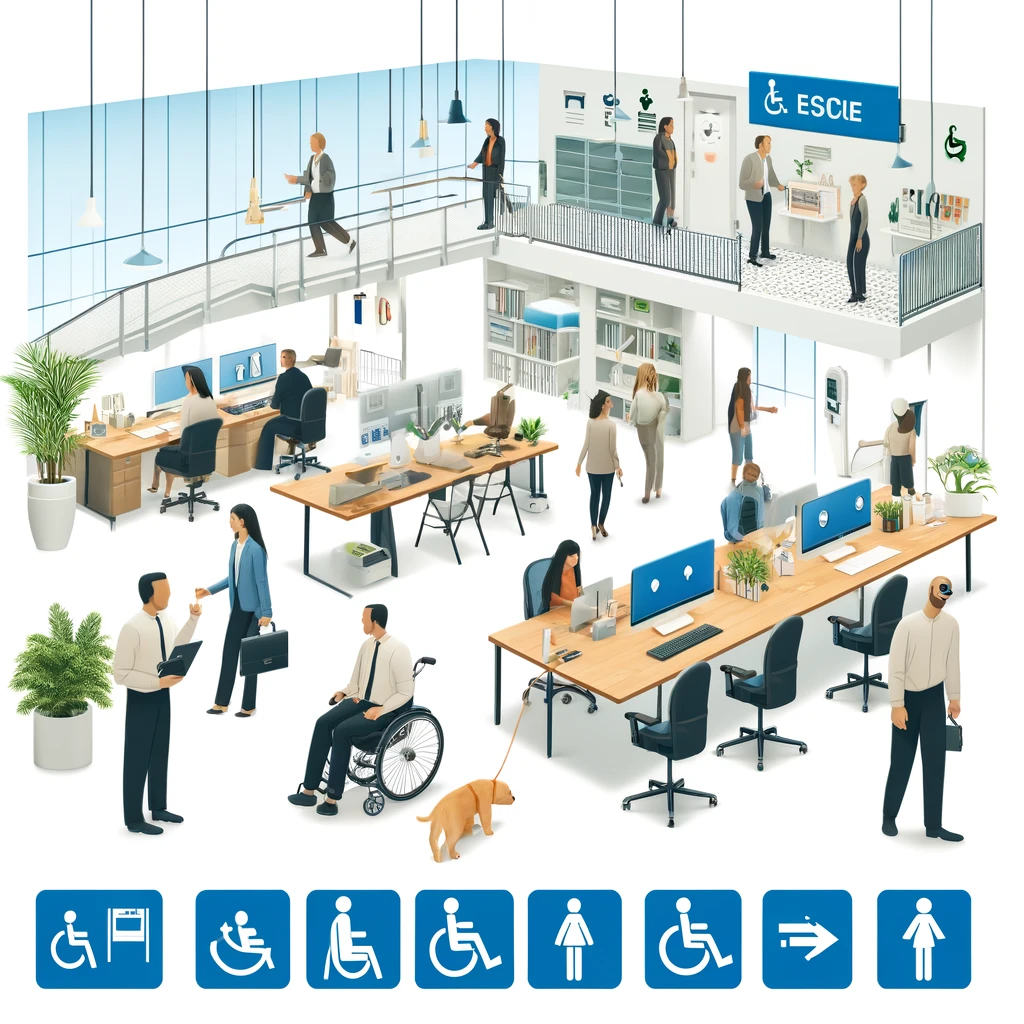
In the built environment, accessibility is crucial to ensure that individuals of all abilities can navigate and utilize spaces effectively. The Americans with Disabilities Act (ADA), enacted in 1990, set standards for accessibility applicable to facilities, both public and private. As a property owner or manager, retrofitting for ADA compliance not only aligns with legal requirements but also broadens the usability of your space, making it more inclusive. Whether dealing with historical buildings, commercial spaces, or residential properties, understanding the nuances of these modifications can aid seamless integration. This article delves into essential tips and strategies for retrofitting structures to ensure ADA compliance. Our aim is to provide a comprehensive guide for anyone looking to transform their space into one that meets ADA standards, ensuring both safety and inclusivity.
Understanding ADA Compliance
ADA compliance refers to adherence to the regulations set forth by the ADA, ensuring that public and commercial spaces are accessible to individuals with disabilities. This involves integrating features that accommodate people with physical, visual, auditory, and cognitive disabilities. Failure to comply can result in hefty fines and legal repercussions, not to mention a reputational damage. The ADA Standards for Accessible Design outline specific requirements, including measurements, structural adjustments, and technical criteria to ensure spaces are free of barriers.
Planning the Retrofit
When embarking on an ADA retrofit project, planning is crucial. Start by conducting a thorough evaluation of your property to identify non-compliant areas. Analyze entrances, restrooms, parking, and pathways for accessibility. It’s beneficial to consult with an ADA specialist or architect familiar with the guidelines, to pinpoint particular issues and develop a strategy. Prioritize modifications based on safety, frequency of use, and budget considerations. Additionally, setting clear timelines and phases for the project can facilitate smoother execution.
Entrances and Pathways
Ensuring that building entrances and paths are accessible is often one of the first steps in retrofitting for ADA compliance. This means incorporating ramps with proper slope ratios, at least one entryway that doesn’t involve steps, and adequately wide doorways. Entrances should have signage and visual indicators for ease of navigation. Within pathways, consider textured surfaces to aid individuals with visual impairments and installing handrails or guides where necessary. Any pathway should be kept clear from obstructions to maintain sufficient width for wheelchair access.
Restroom Accessibility
Adapting restrooms for ADA compliance can require significant changes, yet it’s critical for comprehensive accessibility. Ensure a turnaround and transferring space is available for those with mobility devices. Install grab bars, accessible sinks, and hand dryers positioned to facilitate ease of use. Fixtures like toilets should have the correct height and space on either side, with clear floor space in front of or alongside the fixtures. Don’t forget to adapt mirrors, handrails, and paper towel dispensers to levels easily accessible to individuals using wheelchairs.
Elevators and Vertical Access
For multi-story buildings, elevators provide essential vertical access. Retrofitting elevators involves ensuring they have sufficient space for wheelchair entry and easy-to-reach controls. Audio systems for visually impaired individuals and tactile buttons can also enhance usability. Where elevators are impractical due to space or cost constraints, stair lifts or platform lifts can be an effective alternative. Each of these options comes with its own set of guidelines, so consulting with qualified professionals is recommended for compliant installation.
Lighting and Signage
A frequently overlooked aspect of ADA compliance is appropriate lighting and signage. Areas should be well-lit to aid all users, with minimal glare and shadow. Signage should include tactile and Braille versions, coupled with high-contrast visuals to aid those with low vision. In routing, understanding intersection points and presenting clear, unobstructed signs can guide individuals effectively, especially in complex layouts such as malls or campus environments. Emergency information should be prominently displayed in accessible formats.
Technological Integration
Modern technologies offer opportunities to enhance accessibility in ways not previously possible, aligning with ADA standards. Automatic doors, voice-activated systems, and mobile app-based navigation can drastically improve the accessibility of a space. Implement smart technologies that provide real-time information on accessibility features and alternative routes, tailored to individual needs. Incorporating technological solutions not only helps with immediate physical access issues but also anticipates future enhancements in digital access requirements.
Materials and Surfaces
The materials used in construction can influence ADA compliance through both safety and usability lenses. Opt for non-slip surfaces across ramps and floors to prevent accidents, especially in high-traffic areas. Use materials that break up sound to help individuals with auditory processing challenges. Durable and smooth surfaces are easier to navigate with mobility aids. Additionally, flooring changes should have minimal height differentials to reduce trip hazards and be easily navigable by those using wheelchairs and other devices.
Parking and External Infrastructure
ADA compliance extends to exterior features like parking lots. Allocate sufficient ADA-compliant parking spaces with ample access aisle space. These should be located as close as possible to accessible building entrances. Add curb ramps where necessary, with clear and visible marking. Wider walkways and ample seating areas can integrate into outdoor spaces. Regular maintenance checks are crucial to ensure pathways, ramps, and parking spaces remain clear, free from obstructions, and well-marked over time.
Raising Awareness and Training
An often overlooked strategy for achieving ADA compliance is fostering awareness and training among staff and property administrators. Regularly conduct training sessions on ADA requirements and customer service for individuals with disabilities. By doing so, staff can assist in maintaining compliance through observations and suggestions, and effectively communicate accessibility features to patrons. This culture of awareness not only aids compliance efforts but helps build an inclusive and welcoming environment.
Budgeting and Funding Solutions
Retrofitting for ADA compliance can involve significant costs, but planning can help manage these expenditures effectively. Identify priority areas requiring immediate attention and how they align with budgets. Explore grants, local government programs, and tax incentives designed to support accessibility improvements. Building associations and local businesses can sometimes provide resources or partnerships for larger projects. By taking a structured approach to funding, property owners can alleviate financial impact while progressively working towards compliance.
Conclusion
Retrofitting existing structures for ADA compliance is both a legal obligation and an ethical commitment to inclusivity. By understanding the detailed requirements and implementing well-thought-out strategies, property owners and managers can transform spaces to be accessible and welcoming to all. Through careful planning, prioritization, and seeking the right expertise, the transition towards compliance becomes a manageable task. By investing in accessibility today, you not only uphold the principles of equity and inclusiveness but also enhance the value and appeal of your property. Therefore, the effort toward making properties accessible should be seen as a worthwhile fulfillment of societal responsibility, rather than a mere statutory requirement. Transform your spaces with these tips and strategies, making them compliant, welcoming, and inclusive.