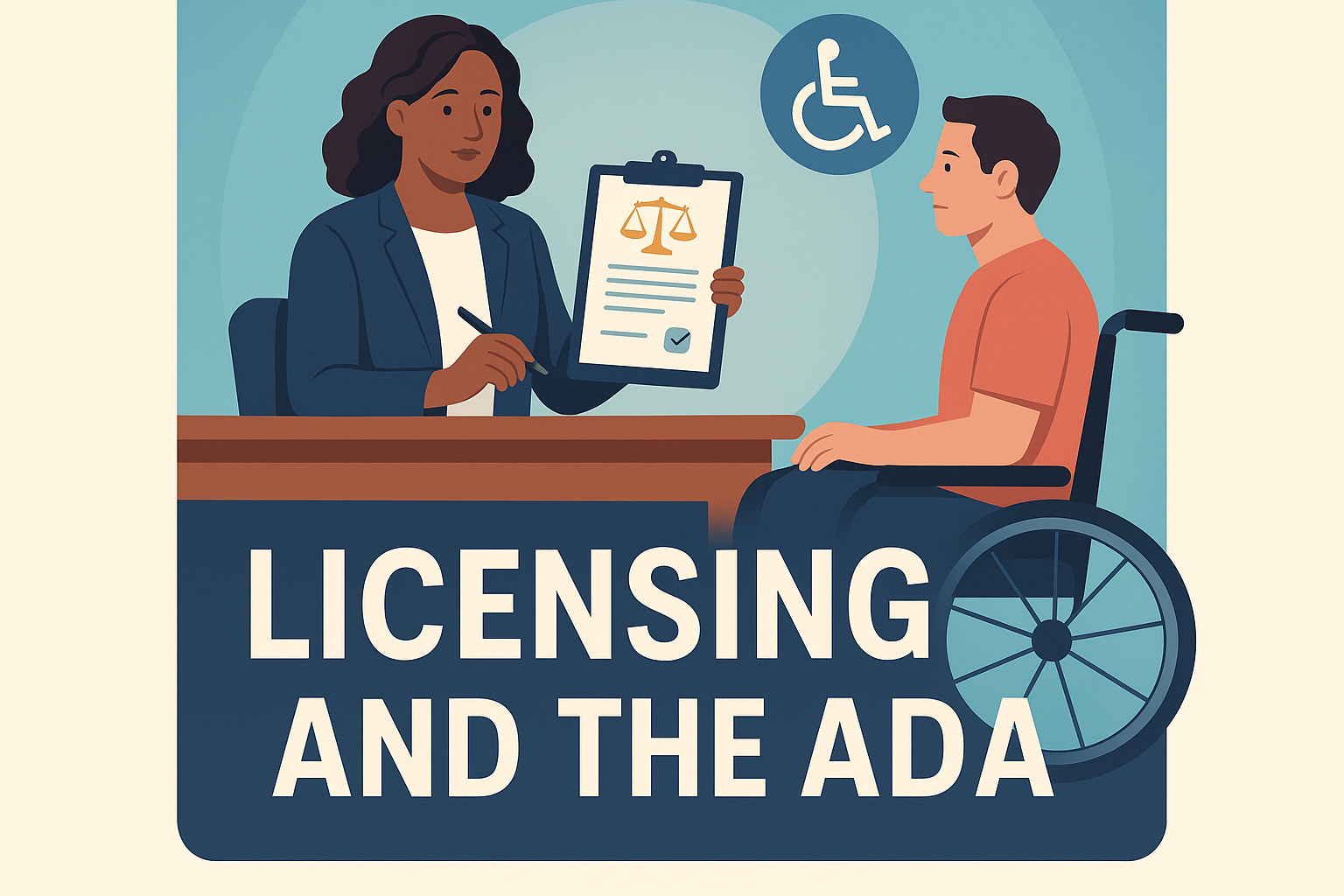
In the landmark case of Love v. Westville Correctional Facility, the intersection of disability rights and prison administration came under legal scrutiny, highlighting the importance of the Americans with Disabilities Act (ADA) in correctional environments. The case centers on the rights of incarcerated individuals with disabilities, a topic that has long been overshadowed but is of pressing significance. Understanding the implications of this case not only sheds light on the challenges faced by disabled inmates but also emphasizes the responsibilities correctional facilities have under federal law to accommodate their needs. In an era where equality and accessibility are paramount, the outcomes of such cases hold far-reaching consequences for both legal standards and humane treatment within the justice system. Examining the circumstances and implications of Love v. Westville serves as a crucial narrative on how legal and correctional entities must navigate the complex terrain of disability rights.
The Legal Foundation of ADA
The Americans with Disabilities Act (ADA), enacted in 1990, serves as critical legislation designed to ensure that individuals with disabilities are not discriminated against and receive necessary accommodations. It mandates reasonable accommodations across various settings, including employment, public service, and more importantly, within state and federal correctional facilities. The essence of the ADA is to enable full participation and access to services for people with disabilities, fundamentally viewing access as a civil right. In the context of correctional facilities, this means ensuring that inmates with disabilities receive equal access to programs, services, and facilities, recognizing the unique obstacles they may face while incarcerated.
Love v. Westville: Case Overview
In Love v. Westville Correctional Facility, the plaintiff, Mr. Love, an inmate within the facility, alleged that his rights under the ADA were being violated. Mr. Love, who suffers from mobility impairments, claimed that the facility failed to provide adequate accommodations necessary for his disability. This included accessible pathways, appropriately designed facilities, and reasonable program access, effectively barring him from participating in standard inmate programs and services.
The court’s approach to this case was pivotal as it involved assessing whether the facility had indeed breached ADA standards and what constitutes reasonable accommodation within the unique environment of a correctional setting. It exemplified the challenges of applying broad federal law to the distinct nuances present in prisons, where security concerns, budget constraints, and other logistical limitations are constant factors.
Challenges in Correctional Settings
The nature of correctional facilities inherently poses numerous challenges in the application of ADA guidelines. Prisons are designed with security as a top priority, which can often conflict with accessibility needs. For instance, secure cell designs might hinder accessibility for wheelchair users, and program schedules might not align with the needs of individuals requiring special assistance.
To tackle these issues, correctional facilities must engage in proactive planning and regular assessments of their premises and programs to ensure they are compliant with ADA requirements. Collaboration between legal experts, disability advocates, and correctional administrators is necessary to balance security needs with accommodations for disabled inmates. This approach ensures that the facilities are not only compliant but also upholding the dignity and rights of all inmates.
Real-World Implications and Reforms
The rulings in cases like Love v. Westville often result in tangible reforms within correctional systems. For example, following similar legal challenges, numerous facilities nationwide have invested in infrastructure improvements like ramps, accessible restrooms, and modified cells. They have also implemented staff training programs focused on recognizing and accommodating disabilities.
These changes have extended beyond mere physical adjustments, influencing policy reforms that include regular reviews of compliance with ADA standards and dedicated roles for oversight on disability-related issues. Such reforms illustrate the essential nature of ongoing commitment to inclusivity and legal adherence, proving that correctional facilities can be progressive environments when appropriately motivated by legal standards and ethical considerations.
Evaluation: Real-World Example
To illustrate how pervasive ADA compliance issues can be, consider the example of a correctional facility that, after evaluating its practices, discovered a significant number of ADA violations. The facility identified deficiencies in several areas such as access to vocational programs and recreation, which were involuntarily excluding inmates with disabilities. By addressing these problems, the institution not only avoided potential legal ramifications but also enhanced the quality of life for its disabled population.
- Installing ADA-compliant ramps and pathways
- Modifying staircases and doorways for access
- Training staff on disability awareness and accommodations
- Implementing new workflows to ensure program accessibility
This proactive approach reflects a broader understanding and application of the ADA, stressing the importance of legal adherence intertwined with ethical obligations in correctional facilities.
Key Takeaways
The narrative formed by Love v. Westville Correctional Facility exposes a critical need for continued vigilance in applying ADA standards within prisons. The key takeaway is the understanding that disability rights are a legal and moral imperative, ensuring all individuals have fair and equitable access to services, regardless of their incarceration status.
For correctional facilities, aligning operational practices with ADA requirements protects them from legal challenges and forms part of their commitment to uphold human dignity and fairness. For inmates, it means a transformative shift towards sustainable rehabilitation and integration, recognizing their potential and value within the correctional system and society.
Readers, particularly those involved in legal, correctional, or advocacy roles, are encouraged to view these scenarios as opportunities to forge productive changes within their institutions or communities. By advocating for compliance, supporting training, and embracing reform, stakeholders ensure that disability rights remain at the forefront of prison administration. A commitment to explore, educate, and engage on these issues becomes the next step, ensuring the principles of access, equality, and justice are upheld universally.
In conclusion, Love v. Westville Correctional Facility reaffirms that disability rights within correctional settings are not only a matter of compliance but a testament to societal progress and the unyielding pursuit of justice and equality for all individuals.
Frequently Asked Questions
1. What is the significance of the Love v. Westville Correctional Facility case?
The case of Love v. Westville Correctional Facility is a landmark in the realm of disability rights, particularly within the context of correctional facilities. It brought to the forefront the often-neglected intersection of incarcerated individuals’ rights and the enforcement of the Americans with Disabilities Act (ADA). This case underscored the critical need for correctional facilities to accommodate the needs of prisoners with disabilities and comply with the ADA’s mandates. The court’s examination highlighted significant systemic issues within the prison system, where individuals with disabilities had previously faced neglect or inadequate care. As a result, this case has been pivotal in encouraging reform and ensuring that the rights of disabled inmates are recognized and enforced. Understanding this case is crucial, as it sets a precedent for how prisons must adapt their policies and infrastructure to be accessible to all, regardless of one’s physical or mental abilities.
2. How does the ADA apply to correctional facilities?
The Americans with Disabilities Act (ADA) is a comprehensive civil rights law that prohibits discrimination based on disability. Although the ADA is most commonly associated with public spaces and employment, its provisions also extend to correctional facilities. This means that prisons and jails are required to provide reasonable accommodations to inmates with disabilities and ensure that all programs, services, and activities are accessible. The ADA mandates facilities to remove physical barriers, modify policies, and supply auxiliary aids when necessary to ensure equal opportunity for disabled individuals. In the context of correctional facilities, this could involve providing sign language interpreters for deaf inmates, adjusting cell accommodations for wheelchair users, or offering alternative formats for educational materials. The application of the ADA in prisons is crucial as it helps maintain dignity and ensures that all individuals, regardless of their circumstances, can exercise their fundamental rights and receive fair treatment.
3. What challenges do correctional facilities face in implementing ADA standards?
Implementing ADA standards in correctional settings presents several unique challenges. Firstly, the infrastructure of many prisons is outdated, making it difficult and costly to retrofit buildings to be ADA-compliant. Additionally, limited funding and resources often mean that prisons must prioritize other immediate concerns over long-term accessibility projects. Another significant challenge is the lack of staff training on disability and ADA compliance; correctional officers and administrative personnel may not fully understand the rights and needs of individuals with disabilities. Furthermore, the transient nature of the prison population can complicate consistent accommodation efforts, as the needs of inmates can change rapidly. Lastly, there can be resistance from some within the correctional system who might view compliance efforts as unnecessary or burdensome. However, understanding these challenges is critical for advocates and policymakers looking to enforce the ADA comprehensively across all institutions.
4. What impact did the Love v. Westville Correctional Facility case have on future legal actions?
The Love v. Westville Correctional Facility case has set a crucial legal precedent that has influenced subsequent cases involving disability rights in prisons. By shedding light on the deficiencies in ADA compliance within correctional settings, it empowered legal advocates and rights organizations to push for further enforcement of disability rights. Following this case, there has been increased litigation focusing on ensuring compliance with the ADA in jails and prisons across the United States. This case served as a catalyst for change, prompting legislative and policy reviews and encouraging prisons to actively consider the needs of their disabled populations. Moreover, the case has contributed to increasing public awareness of the challenges faced by incarcerated individuals with disabilities, which in turn fuels advocacy for reform and the development of best practices in correctional care. Its implications have echoed beyond legal realms, influencing societal attitudes and policies towards more equitable treatment for all inmates.
5. How can correctional facilities ensure compliance with the ADA?
To ensure compliance with the ADA, correctional facilities can begin by conducting comprehensive audits to assess current compliance levels and identify areas needing improvement. Involving qualified ADA compliance experts or consultants can be invaluable in guiding this process. Facilities should invest in necessary physical modifications to eliminate barriers within their buildings and ensure accessibility to all areas, including cells, showers, and communal spaces. Regular staff training programs focusing on ADA requirements, disability awareness, and sensitivity can instill a culture of inclusivity and ensure employees understand how to accommodate disabled inmates properly. Additionally, creating a dedicated team or appointing an ADA coordinator within the facility can aid in maintaining compliance, addressing grievances, and implementing continuous improvement initiatives. Correctional facilities should also establish clear policies and procedures to handle requests for reasonable accommodations efficiently and fairly. By adopting these measures, prisons can not only meet legal obligations but also enhance the quality of life and rehabilitation potential for all incarcerated individuals.