The Americans with Disabilities Act (ADA), passed in 1990, marked a milestone in the fight for equal opportunities for individuals with disabilities. By ensuring that these individuals have the same rights and opportunities as everyone else, the ADA has pushed boundaries and set new standards across various fields, including technology. One of the most exciting advancements in accessible technology today is 3D printing. This innovative technology has opened up new realms of possibilities for creating custom accessibility solutions tailored to individual needs, revolutionizing how people with disabilities interact with their environment.
So, what exactly is 3D printing? It’s a process that creates a physical object from a digital design by layering materials, such as plastic, metal, or ceramic, one layer at a time. This allows for unparalleled customization and rapid prototyping. Unlike traditional manufacturing methods that often require expensive molds or excessive waste, 3D printing offers a more sustainable and flexible solution. With its increasing accessibility and reducing costs, 3D printing is becoming an indispensable tool for developing personalized assistive devices and aids.
From prosthetics to adaptive tools, 3D printing is transforming the way we approach accessibility. Imagine being able to customize a wheelchair precisely to the user’s body measurements or designing unique tools that help people with limited hand mobility perform everyday tasks. 3D printing is making all these dreams a reality, providing people with disabilities more control over their lives. Let’s explore how this groundbreaking technology is shaping the future of accessibility and compliance with the ADA.
The Impact of 3D Printing on Prosthetics
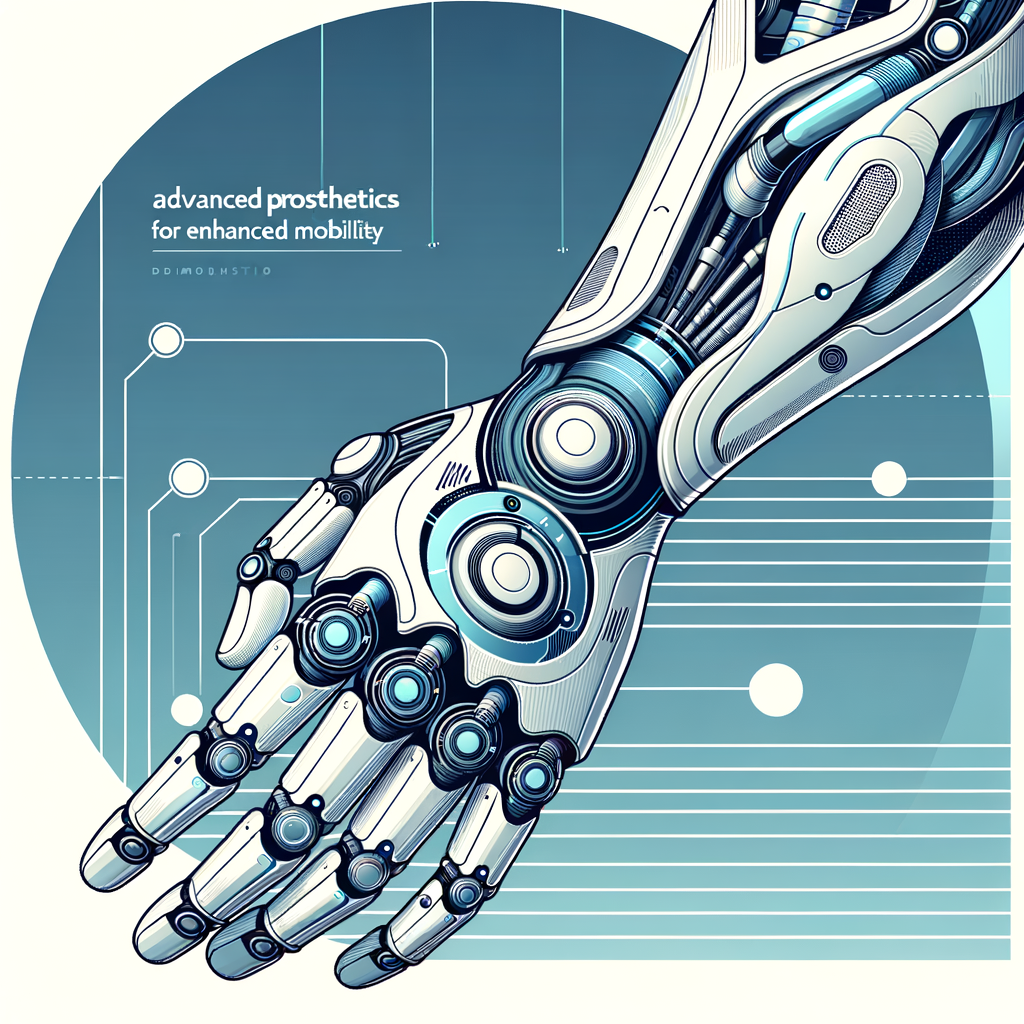
One of the most significant ways 3D printing is enhancing accessibility is through the development of custom prosthetics. Traditional prosthetic manufacturing is often time-consuming and costly, requiring several fittings and adjustments to ensure a proper fit and function. In contrast, 3D printing enables the creation of highly tailored prosthetics that match the exact specifications of the user, providing a more comfortable and effective solution.
For instance, children who need prosthetics can benefit immensely from 3D printing. As they grow, their needs change, and traditional prosthetics must be frequently replaced. 3D printing allows for rapid and affordable adjustments, accommodating growth and offering children the freedom to engage in various activities without the hindrance of ill-fitting devices. Organizations such as E-Nable are leveraging 3D printing to produce custom prosthetic hands for children all over the world, often at a fraction of the traditional cost.
The impact of 3D-printed prosthetics extends beyond children. Adults with specific needs or those who engage in particular activities can also benefit from customized solutions. For example, athletes can receive prosthetics designed for specific sports, enhancing performance and reducing the risk of injury. Older adults can obtain devices that cater to mobility challenges, improving their quality of life and independence.
Adaptive Tools and Devices
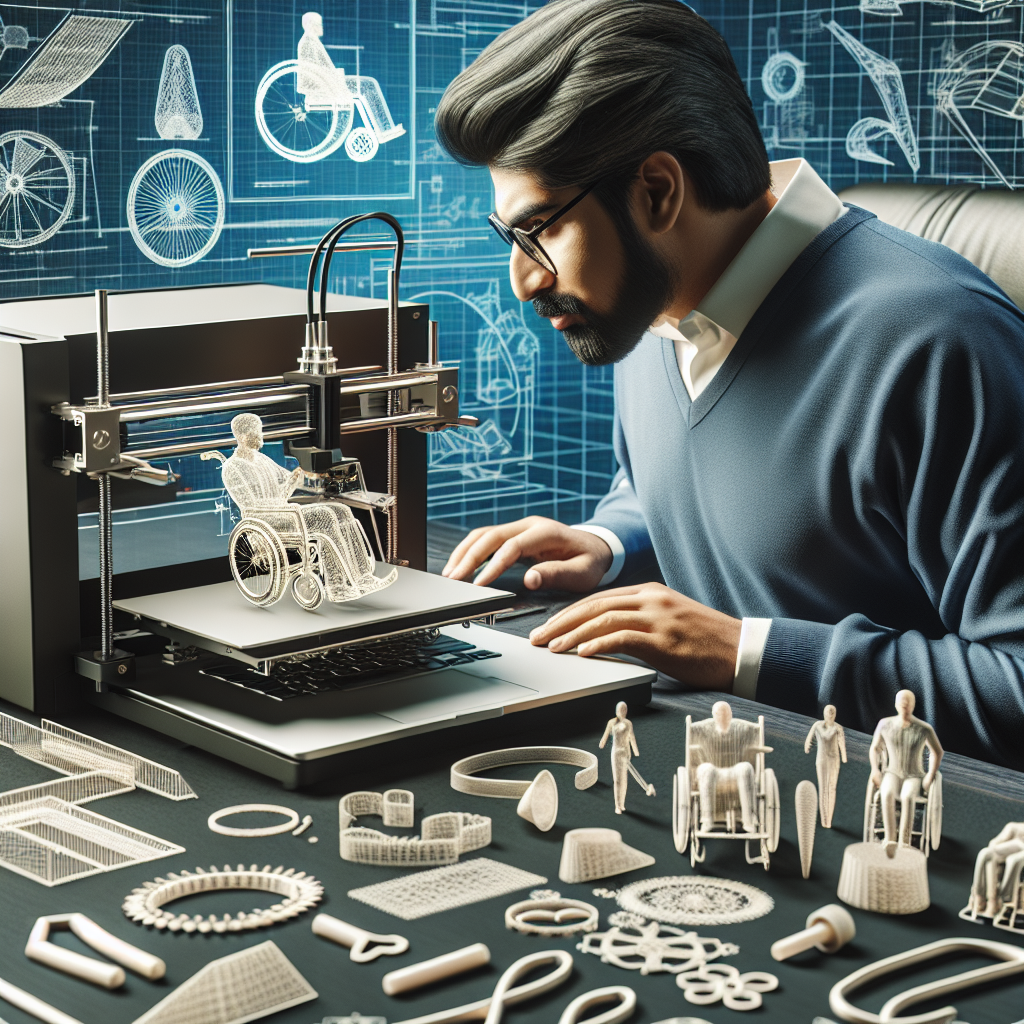
3D printing isn’t limited to prosthetics; it also offers immense potential in creating adaptive tools and devices that cater to specific needs. Everyday tasks that most people take for granted, such as opening a door, holding a utensil, or using a smartphone, can pose significant challenges for individuals with disabilities. 3D printing enables the creation of personalized tools that enhance the usability and accessibility of various objects.
Adaptive utensils, for example, can be designed with customized handles that fit comfortably in an individual’s hand, making it easier for those with limited grip strength or dexterity to eat independently. Similarly, key holders, bottle openers, and other assistive gadgets can be tailored to provide better leverage and ease of use. Custom smartphone mounts and controllers ensure that individuals with mobility limitations can efficiently use their devices, paving the way for more seamless integration into everyday life.
These small but significant innovations can dramatically enhance the quality of life for people with disabilities, providing them with the tools they need to navigate their environment independently. Moreover, the affordable nature of 3D printing means that these customized solutions can reach a broader audience, breaking down financial barriers to accessibility.
Education and Employment Opportunities
The ADA emphasizes the importance of equal opportunities in education and employment for individuals with disabilities. 3D printing is playing a pivotal role in breaking down barriers in these areas by creating custom solutions that cater to specific needs, thereby leveling the playing field.
In educational settings, 3D-printed tools and aids can enhance the learning experience for students with disabilities. For instance, tactile learning materials such as braille maps, models, and diagrams can be easily produced, providing visually impaired students with better access to educational content. Adaptive writing tools and ergonomic desk accessories can assist students with mobility challenges, ensuring they have the necessary resources to succeed academically.
Similarly, in the workplace, 3D printing can create customized solutions that support employees with disabilities. Ergonomic office equipment, specialized work tools, and customized computer peripherals can be tailored to meet individual needs, ensuring a more inclusive and productive work environment. By addressing specific challenges through personalized solutions, 3D printing helps create a more diverse and inclusive workforce, aligning with the principles of the ADA.
The Role of Innovation Hubs and Makerspaces
Innovation hubs and makerspaces are becoming integral to the development and dissemination of 3D-printed accessibility solutions. These collaborative environments bring together innovators, designers, engineers, and individuals with disabilities to co-create and refine solutions that address specific accessibility challenges.
Makerspaces, equipped with 3D printers and other fabrication tools, provide a platform for rapid prototyping and experimentation. This accessibility to cutting-edge technology enables anyone with a creative idea to develop and test new assistive devices quickly. Furthermore, the collaborative nature of these spaces fosters a community-driven approach to problem-solving, ensuring that the solutions developed are user-centered and highly effective.
These innovation hubs often serve as a bridge between different sectors, including academic institutions, healthcare providers, and disability advocacy organizations. By facilitating cross-disciplinary collaboration, they promote the exchange of ideas and expertise, accelerating the development of innovative solutions. This synergy not only drives technological advancements but also ensures that the resulting products are grounded in real-world needs and experiences.
Challenges and Future Directions
While 3D printing holds immense promise for enhancing accessibility, it is not without its challenges. One significant challenge is the need for high-quality digital designs and the technical expertise required to create and modify them. Individuals or organizations looking to develop custom solutions must have access to skilled designers and engineers who can translate real-world needs into functional digital models.
Another challenge is the durability and safety of 3D-printed materials. While 3D printers can use various materials, not all of them are suitable for creating durable, long-lasting prosthetics or assistive devices. Ongoing research and development are essential to improve the quality and properties of 3D-printing materials to ensure that they meet safety and performance standards.
Despite these challenges, the future of 3D printing in accessibility looks promising. Advances in technology and materials, coupled with growing awareness and support for inclusive design, will continue to drive innovation in this field. Collaboration between various stakeholders, including technologists, healthcare providers, educators, and individuals with disabilities, will be crucial in overcoming existing challenges and unlocking the full potential of 3D printing for accessibility.
Conclusion
The intersection of the Americans with Disabilities Act and 3D printing technology is a testament to how far we’ve come in supporting individuals with disabilities. By leveraging the capabilities of 3D printing, we can create customized, cost-effective, and innovative solutions that significantly enhance the accessibility and independence of people with disabilities. From prosthetics and adaptive tools to educational aids and workplace accommodations, 3D printing is transforming the way we approach accessibility and ensuring that everyone has the opportunity to live a fulfilling and independent life.
As we continue to explore the possibilities of 3D printing, it’s essential to remain committed to the principles of the ADA and work collaboratively towards a more inclusive future. By fostering innovation, encouraging cross-disciplinary collaboration, and addressing the unique needs of individuals with disabilities, we can unlock the true potential of 3D printing technology and create a world where accessibility is no longer an obstacle but a given.
Frequently Asked Questions
1. How is 3D printing being used to create custom accessibility solutions?
3D printing, a groundbreaking technological advancement, is transforming the creation of custom accessibility solutions by providing highly personalized products tailored to the unique needs of individuals with disabilities. Unlike traditional manufacturing, which often involves mass production and standard sizing, 3D printing emphasizes customization. This means that accessibility solutions can be specifically designed to fit an individual’s body dimensions, preferences, and functional needs. For instance, assistive devices like customized grips for utensils, adaptive gaming controllers, or personalized prosthetic limbs are now possible, empowering individuals to engage more fully in daily activities with increased independence and confidence. By using accessible design software, individuals can co-create the solutions they need, ensuring that the final product truly meets their requirements.
2. What makes 3D printing a better option for accessibility solutions compared to traditional methods?
3D printing offers several advantages over traditional manufacturing techniques when it comes to accessibility solutions. One major benefit is rapid prototyping, which allows for quick iterations and adjustments to designs based on user feedback. This means that solutions can be refined to better meet individual needs without significant delays or costs. Additionally, 3D printing reduces production costs associated with tooling and labor, making it more economically viable to produce bespoke items that would otherwise be cost-prohibitive using conventional manufacturing. Moreover, 3D printing supports localized production, meaning that necessary items can be produced closer to home or even directly from a user’s location using personal 3D printers. This democratization of production helps eliminate barriers to access, allowing individuals with disabilities to obtain the tools they need quickly and efficiently.
3. Can 3D printing help improve mobility devices for individuals with disabilities?
Absolutely, 3D printing is revolutionizing the way mobility devices are designed and produced, thereby enhancing their functionality and user experience. These devices include wheelchairs, walkers, and prosthetics, among others. With 3D printing, each mobility device can be customized to the user’s specific physical requirements and preferences, ensuring a better fit and comfort. For example, imagine a wheelchair with custom-shaped handles or seat padding that mirrors the user’s posture for optimal support. In the same vein, prosthetic limbs can be made lighter, more durable, and more aesthetically pleasing, closely matching the individual’s skin tone and personal style. The ability to rapidly test and iterate on designs also allows developers to refine the ergonomics and durability of mobility aids, significantly improving the user’s daily life.
4. What role does the ADA play in the development and implementation of 3D printed accessibility solutions?
The Americans with Disabilities Act (ADA) plays a crucial role in incentivizing and guiding the development of 3D printed accessibility solutions. By mandating equal access and opportunities for individuals with disabilities, the ADA has laid the groundwork for innovation in technology and design that supports inclusivity and accessibility. This legal framework encourages the ongoing exploration and adoption of cutting-edge technologies like 3D printing to meet accessibility standards. Moreover, organizations and businesses are driven to comply with ADA requirements by seeking solutions that efficiently fulfill both functionality and comfort for users, two aspects greatly facilitated by the customization potential of 3D printing. Furthermore, the ADA’s focus on inclusion and equity aligns well with the ideals of co-creation in 3D design processes, where individuals can be actively involved in crafting their assistive devices or any other accessibility solutions.
5. What are some real-world examples of 3D printed accessibility solutions currently in use?
The real-world applications of 3D printed accessibility solutions are expanding rapidly, with numerous innovative examples already in practice. One notable instance is the production of custom orthotics and prosthetics, where designers and engineers collaborate to create devices tailored to the precise measurements and functional requirements of individual users. Another example is the development of tactile maps for the visually impaired, utilizing 3D printing to render detailed, touch-sensitive maps that offer spatial awareness of physical spaces like buildings and public transportation systems. Adaptive sports equipment is another exciting avenue, where 3D printing facilitates the customization of sporting gear to accommodate specific needs, thus promoting inclusivity in sports activities. In educational settings, tools like braille books, tactile learning aids, and adaptive desk accessories are being 3D printed to support students with varying disabilities, significantly enhancing their learning experiences. These examples highlight the transformative potential of 3D printing in creating access where it may have been previously challenging or nonexistent.