Disability advocacy movements have gained significant traction across the globe, effectively pushing for equality, accessibility, and an end to discrimination against individuals with disabilities. These movements are powered by various organizations, activists, and campaigns that aim to protect and promote the rights of people with disabilities. Understanding these movements, their key players, and campaigns is crucial for fostering a more inclusive society. This topic matters because more than a billion people, constituting approximately 15% of the world’s population, experience some form of disability. Their rights often remain marginalized, making advocacy and awareness critical. As society becomes more aware of the inequalities faced by disabled individuals, these initiatives play a pivotal role in driving systemic change.
Key Advocacy Organizations
Numerous organizations worldwide are central to disability advocacy, each with distinct missions and impactful campaigns. One primary example is the International Disability Alliance (IDA). IDA unites multiple organizations to advance disability rights on a global scale. Through lobbying efforts and partnerships with the United Nations, IDA strives to ensure that international human rights standards include a focus on disabilities.
Another prominent player is Disabled Peoples’ International (DPI), which commits to creating a more inclusive world through advocacy and awareness campaigns. Founded in 1981, DPI operates locally and globally, advocating for equal opportunities and fighting discrimination against disabled individuals. These organizations demonstrate the power of unity in mobilizing large-scale change, using both grassroots and governmental approaches.
Influential Campaigns and Initiatives
Disability advocacy movements are significantly powered by impactful campaigns and initiatives. One notable campaign is the WeThe15 initiative. Launched in 2021, WeThe15 is a global human rights movement aiming to represent the world’s 1.2 billion people with disabilities. This initiative seeks to end discrimination by promoting inclusivity in sport, human rights, policy, and more.
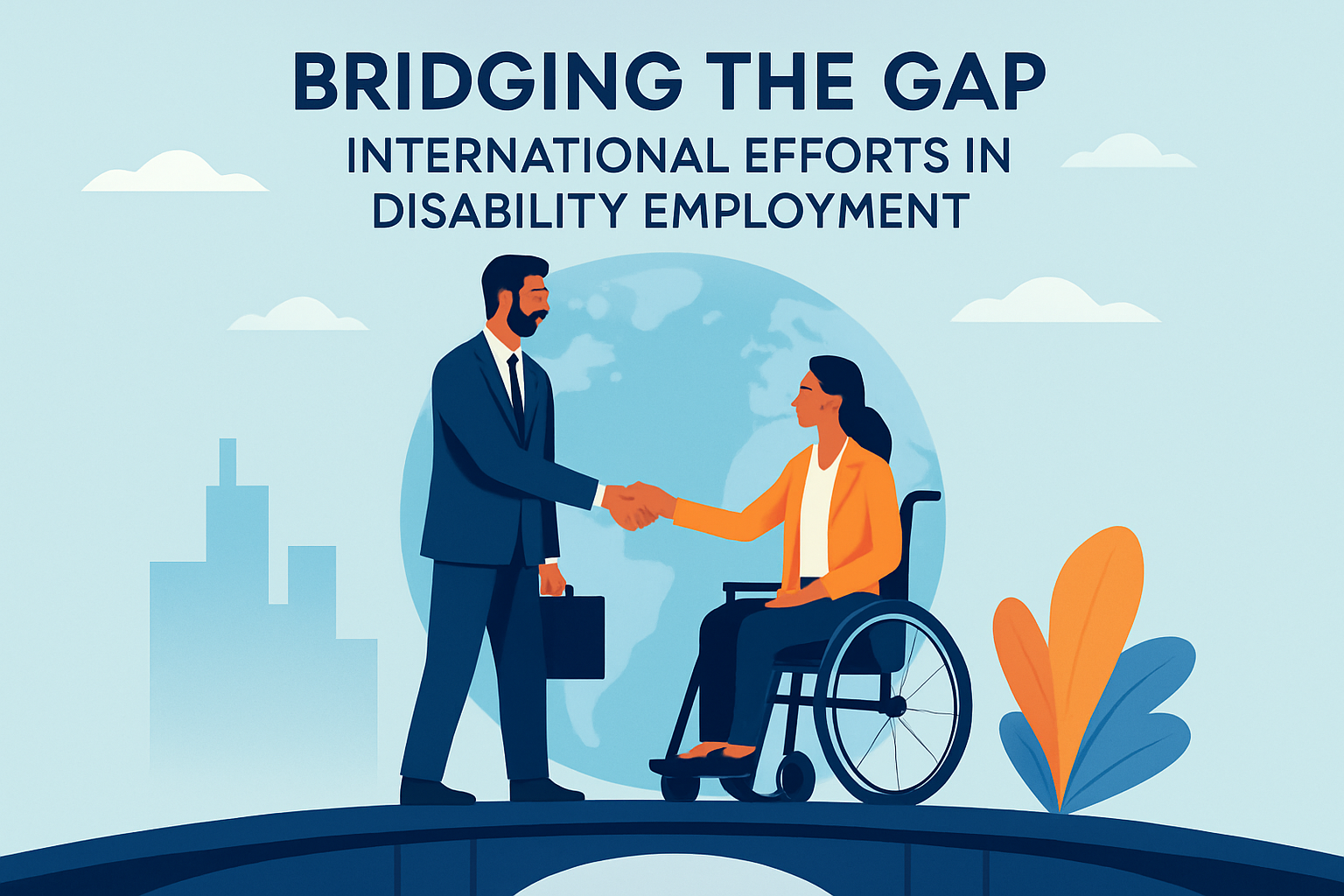
Similarly, The Valuable 500 stands out by combining advocacy with corporate responsibility. It encourages businesses to engage in inclusive practices, hence reshaping the role of corporations within the disability movement. By re-evaluating employment practices and workplace policies, The Valuable 500 helps global companies understand and implement disability inclusion.
- WeThe15: Global initiative for disability inclusion
- The Valuable 500: Corporate-focused inclusion initiative
Successful Local Advocacy Movements
Local movements also play a crucial role in disability advocacy. In Australia, the Every Australian Counts campaign was pivotal in advocating for the introduction of the National Disability Insurance Scheme (NDIS). It facilitated disability services reform, emphasizing the importance of community-driven advocacy in effecting national change.
In India, India’s National Centre for Promotion of Employment for Disabled People (NCPEDP) has been instrumental. By focusing on employment rights and accessibility, the NCPEDP addresses discrimination in the workplace, campaigning for better integration of disabled individuals within the workforce.
Empowering Self-Advocacy
Empowerment through self-advocacy is a fundamental component of modern disability movements. Organizations like Self Advocates Becoming Empowered (SABE) foster environments where individuals with disabilities are encouraged to speak for themselves, shaping policy and influencing decisions that affect their lives directly.
For example, a notable effort in the United States is led by Autistic Self Advocacy Network (ASAN), which provides a platform for autistic individuals to promote their interests. Through educational programs and policy advocacy, ASAN empowers self-representation and challenges societal norms around autism and disability.
The Impact of Social Media on Advocacy
Social media has revolutionized how disability advocacy movements operate. Platforms like Twitter and Facebook provide accessible channels for raising awareness and organizing actions globally. Campaigns such as #CripTheVote have effectively mobilized people with disabilities to participate in political processes.
Similarly, viral movements like #AccessibilityMatters bring vital conversations into digital spaces, highlighting the importance of inclusivity in digital and physical environments. Through these channels, individuals and organizations amplify their messages, fostering broader societal change.
Challenges Facing Disability Advocacy Movements
Despite significant progress, disability advocacy movements face numerous challenges. Misunderstandings about disabilities remain prevalent, resulting in inequalities that persist across various sectors of society. Funding limitations often restrict the scale and reach of advocacy campaigns. Additionally, varying legislative environments in different countries can make cohesive global advocacy challenging.
| Challenge | Impact |
|---|---|
| Lack of Awareness | Continued discrimination and stigma |
| Funding Limitations | Restricted campaign reach and effectiveness |
| Legislative Inconsistencies | Fragmented global efforts |
Future of Disability Advocacy
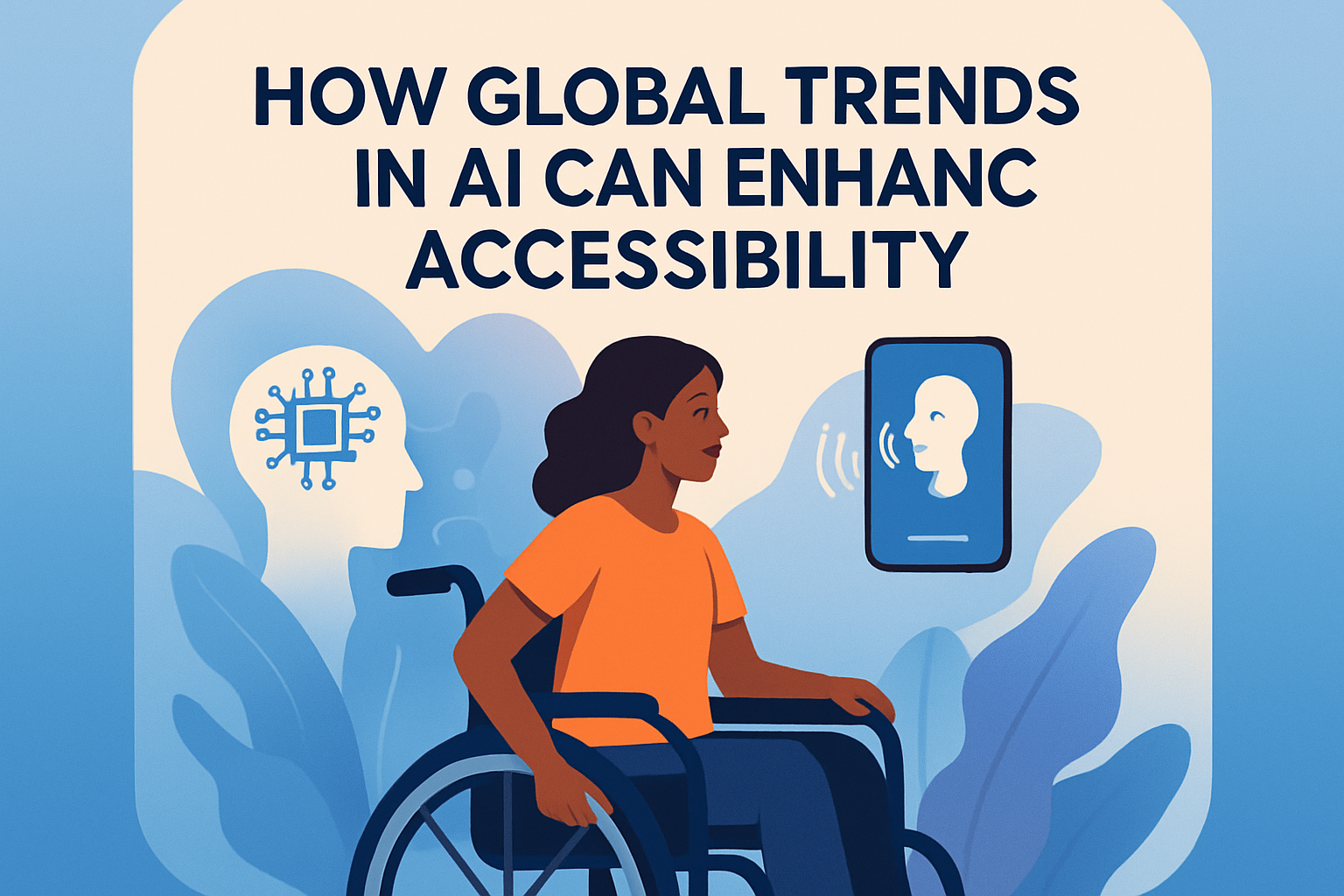
The future of disability advocacy is promising, with new technologies offering innovative ways to support these movements. For instance, advancements in assistive technologies are enhancing the independence of individuals with disabilities, fostering greater societal integration.
Moreover, the growing emphasis on intersectionality within advocacy efforts recognizes the diverse experiences faced by individuals with disabilities, leading to more comprehensive and nuanced advocacy strategies. The continued evolution of these movements relies on collaboration across international, national, and local levels, fostering environments that ensure accessibility and equity for all.
Conclusion
Disability advocacy movements are vital for enacting systemic change and ensuring the rights of people with disabilities are recognized and respected globally. Key organizations and influential campaigns are bringing attention to these issues, driving legislative and social change. By understanding the challenges faced and the efforts in place, individuals can become allies in fostering inclusive environments. As global awareness of disability rights continues to grow, opportunities for involvement in advocacy increase, offering tangible ways to contribute toward an equitable future for all.
The fundamental takeaway is that disability advocacy is not just the responsibility of those directly affected, but of society as a whole. By supporting these movements through awareness, donations, or advocacy, individuals can drive positive changes that eliminate barriers and promote equal opportunities for people with disabilities. Together, we can ensure our communities and systems reflect the diversity and vibrancy of every individual, regardless of ability.
Take action today. Engage with local advocacy groups, educate others, and advocate for inclusive policies within your own networks. By becoming active participants in global disability advocacy movements, we contribute to dismantling barriers and creating a more just and inclusive world for everyone.
Frequently Asked Questions
1. What are global disability advocacy movements, and why are they important?
Global disability advocacy movements are organized efforts that focus on promoting the rights and well-being of individuals with disabilities worldwide. These movements are vital because they strive to ensure equal opportunities and foster an inclusive environment where people with disabilities can participate fully in society without facing discrimination or barriers. They emphasize the importance of accessibility in public spaces, employment, education, and more. By advocating for policies and legislation that protect the rights of disabled individuals, these movements work towards dismantling societal prejudices and discrimination. In essence, they endeavor to create a world where people with disabilities are respected, their rights are upheld, and their contributions are valued.
2. Who are the key players in these global disability advocacy movements?
Key players in global disability advocacy movements include a wide range of organizations, activists, and influential individuals dedicated to change. Some prominent organizations include the International Disability Alliance (IDA), which works on an international platform advocating for the rights of disabled people through collaboration and policy development. There’s also the World Institute on Disability, known for their research and policy advocacy. Additionally, individuals like Judy Heumann, a renowned disability rights advocate, have played a significant role in championing disability rights legislation. National-level organizations also contribute significantly to these movements, such as the American Association of People with Disabilities (AAPD) and the UK’s Disability Rights UK, which focus on domestic issues and policies. Together, these players form a robust network that collaborates, strategizes, and pushes for systemic change on a global scale.
3. Can you highlight some successful campaigns associated with these movements?
One of the most notable campaigns is the “Nothing About Us Without Us” movement, which emphasizes that no policy or decision should be made without the direct involvement of those affected, in this case, individuals with disabilities. This slogan has been pivotal in shifting the discourse around disability rights, pushing for greater representation and involvement in decision-making processes. Another significant campaign is the “Accessible Transportation for All” initiative, which advocates for public transportation systems to be inclusive and accommodating to all users, regardless of their physical abilities. The right to access public and private spaces through improved infrastructure and technology has also been a focal point for campaigns like the “Accessible Cities” initiative, which lobbies for urban environments designed for all citizens. These campaigns highlight the tangible actions networks and organizations take to ensure a truly inclusive society.
4. How can individuals contribute or get involved in disability advocacy movements?
There are several ways individuals can contribute or get involved in disability advocacy movements. One way is through direct volunteering with advocacy groups or organizations focusing on disability rights, by participating in campaigns, events, or as part of their daily operations. Educating oneself and spreading awareness within your community is also crucial; understanding the issues individuals with disabilities face and advocating for their rights within your circles can make a substantial difference. Additionally, individuals can support through donations to reliable organizations that work tirelessly in this field. Participating in protests or campaigns, whether online through social media or in person, also amplifies the voices of those within the movements. Lastly, communicating with local representatives or policymakers to push forward disability-friendly legislation can help in creating systemic, long-lasting change.
5. What are the greatest challenges facing global disability advocacy movements today?
Global disability advocacy movements face numerous challenges, including systemic societal attitudes towards people with disabilities that persist in many cultures. Despite progressive changes in some parts of the world, stigma and discrimination are still deeply entrenched, often influenced by historical, cultural, or religious beliefs. Another significant challenge is the lack of sufficient funding and resources, which are crucial for sustaining long-term advocacy efforts and projects, particularly in low-income regions where such resources are exceedingly scarce. Additionally, there’s often a lack of representation in political spaces, where decision-making typically occurs. Policies may not fully address the needs of disabled individuals due to insufficient consultation. Moreover, global disparities in disability rights protection, where some regions remain far behind in acknowledging and implementing essential accessibility requirements, continue to pose significant hurdles for the movements. Addressing these challenges requires concerted global efforts, enduring advocacy, and heightened public awareness.