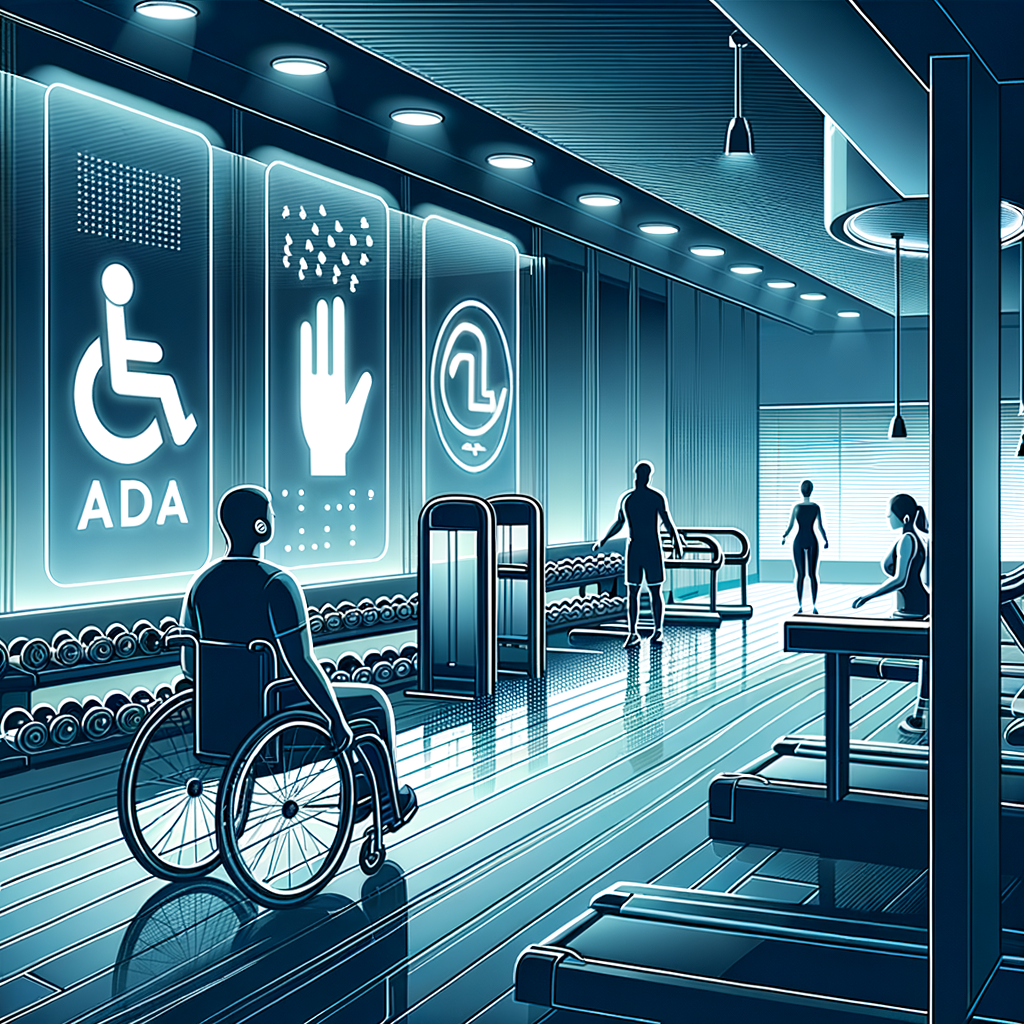
The significance of fitness and wellness centers in promoting a healthier lifestyle is undeniable. However, it is crucial for these facilities to be accessible to everyone, including individuals with disabilities. The Americans with Disabilities Act (ADA), enacted in 1990, prohibits discrimination based on disability and mandates equal access to public spaces. This makes ADA compliance a critical aspect of fitness and wellness centers’ design and operation. Ensuring accessibility not only fulfills a legal obligation but also expands the consumer base and promotes inclusivity. This article explores ADA compliance in fitness and wellness centers, elucidating its importance, challenges, strategies for implementation, and benefits that follow adherence. Through a comprehensive look into various facets of ADA compliance, owners and operators can better understand how to create an inclusive environment that caters to all individuals, regardless of physical abilities. As we delve deeper, we will provide actionable insights and highlight the broader implications of ADA compliance in the fitness industry.
The Importance of ADA Compliance in Fitness Centers
ADA compliance in fitness and wellness centers is not just a legal requirement but a moral and ethical responsibility. By ensuring accessibility, facilities demonstrate a commitment to inclusivity and equality. In the United States alone, approximately 61 million adults live with a disability, illustrating the substantial portion of the population that could be excluded if facilities are not compliant. Accessibility extends the benefits of physical fitness to individuals with disabilities, promoting health and well-being irrespective of physical limitations.
From a business perspective, ADA compliance can increase a fitness center’s customer base. Accessibility makes a center more welcoming and convenient for individuals with disabilities and their families, who may accompany them during visits. This increases membership opportunities and leads to enhanced customer satisfaction and retention. Further, ADA compliance can substantially boost a facility’s reputation, establishing it as a social responsibility advocate and distinguished player in the industry.
The legislative landscape surrounding ADA compliance underscores its significance. Non-compliance could result in hefty fines and legal action, proving detrimental to both an organization’s finances and brand reputation. Thus, ensuring ADA compliance is not just about meeting legal necessities but fostering a supportive environment for all patrons, emphasizing communal health and inclusivity.
Challenges of Achieving ADA Compliance
While ADA compliance is essential, it poses several challenges for fitness and wellness center owners and operators. Primarily, understanding and interpreting ADA regulations can be complex. The Act lays out several general requirements without exhaustive specifics, leaving room for interpretation, which can result in mistakes or oversights. Furthermore, the nature of fitness centers, with varied equipment, layouts, and services, adds additional layers of complexity when ensuring compliance throughout the space.
Renovation or construction costs swiftly emerge as another obstacle for achieving ADA compliance. Retrofitting existing structures to align with ADA guidelines can entail significant financial outlay, especially for smaller facilities or independently-owned gyms with limited budgets. Similarly, newer establishments may face increased initial construction costs to incorporate accessible design from the onset.
The third challenge involves staff training and awareness. Accommodating individuals with disabilities requires more than just physical modifications; staff must also receive adequate training to understand accessibility needs. Without trained employees, even the most ADA-compliant facility may fall short in providing satisfactory experiences to individuals with disabilities.
Lastly, balancing aesthetic and functional aspects poses an obstacle. Fitness centers often aim to project a specific brand image and experience through their physical spaces. Integrating ADA-compliant features while maintaining aesthetic appeal can be challenging, necessitating creative and innovative solutions to address visual and functional demands concurrently.
Strategies for ADA Compliance Implementation
To successfully navigate the terrain of ADA compliance, fitness and wellness centers should develop and implement comprehensive strategies. Starting with a detailed understanding of ADA guidelines is paramount. Engaging with ADA specialists can provide clarity and help tailor compliance to the specific operational needs of the center. Regular seminars and workshops for managerial staff also fortify comprehension, equipping them to lead compliance initiatives effectively.
Conducting an accessibility audit is a pragmatic initial step in identifying areas of non-compliance. These assessments, performed by professional auditors or in-house teams familiar with ADA requirements, spotlight improvement opportunities and guide necessary renovations or adjustments. Utilizing technology, such as mobile apps designed to measure accessibility, can further streamline assessments and recommendations.
Incorporating universal design principles in facility layouts ensures inherent ADA compliance. Universal design posits creating environments accessible to all, regardless of age or ability, from the outset. This proactive approach curbs the need for retrofitting and resolves potential non-compliance issues before they arise. Moreover, when using universal design, spaces naturally evolve to accommodate future accessibility needs without substantial overhaul costs.
Staff education and training are instrumental components of an ADA compliance strategy. Regular training sessions and workshops educate staff members on interacting proficiently with individuals with disabilities, understanding their needs, and addressing any accessibility challenges they might face. Furthermore, appointing an ADA coordinator within the facility can ensure a dedicated focus on access-related issues, managing complaints, and upholding the set standards.
Finally, cultivating partnerships with disability advocacy groups provides valuable insights and resources for enhancing accessibility. Input from people with disabilities can guide practical improvements, considering real-world experiences and expectations, while collaboration with these groups may also facilitate targeted promotional efforts for the center.
Benefits of ADA Compliance in Fitness Centers
The advantages of adhering to ADA compliance extend beyond legal compliance and customer satisfaction. Firstly, ADA compliance promotes social inclusivity by ensuring individuals with disabilities are equally able to partake in physical activities conducive to mental and physical health. This shared engagement positively impacts community health metrics and fosters a spirit of unity through collective participation in wellness pursuits.
Financially, ADA compliance broadens a facility’s target market. As previously mentioned, individuals with disabilities represent a significant demographic keen on engaging with fitness services. By making facilities accessible, centers can tap into this market, boosting memberships and retention rates. The enhanced service satisfaction also promotes word-of-mouth marketing and favorable reviews, further driving business growth.
An ADA-compliant facility invariably enhances employee education and engagement. Training programs necessary for compliance improve staff awareness and skillsets, fostering a more inclusive and responsive workplace environment. Increased job satisfaction and morale may result from the positive employee actions, contributing to a motivated team eager to assist all visitors.
From an operational perspective, ADA compliance encourages foresight in design processes. Facilities investing in ADA-compliant architecture integrate forward-thinking strategies that emphasize functionality, safety, and aesthetics. This strategic vision minimizes costly adjustments in the future, providing a setup ready to adapt to evolving needs without significant further expenditure.
Finally, compliance aligns with the ethical ethos of corporate social responsibility, vital to modern consumers increasingly conscious of ethical and sustainable business practices. ADA compliance signifies a facility’s commitment to societal values, enhancing its market image and long-term sustainability by aligning operations with conscientious practices.
Conclusion
In conclusion, ADA compliance in fitness and wellness centers is crucial for creating inclusive spaces that foster health and well-being for all members of the community, irrespective of physical abilities. Understanding the importance of such compliance extends into moral, ethical, and business realms, highlighting its integral role in contemporary operations. Although achieving ADA compliance presents challenges such as compliance complexity, financial constraints, and staff training limitations, it is not an insurmountable task. Through strategic initiatives, understanding the breadth of ADA guidelines, fostering universal design principles, and embracing staff education, facilities can successfully navigate compliance landscapes, ultimately nurturing rewarding environments for both patrons and staff members.
The benefits of ADA compliance are vast, ranging from increased market reach and customer satisfaction to positive cultural impacts and enhanced facility design. These advantages underscore ADA’s capacity to drive operational success while promoting values of equality and inclusivity. As society continues to prioritize accessibility, compliance with the ADA is not solely mandatory but a testament to a center’s dedication to universal wellness.
Ultimately, the pursuit of ADA compliance reflects a holistic appreciation of diversity and collective well-being. Fitness and wellness centers can become catalysts for positive societal change by embracing innovations and aligning operations with ADA requirements, broadening horizons for individuals with disabilities and setting benchmarks for accessibility excellence in the industry.