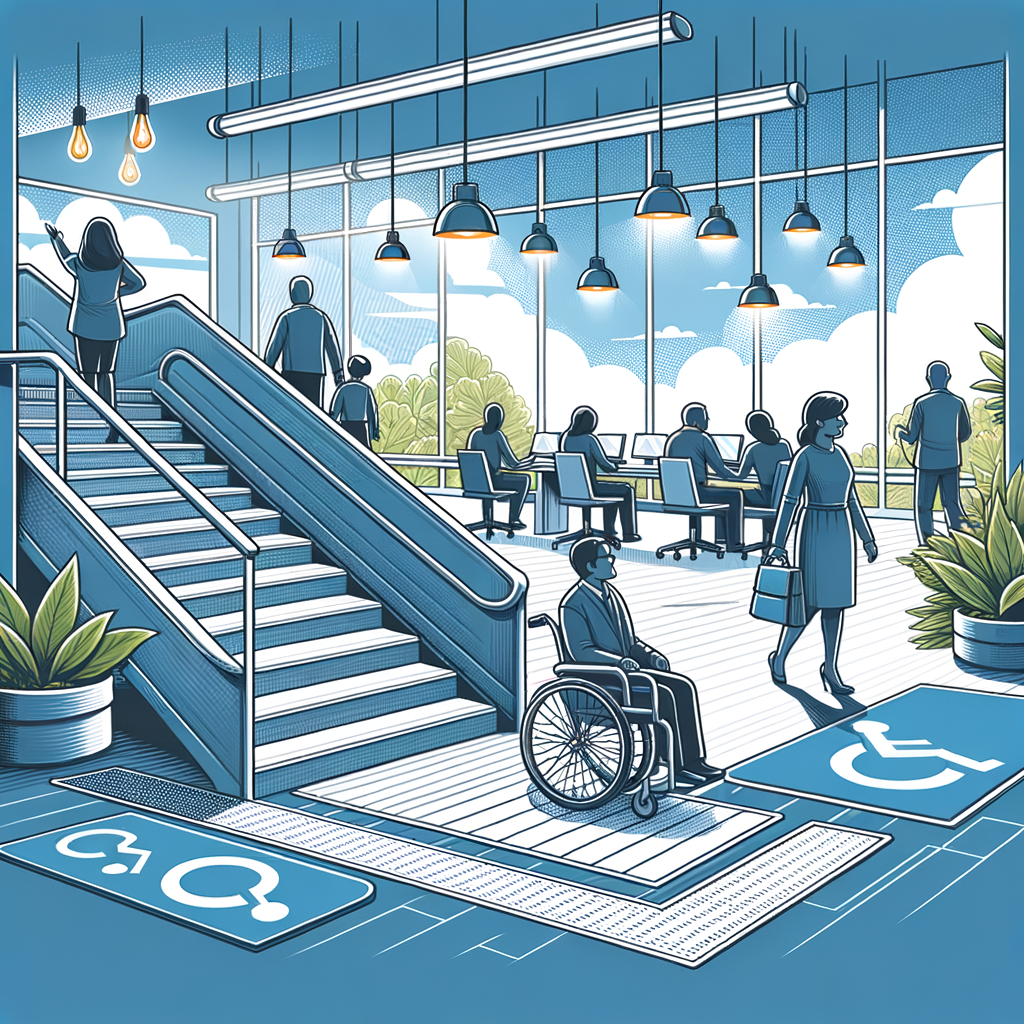
Ensuring compliance with the Americans with Disabilities Act (ADA) within educational institutions is both a legal obligation and a significant step towards inclusivity. The ADA is a civil rights law prohibiting discrimination against individuals with disabilities in all areas of public life. For educational institutions, this compliance ensures accessibility to programs, services, and activities. Navigating the complexities of ADA compliance can be daunting; however, it is integral to providing an equitable educational environment. This guide details critical steps and considerations needed for educational institutions to effectively adhere to ADA standards. Understanding these guidelines not only fulfills legal requirements but also supports diversity and inclusion by allowing all students equal access to educational opportunities.
Since the ADA’s inception in 1990, educational institutions have been challenged to adapt facilities, curriculum, and services to accommodate the needs of all students. Compliance isn’t a one-time effort but an ongoing process requiring vigilance and commitment. From physical accessibility to digital accommodations, the landscape of compliance continues to evolve. This process involves not just physical adaptations but also addressing systemic biases and fostering an educational climate that values and includes persons with disabilities. With cities growing and campuses expanding either physically or through online platforms, the scope of compliance has broadened significantly.
To create a truly inclusive educational environment, institutions must first understand the core ADA requirements. These guidelines are not merely regulatory hurdles but are essential shifts towards recognizing and integrating the diverse needs of today’s student body. Institutions must examine their policies, practices, and possible gaps, then take proactive measures to adjust. This includes training staff, investing in the right resources, and optimizing both physical premises and digital interfaces for accessibility.
This guide will dissect the key elements of ADA compliance for educational institutions. It covers what administrators need to prioritize to ensure compliance, alongside practical recommendations for addressing common challenges. Emphasizing both proactive planning and response strategies is fundamental to fostering an institution that uplifts students by removing barriers, paving the way for a fair and inclusive educational experience for all.
Understanding ADA Compliance in Education
The ADA encompasses several areas crucial to educational institutions, each demanding attention to detail and implementation. Primarily, compliance involves ensuring public access to institutional facilities, implementing communication aids, and creating digital content accessible to all students. Understanding these fundamental areas is the first step towards adoption.
Physical accessibility is a cornerstone of ADA compliance. According to the ADA Standards for Accessible Design, educational spaces must include ramps, elevators, wide doorways, accessible restrooms, and signage in Braille, among other features. Simple adjustments like furniture that can accommodate wheelchairs or reducing the height of service counters can have significant impacts.
Communication is another critical aspect where educational institutions must ensure that those with different kinds of disabilities can access information. Providing auxiliary aids and services is mandatory. This includes sign language interpreters, closed captioning for video content, and materials in alternative formats like Braille or large print. Ensuring that communication with individuals with hearing, vision, or speech impairments is as effective as communication with others is an institutional responsibility.
With technology’s role expanding rapidly, ensuring that digital content complies with ADA standards is paramount. This involves adopting standards like the Web Content Accessibility Guidelines (WCAG) for online materials and multimedia. Testing websites for screen reader compatibility, ensuring online forms are accessible, and providing text descriptions for images are essential practices. Institutions must advise faculty on guidelines for digital course materials, considering things like available plugins for accessibility and the usability of course management systems.
Steps to Ensure ADA Compliance
Institutions must develop a compliance plan that aligns with broader institutional goals. Starting with an access audit is a practical approach. This involves assessing current facilities and practices for barriers and planning improvements or retrofits where necessary. Educational institutions should involve individuals from a range of backgrounds and disabilities during audits to provide diverse perspectives on accessibility challenges.
Training and awareness are crucial. Institutions should organize regular training sessions for staff and faculty, emphasizing ADA guidelines and accommodating different disabilities. The focus should be on creating a culture of awareness and empathy. Encourage staff to engage with the experiences of students with disabilities, refining policies or practices that may inadvertently create barriers.
Moreover, forming an ADA compliance committee within the institution ensures that ongoing and emerging compliance issues are managed. Including stakeholders from various groups, such as faculty, administrative staff, students, and disability advocates, can provide comprehensive oversight and accountability. This committee should review policies regularly, keeping abreast of legal changes and technological advancements that influence compliance.
Documentation and record-keeping are vital. Making data-driven decisions requires accurate documentation of efforts toward ADA compliance. Maintain records of audits, staff training, feedback from persons with disabilities, and modifications implemented. This not only aids in understanding progress but is also necessary if disputes arise concerning compliance efforts. Utilizing templates and digital tools specifically created for accessibility documentation can further streamline this process.
Addressing Common Barriers and Solutions
Despite dedicated efforts, common barriers to compliance often arise, requiring strategic solutions. Physical accessibility issues may occur even in newer constructions. Leveraging software that simulates mobility limitations can highlight unforeseen obstacles during the planning stages of new projects.
Cost constraints are a universal challenge when making necessary changes for ADA compliance. To address financial limitations, institutions can explore grants and funding opportunities specifically earmarked for accessibility improvements. These financial resources, lessening the burden of costly accommodations, can be obtained from federal programs or special interest groups dedicated to disability rights.
Resistance to ADA implementation due to misperceptions of cost or necessity can also occur. This can be mitigated through transparent communication and highlighting case studies where ADA compliance has positively impacted educational outcomes. Engaging students and staff to advocate for these changes, and celebrating milestones publicly, can foster a culture that respects and values inclusivity.
Technological barriers currently present a significant challenge. Institutions often lag in adopting accessible technologies due to a lack of understanding or expertise. Bringing in experts or partnering with specialized companies that can provide up-to-date knowledge and solutions is beneficial. Hosting workshops or symposiums to familiarize the institution with cutting-edge accessibility technologies ensures the continuous evolution of digital accessibility efforts.
Maintaining Continuous Compliance
Continuous compliance is essential, requiring institutions to integrate ADA standards into their routine operational practices. Developing and regularly updating a comprehensive accessibility policy is imperative. Institutional leaders should publicize these policies campus-wide, integrating accessibility goals into the institution’s broader mission statement.
Regularly scheduled audits and evaluations should continue, even after initial compliance is achieved. Consistent assessments provide opportunities to refine strategies, keeping up with evolving best practices and innovations in accessibility. Engaging in peer reviews with other compliant institutions can offer fresh perspectives and foster a network of shared best practices.
Feedback from students and staff with disabilities should be continually solicited. Creating designated channels for feedback and grievance reporting helps institutions quickly address emerging issues. Anonymous surveys, suggestion boxes, or dedicated hotlines can be effective means of ensuring valuable insights are collected and acted upon.
Educational institutions need to prepare for natural evolutions in student needs, technological advances, and legal requirements related to ADA compliance. Adapting policies accordingly ensures students receive optimal support and access. Engaging in continuous professional development related to disability studies or accessibility law is an efficient method for staff to stay informed and proficient in handling compliance issues.
Conclusion
Ensuring ADA compliance is an ongoing commitment requiring educational institutions to foster an inclusive and accessible environment for all students. By understanding and implementing the core aspects of ADA standards, institutions not only fulfill legal obligations but also advance towards equity in education. A methodical approach to accessibility, involving regular audits, continuous training, and financial investment, strengthens institutional frameworks and supports diverse student needs.
The key to successful ADA compliance lies in the collaboration across the institution. Including diverse voices in the accessibility dialogue and ensuring accountability within institutional practices can create a transformative culture. This goes beyond meeting legal thresholds; it involves adopting a proactive, thoughtful stance in creating a supportive learning landscape for individuals with disabilities.
Future compliance efforts will necessarily adapt to technological evolutions and legislative updates. The challenge remains for institutions to remain flexible, reevaluating strategies and incorporating advancements to continuously eliminate barriers. Ignoring these facets risks not only legal repercussions but also deterring potential students and eroding institutional integrity. By ensuring compliance, educational institutions confirm their dedication to inclusivity, enhancing both educational quality and community impact.
Ultimately, the commitment to ADA compliance should reflect a broader dedication to acknowledging, respecting, and celebrating differences, thus contributing to a more inclusive society. Institutions have the potential to lead by example, promoting a culture of inclusivity that resonates beyond campus borders. This distinct awareness and dedication reinforce that accessibility in education is not only achievable but necessary for a just society.