The Americans with Disabilities Act (ADA), enacted in 1990, has long been a pillar of civil rights legislation targeted at eliminating discrimination against individuals with disabilities. Designed to ensure they have the same rights and opportunities as everyone else, the ADA mandates that employers provide reasonable accommodations to qualified employees. However, as work environments evolve, so too must the accommodations. Keeping abreast of the latest trends is crucial for employers seeking to maintain compliance and foster an inclusive workplace.
Recent years have seen a dynamic shift in how work environments are conceptualized, especially with the advent of technology and the increase of remote work propelled by the COVID-19 pandemic. This transformation has necessitated a reevaluation of what accommodations mean in a modern setting. With businesses increasingly recognizing the value a diverse workforce brings, there is a growing emphasis on not just compliance but also on ensuring that all employees, regardless of their capabilities, can effectively contribute and thrive.
Integrating Technology for Enhanced Accessibility
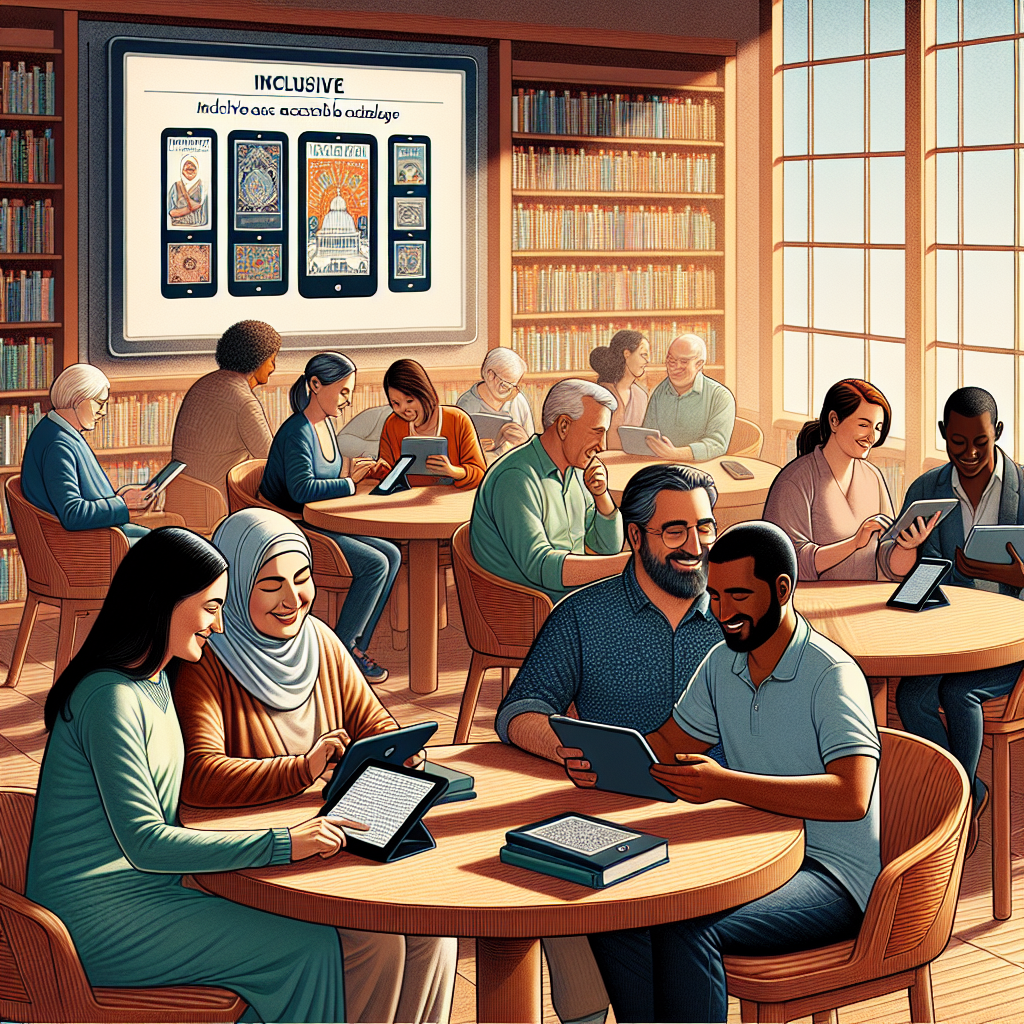
Technology continues to play a pivotal role in shaping how ADA accommodations are implemented. As companies innovate, they are discovering new ways to use technology to support employees with disabilities. From software that offers text-to-speech capabilities to sophisticated applications that convert spoken language into written text, technological advancements are breaking down barriers for those with auditory and visual impairments.
Additionally, digital platforms that facilitate remote communication have become more accessible, allowing employees who might find traditional office environments challenging to participate fully in meetings and collaborative projects. Virtual reality (VR) and augmented reality (AR) are also being explored for training and development purposes, offering immersive experiences tailored to individual needs and capabilities. By investing in these technological tools, companies not only comply with ADA requirements but also empower their workforce by providing tools to enable independence and productivity.
Remote Work as an Accommodation Model
The COVID-19 pandemic has fundamentally changed perceptions of remote work, which was once viewed as a privilege but now is increasingly seen as a viable accommodation strategy. For many individuals with disabilities, remote work provides a level of flexibility and comfort that traditional office settings cannot match. For example, those with mobility issues can benefit from not having to commute, while those with sensory sensitivities gain from controlling their work environment’s lighting and noise levels.
Employers looking to accommodate disability needs must recognize the potential of remote work arrangements. By establishing appropriate performance metrics and communication channels, companies can ensure that remote work remains effective and productive for all employees. This shift also necessitates updated policies and training programs to equip managers and colleagues with the skills needed to effectively support and engage with remote workers.
Awareness and Training Initiatives
Beyond adjusting physical and technological environments, cultivating an inclusive workplace culture begins with education. Increasingly, companies are turning to comprehensive ADA training programs to raise awareness about disabilities and the importance of accommodation. These programs aim to dispel myths, reduce stigma, and equip employees at all levels with the knowledge to support their peers effectively.
Training initiatives often include interactive workshops, e-learning modules, and webinars that cover ADA basics, potential accommodations, and how to foster respectful communication and engagement. This education is crucial not only for achieving compliance but also for building a workplace where diverse talents can thrive. An informed workforce can more readily identify access issues and initiate discussions on accommodations without feeling uncertain or apprehensive.
Enhancing the Physical Office Environment
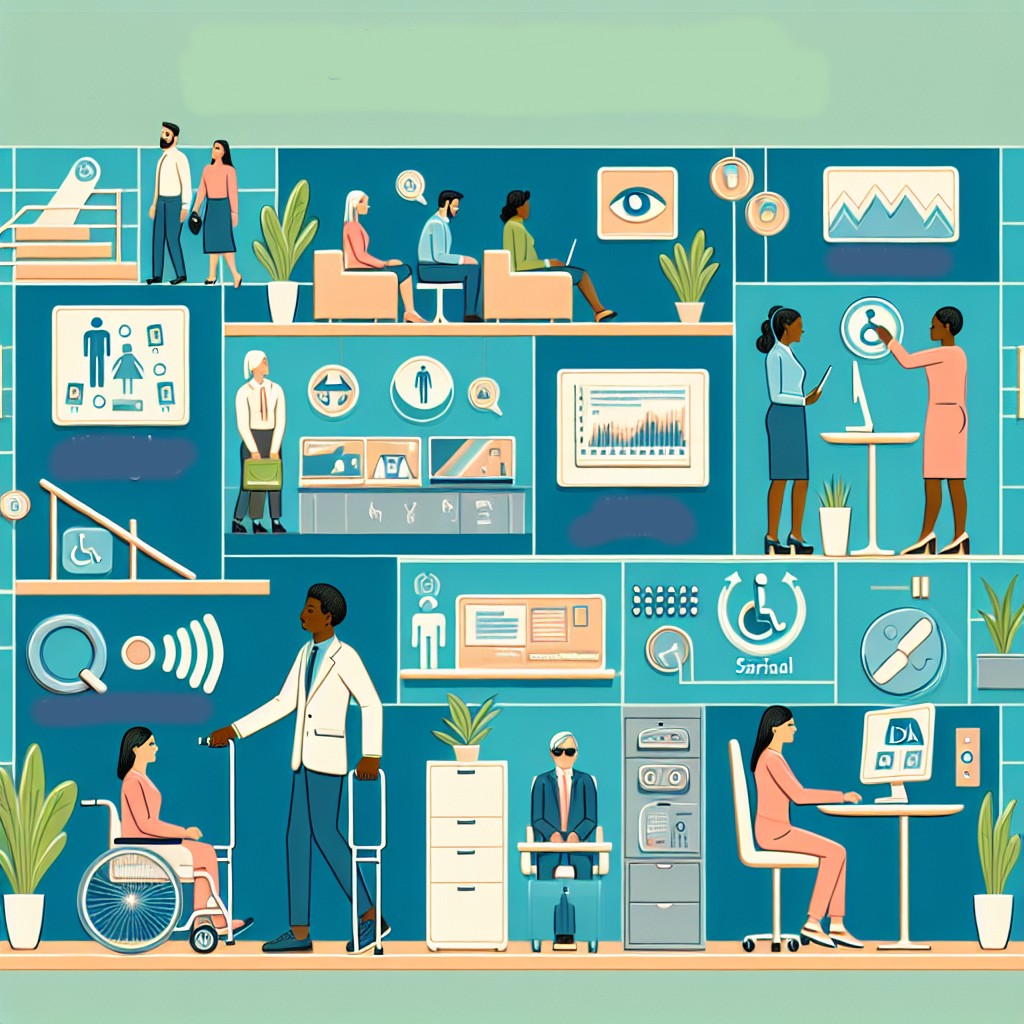
While remote work offers flexibility, physical office space remains essential for many companies. Emerging trends in office design focus on creating environments that are inherently accessible, going beyond mere compliance with ADA guidelines to ensure that all employees can function comfortably and effectively. This includes ergonomic furniture, navigable spaces, adjustable lighting, and assistive devices readily available on-site.
Some organizations are also implementing universal design principles, which emphasize inclusivity at all levels of space utilization. This involves creating common areas, restrooms, and meeting rooms that are accessible to everyone, ensuring seamless integration rather than segregating those with disabilities. As businesses invest in infrastructure that reflects these values, they demonstrate a commitment not merely to compliance but to genuine inclusivity.
Reflecting on Mental Health Accommodations
In recent years, a greater awareness of mental health issues has triggered a rethinking of ADA accommodations. Mental health conditions can significantly impact a person’s work performance, yet they often go unaddressed due to stigma or lack of understanding. Employers are increasingly recognizing the necessity of accommodations that support mental health, such as flexible scheduling, remote work opportunities, and designated quiet spaces.
By openly discussing mental health and accommodating related needs, companies create an environment where employees feel safe seeking help and disclosing conditions without fear of discrimination. This cultural shift in understanding mental health as an integral component of overall well-being within the workplace is a key emerging trend in ADA accommodations, promoting inclusivity and employee satisfaction.
Conclusion: Striving for Inclusivity Beyond Compliance
The evolution and emerging trends in ADA accommodations highlight the commitment to creating workplaces that are not merely compliant but genuinely inclusive of all employees’ needs. As businesses embrace technology, promote flexible working conditions, invest in training, revamp physical spaces, and acknowledge the importance of mental health, they set the stage for long-term success by unleashing the full potential of a diverse workforce.
Continuous engagement with updated legislative guidelines is essential for companies aiming to remain at the forefront of accessibility advancements. By embracing these changes proactively, employers forge a path towards a future where all employees can thrive without limitations imposed by their physical or mental circumstances. As awareness grows, the workplace will continue to evolve, transforming challenges into opportunities for growth and innovation.
Frequently Asked Questions
1. What are some of the emerging trends in ADA accommodations for remote work environments?
The shift towards remote work has accelerated due to the global pandemic, and this transition has spurred new trends in ADA accommodations. Chief among these is the emphasis on equipping employees with disabilities with the right technological tools to perform their duties effectively from home. For instance, there is a greater need for assistive technology like screen readers for those with visual impairments or speech-to-text software for employees with mobility impairments. Employers are also exploring virtual meeting platforms that offer closed captioning and other accessibility features to ensure full participation. Furthermore, maintaining clear communication and support systems has become a priority. Employers need to check in regularly with employees to assess their accommodations’ effectiveness and make any necessary adjustments. Overall, there is an ongoing focus on fostering inclusivity in remote settings by ensuring that all employees have equal access to resources and opportunities.
2. How are workplace accommodations evolving to better support mental health?
Recognizing that mental health is a significant aspect of employee well-being, employers are increasingly focusing on accommodations that address mental health needs. There is a shift towards creating more flexible work arrangements, such as adjustable work hours or offering mental health days, which provide employees with the ability to manage stress and other mental health conditions effectively. Employers are also investing in resources like Employee Assistance Programs (EAPs) that offer counseling and support services. Additionally, there’s a growing trend towards training programs that promote mental health awareness and educate the workforce about destigmatizing mental health issues. Encouraging open dialogues around mental health needs and being receptive to employee feedback about what works best for them are cornerstones of this evolving trend. The overall aim is to foster a supportive workplace culture where mental health is given the attention and resources it deserves and needs.
3. In what ways is technology playing a role in new ADA accommodations?
Technology is proving to be an incredible asset in expanding the possibilities for ADA accommodations. Cutting-edge software and hardware are being developed to enhance accessibility for employees with disabilities. For example, AI-driven programs can provide real-time transcription services in meetings, making communication more seamless for those who are hard-of-hearing. Advanced robotics and ergonomic devices are being used to support mobility for employees with physical disabilities. Additionally, cloud-based tools enable remote access to work systems, allowing employees with disabilities to have the same level of access to information as their colleagues. Virtual and augmented reality technologies are also being harnessed to create personalized workspace experiences that cater to individual needs. The integration of technology in workplace accommodations not only ensures compliance with ADA standards but also significantly enhances productivity and inclusivity.
4. How are employers addressing inclusivity beyond the traditional ADA accommodations?
Beyond the scope of traditional ADA accommodations, employers are adopting more comprehensive approaches to inclusivity. This includes fostering a workplace culture that values diversity and understands the importance of representation. Organizations are making conscious efforts to include people with disabilities in decision-making roles and policy formulation to ensure their voices and perspectives are heard and valued. Training programs that tackle unconscious bias and build cultural competencies are being implemented to create a more understanding and inclusive environment. Moreover, employers are acknowledging that accommodations are not one-size-fits-all; individual assessments and collaborative dialogue with employees are critical to tailor solutions that are specifically aligned with an employee’s unique needs. Providing career advancement and leadership opportunities for employees with disabilities is another way employers are promoting inclusivity beyond mere compliance.
5. What is the significance of continuous education and training in ADA accommodations?
Continuous education and training are vital in the realm of ADA accommodations to ensure that employers and employees keep up with the dynamic landscape of accessibility needs. As laws and technologies evolve, staying informed is crucial for maintaining compliance and fostering an inclusive work environment. Regular training sessions help staff understand their responsibilities under the ADA and equip them with the knowledge to identify and implement necessary accommodations. Such education also encourages a proactive approach to addressing accessibility challenges, minimizing the likelihood of discrimination or oversight. Through ongoing training, employers can cultivate an environment where every employee feels supported and valued, which in turn leads to higher productivity and job satisfaction. Furthermore, it enhances the company’s reputation as a fair and equitable employer, attracting a diverse talent pool.