In today’s world, the interplay between disability, technology, and employment is undergoing significant transformations, impacting millions across the globe. This dynamic relationship is particularly crucial as it holds the potential to redefine the workforce landscape, making it more inclusive and accessible than ever before. By examining how technology is reshaping opportunities for people with disabilities, we can uncover paths towards a more equitable society. Understanding these avenues is essential not just for those with disabilities, but for policymakers, employers, and communities striving for comprehensive inclusivity.
The Americans with Disabilities Act (ADA) of 1990 is a landmark civil rights law in the United States that prohibits discrimination based on disability. This legislation set the stage for various countries to adopt similar laws to protect the rights of individuals with disabilities in the workplace. However, the global landscape still presents challenges in achieving full employment equality. Key terms like “assistive technology,” “reasonable accommodation,” and “inclusive design” are becoming central in discussions about improving accessibility in work environments. But why does this matter across the globe?
Globally, over a billion people live with some form of disability, accounting for approximately 15% of the world’s population. In economic terms, excluding these individuals from the labor market is not just a social injustice; it also represents a significant loss of talent and productivity. Technological advancements provide new tools and capabilities to bridge these gaps, offering novel solutions to age-old challenges. With the transformative power of technology, the future of work for people with disabilities can be reimagined, fostering both innovation and equity. An inclusive workforce enhances creativity, broadens perspectives, and drives more robust solutions to global challenges.
Leveraging Assistive Technologies in the Workplace
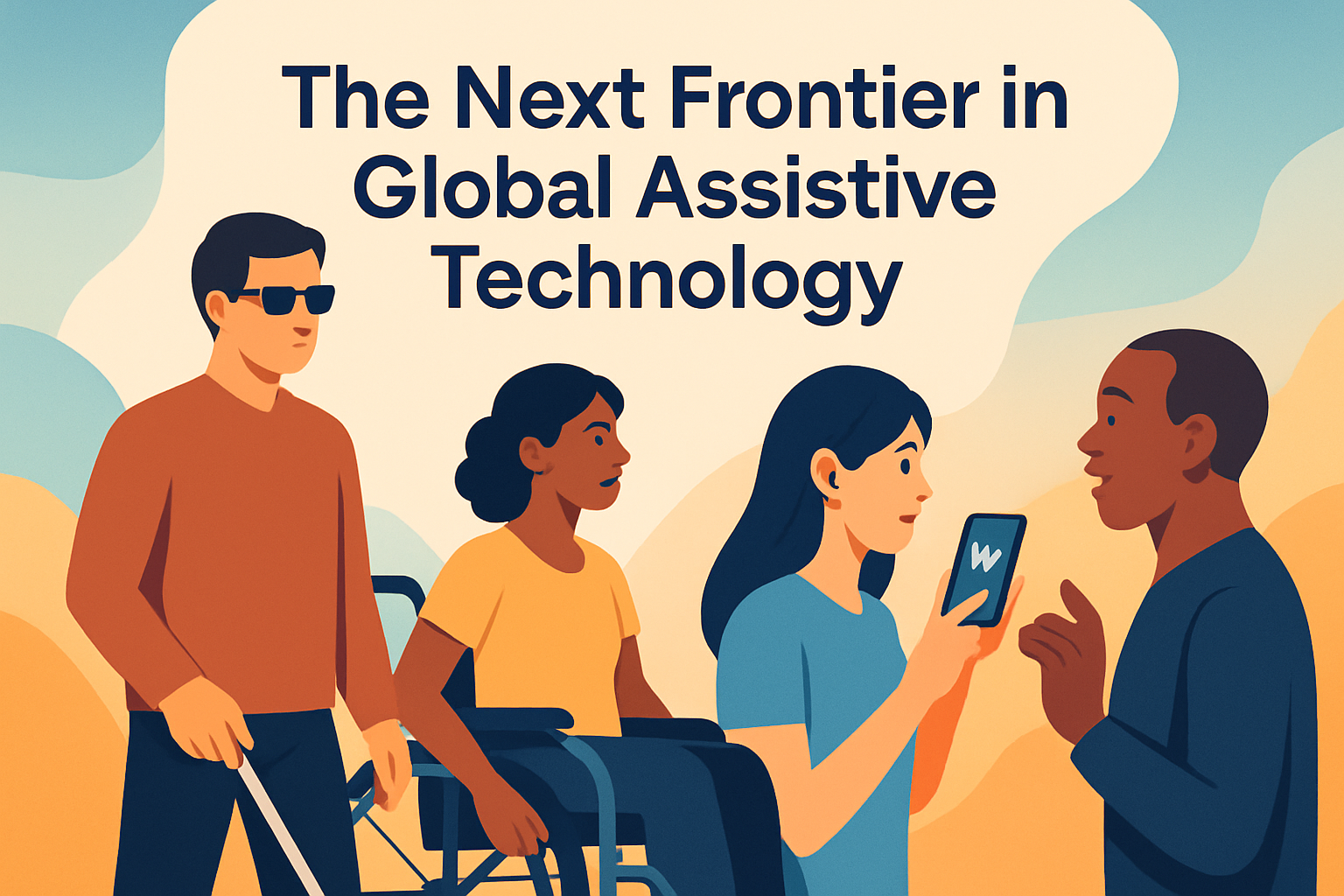
Assistive technologies are designed to support individuals with disabilities in performing tasks that might otherwise be difficult or impossible. In the context of the workplace, these technologies play a pivotal role in leveling the playing field for employees with disabilities. From screen readers for the visually impaired to augmentative communication devices for those with speech impairments, these tools empower individuals to participate fully in professional activities.
A shining example of assistive technology in action is the use of voice recognition software. This technology enables individuals with mobility impairments to operate computers and other digital devices through voice commands, enhancing their ability to perform tasks independently and efficiently. This not only improves productivity but also boosts confidence, as employees feel more equipped to contribute meaningfully to their roles.
Inclusive Design and Workplace Accommodations
Inclusive design is the practice of designing products, environments, and services that are accessible to as many people as possible, including those with disabilities. In the workplace, this means creating environments that accommodate a diverse range of needs, ensuring that everyone has the opportunity to succeed.
A company that exemplifies this approach is Microsoft, which has made significant strides in incorporating inclusive design principles into its product development and workplace policies. By fostering a culture that values diversity and inclusion, Microsoft has been able to attract top talent from various backgrounds, thereby enhancing its innovation potential. Employers like Microsoft demonstrate that investing in inclusive design is not just a compliance measure but a strategic advantage in today’s diverse job market.
The Role of Remote Work in Enhancing Accessibility
The rise of remote work, accelerated by the COVID-19 pandemic, has had profound implications for people with disabilities. Remote work offers greater flexibility and eliminates some of the physical and logistical barriers that many individuals face when accessing traditional workplaces.
A remote work success story is that of Buffer, a social media management company that has embraced a fully remote workforce. This shift has allowed them to attract employees from around the world, including those with disabilities who benefit from the flexibility and comfort of working from home. By prioritizing digital accessibility and inclusive communication tools, Buffer has created a supportive environment for all employees, regardless of their physical location or disability status.
Technology’s Role in Breaking Down Employment Barriers
Technological advancements continue to break down barriers to employment for people with disabilities. Innovations such as artificial intelligence (AI), machine learning, and robotics are creating new job opportunities and transforming existing roles.
For example, AI-powered recruitment tools are helping organizations to identify candidates based solely on skills and qualifications, rather than focusing on physical presence or traditional credentials. This shift allows individuals with disabilities to showcase their abilities and compete on a level playing field with other candidates. Additionally, robotic exoskeletons provide physical support for individuals with mobility impairments, enabling them to perform tasks they might not have been able to before.
The Importance of Policy and Legislation
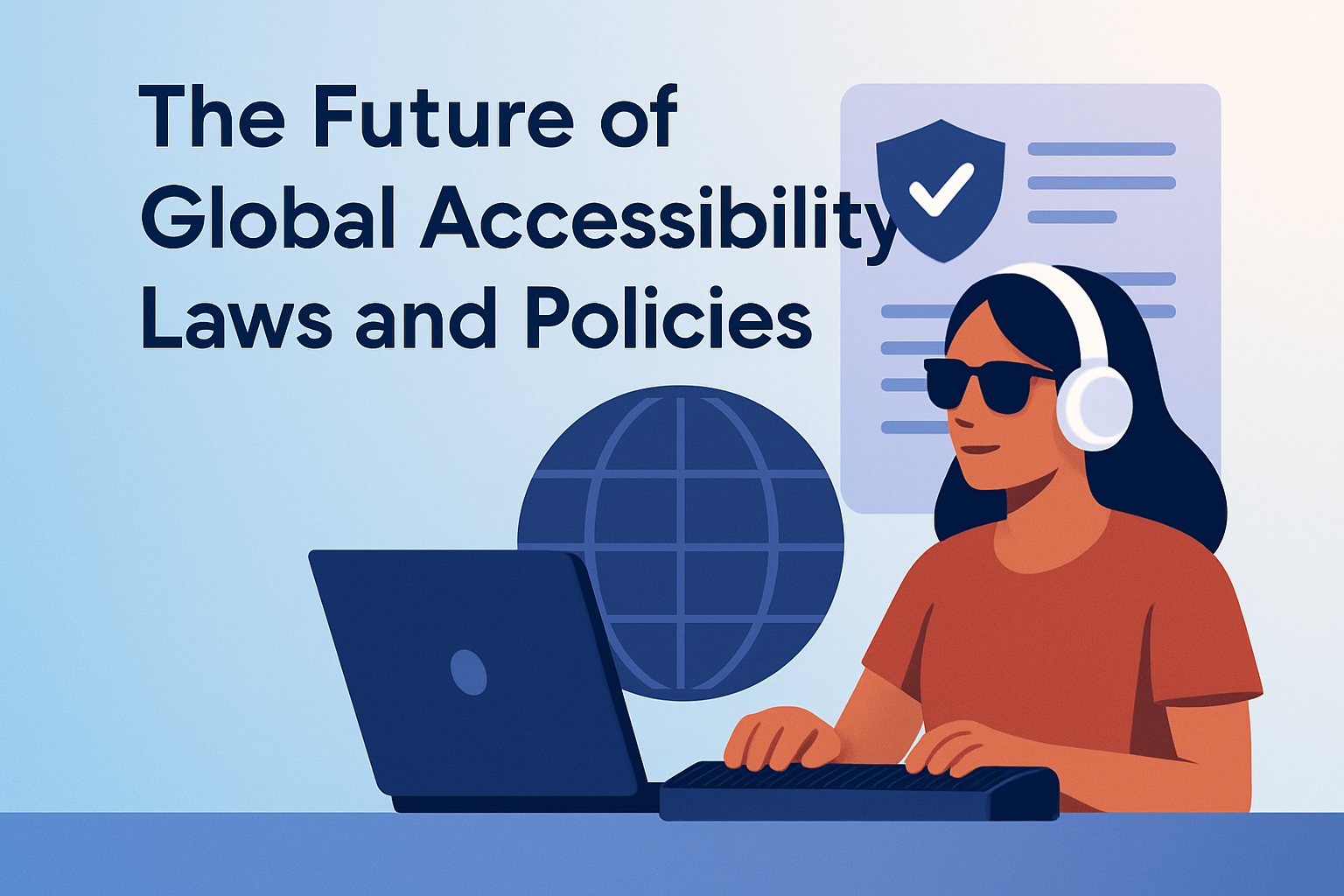
While technology presents numerous opportunities, the full potential of an inclusive workforce cannot be realized without supportive policies and legislation. Governments play a critical role in establishing frameworks that promote employment equality for individuals with disabilities, ensuring that workplaces are both accessible and accommodating.
The European Union (EU) serves as an example of a region that has taken significant steps towards creating inclusive work environments. The European Accessibility Act aims to improve the accessibility of products and services across member states, ensuring that technology is designed with all users in mind. By implementing comprehensive policies, the EU reinforces the importance of inclusivity in fostering economic growth and social cohesion.
Creating a Culture of Inclusion
Beyond technology and legislation, fostering a culture of inclusion within organizations is paramount. This involves raising awareness and educating employees about disability issues, promoting empathy and understanding, and encouraging open dialogue.
| Strategies for Fostering Inclusion |
|---|
| Regular training on disability awareness |
| Mentorship programs for employees with disabilities |
| Flexible work arrangements |
| Partnerships with disability advocacy groups |
Companies like Salesforce have implemented comprehensive diversity and inclusion programs that focus on these elements, creating an environment where employees feel valued and supported. By actively engaging in practices that promote inclusion, organizations can unlock the potential of their entire workforce, driving innovation and success.
The Road Ahead: Embracing an Inclusive Future
As we look to the future, the intersection of disability, technology, and employment will continue to evolve. Emerging technologies, shifts in societal attitudes, and progressive policies present opportunities to create a world where everyone has the chance to thrive in the workplace. But driving this change requires a concerted effort from individuals, businesses, governments, and communities worldwide.
Real shifts occur when all stakeholders commit to understanding and addressing the barriers faced by individuals with disabilities. Employers must harness the power of technology to create more accessible and inclusive environments, while governments should enforce laws and policies that promote equality. Ultimately, it is essential for society to nurture a culture of inclusion that values diversity as an asset rather than a challenge.
Conclusion
In summary, the future of work for people with disabilities is intertwined with the advancements in technology and the ongoing efforts to create inclusive environments. Assistive technologies, inclusive design, remote work, supportive legislation, and a culture of inclusion are all pivotal components in this transformative journey. By embracing these elements, we can build a workforce that is not only diverse but also innovative and resilient.
The key takeaway for readers is to recognize the significance of inclusivity, not just as a moral imperative but as a strategic advantage in an increasingly globalized and interconnected world. As we move forward, there is a clear call-to-action for individuals and organizations alike: embrace the tools and strategies available to foster an inclusive workforce and commit to continuous learning and growth in this area.
Whether you are an employer, policymaker, or community member, take the next step by advocating for policies that support inclusion, adopting technologies that enhance accessibility, and fostering an environment where everyone has the opportunity to succeed. Together, we can shape a future of work that recognizes and celebrates the contributions of individuals with disabilities, ensuring a brighter and more equitable world for all.
Frequently Asked Questions
1. How is technology changing job opportunities for people with disabilities?
Technology is a game-changer for people with disabilities, opening up a wealth of new opportunities in the workforce. Assistive technologies, like screen readers for visually impaired individuals or voice recognition software for those with mobility issues, are removing barriers that once made employment challenging. These tools allow people to perform tasks that were previously difficult or impossible, leveling the playing field in many industries. Additionally, remote work technologies have exploded in popularity, allowing people with disabilities to work from environments that accommodate their unique needs. The internet, artificial intelligence, and automation are also creating new types of jobs, especially in tech-oriented roles, that can cater to varying accessibility requirements. Essentially, technology is reducing the gap between ability and work performance, making it easier for those with disabilities to find and excel in jobs aligned with their skills and passions.
2. What are the main challenges facing persons with disabilities in the workforce today despite technological advancement?
Despite technological advancements, numerous challenges persist for people with disabilities in the workforce. One major issue is the general lack of awareness and understanding about disabilities among employers and coworkers, which can lead to misconceptions, bias, and sometimes discrimination. Furthermore, while assistive technology is available, it is not always affordable or provided by employers, leaving individuals to bridge this gap themselves. There’s also the challenge of technology not being universally accessible or easy to use for individuals with varying disabilities, which can limit its effectiveness. Beyond these obstacles, systemic issues such as lack of accessible transportation and inadequate support services also affect employment chances. The digital divide plays a significant role, as not all disabled individuals have equal access to computers or high-speed internet, which are crucial for exploring new job opportunities and working remotely.
3. How can employers create a more inclusive workplace for employees with disabilities?
Employers have a pivotal role in fostering inclusivity and can do so by implementing several strategies. Firstly, awareness and training seminars can educate the workforce about disability issues, promoting a culture of understanding and respect. Employers should also actively invest in or support the provision of assistive technologies that cater to employees’ specific needs. Making both digital and physical workspaces accessible is crucial—ensure your websites, applications, and office spaces comply with accessibility standards. Employ comprehensive recruitment policies that emphasize the abilities and skills individuals bring to their roles rather than focusing on their disabilities. Additionally, offering flexible working options, such as remote work opportunities and adaptable work hours, can further support employees with disabilities. Engaging in regular dialogue with employees about their needs can also drive workplace innovation and inclusion.
4. Are global policies evolving to support the integration of disabled persons in the workforce?
Yes, there has been noticeable progress at the policy level aimed at integrating individuals with disabilities into the workforce. Many countries have introduced legislation mandating workplace accessibility and non-discrimination against people with disabilities. International frameworks such as the United Nations Convention on the Rights of Persons with Disabilities (CRPD) play a crucial role in guiding countries to enact laws and practices that support workforce inclusion. Despite these efforts, the pace and effectiveness of policy implementation vary, and there remains a critical need for regional and international cooperation to enforce these policies. Additionally, organizations such as the International Labour Organization are actively working to promote inclusivity through various initiatives and collaborations with governments, aiming to address employment disparity. Ongoing advocacy is essential to ensure these frameworks translate into tangible benefits for disabled individuals globally.
5. What is the future outlook for disabled individuals in the workforce as technology continues to evolve?
The future holds promising prospects for individuals with disabilities in the workforce as technology continues to evolve. Emerging advancements such as artificial intelligence, machine learning, and robotics are likely to further enhance the capacity of assistive technologies, thus facilitating a wider array of job roles for persons with disabilities. The scaling up of smart home and workplace technologies can offer tailored assistance, enabling individuals to perform complex tasks more efficiently. Additionally, as society becomes more digitized, the demand for accessible solutions is expected to increase, encouraging innovation in accessibility technology. This growth could see even more companies prioritizing inclusive design principles to accommodate the needs of a diverse workforce. Educational institutions are also expected to adopt more inclusive teaching practices, preparing the next generation of workers for a variety of roles previously inaccessible to many with disabilities. While challenges remain, the pathway to a more inclusive future seems increasingly achievable as technological evolution continues to forge solutions that empower everyone, regardless of ability.