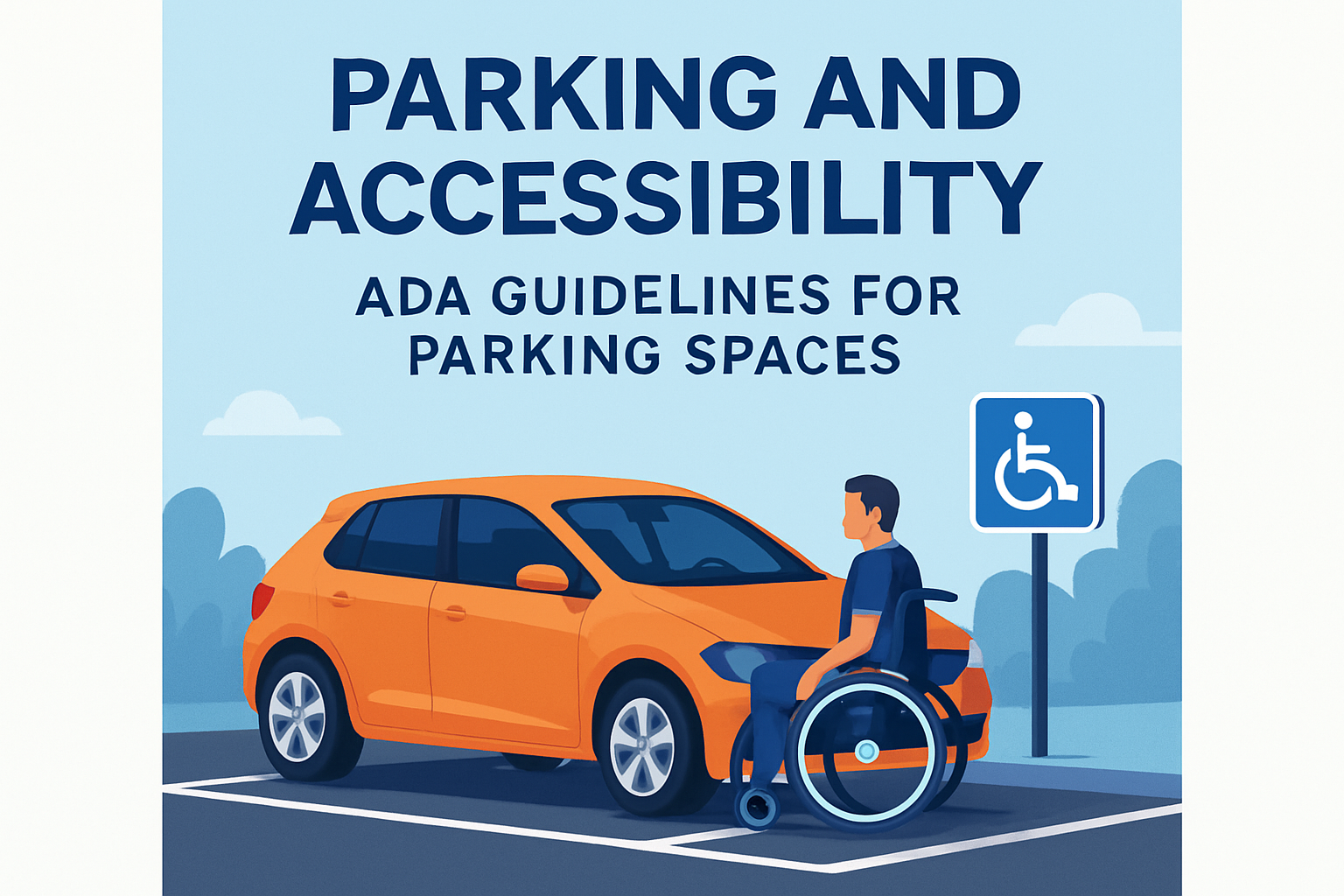
In recent years, ensuring workplace accessibility has become not only a regulatory requirement but also a crucial component of inclusive employment practices. The Americans with Disabilities Act (ADA) remains a cornerstone in shaping and mandating the physical design and operational accessibility of business environments, especially offices. This Act, enacted over three decades ago, seeks to prevent discrimination against individuals with disabilities and ensure they have equal opportunities. It profoundly impacts how offices are designed, from door widths to bathroom facilities. Understanding ADA compliance in office design isn’t merely about legality; it encompasses the ethos of inclusivity, efficiency, and maximizing the potential of all team members. Importantly, it also significantly enhances the work environment, facilitating a safer, more welcoming space that fosters productivity and innovation. As businesses evolve, so does the interpretation and application of ADA standards, pushing the boundaries of what an accessible workplace truly embodies. Embracing ADA-compliant design isn’t just a measure of compliance; it’s a forward-facing stride towards fostering a culturally rich workplace environment that values diversity and inclusion. This article delves deep into the principles of designing accessible workplaces, focusing on ADA compliance, its implications, and the comprehensive elements critical in fostering an inclusive work setting.
Understanding ADA Compliance
ADA compliance in the workplace involves adhering to a set of guidelines that ensure buildings and spaces are accessible to those with disabilities. Provisions under the ADA are broad, covering everything from parking lots, ramps, and office layouts, to bathroom facilities and emergency exits. Beyond merely adhering to legal stipulations, it calls for an empathetic approach to design that anticipates and caters to varied needs. Accessibility encompasses physical hindrances such as staircases that might impede wheelchair users, to subtler obstacles like areas with low-lighting or inappropriate signage that can be challenging for visually impaired employees. Compliance starts from the ground up, quite literally, with decisions regarding flooring materials that ensure slip-resistance and reduce tripping hazards. These considerations extend to fixtures and fittings, like adjustable-height desks, lever-style door handles, and broadened corridors to ensure easy navigation and usability. Moreover, ADA compliance extends to technology, mandating that electronic office equipment must be accessible, which includes everything from voice-activated systems in offices to software that is compatible with screen readers. Elevating accessibility within office design not only ensures compliance but significantly contributes to fostering greater inclusivity and team harmony.
ADA in Office Layout
Office layout is a critical component in ensuring accessibility. ADA guidelines recommend a systematic evaluation of spatial configurations to maximize inclusivity. This begins with an attentiveness to entrance accessibility where ramps or lifts provide alternatives to stairs, complying with slope and width regulations to accommodate wheelchairs and strollers. The layout within office spaces further necessitates consideration of aisle width, ensuring they are no less than 36 inches wide, permitting easy maneuverability for wheelchair users. Office design should equitably distribute these pathways without compromising accessibility, ensuring that they connect key areas such as bathrooms, meeting rooms, and break areas. Desk arrangements also play a vital role, where adjustable desks can accommodate different employee needs, from seated to standing work preferences. A proper layout also takes into consideration how emergency exits are designed, ensuring they are clear, prominently marked and easily accessible to all. Accommodating accessibility in design may appear as a subtle change in layout, but its impact on inclusivity makes a significant difference in productivity and workplace morale.
Accessible Facilities and Amenities
Incorporating accessible facilities is another critical aspect of ADA compliance within office design. Bathrooms, for instance, are often one of the primary focuses. ADA standards for restrooms call for at least one accessible stall, reduced sink heights, grab bars, and adequate turning space. Bathroom designs must accommodate users with different needs, ensuring sufficient support within stalls, and addressing potential barriers with user-friendly elements like automatic faucets and sensored lighting. Beyond bathrooms, kitchens or break areas should also adhere to ADA standards. This involves designing counters at accessible heights, controlling flow paths, and utilizing appliances that accommodate varying abilities, such as side-opening ovens or front-controlled stovetops. Provisions like adjustable drink dispensers and lever-based taps also respect diverse abilities, making it easier for everyone to participate fully in shared office activities. Elevators, often a necessity, should accommodate wheelchairs and must have controls at accessible heights. While these guidelines define a framework, the spirit of ADA compliance is to foster an environment where every employee feels considered and valued, contributing to a workspace where everyone can flourish.
Technology and Accessibility
Modern offices rely heavily on technology, making digital accessibility an imperative component of ADA compliance. Organizations are increasingly tasked with ensuring that digital workspaces and communication tools support all users, including those with disabilities. This might involve incorporating speech-to-text capabilities, ensuring websites and internal systems are compatible with screen readers, or working with software that offers text resizing and color adjustment features for those with visual impairments. Moreover, collaborative tools widely employed in work environments, like video conferencing platforms, should offer closed captioning options and screen adjustment features, ensuring meetings and digital interactions are inclusive. Tools like alternative communication devices or augmented reality apps can empower employees with hearing or speech difficulties. Companies need to evaluate their technological infrastructure, ensuring that accessibility considerations are embedded within their processes to enhance communication and bridge potential gaps. Many organizations are also looking towards integrating assistive technology in daily operations – all of which bolster a strategy aimed at inclusiveness and equal access.
Cost and Benefits of ADA Compliance
For many businesses, the costs associated with implementing ADA-compliant designs can appear daunting, yet the benefits far outweigh the initial expenditures. Implementing such design changes can seem costly, especially for small businesses or those reworking existing structures. However, the long-term benefits of compliance include an enhanced company image, attracting a wider pool of talent, and fostering an inclusive atmosphere that can lead to increased employee satisfaction and retention. Beyond legalities, ADA-compliant workspaces are often more ergonomic for all users, not just those with disabilities, leading to a broader appeal and utility. Financial incentives and tax breaks may also offset initial expenditures, with specific tax credits available for compliance-related modifications. Moreover, businesses that prioritize accessibility are often perceived more favorably in public eyes, demonstrating a commitment to inclusivity and ethical business practices – factors that resonate highly with customers and clientele. Therefore, investing in ADA compliance is a progressive step towards cultivating a diverse, equitable work environment that celebrates the richness brought by varied individual experiences and abilities.
Conclusion
Designing ADA-compliant, accessible workplaces is about embracing a forward-thinking approach that acknowledges the diverse needs of the workforce while fulfilling legal responsibilities. The emphasis on accessibility is indicative of a workplace culture steeped in inclusion, understanding, and respect for diversity, making workplaces not just compliant, but truly equitable and welcoming. It’s about more than adding ramps or wider doors; it’s about fostering a culture where accessibility considerations are seen as integral to the core values of the organization. An accessible workplace signals to employees and visitors alike that every individual is valued and that their needs are front and center, reducing barriers and allowing everyone the opportunity to perform at their best. By prioritizing accessible design and continually evaluating and enhancing these strategies, businesses set themselves apart as leaders in inclusivity. They foster an environment that not only meets ADA requirements but also supports the well-being and success of all members of the workforce, paving the way for future innovation and growth in an ever-evolving business landscape.