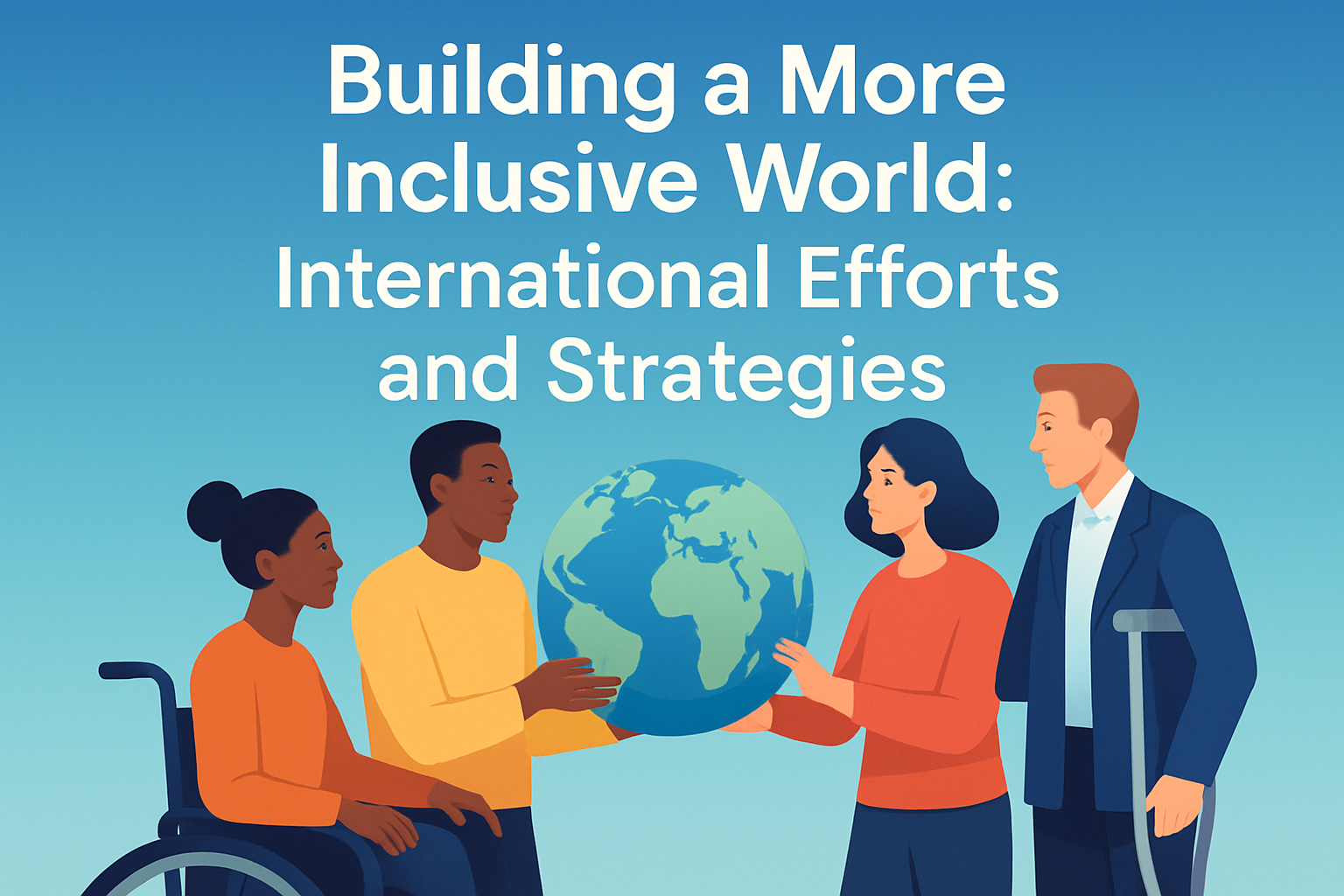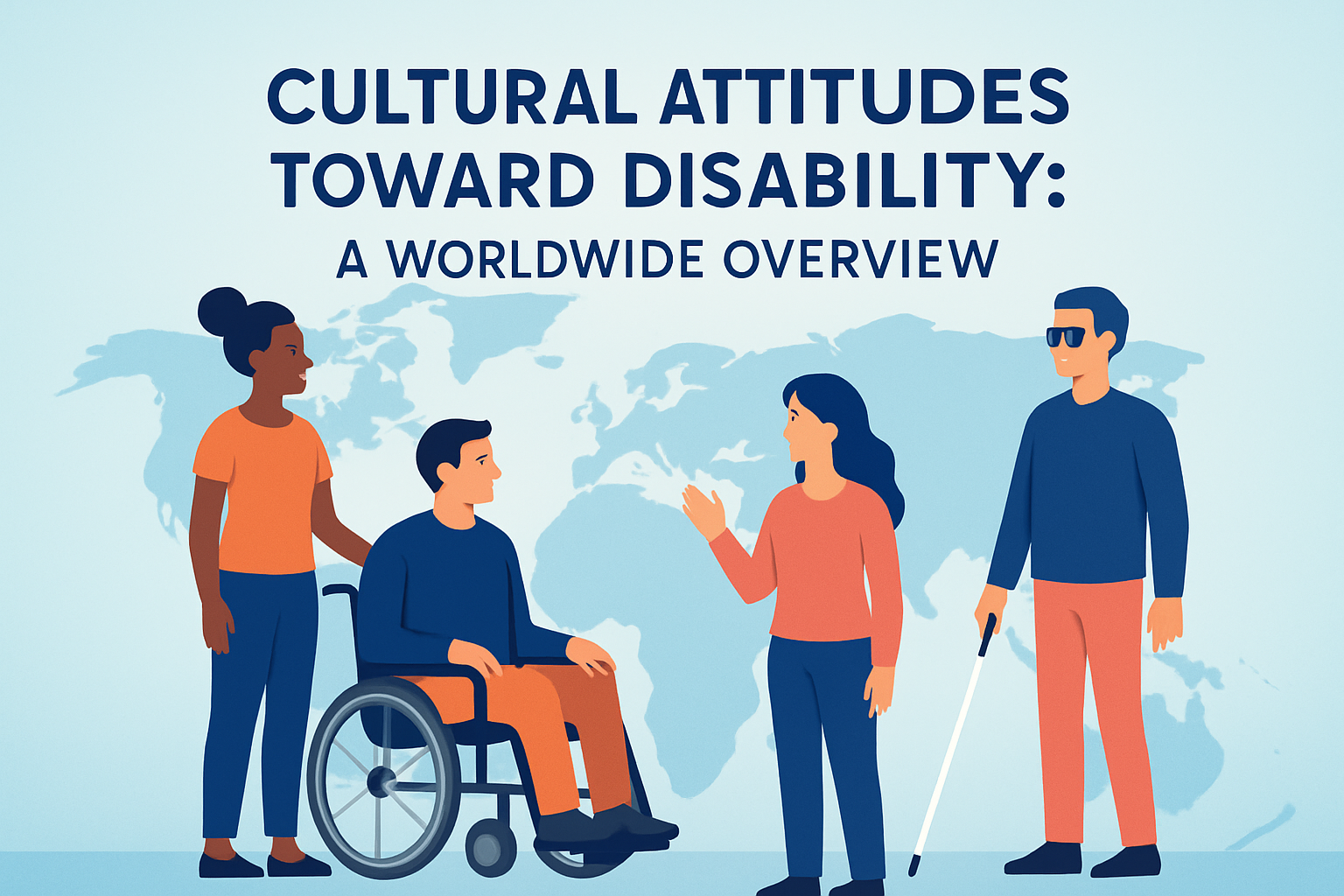
Understanding cultural attitudes toward disability is pivotal in addressing the challenges faced by individuals with disabilities worldwide. Disability, defined as a condition that restricts an individual’s ability to perform certain activities or interact with the world around them, affects millions of people across the globe. However, the perception and treatment of disability vary significantly among different cultures, leading to a diverse range of experiences for disabled individuals. These cultural attitudes shape the inclusion, or exclusion, of disabled persons in society, influencing everything from public policy to social interaction. A well-rounded comprehension of these perspectives is essential for fostering more inclusive and accessible environments globally. This article endeavors to explore cultural attitudes toward disability across various regions, shedding light on the complexities and commonalities that can either hinder or enhance the lives of those with disabilities.
The Western Perspective
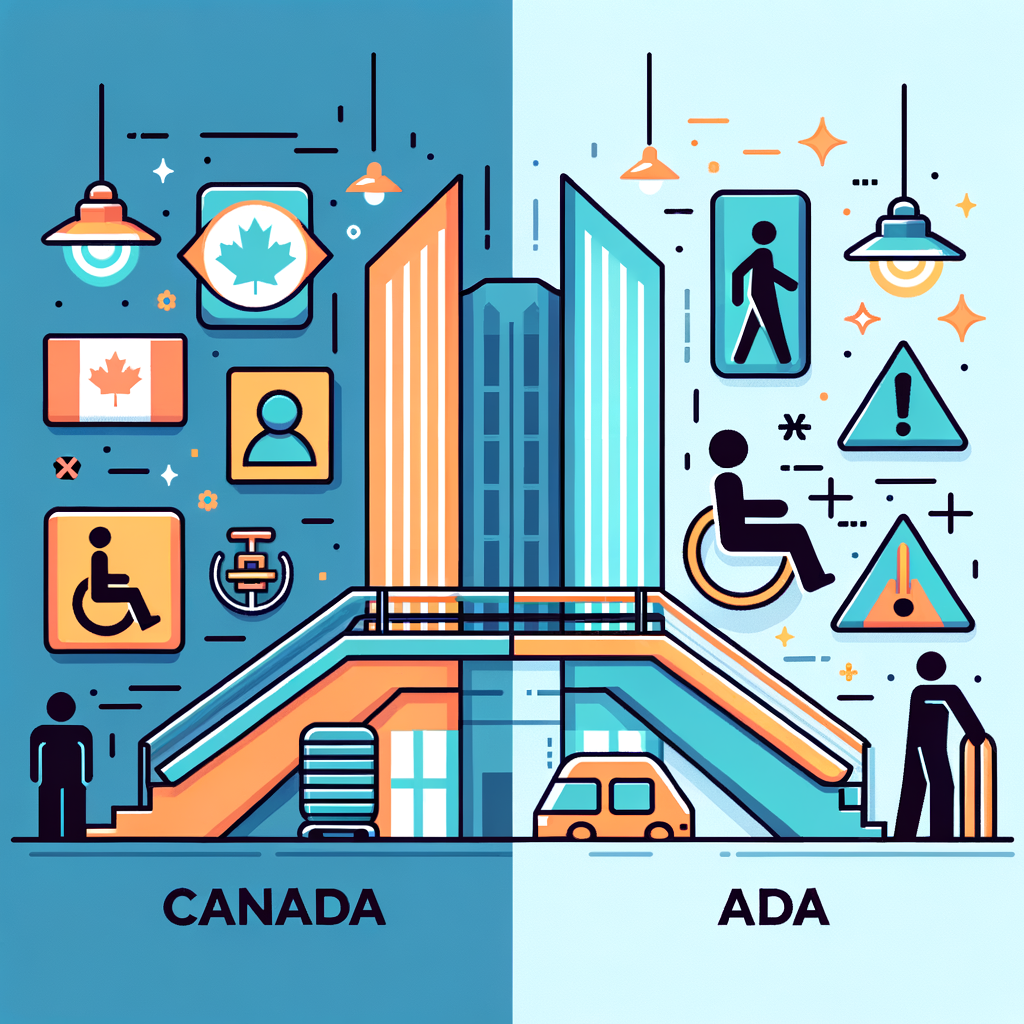
In many Western countries, the paradigm of disability has undergone significant transformation over the decades. The shift from a medical to a social model of disability emphasizes societal barriers rather than individual impairments. In countries such as the United States and Canada, disability rights movements have gained momentum, leading to legislation like the Americans with Disabilities Act (ADA) which focuses on promoting accessibility and equality.
A real-world example is the increased availability of accessible public transit systems. In cities like New York and Toronto, public transportation systems have proactively worked to enhance accessibility features, ranging from wheelchair-accessible buses to subway elevators. Although challenges persist, such as maintaining these systems and funding shortages, these efforts highlight a commitment to inclusion.
This approach underscores a belief in the inherent value of all individuals, ensuring they enjoy the same rights and opportunities. It highlights the importance of dismantling environmental and attitudinal barriers that restrict participation. However, these social advancements require ongoing commitment from both government and society to perpetuate genuine improvement in the quality of life for disabled individuals.
Asian Cultural Views
Asian perspectives on disability can vary significantly, often influenced by traditional values and religious beliefs. In some Asian cultures, disability might be seen through the lens of karma or as a result of one’s deeds in a past life. In these contexts, disabilities may carry a stigma, with affected individuals and their families sometimes facing social isolation.
For example, in India, while there are laws like the Rights of Persons with Disabilities Act (2016) that are designed to provide equal rights and opportunities, social taboos and lack of awareness can interfere with their implementation. Despite governmental efforts, there is a persistent need for advocacy and education to challenge these stigmas and create an inclusive society.
On the other hand, some countries in Asia have made strides in embracing individuals with disabilities. Japan, for instance, has made significant advancements in accessibility and workplace inclusion, driven by both legislation and increasing public awareness. The Japanese “Barrier-Free” initiative is actively working towards reducing physical and social obstacles for disabled individuals, promoting their integration into society.
Middle Eastern and African Attitudes
Middle Eastern and African countries also manifest a wide range of attitudes toward disability, often reflecting a blend of traditional, religious, and modern influences. In some of these regions, disabilities can be shrouded in stigma, leading to marginalization of individuals and their families. Cultural beliefs may link disability with superstitions or divine will.
However, this is not a uniform picture across all countries. For example, in Egypt, modern policies have attempted to address the rights of disabled individuals, particularly through educational reforms that aim to integrate students with disabilities into mainstream schools. In contrast, rural areas may lag behind, where traditional views still dominate, and infrastructure remains limited.
Similarly, in Sub-Saharan Africa, efforts to change perceptions and improve infrastructure do exist, but they are ongoing and complex due to socioeconomic challenges. Organizations and advocacy groups, such as Handicapped International, are heavily involved in raising awareness and creating support systems for disabled people, aiming to shift public perception and policy in a positive direction.
European Approaches to Disability
Europe presents a varied landscape concerning attitudes toward disability, with policies and perspectives differing from country to country. Generally, there is a strong emphasis on human rights and inclusion, with the European Union setting frameworks such as the European Accessibility Act.
Countries like Sweden stand out for their progressive approaches, offering comprehensive support systems for persons with disabilities, such as personalized assistance and robust social services. Swedish law mandates that all public spaces must be accessible, epitomizing a proactive stance on reducing barriers.
Conversely, Eastern European countries may struggle more with implementation due to economic constraints and historical legacies of institutionalization of disabled persons. Yet, progress is evident, as initiatives and funding continue to push towards necessary reforms.
| Region | Positive Developments | Challenges |
|---|---|---|
| North America | Legislative policies like ADA, accessible transport | Maintaining systems, funding limitations |
| Asia | Barrier-Free initiatives in Japan | Social stigma, traditional beliefs in India |
| Africa | Awareness campaigns, educational reforms | Rural accessibility, economic challenges |
| Europe | Comprehensive support in Sweden | Implementation in Eastern Europe |
Latin American Perspectives
Latin America presents a unique blend of cultural and legislative approaches to disability. In countries like Brazil, significant progress has been made through laws that ensure educational access and employment rights for persons with disabilities. Brazil’s National Law for the Inclusion of Persons with Disabilities stands as a beacon of hope for many.
However, challenges yet persist, particularly in rural areas where resources and policy implementation lag behind urban regions. Public awareness campaigns are pivotal in shifting traditional views and fostering greater inclusion across the continent.
Real-world examples such as Argentina’s “National Accessibility Program” showcase government initiatives aimed at improving physical infrastructure and public awareness, demonstrating a commitment to accessibility and inclusion. These efforts are essential in setting an example for other nations within the region to follow.
The Global Influence of Cultural Attitudes on Policy
Undoubtedly, cultural attitudes significantly impact disability policy and its effectiveness. Societies that embrace inclusivity tend to adopt more comprehensive laws and measures that support individuals with disabilities. Conversely, regions with entrenched stigma or limited resources may draft less effective legislation, heavily influenced by prevailing cultural views.
International cooperation and understanding are crucial in bridging these gaps. Global organizations such as the United Nations work towards creating a standardized approach to disability rights through conventions like the UN Convention on the Rights of Persons with Disabilities (CRPD). This global treaty seeks to enforce a universal standard of human rights for persons with disabilities, emphasizing dignity and equality.
Conclusion and Call to Action
The exploration of cultural attitudes towards disability worldwide reveals the complex interplay between tradition, policy, and society, emphasizing the need for continued advocacy and change. Understanding these diverse perspectives enhances our capacity to support individuals with disabilities more effectively, fostering inclusive practices and policies.
The importance of continuous education and awareness cannot be overstated, as these are key tools in changing perceptions and reinforcing the rights of disabled individuals globally. As cultural attitudes evolve, they pave the way for improved legislation, better access to services, and ultimately, a change in how disability is perceived and treated globally.
Readers are encouraged to contribute to this global shift by supporting local and international advocacy efforts, educating themselves and others about the realities and rights of persons with disabilities, and advocating for policies that promote their full inclusion in society. Together, we can build a world where everyone, regardless of disability, has the opportunity to thrive.
Frequently Asked Questions
1. What are some common cultural attitudes toward disability around the world?
Cultural attitudes toward disability vary widely across the globe. In some cultures, disability is viewed through a medical model where it is seen purely as a deficiency or disease that needs curing. This perspective often leads to stigmatization or discrimination against individuals who have disabilities. For example, in some parts of Africa, disabilities can be misconceived as a result of witchcraft or a curse, leading to social exclusion and limited support systems. On the contrary, other cultures embrace a more inclusive or social model of disability. Notably, in certain indigenous communities in the Pacific, individuals with disabilities may be highly respected for their unique perspectives and potential contributions to the community. In Scandinavian countries, disability is largely understood within a human rights framework, emphasizing accessibility and societal accommodations in policy and everyday life. Understanding these myriad cultural perceptions is crucial as they profoundly impact the lives of individuals with disabilities, influencing everything from legislation and social inclusion to employment opportunities and healthcare access.
2. How do cultural attitudes affect the education opportunities for individuals with disabilities?
The impact of cultural attitudes on education for individuals with disabilities is immense and multifaceted. In cultures where disabilities are stigmatized, education systems may not prioritize accessibility or adaptive learning environments, leading to significant barriers for students with disabilities. For instance, in regions lacking adequate resources or where traditional views equate disability with inability, educational opportunities may be limited or completely inaccessible, forcing many students with disabilities to remain excluded from mainstream learning environments. In contrast, cultures that promote inclusivity and recognize the potential of every individual are more likely to implement inclusive educational policies that facilitate equal access to learning for all students, regardless of their abilities. Often these cultures invest heavily in training educators to be able to work effectively with diverse learning needs, developing individualized education plans, and providing necessary support services. These efforts enhance the academic experience, fostering a more inclusive society where individuals with disabilities can achieve their full potential through education.
3. What role does religion play in shaping cultural attitudes toward disability?
Religion can significantly influence a culture’s perception of disability, often serving as a foundation for both acceptance and discrimination. In many religions, disability is interpreted through spiritual narratives, which can have both positive and negative connotations. For instance, certain interpretations within Christianity may view disability as a test of faith or an opportunity for spiritual growth, fostering a community-oriented support system that embraces inclusivity. However, some religious communities might perceive disability as a divine punishment, perpetuating stigma and ostracism. Similarly, in Hinduism, the concept of karma may lead to a belief that disabilities result from past deeds, influencing how individuals with disabilities are perceived and treated. Buddhism, on the other hand, often emphasizes compassion and mindfulness, which can underpin more supportive attitudes toward those with disabilities. The intersection of religion and disability is complex, and the influence of religious beliefs can vary widely within and among different cultures, shaping societal attitudes and practices related to disability in profound ways.
4. How do cultural attitudes impact employment for individuals with disabilities?
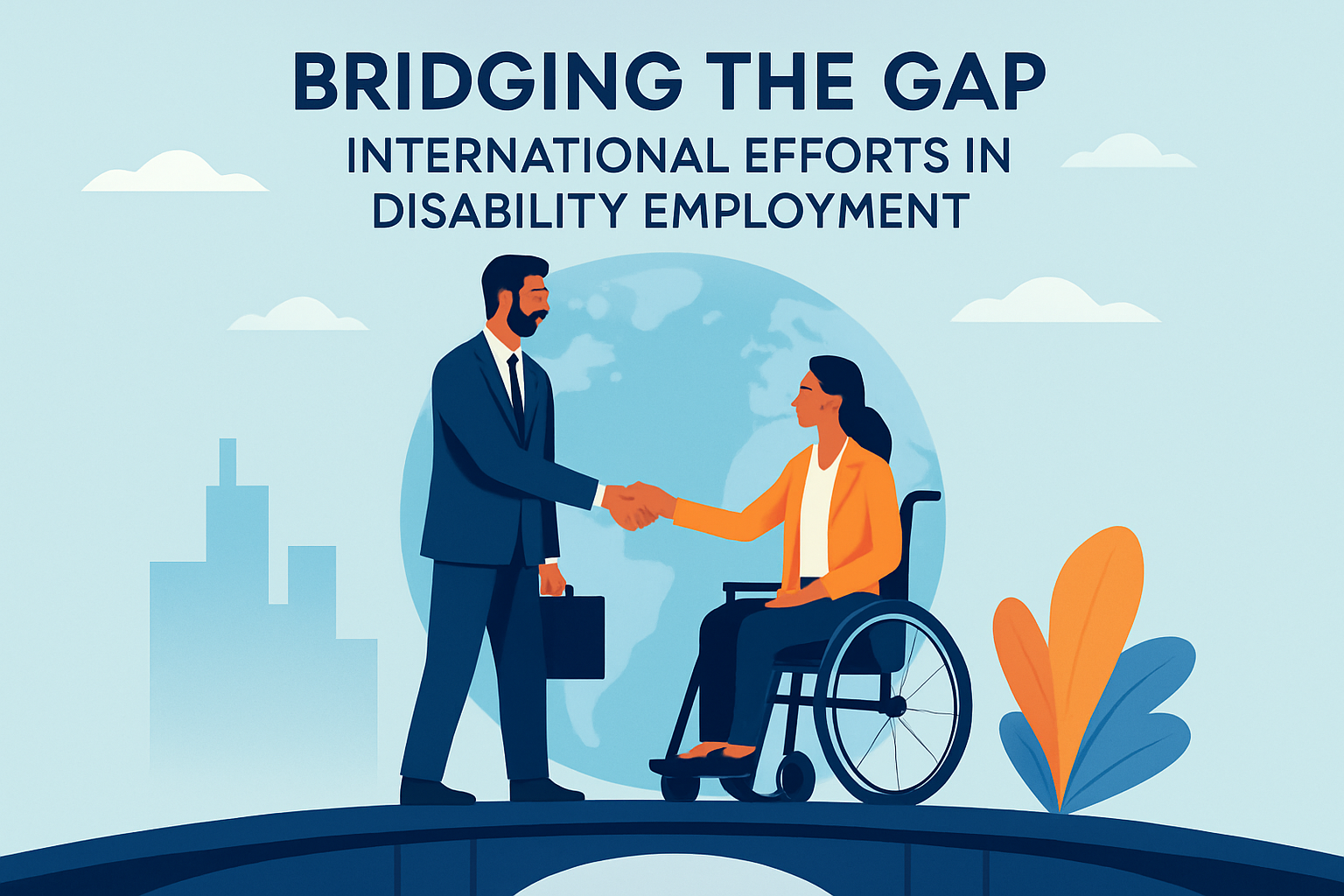
Employment opportunities for individuals with disabilities are heavily influenced by the prevailing cultural attitudes within a society. In cultures where disability is viewed negatively, individuals might face significant discrimination in the job market, resulting in higher unemployment rates and underemployment among those with disabilities. Employers may hold misconceptions about the capabilities of individuals with disabilities, often overlooking their potential contributions due to biases or misunderstanding of their needs. This can create an environment where people with disabilities are excluded from competitive employment or relegated to low-paying jobs with minimal prospect for advancement. Alternatively, in cultures where inclusive attitudes are prevalent, proactive measures such as policies mandating workplace accommodations and anti-discrimination laws can create more equitable job opportunities. These cultures might promote adaptive technologies, encourage diversity training, and raise awareness about the strengths of individuals with disabilities, leading to more inclusive work environments. Consequently, understanding and shifting cultural attitudes is crucial for enhancing employment prospects and promoting dignity and equality in workplaces around the world.
5. In what ways can shifting cultural attitudes lead to better healthcare outcomes for individuals with disabilities?
The relationship between cultural attitudes and healthcare outcomes for individuals with disabilities is profound, as perception can directly affect the quality and accessibility of healthcare services. In societies where disability is stigmatized, individuals may face discrimination or feel reluctant to seek medical care due to anticipated negative treatment from healthcare providers. This can result in delayed diagnosis, inadequate treatment, and general disparities in health outcomes. Furthermore, health facilities might not be equipped with necessary resources or structures to accommodate patients with disabilities, exacerbating these challenges. Conversely, societies with positive attitudes towards individuals with disabilities often strive for barrier-free healthcare access. This can manifest in various forms, such as training healthcare professionals to deliver equitable services, implementing policies that promote accessible medical infrastructure, and dedicating resources toward communication tools for patients with disabilities. Shifting cultural attitudes to foster inclusivity and respect can lead to better engagement with healthcare systems, improved health literacy, and ultimately, more equitable healthcare outcomes for individuals with disabilities worldwide.